
The process of immobilizing antigens or antibodies is called coating. Coating refers to the process where antigens or antibodies bind to the surface of a solid-phase carrier (microplate). Proteins bind to the polystyrene solid-phase carrier through physical adsorption, relying on interactions between the hydrophobic groups on the protein molecules and the hydrophobic groups on the surface of the solid-phase carrier. Next, we will introduce methods for optimizing coating in ELISA experiments.
I. Selecting Suitable Coating Antigens
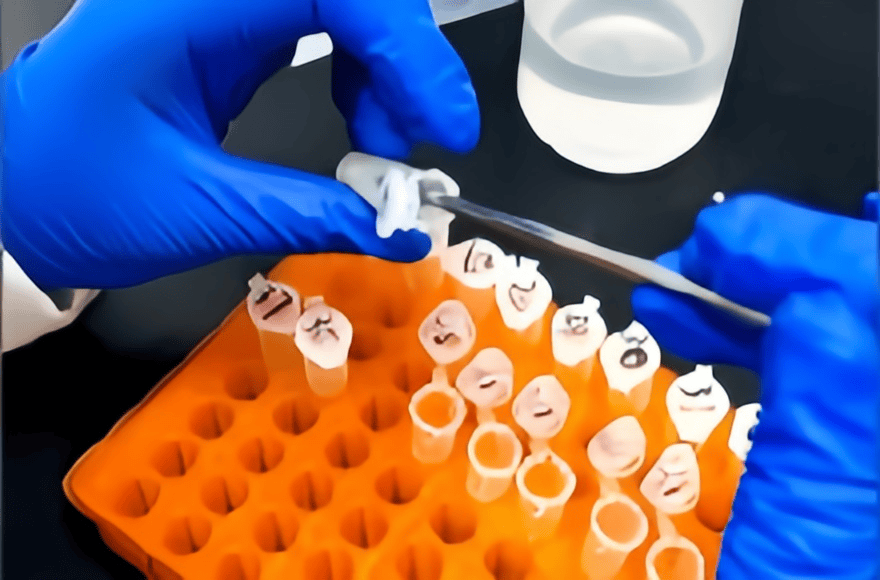
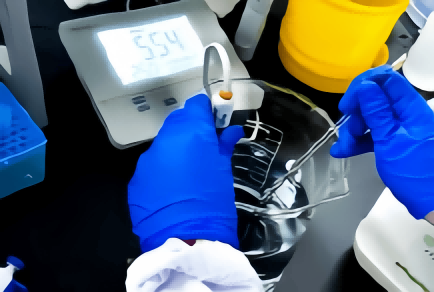
Coating antigens can be categorized into three types: native proteins, recombinant proteins, and small-molecule antigens. Native proteins meet purification requirements through direct adsorption. Many impurity antigens can be captured indirectly (by reacting with target antigens such as substances directly adsorbed onto microplate wells, followed by specific antigen-antibody interactions on the solid phase). Recombinant proteins are typically purified and can be coated directly. Small-molecule antigens, such as peptides and certain organic compounds, possess molecular weights too small for direct adsorption onto microplate wells. They are usually conjugated to unrelated proteins like bovine serum albumin (BSA) for adsorption onto solid-phase carriers.
II. Selecting the Appropriate Coating Solution
Typically, a pH 9.6 carbonate buffer is used. If the antigen is unstable under alkaline conditions, a pH 7.2 phosphate buffer solution may also be employed.
III. Selecting the Appropriate Coating Temperature
Coating is typically performed at 4-8°C for 2 hours overnight or at 37°C. We strongly recommend the 4-8°C range to preserve protein activity. Optimal coating concentrations should be determined experimentally for each antigen, with total protein coating concentrations ranging from 1-5 μg/ml.
IV. Post-Coating Blocking Selection
Whether blocking is necessary depends on the ELISA model and specific experimental conditions. Generally, fordouble antibody sandwich method, satisfactory results can be achieved without blocking, provided the enzyme label is highly active, and washing is thorough. For direct elisa and indirect elisa assays, blocking is typically essential. Common blocking agents include 0.5% bovine serum albumin, 10% fetal bovine serum, 1% gelatin, and 5% skim milk powder. Abmart recommends 5% skim milk powder, but note that this formulation is suitable only for short-term use and should not be stored long-term.
Coating is a critical step in ELISA tests. Mastering coating optimization techniques enhances experimental accuracy. During ELISA kit sales, we observe that the vast majority of post-sale issues stem from improper coating practices by laboratory personnel.