As a researcher or lab manager, one of the first practical questions you’ll ask when planning an experiment is: “How much does an ELISA kit cost?” The answer, however, isn’t always straightforward. The price of an Enzyme-Linked Immunosorbent Assay (ELISA) kit can range from $100 to over $800 depending on several critical factors.
Understanding these variables not only helps you budget effectively but also ensures you choose the right kit for your specific application without compromising on data quality.
In this guide, we break down the key elements that influence ELISA kit pricing and how Yanda Bio provides high-quality, cost-effective solutions for your research needs.
1. Specificity and Sensitivity: The Science Behind the Price
The most significant factor affecting the cost of an ELISA kit is its performance characteristics—namely sensitivity and specificity.
High-sensitivity kits are engineered to detect low-abundance proteins or distinguish between subtle differences in similar targets. They require highly optimized antibody pairs and proprietary reagents to ensure precise detection in complex samples like serum or cell lysates. The intensive development and validation process for these kits naturally drives up their cost.
At Yanda Bio, our high-sensitivity ELISA kits are developed for researchers who need precise quantification of low-concentration targets. While the upfront price may be higher than standard kits, the superior performance ensures accuracy and reduces the need for costly and time-consuming repeat experiments.
2. Brand Reputation and Quality Control
Established brands like Thermo Fisher, Abcam, and R&D Systems are known for rigorous testing and validation. This reputation for reliability comes with a premium price tag.
However, a higher price does not always guarantee a better fit for your budget. Yanda Bio offers a compelling alternative by providing high-quality kits at accessible price points. For example, our QuickTest ELISA Kits are designed to simplify workflows without sacrificing accuracy. By using pre-optimized reagents and streamlined protocols, we reduce user error and deliver reliable results faster—all at a price that is significantly more competitive than leading brands.
3. Target Complexity: Common vs. Niche Biomarkers
The nature of the protein you are measuring plays a major role in pricing.
- Common Targets: Kits for widely studied proteins (like albumin or IL-6) are typically more affordable due to high production volume and widespread availability of reagents.
- Rare or Emerging Targets: Kits for novel or less-studied biomarkers are often more expensive. They require specialized antibodies and extensive validation due to smaller production scales.
Contact Yanda Bio for a quote on rare or custom targets. You might be surprised by our low prices, even for challenging biomarkers.
4. Assay Format: Direct vs. Sandwich ELISA
The complexity of the assay format directly impacts the cost of materials and manufacturing.
- Sandwich ELISA Kits: These use two antibodies (capture and detection) and offer high specificity and sensitivity. They are ideal for complex samples but require more reagents, making them more expensive.
- Direct ELISA Kits: These use a single labeled antibody and are simpler and faster to perform. They are generally less expensive but may lack the sensitivity of a sandwich assay.
Your choice should be guided by the need for sensitivity versus the simplicity of the protocol.
5. Kit Size and Throughput Needs
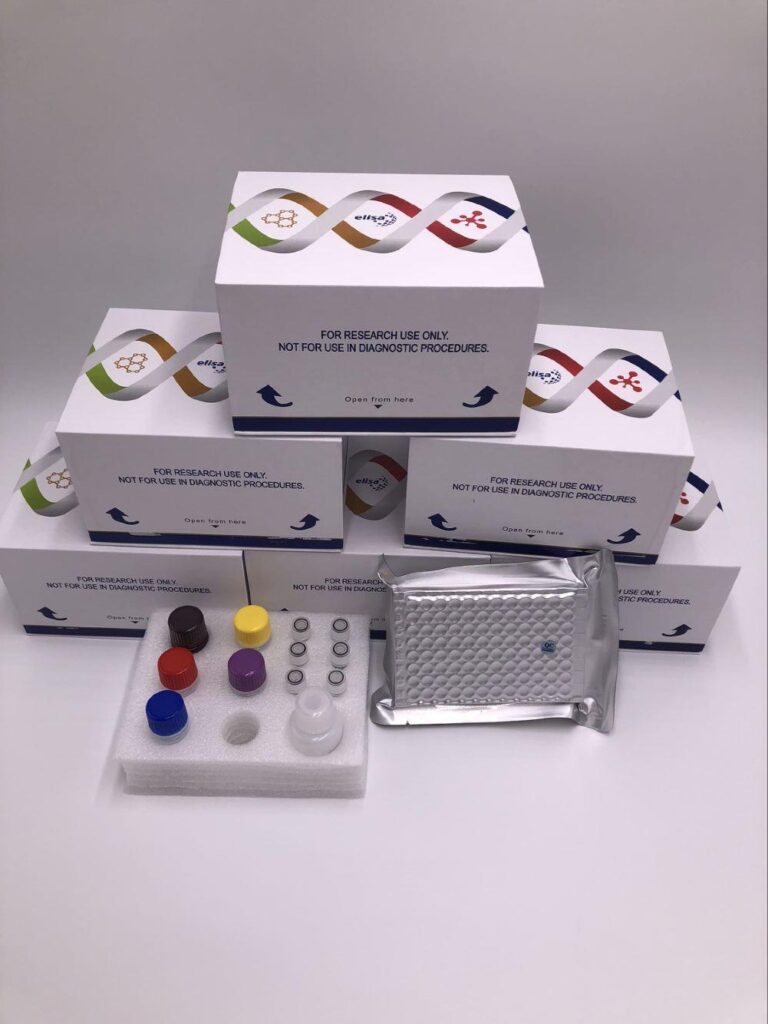
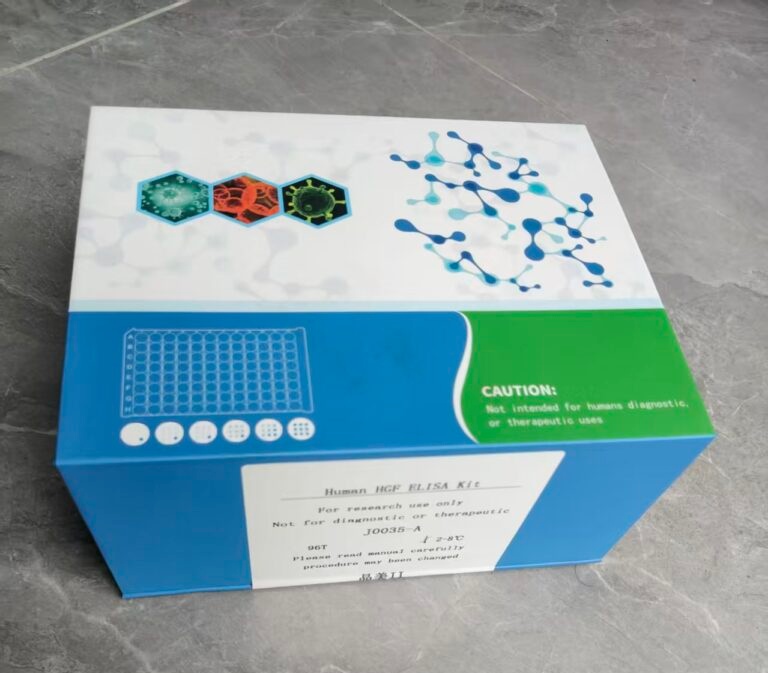
ELISA kits come in various sizes, typically measured by the number of tests (wells). Common sizes include 48 tests (48T) and 96 tests (96T).
- High-throughput labs benefit from larger kits (96T), which offer a lower cost per test.
- Small-scale experiments or pilot studies might be better suited to smaller kits (24T or 48T), even if the per-test cost is slightly higher.
Yanda Bio offers flexible sizing options—24T, 48T, and 96T—allowing you to choose the right fit for your workflow and budget.
6. Shipping and Handling: The Logistics of Biologics
ELISA kits contain sensitive biological components like antibodies and enzymes that often require cold-chain shipping (2-8°C or frozen) to maintain stability. The cost of insulated packaging, ice packs or dry ice, and expedited shipping—especially for international orders—adds to the overall expense.
At Yanda Bio, we ensure the integrity of your research materials by shipping our ELISA kits with dry ice in insulated boxes, guaranteeing they arrive in perfect condition, no matter the destination.
7. Yanda Bio ELISA Kit Price Ranges
So, how much can you expect to pay? Here is a general breakdown based on kit type. A standard 96-well plate is used for comparison.
- Standard Research Kits: $100 – $200
Ideal for common targets and routine analysis, offering a balance of reliability and value. - High-Sensitivity Kits: $200 – $400
Designed for detecting low-abundance proteins where precision is paramount. - Custom ELISA Kits: $400 – $800
Tailored specifically for unique targets or specialized applications. Price varies based on development and validation requirements.
Making the Right Choice for Your Lab
While price is an important factor, the true value of an ELISA kit lies in its ability to generate reproducible and accurate data. A cheaper kit that fails to detect your target or yields inconsistent results is ultimately more expensive than a reliable, moderately priced alternative.
Why choose Yanda Bio?
We are committed to breaking the trade-off between quality and cost. By optimizing our manufacturing processes and focusing on core competencies, we deliver ELISA kits that researchers can trust—without the premium price tag.