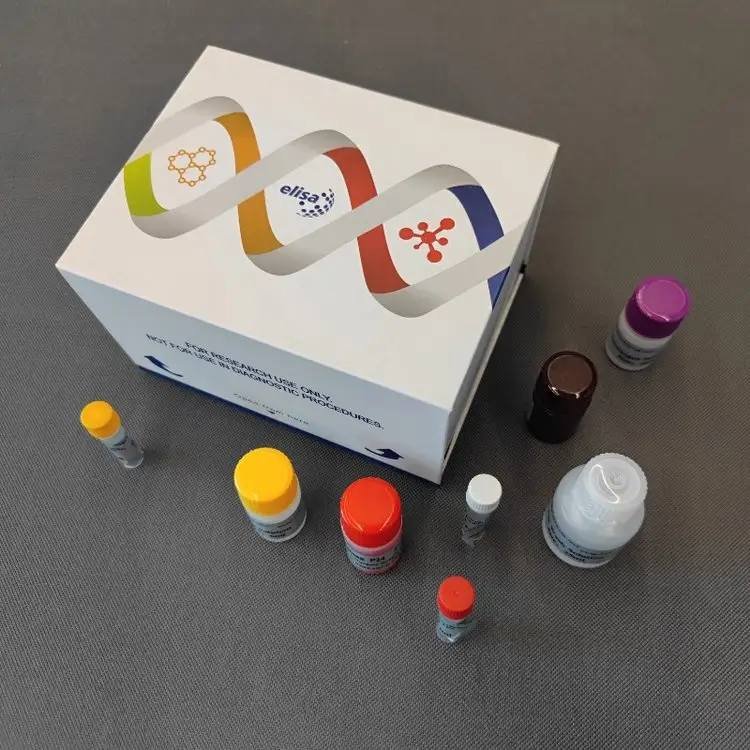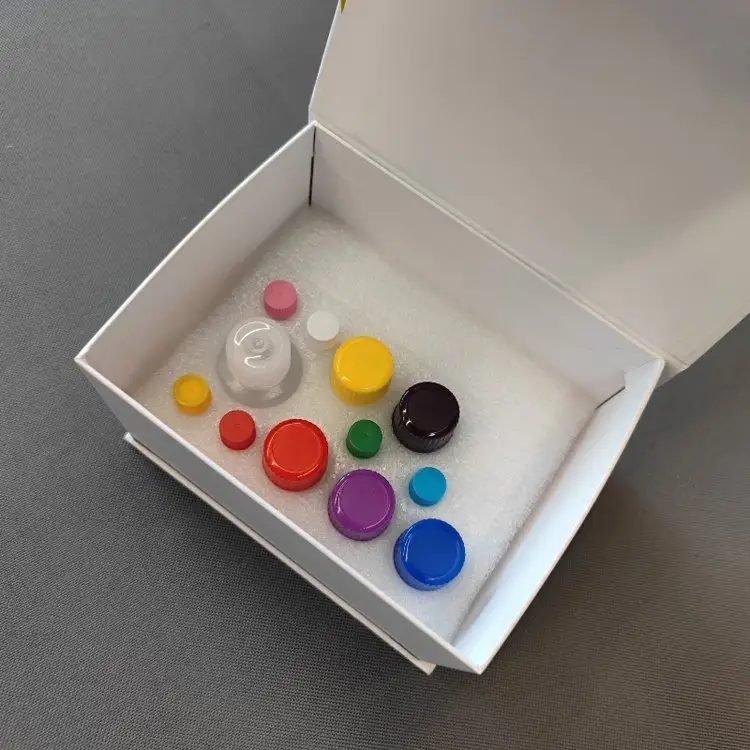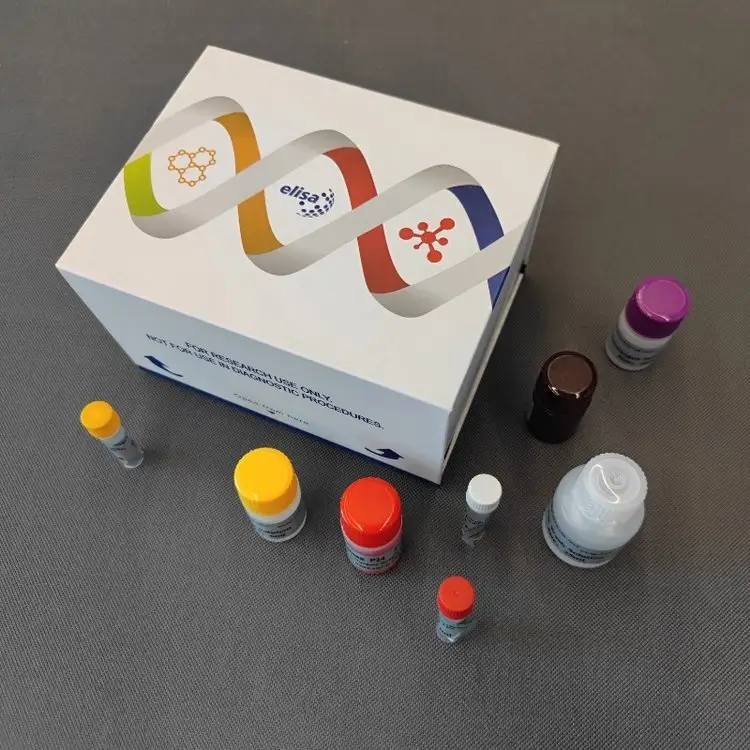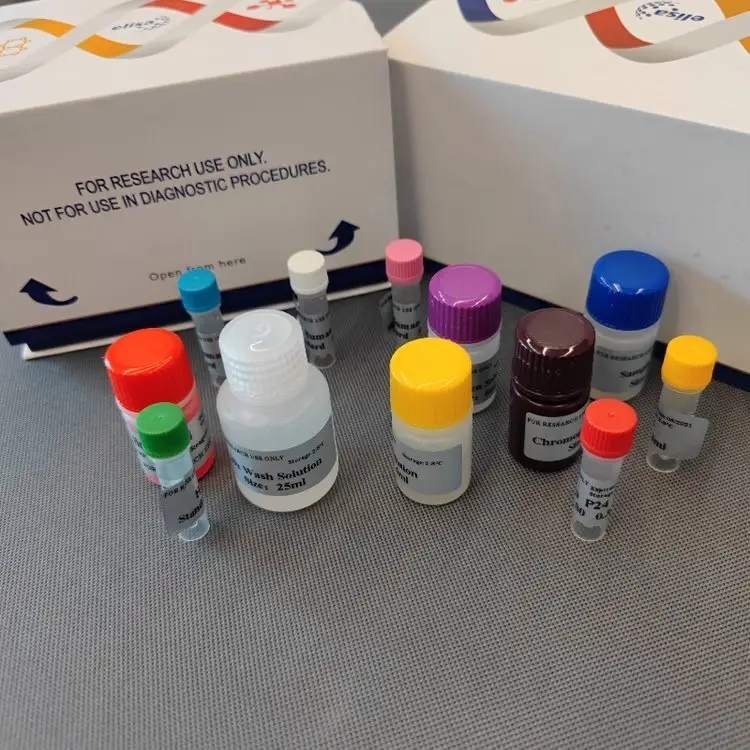

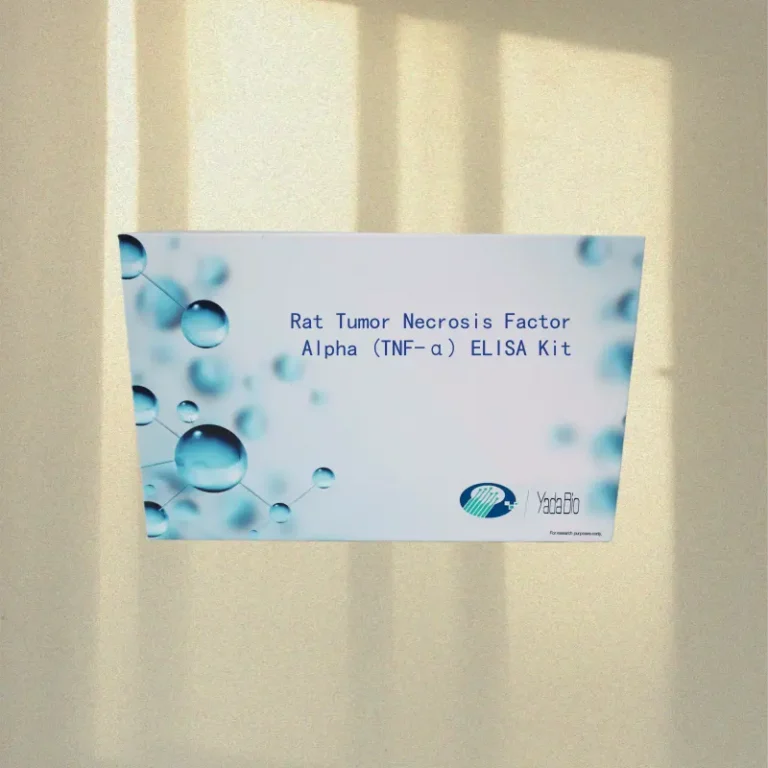
Rat Tumor Necrosis Factor Alpha (TNF-α) ELISA Kit
Tumor Necrosis Factor Alpha (TNF-α) is a powerhouse cytokine that orchestrates inflammation, apoptosis, and immune cell trafficking. In preclinical rat models, capturing even modest changes in TNF-α levels is essential for dissecting pathways in sepsis, metabolic disorders, and autoimmune pathology. Yanda Bio – a specialized ELISA manufacturer with over 6,000 analyzable targets and research partnerships across more than 60 Chinese universities – offers a rigorously validated Rat Tumor Necrosis Factor Alpha (TNF-α) ELISA Kit. Built as a high-performance inflammatory factor ELISA kit, it is fine-tuned to deliver the specificity and lot-to-lot stability your long-term experiments demand.
Each microplate is a high-binding plate; its bottom surface undergoes a specialized treatment that dramatically enhances the adsorption of coated antibodies and antigens. This results in stronger signal development, improved linearity, and reduced well-to-well drift. Whether you are profiling serum, plasma, cell supernate, or tissue homogenate, this kit gives you the data confidence to move your hypothesis forward.
Assay Highlights at a Glance
- True one-step sandwich format: simultaneous incubation of sample and HRP-conjugated detection antibody saves time without sacrificing performance.
- Quantitative range: 1.0–3 μg/mL
- High-binding microplate: specially treated wells for maximum protein capture
- Strong reproducibility: intra- and inter-assay CV both < 15%
- Sensitive detection: minimum detection limit lower than 0.01 μg/mL
- High accuracy: standard curve linearity R ≥ 0.9900
- Sample versatility: validated for rat serum, plasma, cell culture supernate, and tissue homogenate
- Free shipping: buy any 3 ELISA kits from our catalog and enjoy complimentary delivery
Intended Use
This kit is designed for the quantitative measurement of rat Tumor Necrosis Factor Alpha (TNF-α) in serum, plasma, cell culture supernate, and tissue homogenate. It is for research use only and must not be used for clinical diagnosis or human testing.
Detection Principle
The Rat Tumor Necrosis Factor Alpha (TNF-α) ELISA Kit employs a one-step double-antibody sandwich ELISA technique. Microplate wells are pre-coated with a capture antibody specific to rat TNF-α. In a single incubation step, samples or standards are added together with an HRP-conjugated detection antibody. During this incubation, TNF-α is sandwiched between the coated antibody and the enzyme-linked detection antibody. After a thorough wash that removes unbound material, TMB substrate is pipetted into the wells. The HRP enzyme converts TMB to a blue product, which turns yellow upon addition of the stop solution. The absorbance at 450 nm is directly proportional to the concentration of TNF-α in the sample.
Kit Performance
- Accuracy: correlation coefficient (R) of the standard curve linear regression ≥ 0.9900
- Sensitivity: minimum detectable concentration < 0.01 μg/mL
- Detection range: 1.0–3 μg/mL
- Specificity: no significant cross-reactivity with common soluble structural analogs
- Precision: intra-assay CV < 15%; inter-assay CV < 15%
- Storage: 2–8°C, protected from light and moisture
- Shelf life: 6 months
Sample Collection, Processing, and Storage
Serum – Collect blood in endotoxin- and pyrogen-free tubes, avoiding any mechanical or chemical stimulation of cells. Centrifuge at 3000 rpm for 10 minutes and immediately separate the serum from the red cell mass.
Plasma – Use EDTA, citrate, or heparin as an anticoagulant. Centrifuge at 3000 rpm for 30 minutes and harvest the supernatant.
Cell culture supernate – Centrifuge at 3000 rpm for 10 minutes to remove particulate matter and polymers.
Tissue homogenate – Homogenize tissue in normal saline at a 1:9 (w/v) ratio. Centrifuge at 3000 rpm for 10 minutes and collect the supernatant.
Storage – If samples cannot be tested immediately, aliquot them into single-use volumes and store at -20°C. Avoid repeated freeze-thaw cycles. Thaw samples at room temperature and ensure they are fully homogenized before use.
Materials Required but Not Provided
- Microplate reader capable of measuring absorbance at 450 nm
- High-precision pipettors and tips: 0.5–10 µL, 2–20 µL, 20–200 µL, 200–1000 µL
- 37°C incubator or water bath
- Distilled or deionized water
- Absorbent paper and wash bottle (if performing manual washing)
Reagent Preparation
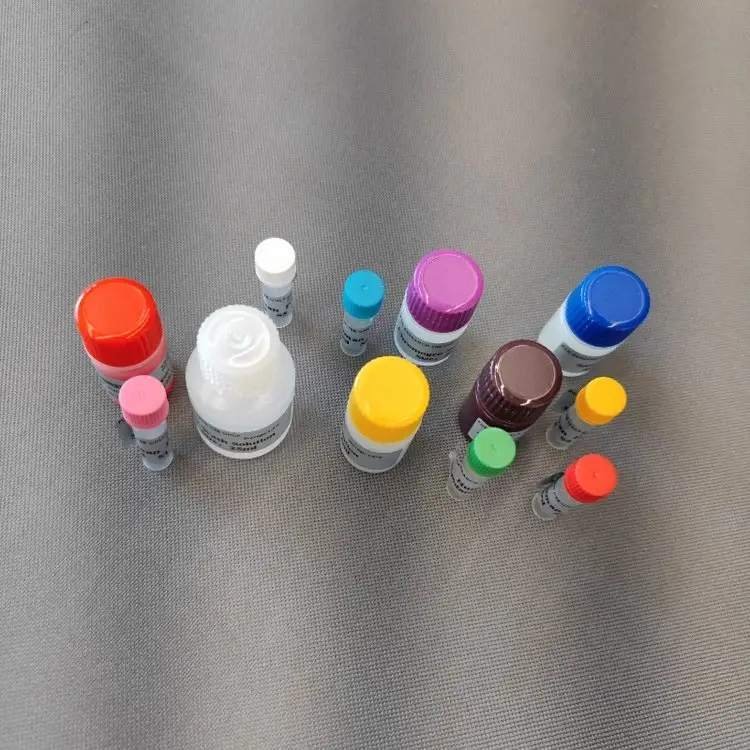
20× Wash Buffer: Dilute the concentrate 1:20 with distilled water (1 part 20× wash buffer + 19 parts water) to obtain 1× working wash buffer. If crystals have formed in the concentrate during cold storage, warm the bottle in a water bath until the crystals completely dissolve before dilution.
All other ready-to-use reagents: Equilibrate the kit to room temperature for 20 minutes before opening.
Plate Washing Protocol
Proper washing is critical for a low background and consistent optical density. Yanda Bio recommends a standardized wash process that thoroughly removes unbound material. For a complete walkthrough and troubleshooting advice, please see our [detailed plate washing guide] (internal link anchor – ready for placement).
- Manual washing: After discarding the well contents, completely fill each well with 1× wash buffer. Allow the buffer to soak for 1 minute, then discard the liquid and blot the plate firmly against clean absorbent paper. Repeat this sequence 5 times.
- Automated washer: Set the instrument to dispense 350 µL of wash buffer per well, soak for 1 minute, and perform 5 cycles.
After the final wash, invert the plate and tap it dry on absorbent paper before proceeding to the next step.
Assay Procedure
- Plate preparation: Remove the required strip wells from the foil pouch after the 20-minute room-temperature equilibration. Seal unused strips back in the pouch with desiccant and store at 2–8°C.
- Standard and sample wells: Designate wells for the standard curve and for samples. Add 50 µL of each standard to the appropriate wells.
- Sample loading: Pipette 10 µL of sample into the sample wells, followed by 40 µL of sample diluent. (This yields a 5-fold dilution; the final concentration will be multiplied by 5.) Leave blank wells empty of sample and detection antibody.
- One-step incubation: Except for blank wells, add 100 µL of HRP-conjugated detection antibody to every standard and sample well. Seal the plate with an adhesive plate sealer and incubate for 60 minutes at 37°C.
- Wash: Remove the sealer, aspirate or discard the liquid, and wash the plate 5 times following the plate washing protocol described above. Blot dry.
- Color development: Add 50 µL of Substrate A and 50 µL of Substrate B to each well. Incubate in the dark at 37°C for 15 minutes.
- Stop: Pipette 50 µL of stop solution into each well. The blue color turns yellow.
- Measurement: Within 15 minutes of stopping, read the optical density (OD) of each well at 450 nm using a microplate reader.
Result Calculation
Generate a standard curve by plotting the OD values (Y-axis) against the known concentrations of the standards (X-axis) using Excel or a similar data analysis tool. Apply the linear regression equation to calculate the TNF-α concentration of each sample well. Multiply the result by the dilution factor (5) to obtain the actual sample concentration.
Important Notes Before You Run the Assay
- Equilibrate all reagents to room temperature for 20 minutes before starting.
- Crystallization of the concentrated wash buffer under cold storage is normal; dissolve crystals completely before dilution.
- The S0 standard (concentration 0) serves as the negative control/blank.
- Samples are pre-diluted 5-fold during the loading step; the final readout must be corrected by this factor.
- Strictly adhere to the indicated incubation times, liquid volumes, and order of addition.
- Shake all liquid components thoroughly before use.
- Unused strip wells should immediately be resealed in the foil bag with desiccant for low-humidity cold storage.
- The kit is for research use only. Any consequences arising from clinical or human application are the sole responsibility of the experimenter; Yanda Bio assumes no liability.
- Follow the instructions exactly as described. Deviations from the protocol may compromise results and are performed at the user’s own risk.
Storage and Shelf Life
- Store the entire kit at 2–8°C, protected from light and humidity.
- Shelf life: 6 months from the date of manufacture when kept unopened under recommended conditions.
Why Yanda Bio is the Right Source for Your Inflammatory Factor ELISA Kit
Yanda Bio manufactures ELISA systems with the precision that cutting-edge research demands. Our catalog now spans more than 6,000 targets, and we maintain active collaborations with over 60 universities across China – a testament to the reliability and consistency we deliver. Every kit, including this Rat Tumor Necrosis Factor Alpha (TNF-α) ELISA Kit, incorporates:
- High-binding plate technology: The well surface is specially engineered to adsorb proteins with high efficiency, improving both signal strength and reproducibility.
- Lot-to-lot consistency: Rigorous QC ensures that the performance you validate today holds across future shipments.
- High specificity: Antibody pairs are selected to minimize cross-reactivity, so your data truly reflects the target analyte.
- Economical flexibility: Mix and match any three kits from our portfolio to unlock free shipping.
Related Inflammatory Factor ELISA Kits to Complete Your Panel
To gain a fuller picture of the inflammatory milieu in your rat model, complement this TNF-α kit with two other well-characterized inflammatory factor ELISA kits from Yanda Bio (internal links can be placed wherever convenient):
- Rat Interleukin-22 (IL-22) ELISA Kit – IL-22 is a prototypical inflammatory cytokine that bridges innate and adaptive immunity. This assay uses a high-binding plate format and delivers excellent sensitivity for rat serum and plasma.
- Mouse Interleukin 1 (IL-1) ELISA Kit – IL-1 is a master regulator of acute inflammation and a key readout in inflammasome studies. The kit offers the same one-step convenience and robust specificity expected from Yanda Bio.
Both kits share the same plate technology, substrate system, and quality framework as your TNF-α kit, making it straightforward to multiplex your biomarker readouts.
Ordering Information
- Catalog number: Please refer to our current catalog or contact our sales team.
- Format: Available in 48-test and 96-test configurations.
- Shipping: Free express delivery on orders containing three or more ELISA kits (any targets from our portfolio).
- Bulk/Institutional pricing: Reach out for volume quotes and tailored procurement solutions.
Turn cytokine data into mechanistic insight. Order the Rat Tumor Necrosis Factor Alpha (TNF-α) ELISA Kit today and experience the quality that researchers at over 60 universities already count on.