
Horse ELISA kit
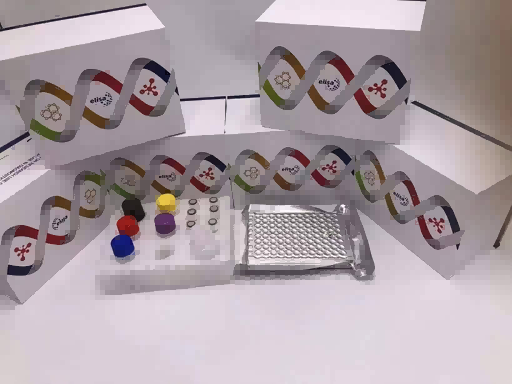
Detection indicators of horse ELISA antibodies and kits are available for sale. We have thousands of rabbit detection indicators. The price is reasonable. Goods will be delivered to most countries and regions within 5 to 8 working days.Buy three ELISA test kits at once and enjoy free shipping.
Categories
Contact Us
- songhawyble@gmail.com
- +86 19831860669

Frequently Asked Questions
How to ensure that the ELISA kit will not be damaged during transportation.
We will use air transportation to ensure that the test kits are delivered to you within one week. During this period, we used EPS foam boxes to store the ELISA kits and used dry ice to ensure the temperature was below 20°C.
Could you possibly offer a trial pack?
If you need antibodies, we can offer a 10-microliter trial pack for you, but you will be responsible for the shipping cost. We do not provide the ELISA kit packaging, but we can offer you an ELISA kit at a price much lower than the market rate for your use.
What Payment Methods Do You Support?
Currently, we support credit card payment, bank transfer, and third-party payment platforms (such as Alipay,Paypal.WeChat Pay, etc. International business will be adjusted according to relevant regulations).
Could you offer ELISA testing service for me?
Yes.If you purchase our test kits, we will offer a free ELISA testing service. If you provide the test kits yourself, we will charge a testing fee of $50.
Could you offer the service of customizing ELISA kits?
Yes, we offer custom ELISA kit services. Both the test factors and the detection sensitivity of the ELISA kits can be customized.
Why is your product so cheap?
We are the original manufacturer and this is our first attempt to enter the international market. We hope to establish trust with you as quickly as possible. Believe me, choosing to trust us will be the best decision for you.
What Is Horse ELISA Kit and How It Supports Veterinary Research
In equine veterinary science and research, accurate detection of hormones, cytokines, immunoglobulins, and other biomarkers is essential for understanding reproductive health, inflammation, infectious diseases, and overall well‑being. An horse ELISA kit (also called a equine ELISA test kit) is a specialized immunoassay tool designed to quantify specific equine molecules in biological samples such as serum, plasma, or tissue homogenates.
If you work with horses – whether in a research setting, a veterinary diagnostic laboratory, or a breeding farm – choosing a reliable horse ELISA kit from a trusted manufacturer can make the difference between actionable data and wasted samples. In this article, we explain what a horse‑specific ELISA kit is and highlight its most important applications.
What Is an Horse ELISA Kit?
The horse(equine) ELISA kit is a species‑specific enzyme‑linked immunosorbent assay that uses antibodies optimized to recognize equine antigens. Unlike human or mouse kits that may cross‑react poorly, equine kits are validated for horse samples, ensuring accurate quantification of targets such as hormones, acute phase proteins, and inflammatory cytokines.
Yanda Bio manufactures a range of horse ELISA kits using the one‑step double‑antibody sandwich format, which combines high specificity with fast protocols. These kits are designed for serum, plasma, cell culture supernatants, and tissue lysates from horses.
Don’t know how to choose an ELISA kit?<How Do I Choose the Right ELISA Kit? A Practical Guide for Researchers>
You want to choose an ELISA kit that is both affordable and of good quality?<How Much Is an ELISA Kit? A Comprehensive Pricing Guide for Researchers>
Key Applications of Horse ELISA Kits
1. Reproductive Hormone Monitoring
Managing breeding programs and understanding reproductive disorders in horses requires precise measurement of key hormones. An equine ELISA kit for:
Follicle‑stimulating hormone (FSH) – tracks follicular development
Luteinizing hormone (LH) – identifies ovulation timing
Estradiol (E2) – monitors estrous cycle
Progesterone – confirms pregnancy and diagnoses luteal insufficiency
Thyroxine (T4) – evaluates thyroid function
These assays help veterinarians and researchers optimize artificial insemination, diagnose infertility, and study endocrine disorders in mares and stallions.
2. Inflammation and Stress Biomarker Detection
Horses are prone to infections, surgery‑related inflammation, and stress‑induced physiological changes. A horse diagnostic ELISA kit can measure:
C‑reactive protein (CRP) – an acute phase protein that rises during inflammation
Hemoglobin (Hb) – indicates hemolysis or tissue damage
Equine tryptase (TPS) – marker for mast cell activation, useful in allergic or parasitic diseases
By tracking these markers, clinicians can monitor disease progression, evaluate the effectiveness of anti‑inflammatory treatments, and assess post‑operative recovery.
3. Immunoglobulin and Allergy Testing
Equine allergies (e.g., insect bite hypersensitivity, recurrent airway obstruction) are common. Measuring immunoglobulin E (IgE) with a specific horse IgE ELISA kit helps identify sensitization to allergens such as Culicoides midges or pollen. This information guides immunotherapy and management strategies.
4. Equine Antibodies: The “Antibody Factory” Behind Antivenom Production
Horses are often described as “antibody factories” because of their remarkable ability to produce high‑concentration, high‑affinity antibodies against a wide range of antigens. This unique trait has made them invaluable in the production of antivenom serums (antivenins) for treating snakebites, scorpion stings, and other envenomations.
The production process is a beautiful example of applied immunology: scientists inject horses with small, non‑lethal doses of venom. The horse’s immune system responds by generating large quantities of neutralizing antibodies. After several weeks, plasma is collected from the horse’s blood and purified to obtain a highly concentrated antivenom. A single horse can produce enough antivenom to treat hundreds of people, and because horses are large animals, repeated collections are possible without harming them.
Equine antibodies offer several advantages over antibodies from other sources:
High yield and stability – Horses produce more antibody per volume of blood than many other animals.
Broad‑spectrum activity – Their immune systems often generate polyclonal antibodies that neutralize multiple snake species’ venoms.
Proven safety – The process has been refined over decades and is strictly regulated.
However, equine antibodies also have limitations. For example, equine‑derived tetanus antitoxin can cause more severe side effects (e.g., serum sickness or allergic reactions) compared to human‑derived immunoglobulins. As a result, many countries have restricted or replaced equine tetanus antitoxin with human‑origin products.
To address these drawbacks, researchers are developing new nanobody technologies – smaller, fully humanized or synthetic antibody fragments that retain neutralising power without the side effects. Yet, for many venomous bites in resource‑limited regions, equine antivenom remains the most accessible and cost‑effective treatment.
For researchers working with equine antibodies – whether studying immune responses, purifying antivenom, or developing next‑generation biologics – a reliable equine immunoglobulin ELISA kit is essential. Such a kit allows precise quantification of IgG, IgM, IgA, or total antibody levels in horse plasma, serum, or purified fractions, supporting both quality control and immunological research.
5. Quality Control in Biologics and Vaccine Development
When producing biologics derived from equine sources (e.g., antivenoms, antibodies, or vaccines), contamination with other species must be avoided. An equine origin ELISA kit can detect the presence of horse‑specific proteins in biological products, ensuring batch‑to‑batch purity and regulatory compliance.
Why Choose Yanda Bio Equine ELISA Kits?
At Yanda Bio, we understand that veterinary researchers and diagnostic labs demand the same level of quality as human diagnostics. Our horse ELISA test kits are built with:
High specificity – antibodies are cross‑screened against related species (cattle, goat, dog, etc.) to eliminate false positives.
Excellent sensitivity – detection limits as low as 5 pg/mL for many targets, ideal for low‑abundance cytokines.
One‑step sandwich format – reduces total assay time to about 1.5 hours without compromising accuracy.
Sample versatility – validated for horse serum, plasma, and tissue homogenates.
Beyond standard products, Yanda Bio supports custom equine ELISA kit development with a typical turnaround of 5–7 business days. Whether you need a kit for a newly discovered biomarker or a non‑standard sample type, we can tailor the assay to your exact specifications.