
Key Features
- Broad Quantitative Range: 1.0 – 480 pg/mL with a standard curve spanning 0–480 pg/mL.
- High Sensitivity: Minimum detectable concentration < 1.0 pg/mL.
- Validated Sample Types: Equine serum, plasma, bronchoalveolar lavage fluid (BALF), cell culture supernatant, and tissue homogenates.
- Excellent Precision: Intra- and inter-assay coefficients of variation both < 15%; standard curve linearity R ≥ 0.9900.
- Ready-to-Use Liquid Standards: No reconstitution or serial dilution required—six concentrations supplied as liquid, directly added to the plate.
- Specificity: No cross-reactivity with other soluble structural analogues.
- Convenient Workflow: Pre-coated removable strips, total assay time approximately 2 hours.
- Shelf Life: 6 months when stored at 2–8°C protected from light and moisture.
Product Description
Interleukin-6 (IL-6) is a pleiotropic cytokine that plays a central role in the equine inflammatory response, immune regulation, tissue injury, and exercise-induced stress. Accurate quantitation of IL-6 in horse-derived samples is essential for research in equine immunology, infectious disease, sports medicine, and veterinary science.
The Yanda-Horse-IL-6 kit is a solid-phase sandwich ELISA. A recombinant antibody specific for equine IL-6 is pre-coated onto the microplate. Standards and samples are added to the wells, followed by an HRP-conjugated detection antibody. After washing, a TMB substrate solution produces a colorimetric signal proportional to the amount of IL-6 bound. The absorbance is read at 450 nm, and sample concentrations are interpolated from the standard curve.
Validated Sample Types & Dilution Guidance
| Sample Type | Recommended Dilution | Notes |
|---|---|---|
| Equine serum | 1:2 | Directly assay at 1:2 dilution. Further dilute if readings exceed the top standard. |
| Plasma (EDTA or heparin) | To be determined by pilot experiment | Perform a preliminary dilution series to establish the optimal factor. |
| Bronchoalveolar lavage fluid | To be determined by pilot experiment | Often measurable at low or no dilution; optimization advised. |
| Cell culture supernatant | To be determined by pilot experiment | Dilute as needed based on expected secretion levels. |
| Tissue homogenate | To be determined by pilot experiment | Clarify supernatant by centrifugation; keep samples cold. |
Important: For any sample type not listed, we strongly recommend running a spike-and-recovery and linearity-of-dilution pilot study to determine the appropriate dilution factor that brings readings within the 1.0–480 pg/mL range.
Technical Specifications
| Parameter | Performance |
|---|---|
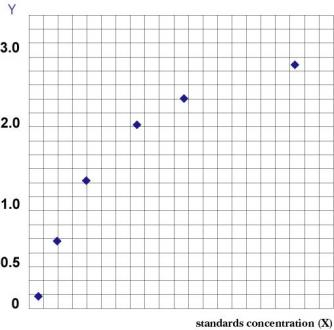
| Standard curve concentrations (S0–S5) | 0, 30, 60, 120, 240, 480 pg/mL |
| Quantitative range | 1.0 – 480 pg/mL |
| Analytical sensitivity | < 1.0 pg/mL |
| Accuracy (linearity) | R ≥ 0.9900 for standard curve regression |
| Precision (repeatability) | Intra-assay CV < 15%; Inter-assay CV < 15% |
| Specificity | No cross-reactivity with other structural analogues |
| Shelf life | 6 months |
| Storage & transport | 2–8°C, protected from light and moisture |
Representative Standard Curve
Insert your standard curve image here. The curve should show a strong linear or 4-parameter logistic fit with R² ≥ 0.99.
Kit Components
96-Well Format
| Component | Quantity | Notes |
|---|---|---|
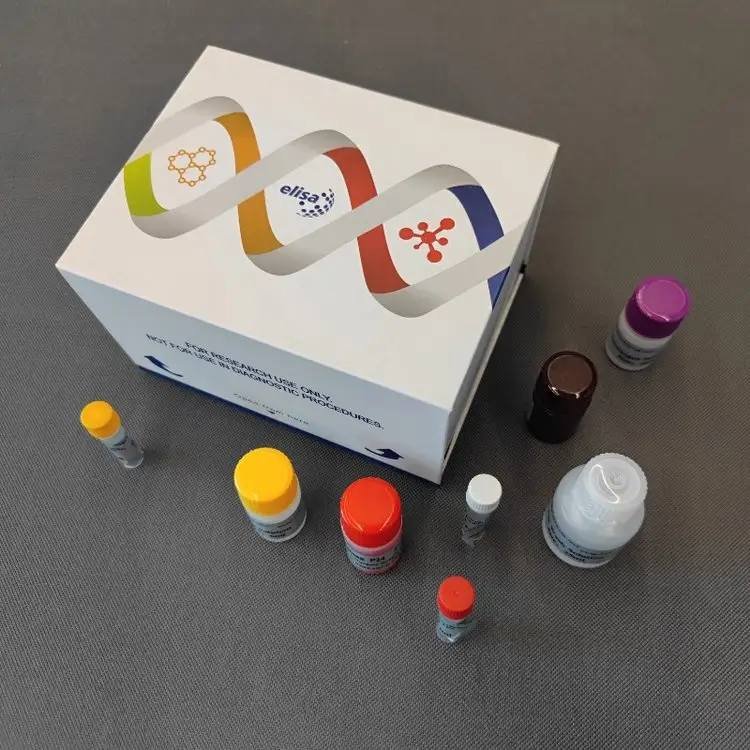
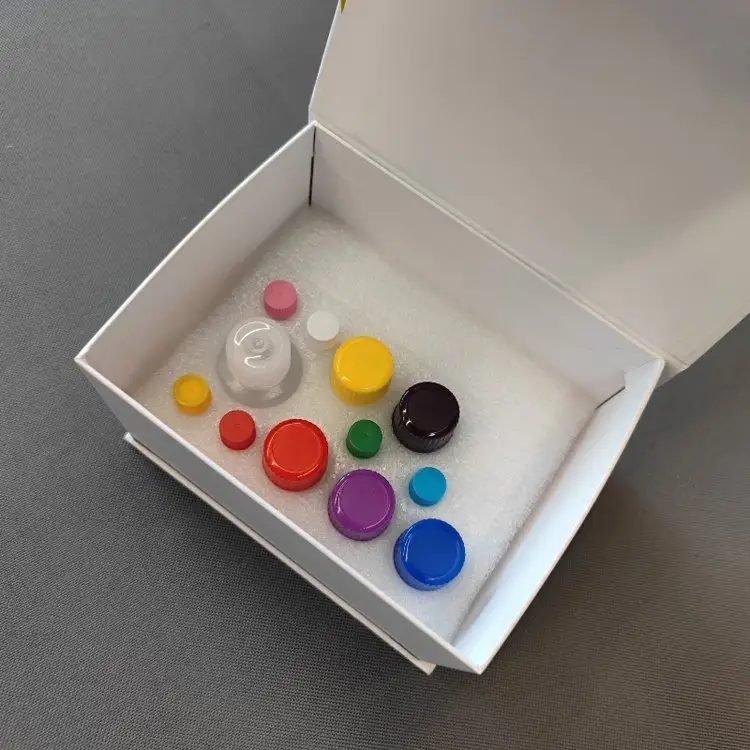
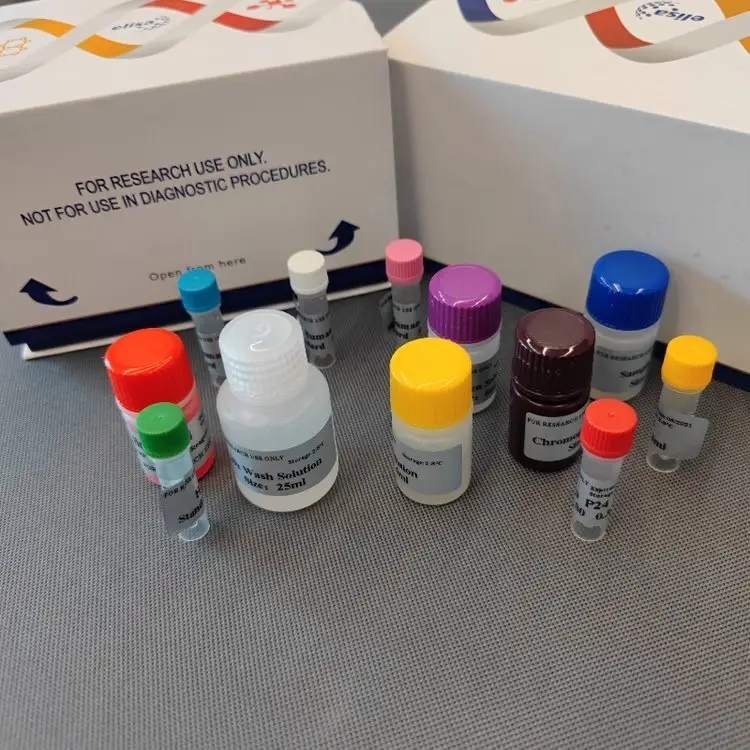
| Microelisa stripplate | 12 strips × 8 wells | Pre-coated, removable strips |
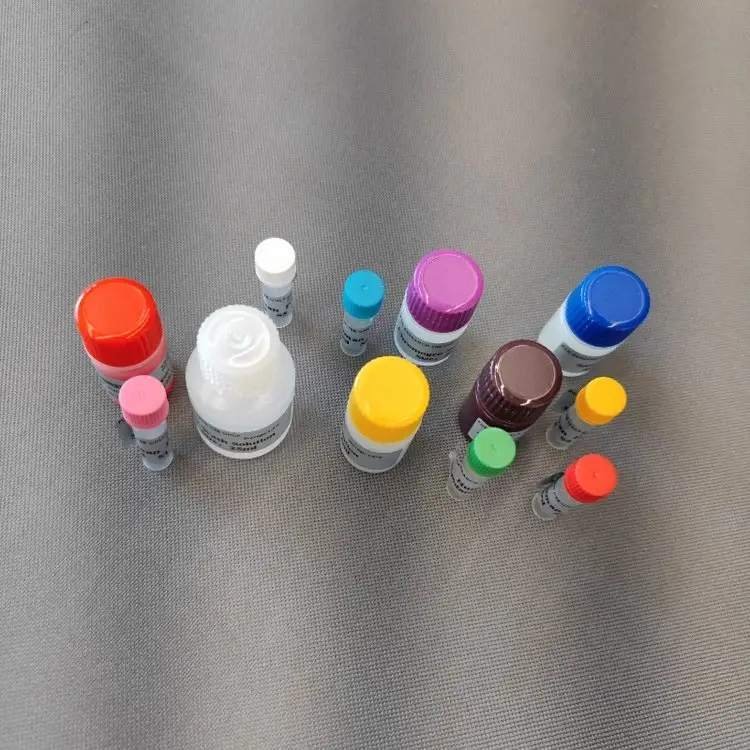
| Standard (0.3 mL/vial) | 6 vials | Ready-to-use liquid, 0–480 pg/mL |
| Sample Diluent | 6 mL | – |
| Detection Antibody-HRP | 10 mL | Ready-to-use |
| 20× Wash Buffer | 25 mL | Dilute to 1× before use |
| Substrate A | 6 mL | – |
| Substrate B | 6 mL | – |
| Stop Solution | 6 mL | – |
| Plate Sealers | 2 sheets | – |
| Instruction Manual | 1 copy | – |
| Self-sealing Bag | 1 piece | For unused strip storage |
48-Well Format
| Component | Quantity | Notes |
|---|---|---|
| Microelisa stripplate | 12 strips × 4 wells | Pre-coated, removable strips |
| Standard (0.3 mL/vial) | 6 vials | Ready-to-use liquid, 0–480 pg/mL |
| Sample Diluent | 3 mL | – |
| Detection Antibody-HRP | 5 mL | Ready-to-use |
| 20× Wash Buffer | 15 mL | Dilute to 1× before use |
| Substrate A | 3 mL | – |
| Substrate B | 3 mL | – |
| Stop Solution | 3 mL | – |
| Plate Sealers | 2 sheets | – |
| Instruction Manual | 1 copy | – |
| Self-sealing Bag | 1 piece | For unused strip storage |
Assay Procedure Summary
- Equilibrate: Bring the foil pouch to room temperature for 20 min. Remove the required strips and reseal the unused portion in the provided bag; store at 4°C.
- Add Standards & Samples:
- Standard wells: Add 50 µL of each standard.
- Sample wells: Add 10 µL of sample followed by 40 µL of Sample Diluent.
- Blank well: Leave empty.
- Add Detection Antibody: Dispense 100 µL of HRP-conjugated detection antibody into each well (except blank). Cover with a plate sealer and incubate at 37°C for 60 min.
- Wash: Aspirate the liquid, blot the plate on absorbent paper, and fill each well with 1× Wash Buffer. Let stand for 1 min, then discard. Repeat for a total of 5 washes (an automated plate washer may be used).
- Substrate Reaction: Add 50 µL of Substrate A and 50 µL of Substrate B to each well. Incubate at 37°C in the dark for 15 min.
- Stop & Read: Add 50 µL of Stop Solution to each well. Read the optical density at 450 nm within 15 min.
Total hands-on time: approximately 2 hours.
Materials required but not supplied:
- Microplate reader capable of measuring absorbance at 450 nm
- 37°C incubator or water bath
- Deionized or distilled water (for wash buffer dilution)
- Single- and multi-channel pipettes with tips
- Absorbent paper, reagent reservoirs, and general laboratory consumables
Throughput
| Format | Max. number of samples (single wells) | Includes |
|---|---|---|
| 48-well | 39–40 samples | 6 standard wells + 1–2 blank wells |
| 96-well | 85–88 samples | 6 standard wells + 1–2 blank wells |
If running duplicates, divide the sample number accordingly.
Related ELISA Kits
- High molecular weight adiponectin (HMWADPN) ELISA Kit – Quantitative determination of Human Adiponectin (ADPN) concentration in serum, plasma, cell culture supernatants, and tissue homogenates.
- Horse Interleukin‑1 Beta (IL‑1β) ELISA Kit – a master mediator of equine acute laminitis and osteoarthritis.
- Human 2,3-Disphosphoglycerate (2,3-DPG) ELISA Kit – Essential for research in blood physiology, transfusion medicine, and metabolic disorders, our kit delivers unmatched reliability.
- Mouse Interleukin 6 (IL-6) ELISA Kit – High-Sensitivity Sandwich Assay for Inflammation Research
Frequently Asked Questions
Q: How should tissue homogenates be prepared?
A: Homogenize tissue in ice-cold PBS (supplemented with protease inhibitors if desired). Centrifuge at 10,000 × g for 10 minutes at 4°C and collect the supernatant. Perform a pilot dilution experiment to ensure readings fall within the standard curve. Avoid repeated freeze-thaw cycles.
Q: What if my sample reads above the highest standard?
A: Dilute the sample further with the provided Sample Diluent, re-assay, and multiply the result by the dilution factor.
Q: Can this kit be used with equine cerebrospinal fluid or synovial fluid?
A: These sample types have not been internally validated. We recommend performing a spike-recovery and linearity experiment in your matrix of interest to verify compatibility.
Q: Are reagents from different kit lots interchangeable?
A: No. The components within each kit lot are calibrated as a set. Do not mix reagents from different lots or kits.
Ordering Information
| Item | Details |
|---|---|
| Catalog Number | Yanda-Horse-IL-6 |
| Formats | 48-well / 96-well |
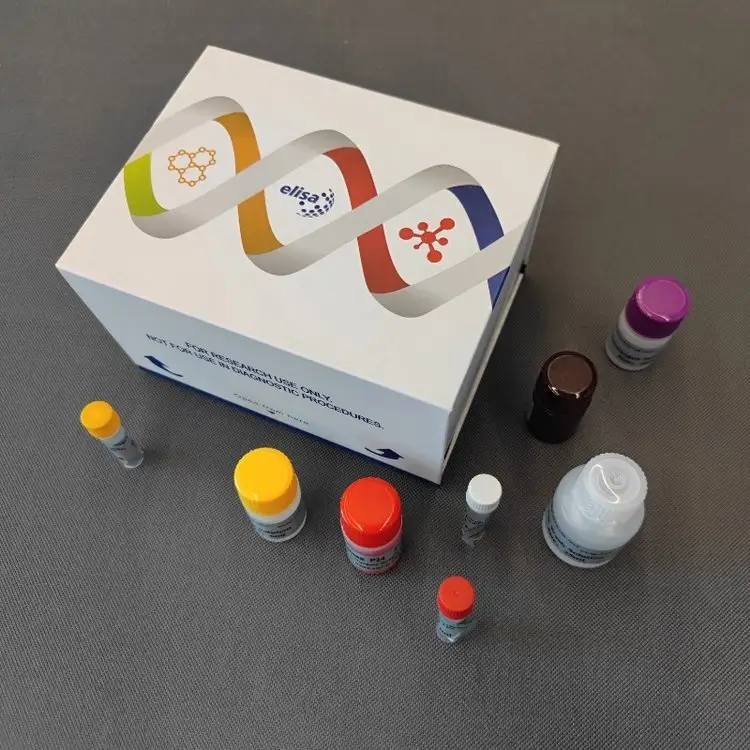
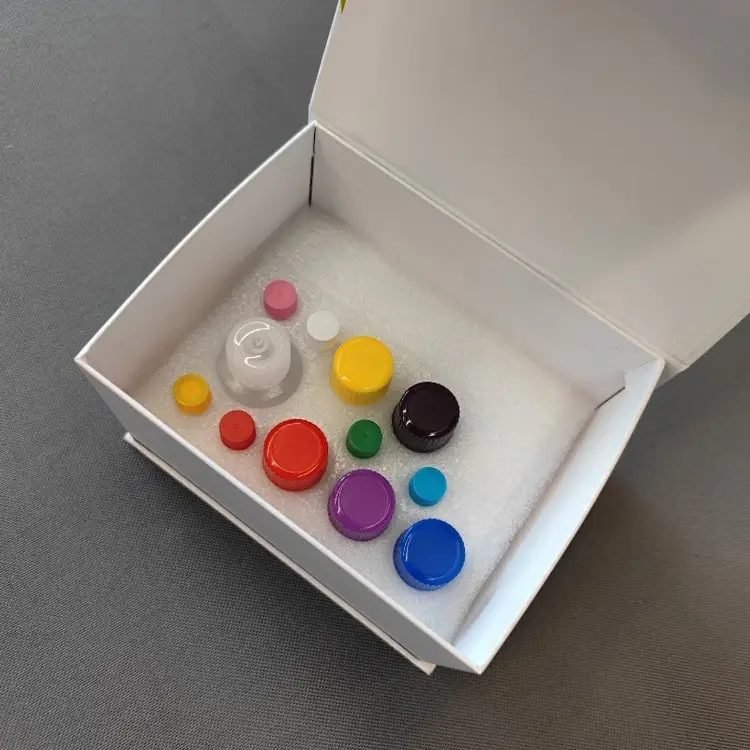
| Package dimensions | 16 cm × 12.5 cm × 9.5 cm (neutral white box) |
| Shipping & Storage | 2–8°C, protected from light and moisture |
| Shelf Life | 6 months |
| Intended Use | Research Use Only |
To place an order or request a quotation, please contact our sales team at [insert email or contact form link].
Technical Documents & Support
- Instruction Manual – Available upon request or downloadable [insert link].
- MSDS – Provided with shipment or on request.
- Technical Support – For protocol assistance or troubleshooting, reach out to [insert email/phone].
Disclaimer
This product is intended for laboratory research purposes only and is not approved for clinical diagnosis, treatment, or prognosis. The user assumes full responsibility for validating performance in their own sample matrix. Yanda shall not be liable for any indirect or consequential damages arising from use of this product.