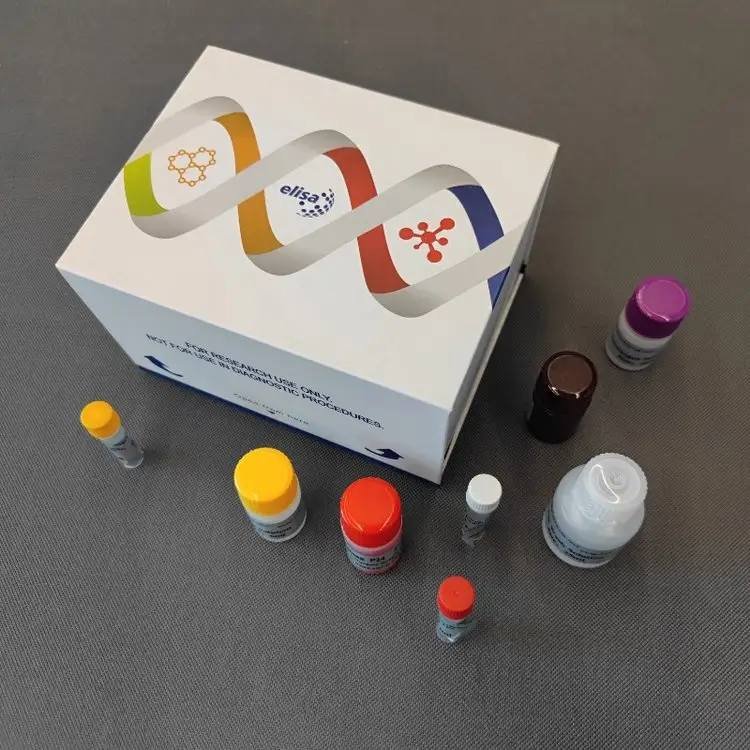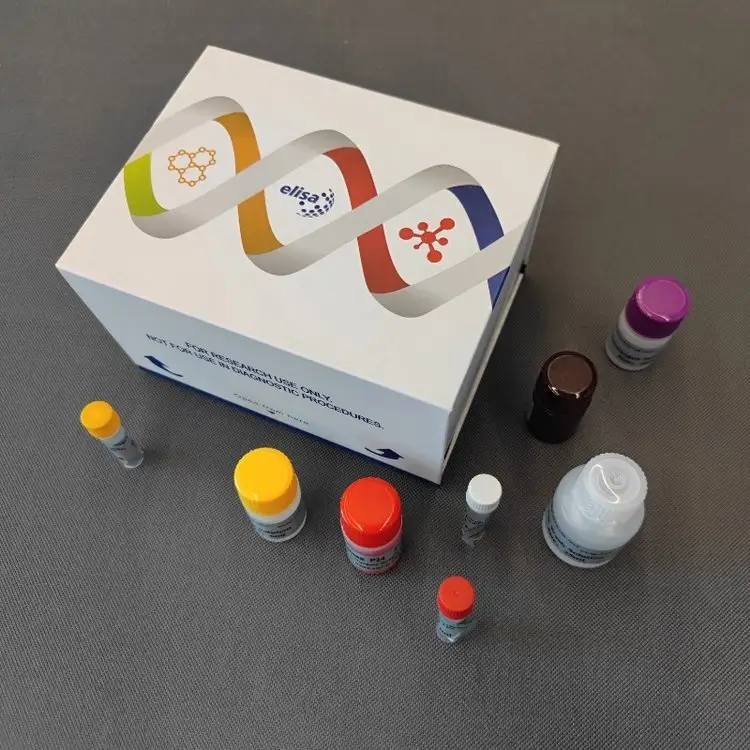

Yanda Bio offers a sensitive, one-step Horse PTH ELISA kit designed for the accurate quantification of equine parathyroid hormone (PTH, also known as parathormone) in serum, plasma, cell culture supernatant, and tissue homogenates. As a professional manufacturer with a product line of over 6,000 validated ELISA targets—spanning human, mouse, rat, horse, rabbit, canine, bovine, chicken, duck, sheep, monkey, fish, insect, plant, and microbial species—we support more than 60 universities and research institutes across China. Enjoy free shipping when you order any 3 kits, and take advantage of our complimentary elisa testing service: our experienced laboratory team will run the assay on your samples, provide a complete video recording of the procedure, and deliver all raw data at no extra cost. We also provide immunogenicity elisa testing services for preclinical drug development. For studies requiring ultra‑low detection, ask about our NHS‑biotin‑amplified ELISA format. This kit is validated for equine samples exclusively and must not be used with human specimens.
Key Features
- Detects Total Equine PTH: Utilizes antibodies targeting a common epitope to measure total PTH immunoreactivity across intact hormone and relevant fragments.
- High Sensitivity for Low-Abundance Analytes: Minimum detectable concentration < 1.0 pg/mL; quantitative range 1.0 – 120 pg/mL.
- Validated Sample Types: Compatible with horse serum, EDTA/citrate/heparin plasma, cell culture supernatant, and tissue homogenates.
- Streamlined One-Step Protocol: Samples and HRP-detection antibody are added together in a single incubation; total assay time approximately 2 hours.
- Built-in 5× Sample Dilution: The protocol automatically dilutes samples 5-fold in the well — simply multiply the interpolated concentration by 5 to obtain the actual sample value.
- Ready-to-Use Liquid Standards: Six calibrated standards (0–120 pg/mL) supplied as liquids, eliminating reconstitution and serial dilution steps.
- Solid Assay Performance: Intra- and inter-assay CV < 15%; standard curve linearity R ≥ 0.9900.
- Specificity: No cross-reactivity with other soluble structural analogues.
- Convenient & Scalable: Removable 8-well strips; available in 48-well and 96-well formats.
- Storage & Stability: 6-month shelf life when stored at 2–8°C and protected from light and moisture.
Product Description
Parathyroid hormone (PTH) is an 84-amino acid polypeptide that acts as the principal regulator of calcium and phosphate homeostasis. In equine research, PTH is a key biomarker for investigating calcium metabolism, bone turnover, renal disease, nutritional secondary hyperparathyroidism, and endocrine disorders. Accurate and sensitive measurement of equine PTH is essential for understanding mineral balance and skeletal health in horses.
The Yanda-Horse-PTH ELISA Kit employs a one-step double-antibody sandwich ELISA principle. A capture antibody pre-coated onto the microplate binds PTH via a conserved epitope, allowing total PTH detection. Samples and standards are incubated simultaneously with an HRP-labeled detection antibody. Following a thorough wash step, TMB substrate generates a colorimetric signal proportional to the PTH concentration, measured at 450 nm. Results are calculated from the standard curve.
This kit is designed exclusively for research applications and is not intended for clinical diagnostic use.
Validated Sample Types & Preparation
| Sample Type | Preparation & Handling |
|---|---|
| Serum | Collect blood without anticoagulant; allow to clot. Centrifuge at 3000 rpm for 10 min and separate serum promptly. |
| Plasma | Use EDTA, citrate, or heparin as anticoagulant. Centrifuge at 3000 rpm for 30 min; collect supernatant. |
| Cell Culture Supernatant | Centrifuge at 3000 rpm for 10 min to remove cells and debris. |
| Tissue Homogenate | Homogenize tissue in normal saline (kept cold). Centrifuge at 3000 rpm for 10 min; use supernatant. |
Sample Storage: If not assayed immediately, aliquot and store at -20°C. Avoid repeated freeze-thaw cycles. Thaw samples completely at room temperature and mix gently prior to use.To ensure the performance of the kit, please contact a professional exporter of ELISA kits.
⚠️ Critical Dilution Factor: The assay incorporates a 5-fold in-well dilution (10 µL sample + 40 µL Sample Diluent). The concentration interpolated from the standard curve reflects the diluted sample. Multiply the obtained value by 5 to determine the actual concentration in the original specimen. The S0 standard (0 pg/mL) serves as the blank/negative control.
Technical Specifications
| Parameter | Specification |
|---|---|
| Standard Concentrations (S0–S5) | 0, 7.5, 15, 30, 60, 120 pg/mL |
| Quantitative Range | 1.0 – 120 pg/mL |
| Analytical Sensitivity | < 1.0 pg/mL |
| Accuracy (Linearity) | Standard curve R ≥ 0.9900 |
| Precision (Repeatability) | Intra-assay CV < 15%; Inter-assay CV < 15% |
| Specificity | Detects total equine PTH via common epitope; no cross-reactivity with other soluble structural analogues |
| Sample Dilution Factor | 5× (performed automatically in the well) |
| Shelf Life | 6 months |
| Storage & Transport | 2–8°C, protected from light and moisture; cold-chain shipping |
Representative Standard Curve
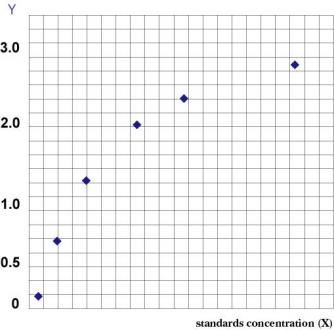
Representative data are available in the product instruction manual. Please contact technical support for detailed performance profiles, including dilution linearity and spike-recovery characteristics in equine matrices.
Kit Components
96-Well Format
| Component | Quantity | Notes |
|---|---|---|
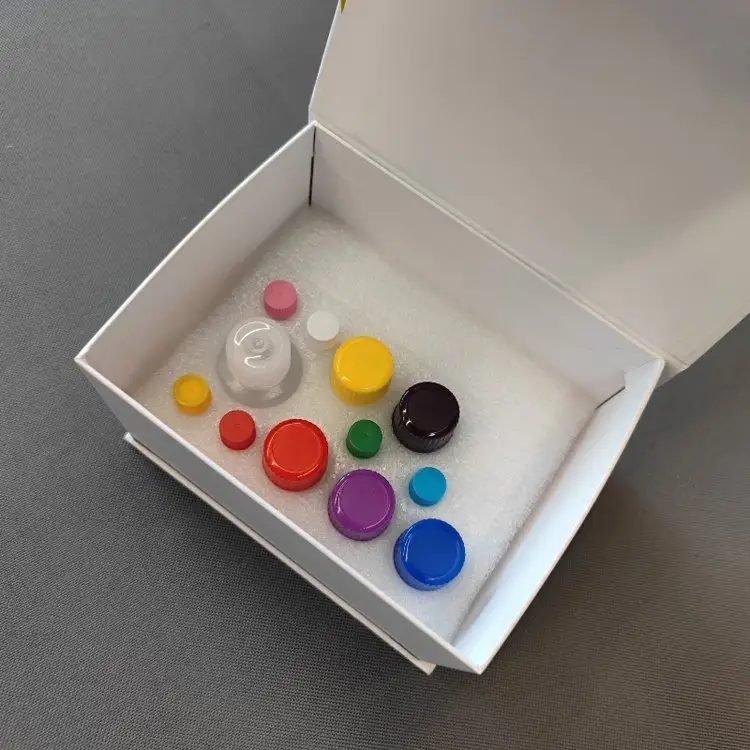
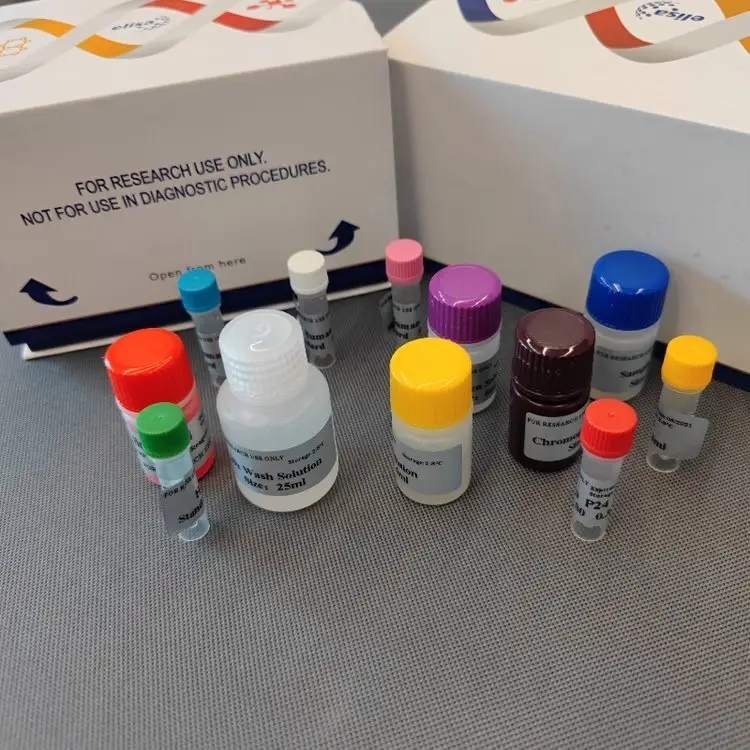
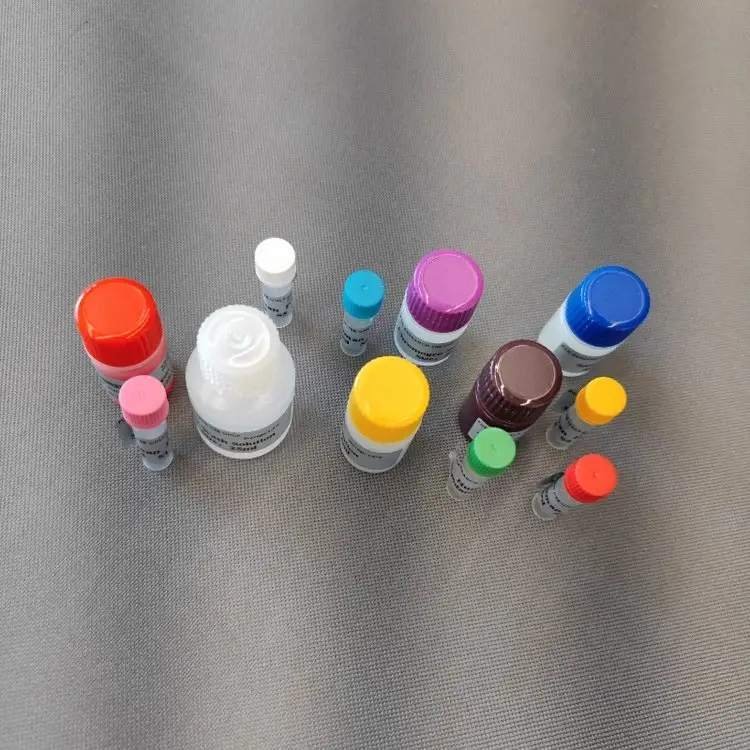
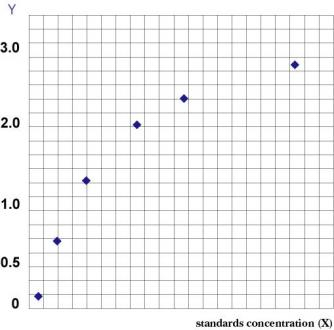
| Microelisa Stripplate | 12 strips × 8 wells | Pre-coated with anti-equine PTH antibody; removable |
| Standard (0.3 mL/vial) | 6 vials | Liquid, ready-to-use; 0–120 pg/mL |
| Sample Diluent | 6 mL | – |
| HRP-Conjugated Detection Antibody | 10 mL | Ready-to-use |
| 20× Wash Buffer | 25 mL | Dilute to 1× with distilled water before use |
| Substrate A | 6 mL | – |
| Substrate B | 6 mL | – |
| Stop Solution | 6 mL | – |
| Plate Sealers | 2 sheets | – |
| Instruction Manual | 1 copy | – |
| Self-sealing Bag | 1 piece | For storing unused strips |
48-Well Format
| Component | Quantity | Notes |
|---|---|---|
| Microelisa Stripplate | 12 strips × 4 wells | Pre-coated, removable |
| Standard (0.3 mL/vial) | 6 vials | Liquid, ready-to-use |
| Sample Diluent | 3 mL | – |
| HRP-Conjugated Detection Antibody | 5 mL | Ready-to-use |
| 20× Wash Buffer | 15 mL | Dilute to 1× |
| Substrate A | 3 mL | – |
| Substrate B | 3 mL | – |
| Stop Solution | 3 mL | – |
| Plate Sealers | 2 sheets | – |
| Instruction Manual | 1 copy | – |
| Self-sealing Bag | 1 piece | – |
Note: The 20× Wash Buffer may form crystals at refrigerated temperatures. This is normal. Warm in a water bath until crystals dissolve completely before preparing the 1× working solution.
Assay Procedure Summary
- Equilibrate: Warm the sealed foil pouch to room temperature for 20 minutes. Remove the required number of strips; reseal unused strips in the self-sealing bag and store at 4°C.
- Add Standards & Samples:
- Standard wells: 50 µL of each standard.
- Sample wells: 10 µL of sample + 40 µL of Sample Diluent.
- Blank well(s): Leave empty.
- Add Detection Antibody: Add 100 µL of HRP-conjugated detection antibody to all standard and sample wells (not blank). Cover with plate sealer, incubate at 37°C for 60 minutes.
- Wash: Aspirate the liquid and blot on absorbent paper. Fill each well completely with 1× Wash Buffer, let stand for 1 minute, then discard. Repeat for a total of 5 washes. An automated plate washer may be used (350 µL/well, 1-minute soak, 5 cycles).
- Substrate Reaction: Add 50 µL each of Substrate A and Substrate B to all wells. Incubate at 37°C in the dark for 15 minutes.
- Stop & Read: Add 50 µL of Stop Solution to each well. Measure absorbance at 450 nm within 15 minutes.
Total hands-on time: Approximately 2 hours.
Materials Required but Not Supplied:
- Microplate reader (450 nm)
- High-precision pipettes and tips (0.5–10 µL, 2–20 µL, 20–200 µL, 200–1000 µL)
- 37°C incubator or water bath
- Distilled or deionized water
- Absorbent paper, wash bottle or automated plate washer
Throughput
| Format | Maximum Number of Samples (Single Wells) |
|---|---|
| 48-well | 39–40 samples |
| 96-well | 85–88 samples |
Calculation includes 6 standard wells and 1–2 blank wells. For duplicate measurements, divide the sample number accordingly.
Sample Collection & Preparation
Proper sample handling is essential for reliable PTH measurement.
- Serum: Collect blood in endotoxin‑ and pyrogen‑free tubes, allow to clot, and centrifuge at 3000 rpm for 10 min. Separate serum promptly.At this point, it is important to select the appropriate cell lysis solution. If you are unsure, you can consult us.<How Cell Lysis Buffers Impact Your ELISA Results (And How to Avoid Costly Mistakes)>
- Plasma: Use EDTA, citrate, or heparin as anticoagulant. Centrifuge at 3000 rpm for 30 min and collect the supernatant.
- Cell Culture Supernatant: Centrifuge at 3000 rpm for 10 min to remove particulates.
- Tissue Homogenate: Homogenize equine tissue (e.g., parathyroid, bone) in normal saline, spin at 3000 rpm for 10 min, and retain the supernatant.
- Storage: If not assayed immediately, aliquot and store at -20°C. Avoid repeated freeze‑thaw cycles. Thaw completely at room temperature and mix gently before use.
Crucial species limitation: This equine PTH ELISA has been validated exclusively for horse samples. It must not be applied to human specimens, as the antibodies and standard curve are optimized for equine PTH and will not provide accurate data on human material. Any use with human samples is outside the intended research purpose and may lead to invalid results.
Related Equine Calcium & Bone Metabolism ELISA Kits
To build a comprehensive picture of calcium homeostasis and skeletal remodeling in the horse, pair this horse PTH ELISA kit with the following assays:
- Horse Interleukin-8(IL-8) ELISA Kit – For quantitative measurement of interleukin-6 in equine serum, plasma, cell culture supernatant, and tissue homogenates.
- Horse IL-6 ELISA Kit – For quantitative measurement of interleukin-6 in equine serum, plasma, cell culture supernatant, and tissue homogenates.
- Horse Calcitonin (CT) ELISA Kit – Equine Calcitonin Quantitative Immunoassay for Calcium-Phosphorus Metabolism
Explore our wider equine portfolio for vitamin D metabolites, bone‑specific alkaline phosphatase, and other metabolic markers.
Frequently Asked Questions
Q: Why must I multiply the result by 5?
A: The assay protocol adds 10 µL of neat sample and 40 µL of Sample Diluent to each well, creating an automatic 1:5 dilution. The standard curve is constructed using this same dilution schema; therefore, the interpolated concentration corresponds to the diluted sample. Multiply by 5 to obtain the concentration in the undiluted specimen.
Q: How do I handle samples that read above 120 pg/mL after applying the 5× factor?
A: Pre-dilute the sample further with the provided Sample Diluent (e.g., an additional 1:2 or 1:5 dilution), re-assay, and multiply by both the 5× in-well dilution and the additional dilution factor.
Q: Can this kit be used to measure PTH in equine urine or cerebrospinal fluid?
A: These matrices have not been internally validated. If you wish to use them, we strongly recommend performing a spike-recovery and dilution linearity pilot study to verify acceptable performance.
Q: What should I do if the concentrated wash buffer contains crystals?
A: This is normal during cold storage. Warm the buffer in a water bath (≤37°C) with gentle agitation until the crystals completely dissolve, then dilute to 1× as directed.
Q: Does this kit distinguish between intact PTH and fragments?
A: No. The antibodies target a common epitope, measuring total PTH immunoreactivity, which may include both intact hormone and fragments containing the epitope. The data should be interpreted as total PTH levels.
Ordering Information
| Item | Details |
|---|---|
| Catalog Number | Yanda-Horse-PTH |
| Formats | 48-well / 96-well |
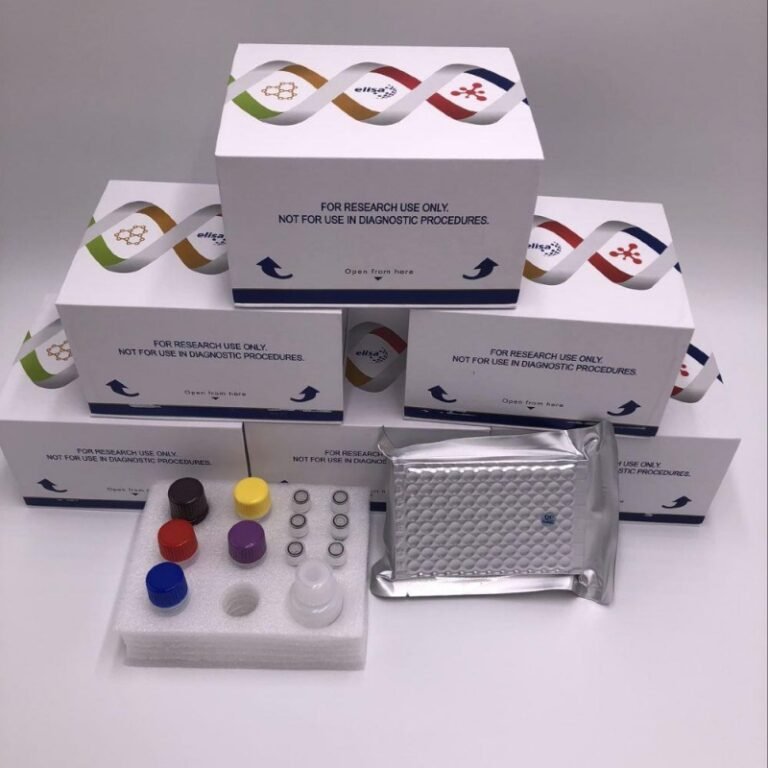
| Package Dimensions | 16 cm × 12.5 cm × 9.5 cm (neutral white box) |
| Shipping | Cold-chain transport (2–8°C), protected from light and moisture |
| Storage | 2–8°C; do not freeze |
| Shelf Life | 6 months |
| Intended Use | For research use only, not for diagnostic procedures |
For pricing, bulk orders, or availability, please contact our sales team.
Technical Documents & Support
- Instruction Manual – Downloadable [insert link] or available upon request.
- MSDS – Provided with shipment or on request.
- Technical Support – For protocol assistance, troubleshooting, or detailed performance data (including dilution linearity and spike-recovery in equine matrices), reach out to [insert email/phone].
Disclaimer
This product is intended for laboratory research use only and is not approved for use in clinical diagnosis, treatment, or prognosis of any disease in humans or animals. The manufacturer assumes no liability for any consequences arising from deviation from the recommended protocol or from unauthorized applications. Users are responsible for validating assay performance in their own laboratory and sample matrix.
Why Researchers Choose Yanda Bio
- Extensive catalog: Over 6,000 ELISA targets validated across human, equine, rodent, livestock, companion animal, aquatic, and plant species.
- Academic collaborations: Long‑standing partnerships with 60+ universities and research institutions in China, supporting both routine and custom ELISA development.
- Manufacturer‑direct benefits: Consistent lot‑to‑lot performance, competitive pricing, and responsive technical support.
- Free shipping: Order any 3 kits and enjoy complimentary delivery.
- Complimentary elisa testing service: We run the assay for you at no charge—full video recording and all data provided.
- High‑sensitivity options: Need to detect very low PTH concentrations? Inquire about our NHS‑biotin‑enhanced ELISA kits for improved signal amplification.
- Immunogenicity testing: Our immunogenicity elisa testing services support preclinical drug and vaccine evaluation with robust anti‑drug antibody assays.
Disclaimer: This kit is for research use only. It is not intended for clinical diagnosis or veterinary therapeutic decision‑making. This equine PTH ELISA kit is validated for equine samples exclusively and must not be used with human specimens. Follow the provided protocol precisely; any deviations are the responsibility of the experimenter. Yanda Bio assumes no liability for consequences arising from improper use.
Yanda Bio – Supplying high‑quality equine ELISA kits, plus expert elisa testing service and immunogenicity elisa testing services, to advance your endocrine and bone metabolism research with precision and convenience.