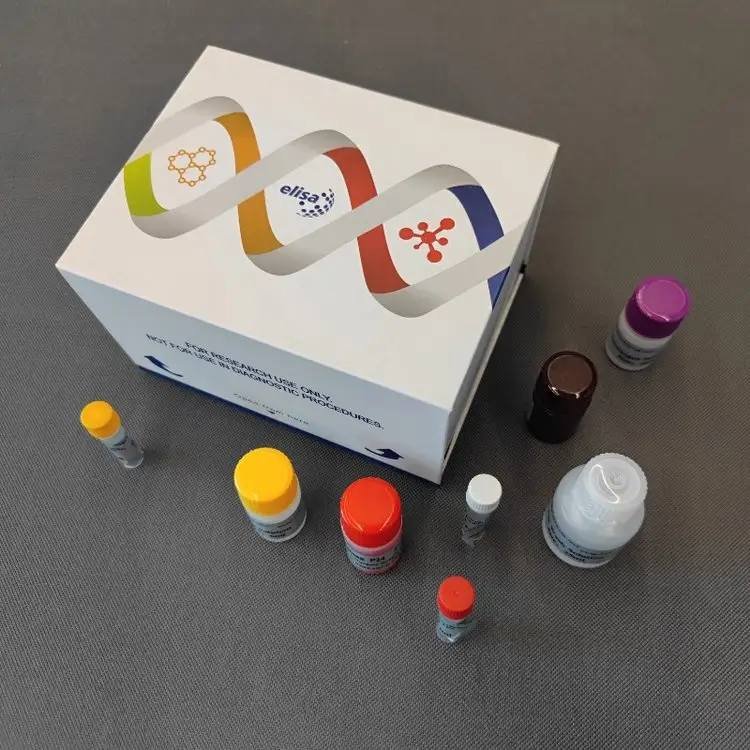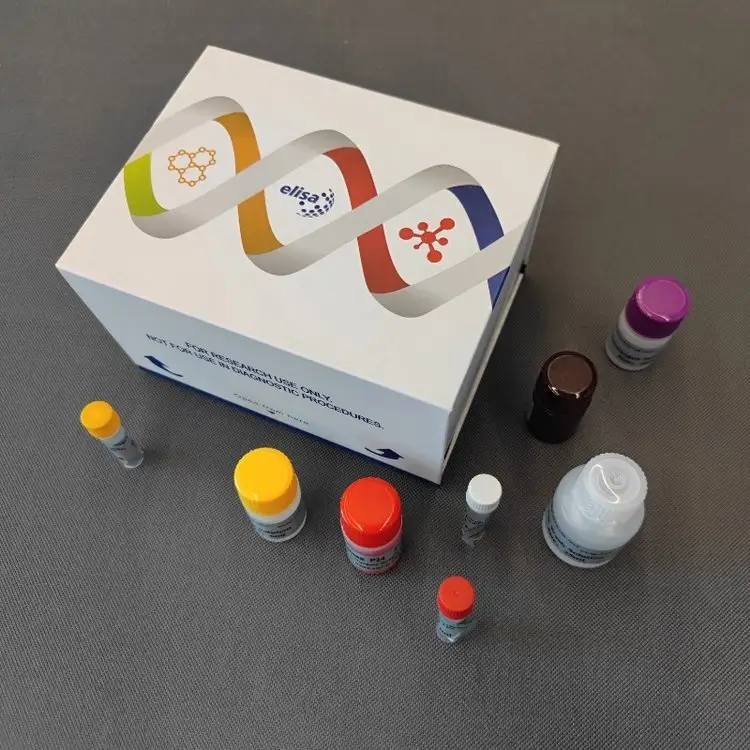

Human 1,3-Beta-D-glucan (BDG) ELISA Kit – Serological Detection of Invasive Fungal Infections
The Human 1,3-Beta-D-glucan (BDG) ELISA Kit is a highly sensitive serological assay for the quantitative measurement of 1,3-β-D-glucan, a characteristic cell wall component of pathogenic fungi including Candida and Aspergillus species. Because BDG is released into the bloodstream during fungal growth or cell wall damage and is not found in human cells, bacteria, or viruses, it serves as a specific pan‑fungal infection biomarker. The ELISA format offers standardized, high‑throughput detection suitable for screening large sample batches, delivering excellent sensitivity for early indication of invasive fungal disease. As a pan‑fungal marker, a positive result indicates a fungal infection but does not identify the causative species; clinicians and researchers should interpret results cautiously, as false‑positive elevations can occur due to certain medications, albumin infusions, hemodialysis, or use of glucan‑containing materials. Combining BDG measurement with clinical assessment and microbiological findings is essential for accurate interpretation. This kit is intended for research use in studies of fungal pathogenesis, antifungal efficacy, and biomarker evaluation.
Key Product Advantages & Features
- Ultra-High Sensitivity: Detect 1,3-β-DG at concentrations as low as < 0.1 pg/mL, enabling early and accurate biomarker identification.
- Excellent Specificity: Minimal cross-reactivity ensures accurate quantification without interference from structurally similar molecules.
- Rapid & Streamlined Protocol: The optimized one-step assay reduces total procedure time, increasing lab throughput and efficiency.
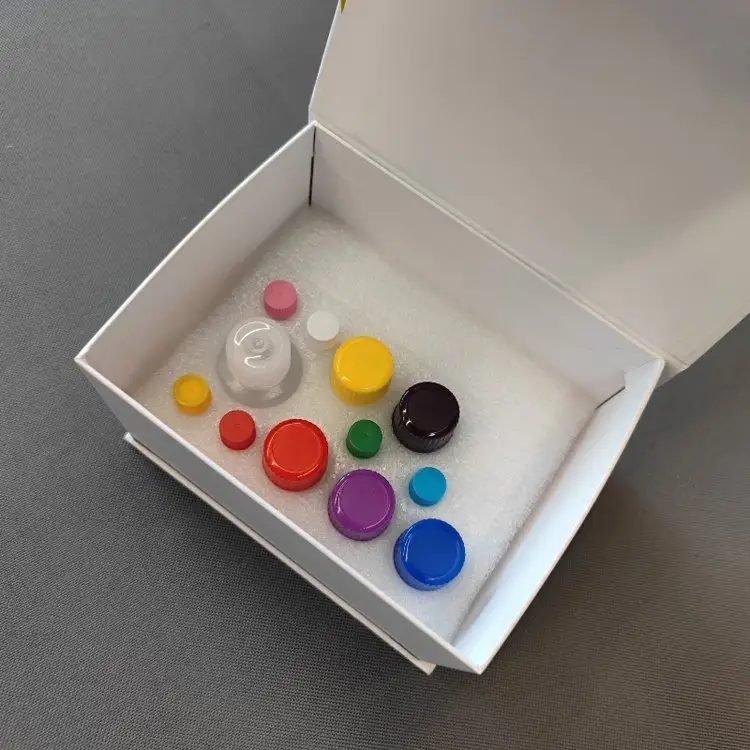
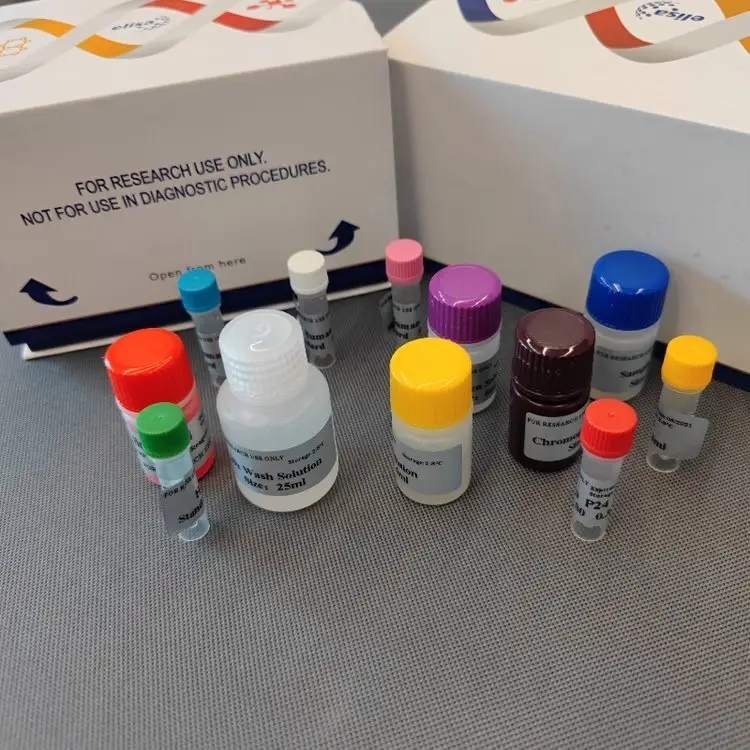
- Ready-to-Use Components: Includes all necessary reagents, pre-coated plates, and detailed protocols for immediate use.
- Cost-Effective Solution: Achieve premium performance without premium cost. Our Human ELISA test Kit is available for purchase online with bulk pricing starting below $100.
- Comprehensive Support: We offer custom ELISA kit development and a complimentary sample testing service to meet your unique research requirements.
Assay Principle: One-Step Sandwich ELISA
This kit utilizes a sensitive one-step sandwich enzyme-linked immunosorbent assay (ELISA):
- Capture: Microplate wells are pre-coated with an antibody specific to Human β-(1,3)-D-glucan (1,3-β-DG).
- Simultaneous Incubation: Samples or standards are added simultaneously with the Horseradish Peroxidase (HRP)-conjugated detection antibody. The target 1,3-β-DG is “sandwiched” between the two antibodies in a single incubation step.
- Signal Development: After washing to remove unbound material, a TMB substrate is added. The HRP enzyme catalyzes the conversion of TMB to a blue product.
- Quantification: The reaction is stopped with acid, changing the color to yellow. The absorbance (OD) at 450 nm is measured. The color intensity is directly proportional to the concentration of 1,3-β-DG in the sample.
Complete Kit Specifications & Contents
Performance Characteristics
| Parameter | Specification |
|---|---|
| Accuracy (Linearity) | R-value ≥ 0.9900 |
| Sensitivity | < 0.1 pg/mL |
| Detection Range | 0.1 – 12 pg/mL |
| Specificity | No significant cross-reactivity observed |
| Precision (CV) | Intra & Inter-assay CV < 15% |
| Storage | 2-8°C, protect from light & moisture |
| Shelf Life | 6 months |
Standard Curve Concentrations
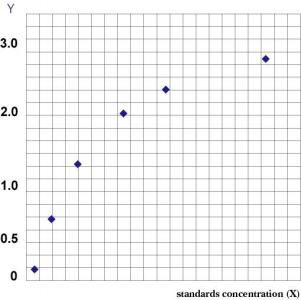
S0 to S5: 0, 0.75, 1.5, 3, 6, 12 pg/mL
Kit Components (96T / 48T Configurations)
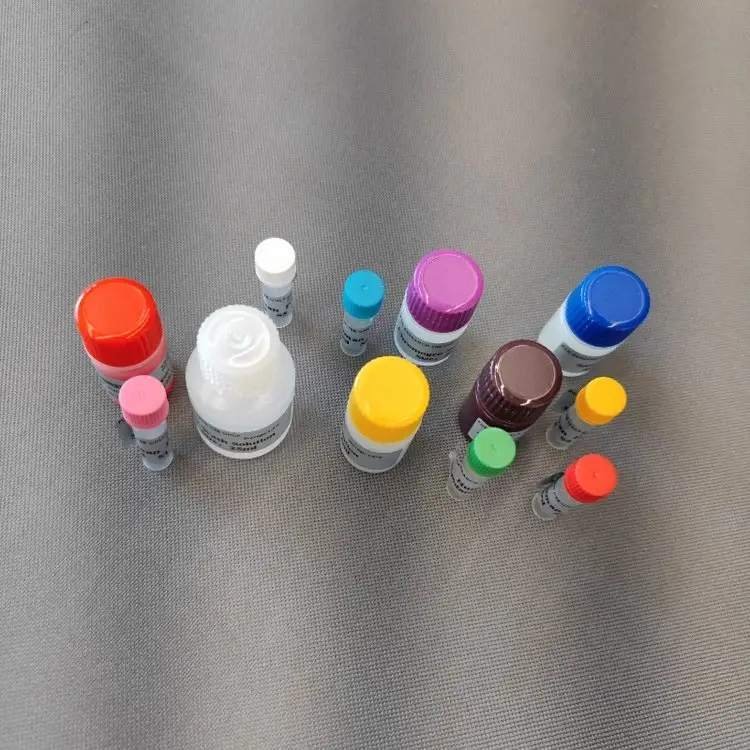
- Pre-coated Microplate (8 strips / 4 strips)
- Standards (0.3mL x 6 tubes)
- Sample Diluent (6mL / 3mL)
- Detection Antibody-HRP (10mL / 5mL)
- 20x Wash Buffer (25mL / 15mL)
- Substrate A & B (6mL each / 3mL each)
- Stop Solution (6mL / 3mL)
- Plate Sealers, Manual, Zipper Bag
Sample Collection & Preparation Guidelines
- Serum/Plasma: Collect using aseptic, pyrogen-free tubes. Centrifuge at 3000xg for 10-30 minutes to separate clear supernatant.
- Cell Culture Supernate: Centrifuge at 3000xg for 10 minutes to remove particulates.
- Storage: For delayed analysis, aliquot and store samples at -20°C. Avoid repeated freeze-thaw cycles. Thaw completely at room temperature and mix gently before use.
Essential Workflow Overview
- Reagent & Plate Prep: Bring all components to room temperature (20 min). Dilute the 20x Wash Buffer 1:20 with distilled water.
- Sample Dilution: Dilute samples 1:5 with Sample Diluent (10μL sample + 40μL diluent).
- Assay Incubation: Add standards or diluted samples to wells. Add HRP-conjugated Detection Antibody to all wells except blank. Incubate at 37°C for 60 minutes.
- Washing: Wash the plate 5 times with diluted wash buffer.
- Color Development: Add Substrate A and B (50μL each). Incubate at 37°C for 15 minutes in the dark.
- Stop & Read: Add Stop Solution (50μL). Measure absorbance at 450 nm within 15 minutes.
Note: The S0 standard serves as the zero/blank control. Multiply sample results by the dilution factor (5) to obtain the actual concentration.
Required Materials (Not Included)
- Microplate Reader (450 nm)
- Precision Pipettes and Tips (e.g., 10μL, 200μL, 1000μL)
- 37°C Incubator
- Deionized Water
Primary Research Applications
- Invasive Fungal Infection (IFI) Research: Quantitative detection of 1,3-β-DG as a serum biomarker for candidiasis, aspergillosis, etc.
- Immunology Studies: Investigate host-pathogen interactions and immune responses to fungal elements.
- Therapeutic Drug Monitoring: Assess treatment efficacy in antifungal therapy.
- Biomarker Validation: Support diagnostic assay development and validation studies.
Related Products
- Human 1-Methylnicotinamide (MNAM) ELISA Kit
- Human Dihydroxyvitamin(1α,25-(OH)2D3) ELISA Kit
- Human 2′,3′-cGAMP ELISA Kit – Precision Tool for Innate Immunity & Oncology Research
Ordering & Support Services
Option 1: Purchase Standard Kit
- Pricing: Contact for quote. Competitive bulk pricing under $100 for high-volume orders.
- Best For: Standard research applications requiring reliable, off-the-shelf performance.
Option 2: Custom Assay Development
- Service: Tailor the kit’s parameters, such as range, sensitivity, or sample type compatibility, for specialized projects.
Option 3: Free Sample Testing Service
- Service: Submit your samples. Our experts will perform the assay and provide a detailed report. Ideal for protocol validation.
Ready to enhance your fungal biomarker research? Contact us to buy this Human ELISA test Kit online, request a custom quote, or schedule your free sample test.
Frequently Asked Questions (FAQ)
Q: What makes this a “QuickDetect” kit?
A: The QuickDetect name highlights our optimized one-step protocol, which significantly reduces total hands-on and incubation time compared to traditional two-step ELISA formats, delivering faster results.
Q: Why is the sensitivity of <0.1 pg/mL important?
A: Extremely low levels of 1,3-β-D-glucan can be clinically significant. This high sensitivity allows for the earliest possible detection, which is critical for timely intervention in infection models.
Q: How do you maintain such low prices?
A: Our direct-to-researcher model and optimized manufacturing processes eliminate unnecessary markups, allowing us to offer high-quality Human ELISA test Kits for sale online at wholesale prices consistently under $100.
Q: Is this kit for diagnostic use?
A: No. This product is sold for Research Use Only (RUO). It is not intended for use in diagnostic procedures.
Disclaimer
- This kit is intended for research purposes only. It is not validated or approved for use in clinical, diagnostic, or therapeutic procedures involving humans.
- Users must adhere strictly to the provided instructions. The manufacturer is not liable for consequences arising from the misuse or modification of the prescribed protocol.