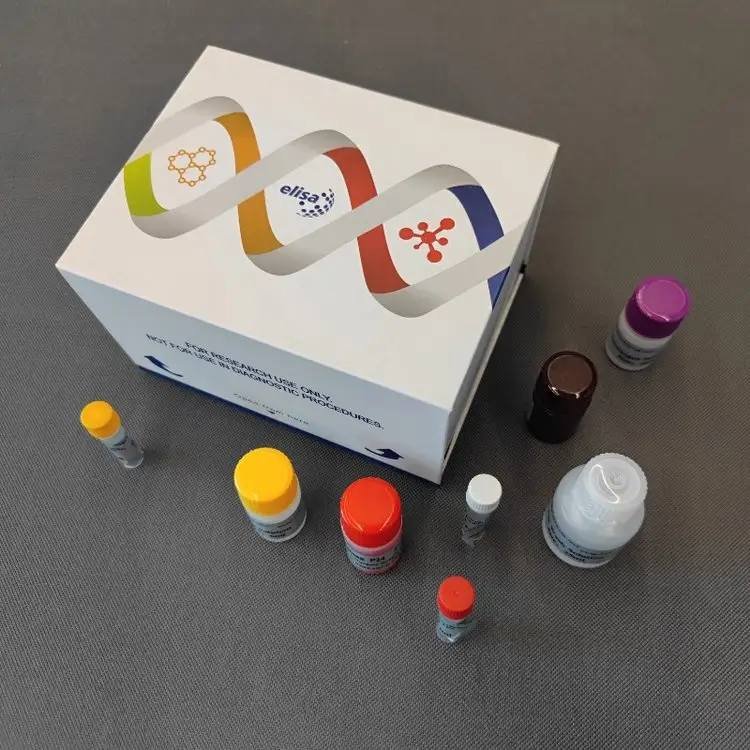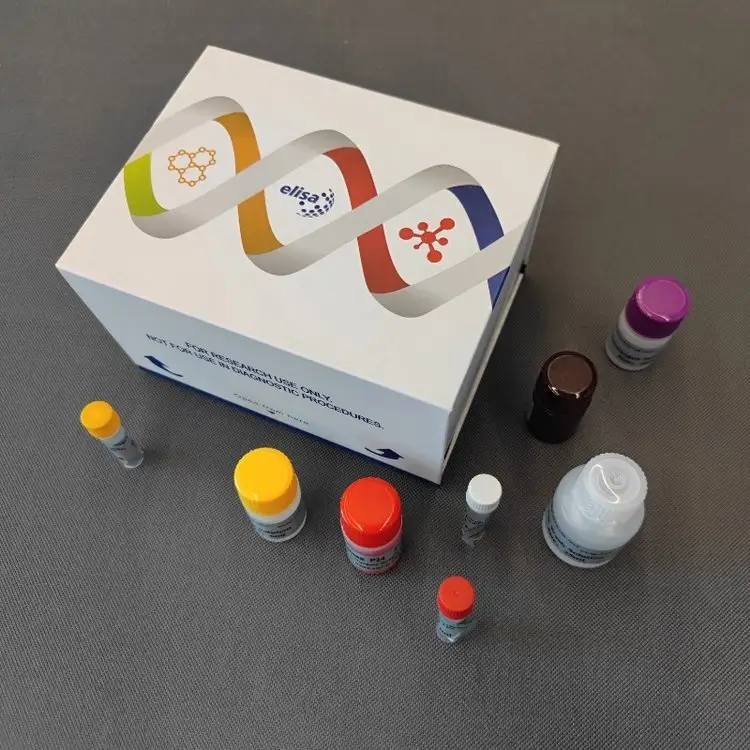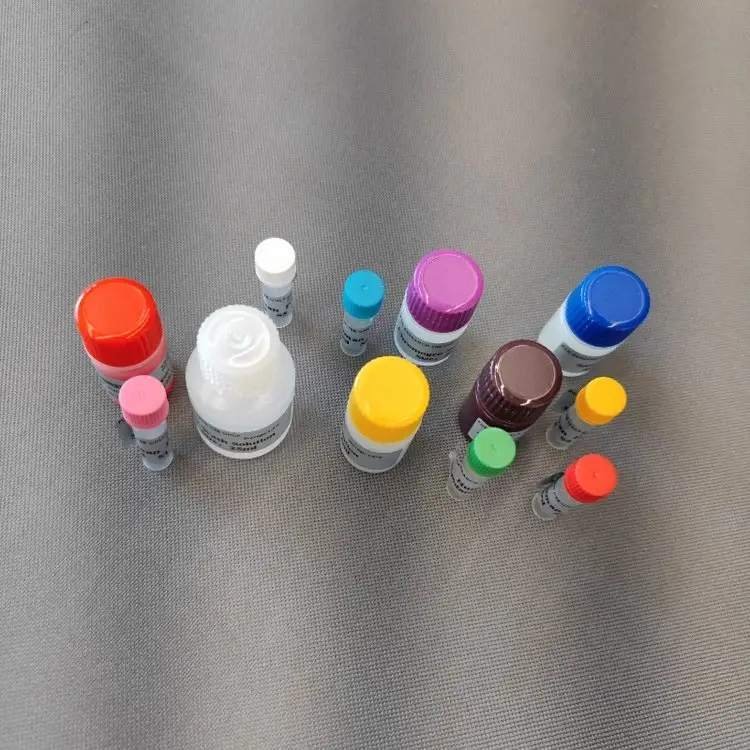

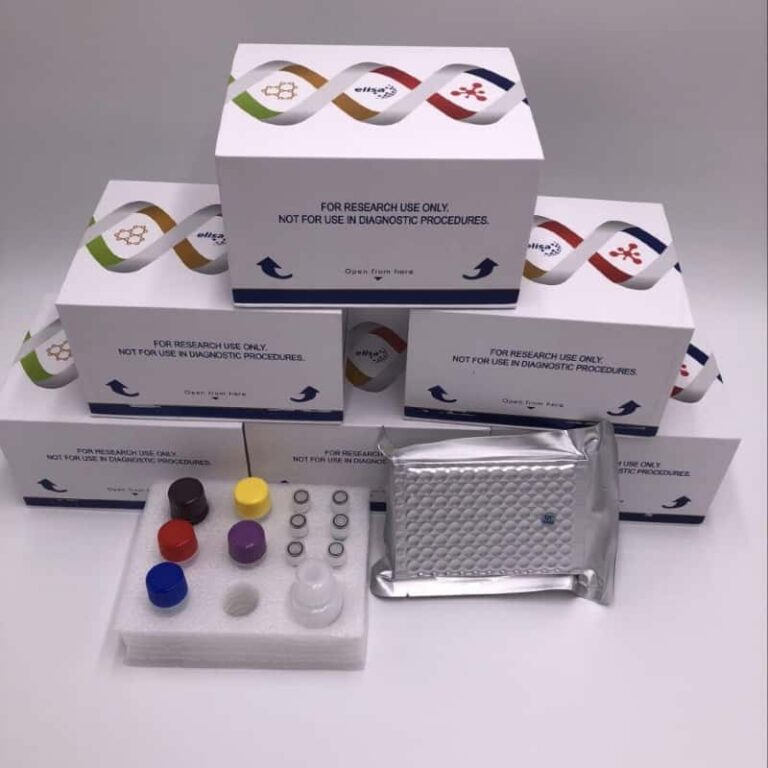
The Mouse Sphingosine-1-phosphate (S1P) ELISA Kit is designed for the precise, quantitative measurement of S1P concentrations in mouse serum, plasma, tissue homogenates, and other biological samples. By enabling accurate S1P detection, this assay helps reveal the essential roles of S1P in immune regulation, vascular homeostasis, and disease progression. It serves as a critical tool for investigating dynamic changes in the S1P/SphK signaling pathway under both physiological and pathological conditions.The Elisa kit has added NHS-biotin to enhance its sensitivity.
Key Features
- Direct Assay – No Lipid Extraction Required: Serum and plasma samples can be measured directly without organic solvent extraction or deproteinization, minimizing target loss and hands-on time.
- Plasma Strongly Recommended: Serum overestimates S1P due to platelet activation during clotting; plasma (EDTA, heparin, or citrate) provides more reliable baseline data.
- High Specificity for S1P: No significant cross-reactivity with structurally related sphingolipids, including sphingosine, lysophosphatidic acid (LPA), and ceramide-1-phosphate (C1P).
- Optimized for Mouse S1P Physiology: Quantitative range 1.0–800 nmol/L covers typical mouse plasma concentrations (100–800 nmol/L). A built-in 5× dilution keeps normal samples in the mid-range of the standard curve.
- Dedicated Stability Protocol: Includes mandatory use of phosphatase inhibitors to prevent ex vivo degradation; antioxidant (BHT) and protein stabilizer (BSA) recommended for tissue homogenates.
- Ready-to-Use Liquid Standards: Six concentrations (0, 50, 100, 200, 400, 800 nmol/L) supplied as liquids; recombinant standard produced in a eukaryotic expression system.
- One-Step Sandwich ELISA: Simultaneous incubation of sample and HRP-conjugated detection antibody; total assay time approximately 2 hours.
- Reliable Precision: Intra- and inter-assay CV < 10%; standard curve linearity R ≥ 0.9900.
- Export-Ready Packaging: Neutral white box (16 × 12.5 × 9.5 cm), cold-chain shipping (2–8°C), 6-month shelf life. MSDS and Certificate of Composition available upon request for customs clearance.
- Flexible Throughput: 48-well and 96-well removable strips; up to 88 samples per plate (single wells).
Product Description
Sphingosine-1-phosphate (S1P) is a bioactive sphingolipid metabolite that acts as a pleiotropic signaling molecule. It regulates lymphocyte egress, angiogenesis, endothelial barrier function, and inflammation. In mouse models, S1P is a critical biomarker and therapeutic target in cancer, cardiovascular disease, autoimmune disorders, and tissue injury.
The Yanda-MOUSE-S1P ELISA Kit uses a one-step double-antibody sandwich ELISA. A capture antibody specific for S1P is pre-coated on the microplate. Samples and standards are co-incubated with an HRP-labeled detection antibody. After washing, TMB substrate produces a colorimetric signal directly proportional to the S1P concentration, measured at 450 nm.
Important: This kit has been validated exclusively for mouse samples. It is not suitable for human or rat S1P detection. Please refer to the Manual for detailed performance data.
Sample Collection & Stability
Critical Pre-Analytical Considerations
S1P is highly susceptible to ex vivo degradation and artificial elevation. Strict adherence to the following guidelines is essential for accurate results.
Plasma vs. Serum
- Use plasma, not serum. During clotting, platelets release substantial amounts of S1P, causing serum levels to be approximately twice those of plasma. When lysing the cells, please choose the appropriate cell lysis solution.Plasma (EDTA, heparin, or citrate) yields a more accurate representation of circulating S1P.
- Anticoagulant consistency: While EDTA, heparin, and citrate are all compatible, we have not systematically compared their performance. To ensure data comparability, use the same anticoagulant consistently within a study.
Preventing S1P Degradation
- Phosphatase inhibitors must be added fresh to whole blood or plasma at the time of collection. Sodium orthovanadate or a commercial phosphatase inhibitor cocktail is recommended.
- Process blood immediately: Separate plasma by centrifugation (3000 rpm, 30 min for plasma) as soon as possible after collection. Delays may result in S1P breakdown.
- Aliquot and freeze at -20°C if not tested immediately. Avoid repeated freeze-thaw cycles. Thaw completely at room temperature and mix gently before use.
Tissue Homogenates
- Stabilizers: Homogenize tissue in ice-cold PBS or lysis buffer containing fresh phosphatase inhibitors, an antioxidant (e.g., BHT), and 0.1% BSA to prevent lipid oxidation and degradation.
- Centrifugation: Standard high-speed centrifugation (e.g., 5000 rpm, 10–15 min at 4°C) is sufficient to remove debris. For lipid-rich tissues (liver, adipose), slightly increased centrifugal force may be used to obtain a clear supernatant. Ultracentrifugation is generally not required unless severe turbidity persists.
Hemolysis & NaN3
- Avoid hemolysis: Erythrocytes contain HRP-like activity that causes non-specific background. If the sample mild hemolysis is present, centrifuge at 3000–5000 rpm for 10 min and include a sample blank (sample plus diluent without detection antibody) to subtract background. Severely hemolyzed samples should be re-collected.
- No sodium azide (NaN3) is permitted; it inhibits HRP and causes false negatives.
Critical Dilution Factor
The assay includes an automatic 5-fold dilution in the well (10 µL sample + 40 µL Sample Diluent). The concentration interpolated from the standard curve represents this diluted sample. Multiply the result by 5 to obtain the actual S1P concentration in the original specimen.
Normal plasma guidance: Typical mouse plasma S1P levels range from 100 to 800 nmol/L. After the 5× dilution, this becomes 20–160 nmol/L, which falls comfortably within the linear portion of the standard curve. For disease models where S1P may be elevated, perform a pilot dilution series to determine if additional pre-dilution is needed.
Technical Specifications
| Parameter | Specification |
|---|---|
| Standard Concentrations (S0–S5) | 0, 50, 100, 200, 400, 800 nmol/L |
| Quantitative Range | 1.0 – 800 nmol/L |
| Analytical Sensitivity | < 1.0 nmol/L |
| Accuracy (Linearity) | Standard curve R ≥ 0.9900 |
| Precision | Intra-assay CV < 8%; Inter-assay CV < 10% |
| Specificity | Highly specific for S1P. No significant cross-reactivity with sphingosine, lysophosphatidic acid (LPA), ceramide-1-phosphate (C1P), or other structural analogues. |
| Species Restriction | Validated exclusively for mouse samples; not recommended for human or rat use. |
| Sample Dilution Factor | 5× (in-well); additional pre-dilution may be required for high samples |
| Shelf Life | 6 months |
| Storage & Transport | 2–8°C, protected from light and moisture; cold-chain shipping |
Representative Standard Curve
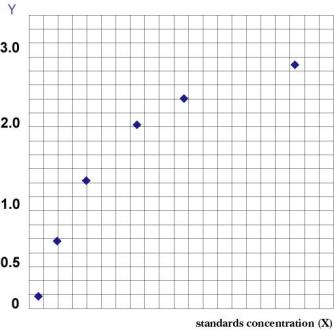
For spike-recovery, linearity-of-dilution, and other validation data, please refer to the product instruction manual or contact technical support.
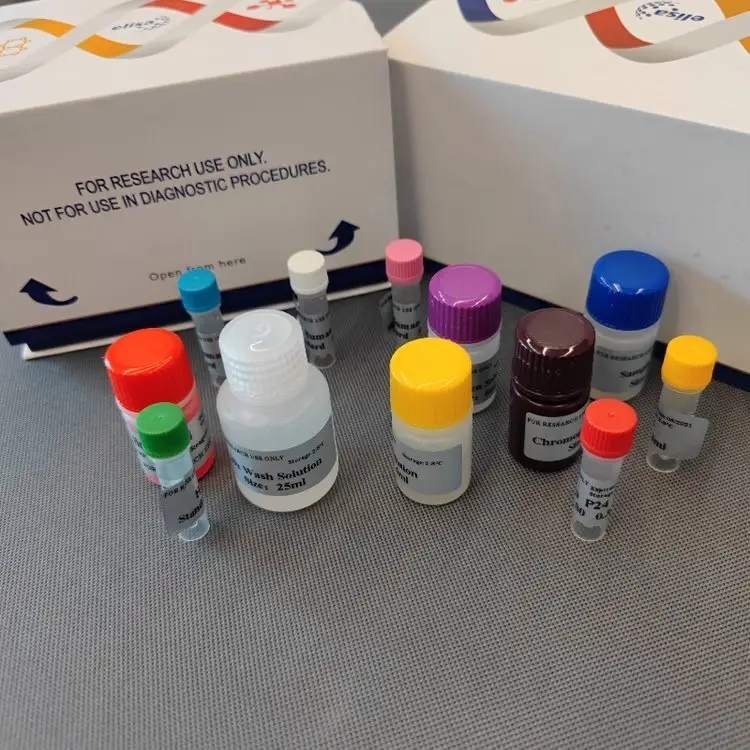
Kit Components
96-Well Format
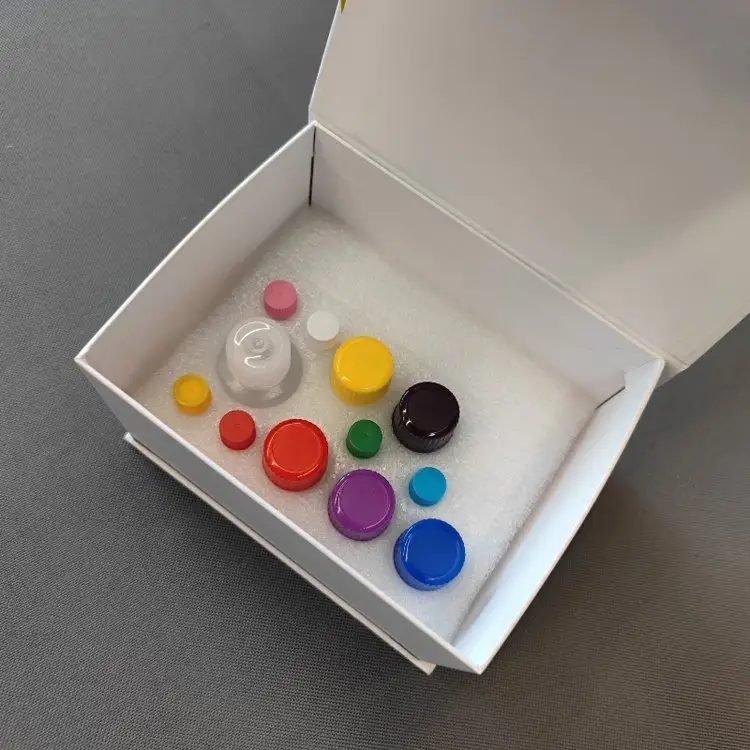
| Component | Quantity | Notes |
|---|---|---|
| Microelisa Stripplate | 12 strips × 8 wells | Pre-coated with anti-S1P antibody |
| Standard (0.3 mL/vial) | 6 vials | Ready-to-use liquid, 0–800 nmol/L |
| Sample Diluent | 6 mL | – |
| HRP-Conjugated Detection Antibody | 10 mL | Ready-to-use |
| 20× Wash Buffer | 25 mL | Dilute to 1× before use |
| Substrate A | 6 mL | – |
| Substrate B | 6 mL | – |
| Stop Solution | 6 mL | – |
| Plate Sealers | 2 sheets | – |
| Instruction Manual | 1 copy | – |
| Self-sealing Bag | 1 piece | For unused strip storage |
48-Well Format
| Component | Quantity | Notes |
|---|---|---|
| Microelisa Stripplate | 12 strips × 4 wells | Pre-coated, removable |
| Standard (0.3 mL/vial) | 6 vials | Ready-to-use liquid |
| Sample Diluent | 3 mL | – |
| HRP-Conjugated Detection Antibody | 5 mL | Ready-to-use |
| 20× Wash Buffer | 15 mL | Dilute to 1× |
| Substrate A | 3 mL | – |
| Substrate B | 3 mL | – |
| Stop Solution | 3 mL | – |
| Plate Sealers | 2 sheets | – |
| Instruction Manual | 1 copy | – |
| Self-sealing Bag | 1 piece | – |
Note: The 20× Wash Buffer may crystallize at 2–8°C; warm in a water bath until crystals dissolve completely before dilution.
Assay Procedure Summary
- Equilibrate: Allow the sealed foil pouch to reach room temperature for 20 min. Remove required strips; reseal unused strips and store at 4°C.
- Add Standards & Samples:
- Standard wells: 50 µL of each standard.
- Sample wells: 10 µL of sample + 40 µL of Sample Diluent.
- Blank well(s): Leave empty.
- Add Detection Antibody: Add 100 µL of HRP-conjugated detection antibody to all wells except blank. Cover with plate sealer and incubate at 37°C for 60 minutes.
- Wash: Aspirate and blot dry. Fill each well with 1× Wash Buffer, let stand for 1 min, then discard. Repeat for a total of 5 washes. (Automated: 350 µL/well, 1-min soak.)
- Substrate: Add 50 µL each of Substrate A and Substrate B. Incubate in the dark at 37°C for 15 minutes.
- Stop & Read: Add 50 µL Stop Solution. Measure absorbance at 450 nm within 15 minutes.
Total assay time: ~2 hours.
Materials Required but Not Supplied:
- Microplate reader (450 nm)
- Adjustable pipettes (0.5–1000 µL) and tips
- 37°C incubator or water bath
- Distilled/deionized water
- Absorbent paper, wash bottle or automated plate washer
- Phosphatase inhibitors, BHT, BSA (for tissue homogenates)
Throughput
| Format | Max. Number of Samples (Single Wells) |
|---|---|
| 48-well | 39–40 samples |
| 96-well | 85–88 samples |
Includes 6 standard wells and 1–2 blank wells. For duplicate measurements, divide the sample number accordingly.
Related Mouse ELISA Kit
Mouse Coagulation Factor VII (FVII) & Factor V (FV) ELISA Kits-For precise quantification of critical coagulation cascade proteins in mouse models
Mouse 5α-Reductase (5AR) ELISA Kit-Androgen Metabolism Marker
Mouse 2-AG ELISA Kit-For endocannabinoid research
Frequently Asked Questions
Q: Do I need to extract lipids with organic solvents before the assay?
A: No. The kit directly measures S1P in serum, plasma, or tissue homogenates without organic extraction or deproteinization. Only routine centrifugation is required.
Q: Should I use serum or plasma?
A: Plasma is strongly recommended. During clotting, platelets release S1P, artificially doubling the serum concentration compared to plasma. Use EDTA, heparin, or citrate plasma; keep the anticoagulant consistent within a study.
Q: How do I prevent S1P from degrading after blood collection?
A: Add fresh phosphatase inhibitors (e.g., sodium orthovanadate) to the sample immediately. Process blood as soon as possible, separate plasma, and store at -20°C. Avoid repeated freeze-thaw cycles.
Q: What cross-reactivity has been tested?
A: The kit shows no significant cross-reactivity with sphingosine, lysophosphatidic acid (LPA), ceramide-1-phosphate (C1P), or other soluble structural analogues.
Q: What are the normal S1P levels in mouse plasma?
A: Literature reports a range of approximately 100–800 nmol/L. With the built-in 5× dilution, samples generally fall in the middle of the standard curve. For elevated disease models, run a pilot dilution series.
Q: Can I use this kit for human or rat samples?
A: No. The kit has been validated only for mouse samples. It is not recommended for cross-species applications.
Q: Have different anticoagulants been compared?
A: We have not yet systematically compared EDTA, heparin, and citrate plasma side by side. To ensure data consistency, choose one anticoagulant and use it throughout your study.
Q: Can hemolyzed samples be used?
A: Hemolysis introduces peroxidase-like activity that increases background. Mildly hemolyzed samples may be rescued by high-speed centrifugation and use of a sample blank to subtract non-specific signal. Severely hemolyzed samples should be recollected.
Q: Are MSDS and Certificate of Composition available for export?
A: Yes. The kit contains BSA; the stop solution contains sulfuric acid. No gelatin or other high-risk animal components are used. Please contact us directly to request these documents prior to shipment.
Ordering & Contact Information
| Item | Details |
|---|---|
| Catalog Number | Yanda-MOUSE-S1P |
| Formats | 48-well / 96-well |
| Package Dimensions | 16 cm × 12.5 cm × 9.5 cm (neutral white box) |
| Shipping | Cold-chain transport (2–8°C), protected from light and moisture |
| Storage | 2–8°C; do not freeze |
| Shelf Life | 6 months |
| Intended Use | For research use only, not for diagnostic procedures |
Contact us
- WhatsApp: +86 198 3186 0669
- Email: songhawyble@gmail.com
For pricing, bulk orders, or export documentation (MSDS, composition statement), please contact us directly.
Technical Documents & Support
- MSDS & Certificate of Composition – Please contact us to receive these documents; they can also be included with the shipment.
- Technical Support – For protocol assistance or detailed validation data, reach out via WhatsApp or email.
Disclaimer
This product is for laboratory research use only and is not approved for clinical diagnosis, treatment, or prognosis. The manufacturer assumes no responsibility for consequences arising from improper use, protocol deviations, or unauthorized applications. Users are responsible for validating assay performance in their own sample matrices and experimental conditions.