
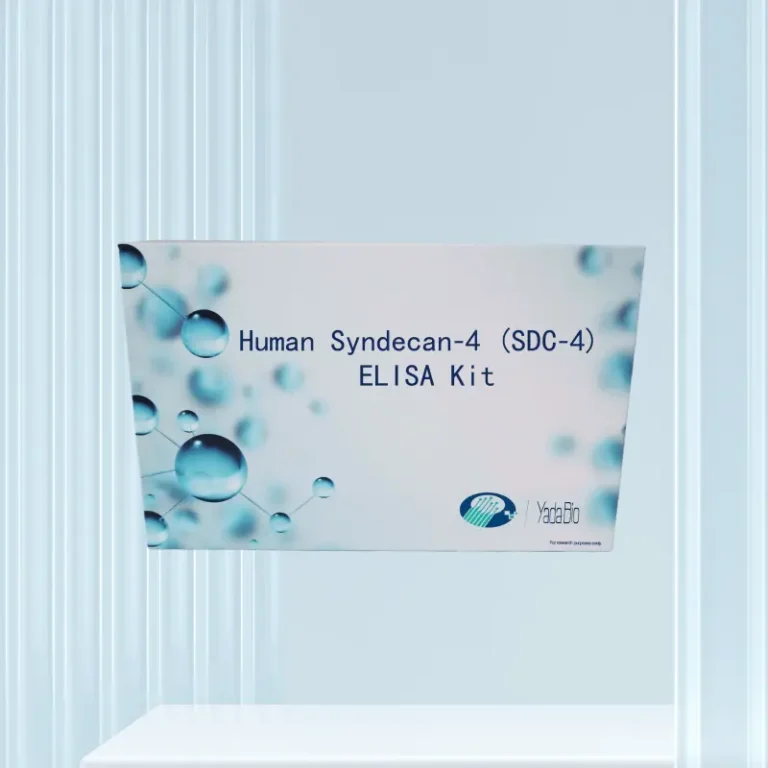
Product Overview: Why Measure Syndecan‑4?
Syndecan‑4 (SDC‑4) is a transmembrane heparan sulfate proteoglycan that plays a critical role in cell adhesion, migration, proliferation, and mechanotransduction. It is a key co‑receptor for growth factors, integrins, and the extracellular matrix. SDC‑4 is involved in wound healing, angiogenesis, inflammation, fibrosis, and cancer progression. Accurate quantification of Human Syndecan‑4 (SDC‑4) is essential for:
- Wound healing and tissue regeneration research
- Angiogenesis and cardiovascular studies
- Cancer metastasis and tumour microenvironment investigations
- Inflammatory and fibrotic disease models
- Mechanobiology and cell signalling research
Superior Quality Metrics
- Intra‑assay CV < 5 % — excellent within‑run precision
- Inter‑assay CV < 8 % — outstanding run‑to‑run consistency
- High specificity — no cross‑reactivity with human syndecan‑1, ‑2, or ‑3
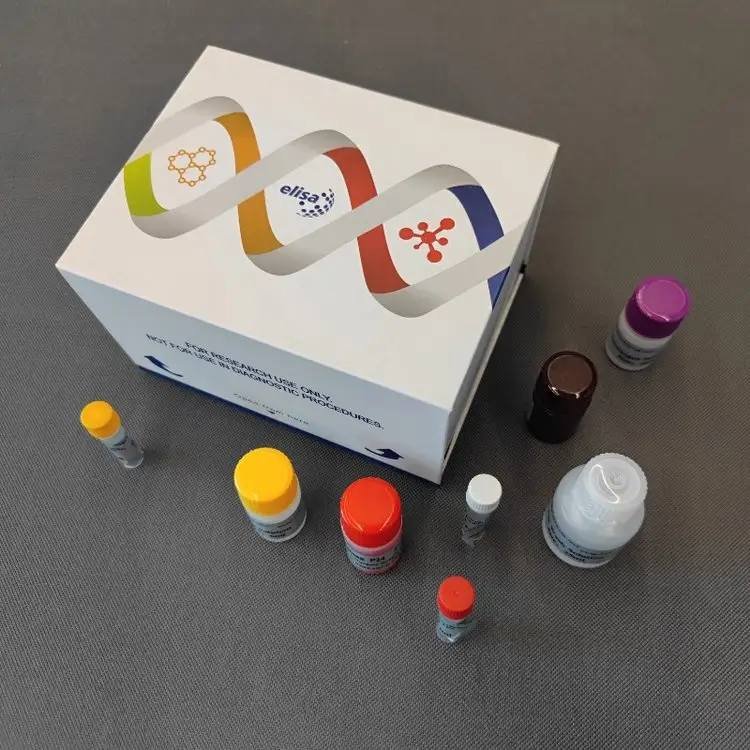
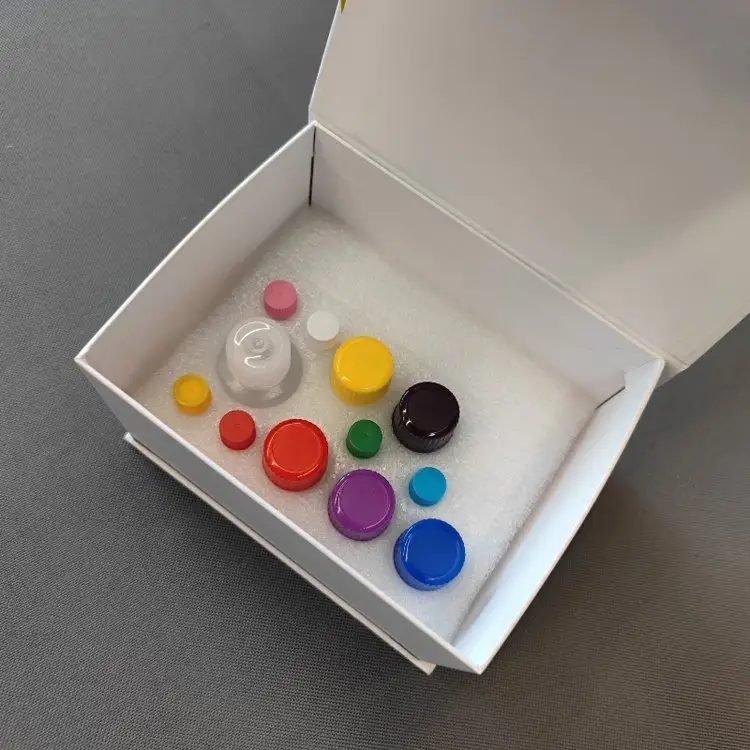
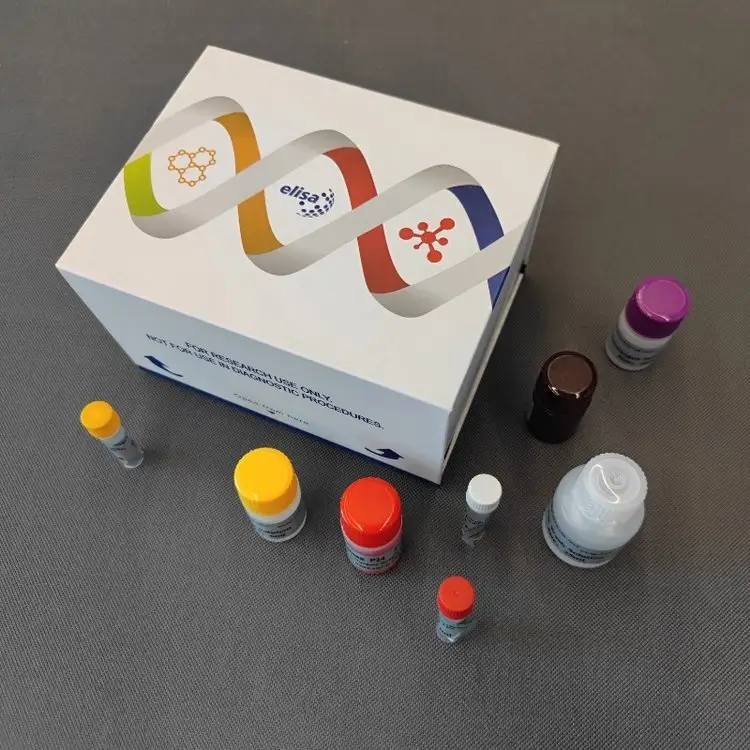
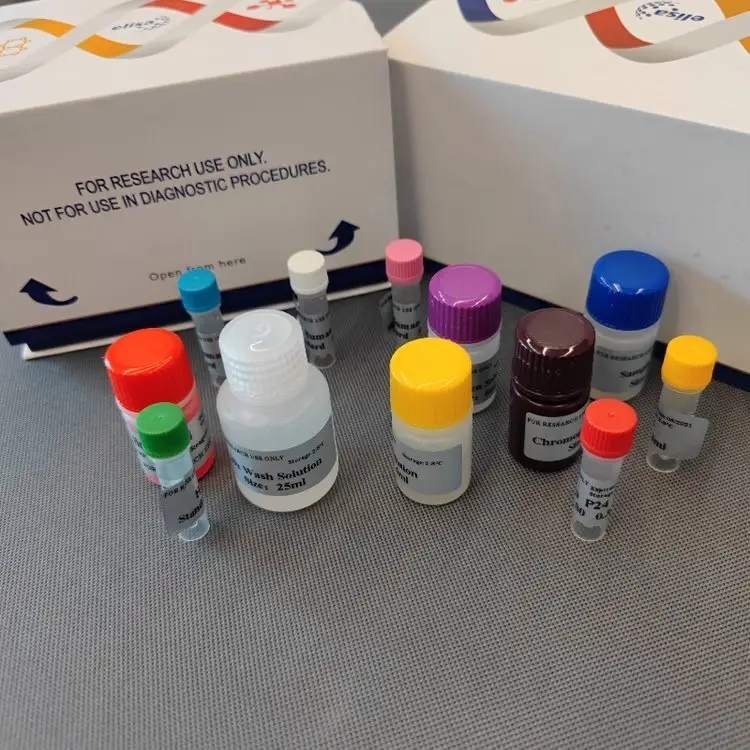
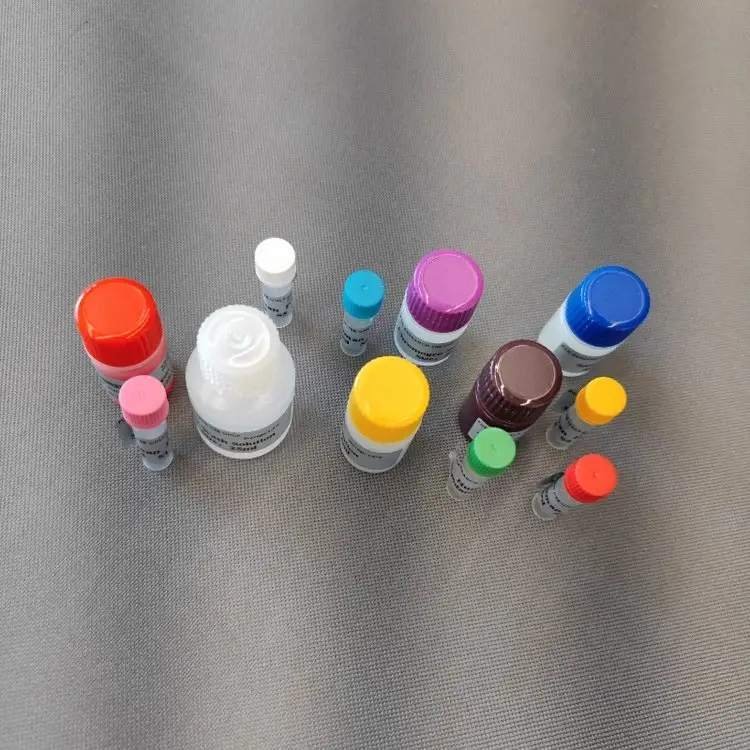
Kit Components: What’s Inside
| Component | 96‑Well Configuration | 48‑Well Configuration |
|---|---|---|
| Microplate (Pre‑coated) | 8 wells × 12 strips | 8 wells × 6 strips |
| Standards | 0.3 mL × 6 tubes | 0.3 mL × 6 tubes |
| Sample Diluent | 6 mL | 3 mL |
| HRP‑Conjugated Detection Antibody | 6 mL | 3 mL |
| 20× Wash Buffer | 25 mL | 15 mL |
| Substrate A | 6 mL | 3 mL |
| Substrate B | 6 mL | 3 mL |
| Stop Solution | 6 mL | 3 mL |
| Plate Sealer | 2 sheets | 2 sheets |
| Manual | 1 copy | 1 copy |
Note: This kit uses a sandwich ELISA format with HRP‑labelled detection antibody.
Assay Principle: Sandwich ELISA
This kit employs a solid‑phase sandwich enzyme‑linked immunosorbent assay. The microplate is pre‑coated with a monoclonal antibody specific for Human Syndecan‑4 (SDC‑4). Standards and samples are added, allowing SDC‑4 to bind to the immobilised antibody. After washing, a Horseradish Peroxidase (HRP)‑conjugated detection antibody is added, forming an antibody‑antigen‑antibody “sandwich”. Following a second wash, TMB substrate is added. The HRP enzyme catalyses a blue colour that turns yellow upon acidification. The optical density (OD) at 450 nm is directly proportional to the SDC‑4 concentration in the sample.For detailed steps, please refer to “How to Clean the Elisa Plate“.
Sample Volume Note: The procedure can be run with 50 μL of neat sample (no dilution) or 10 μL sample + 40 μL diluent for diluted measurement. Follow the protocol as described.
Sample Collection & Preparation
| Sample Type | Collection & Processing |
|---|---|
| Serum | Use pyrogen/endotoxin‑free tubes. Avoid cell stimulation. Centrifuge at 3000 rpm for 10 minutes. |
| Plasma | Use EDTA, citrate or heparin anticoagulant. Centrifuge at 3000 rpm for 30 minutes. |
| Cell Supernatant | Centrifuge at 3000 rpm for 10 minutes to remove particles. |
| Tissue Homogenate | Homogenise tissue in PBS (1:9 w/v), centrifuge at 5000×g for 10 minutes at 2–8 °C. Collect supernatant. |
| Storage | Aliquot and store at –20 °C (≤ 1 month) or –80 °C (≤ 2 months). Avoid repeated freeze‑thaw cycles. |
Materials Required But Not Provided
- Microplate reader (450 nm)
- Precision pipettes and tips (0.5–10 μL, 2–20 μL, 20–200 μL, 200–1000 μL)
- 37 °C incubator or water bath
- Distilled or deionised water
Important Notes for Assay Procedure
- Store the kit at 2–8 °C. Bring all reagents to room temperature (20–25 °C) before use. Concentrated wash buffer may crystallise; dissolve crystals in a warm water bath.
- Return unused strips to the resealable bag with desiccant and store at 2–8 °C. Use promptly.
- The S0 standard (zero concentration) is the negative control/blank.
- Strictly adhere to incubation times, temperatures, volumes and sequence.
- Avoid letting microplate wells dry out during incubation.
- Do not use substrate solution if it has turned blue.
- Protect reagents from strong light and bleach vapours.
- Handle all samples as potentially biohazardous.
Reagent Preparation
20× Wash Buffer Dilution: Dilute 1 part 20× wash buffer with 19 parts distilled water to obtain 1× working wash buffer.
Washing Method
Manual: Aspirate liquid, fill each well with wash buffer (350 μL), stand for 1 min, aspirate, and tap dry on absorbent paper. Repeat 5 times.
Automatic washer: Inject 350 μL per well, soak for 1 min, wash 5 times.
Assay Procedure
- Remove required strips after 20 min equilibration. Reseal unused strips and return to 4 °C.
- Standard wells: add 50 μL of each standard concentration.
- Sample wells: add 50 μL of test sample (or 10 μL sample + 40 μL sample diluent). Blank wells: leave empty.
- Add 100 μL HRP‑conjugated detection antibody to all wells except blanks. Seal and incubate at 37 °C for 60 min.
- Aspirate, wash 5 times (manual or automatic).
- Add 50 μL Substrate A and 50 μL Substrate B to each well. Incubate at 37 °C in the dark for 15 min.
- Add 50 μL stop solution. Measure OD at 450 nm within 15 min.
Data Analysis
Plot standard curve: OD values (y‑axis) vs. standard concentrations (x‑axis) in Excel or curve‑fitting software (linear regression, R ≥ 0.9900). Calculate sample concentrations directly from the curve. If samples were diluted, multiply by the dilution factor.
Kit Performance Specifications
| Parameter | Performance |
|---|---|
| Accuracy | Standard curve linear regression coefficient (R) ≥ 0.9900 |
| Sensitivity | Minimum detectable concentration < 1.0 μg/mL |
| Detection Range | 1.0 – 800 μg/mL |
| Specificity | No cross‑reactivity with human syndecan‑1, ‑2, ‑3, or other related proteoglycans |
| Intra‑assay CV | < 5 % |
| Inter‑assay CV | < 8 % |
| Storage | 2–8 °C, protect from light and moisture |
| Shelf Life | 6 months |
Pricing & Shipping Information
| Quantity | Price per Kit |
|---|---|
| 1–2 kits | $120 (retail) |
| 3 or more kits | Wholesale price – contact us for a quote |
Free shipping on all orders of three or more ELISA kits.
For a competitive syndecan 4 elisa kit price and overall adiponectin elisa kit price (and other targets), buy directly from Yanda Bio – no distributor markups.
Related Products (Recommended for Syndecan Family Studies)
Expand your extracellular matrix and cell signalling research with these complementary kits (available from Yanda Bio):
- Human Syndecan‑1 (SDC‑1) ELISA Kit – for epithelial‑mesenchymal transition and myeloma research
- Human Inositol 1,4,5-Trisphosphate (IP3) ELISA Kit – For Cell Signaling Research
- Fish Interleukin 4 (IL-4) ELISA Kit – High‑Sensitivity Sandwich Assay for Teleost Immunology
Using syndecan‑4 together with syndecan‑1 provides a broader view of proteoglycan‑mediated signalling.
Yanda Bio-Custom Cytokine Elisa Kits Supplier
- Manufacturer direct – over 6,000 detectable targets, 60+ university partners
- Rapid custom Cytokine Elisa Kits development – 3–7 days turnaround for new targets or matrices
- Strict quality control – intra‑assay CV < 5 %, inter‑assay CV < 8 %
- Cost‑effective – premium performance at 40–60 % lower cost than leading international brands
- Free shipping on 3+ kits
Disclaimer
Strict adherence to the protocol is required. Yanda Bio is not responsible for results obtained from deviations. This product is for research use only; not for clinical diagnosis or human use. The user assumes all responsibility for any consequences arising from misuse.
Ordering & Contact Information
To order this Human Syndecan‑4 (SDC‑4) ELISA Kit, or to inquire about volume discounts, custom development, and format selection, please contact our sales team.