
Why Is Overexposure More Likely to Occur in the ELISA Test for IgA, IgM, and IgG?
If you have ever run an ELISA for immunoglobulins (IgA, IgM, or IgG), you have probably encountered a frustrating problem:

If you have ever run an ELISA for immunoglobulins (IgA, IgM, or IgG), you have probably encountered a frustrating problem:
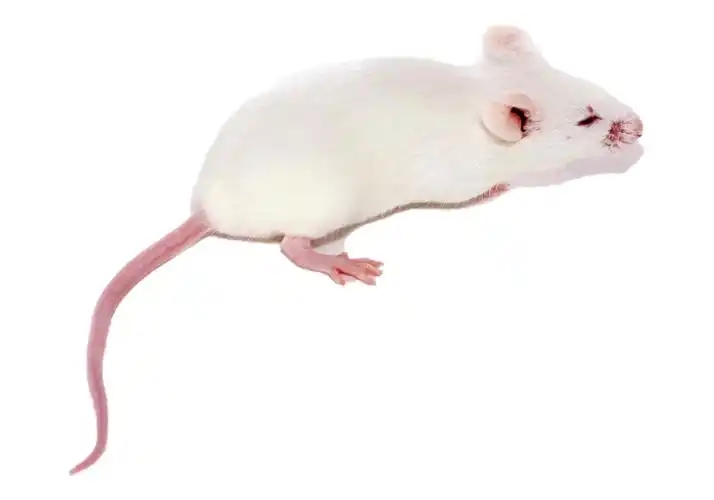
If you have ever run a mouse ELISA and found that all your samples fell outside the standard curve—either too
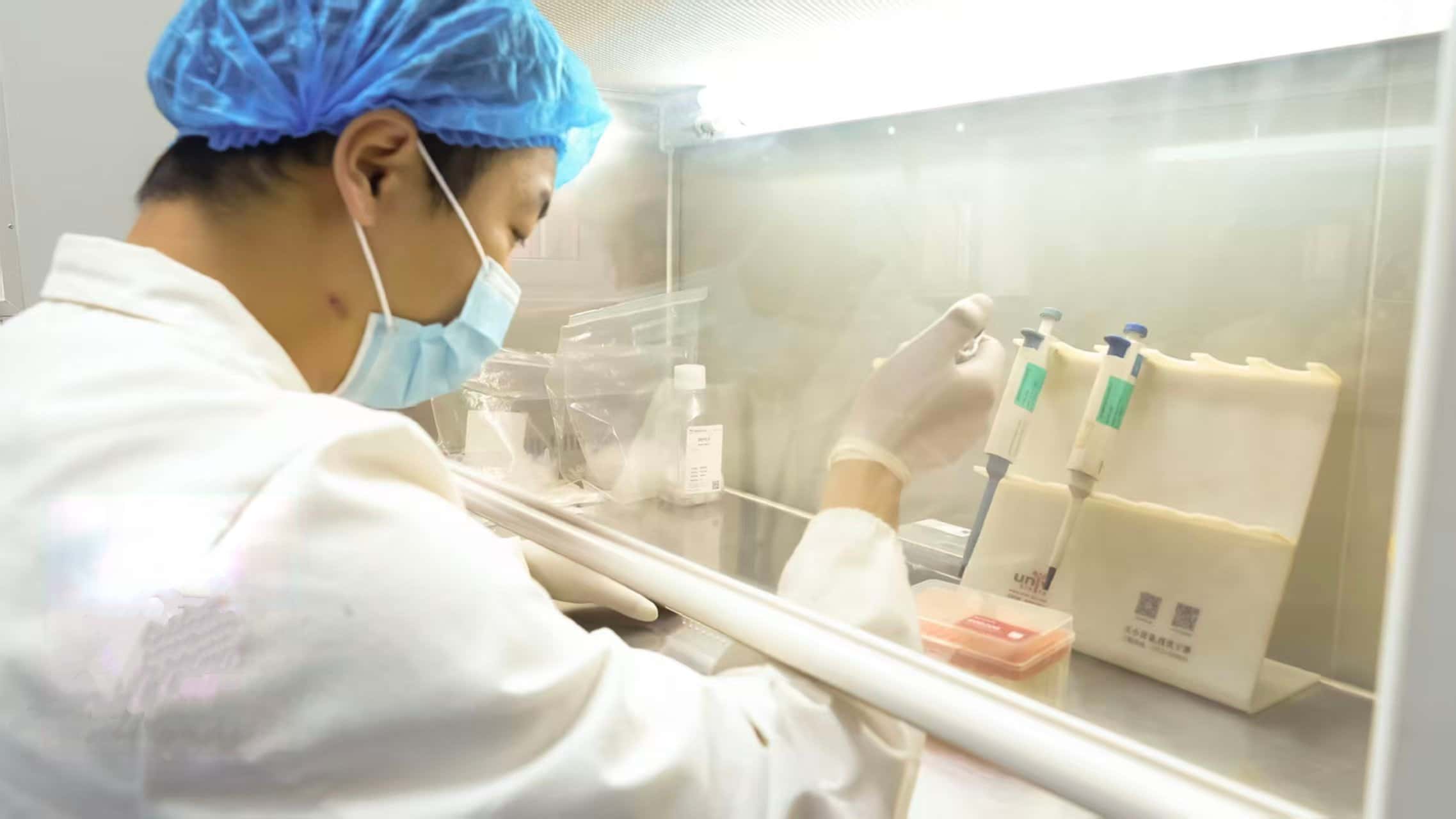
You’ve carefully planned your experiment, followed the protocol step by step, and waited patiently for the results. Yet when you
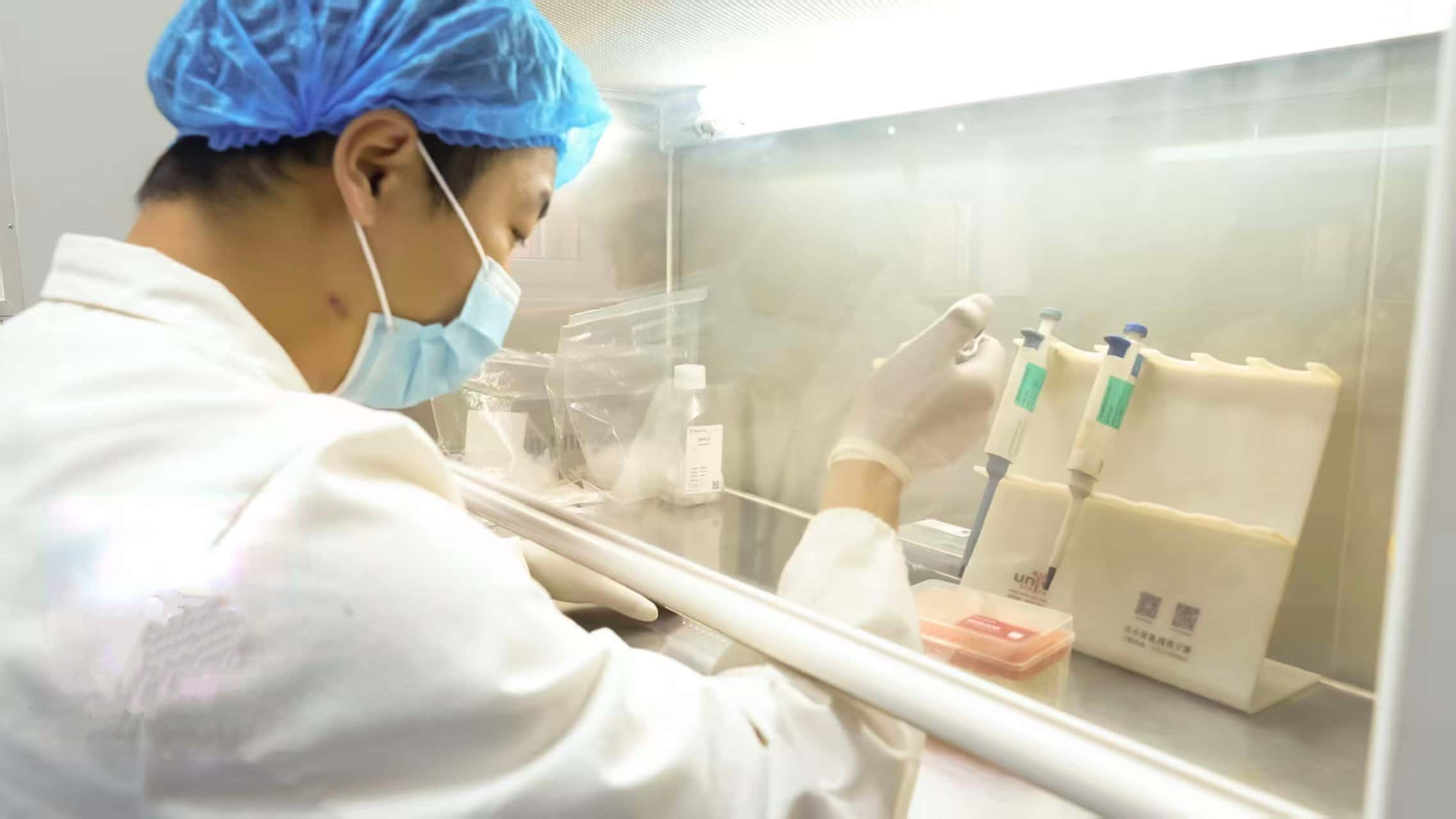
The standard curve is the backbone of any quantitative enzyme-linked immunosorbent assay (ELISA). It transforms raw absorbance readings into meaningful
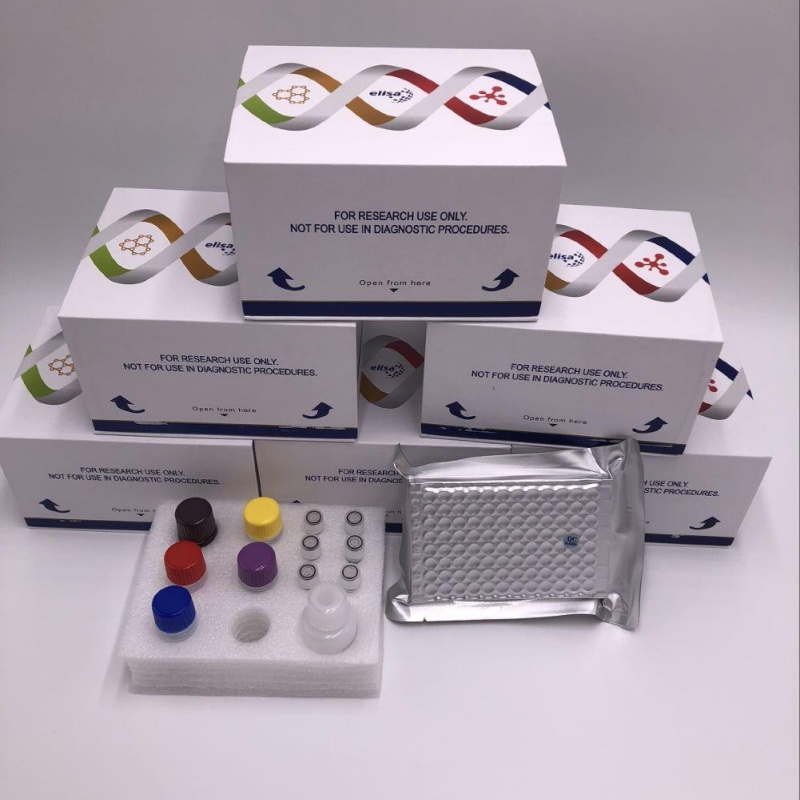
With thousands of ELISA kits available from hundreds of manufacturers, selecting the right one for your experiment can feel overwhelming.
Each washing step serves a single purpose: remove unbound materials while retaining specifically bound antigens or antibodies. Consider these statistics: A
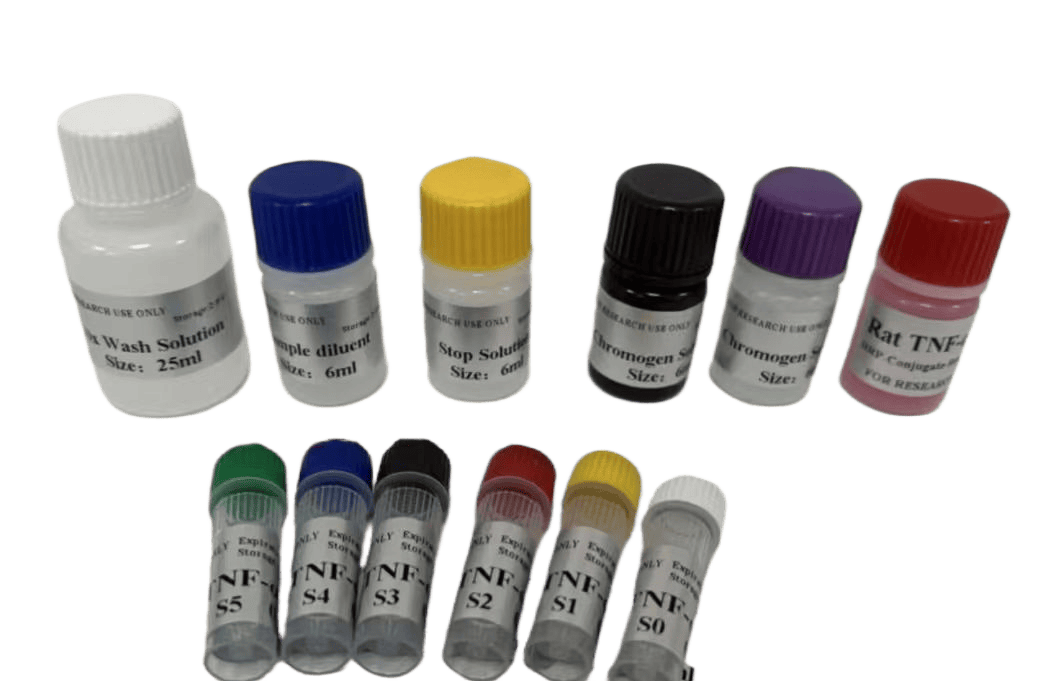
Enzyme-linked immunosorbent assay (ELISA) is a powerful laboratory technique used to detect and quantify proteins, antibodies, hormones, and other biomolecules.
ELISA (Enzyme-Linked Immunosorbent Assay) is an immunological detection technique based on antigen-antibody specific binding. It achieves qualitative or quantitative analysis
Enzyme-linked immunosorbent assay (ELISA) is one of the most widely used immunoassays in both research and clinical diagnostics. Its high