
Product Overview: Understanding Histidine in Research
Histidine (HIS) is an essential amino acid that plays critical roles in protein synthesis, metal ion chelation, and as a precursor for histamine—a key mediator of immune responses, gastric acid secretion, and neurotransmission. Accurate quantification of histidine levels is essential for research in nutritional science, immunology, metabolomics, and studies of histidine-related disorders such as histidinemia, as well as investigations into oxidative stress and inflammation, where histidine acts as a natural antioxidant.
Yanda Bio’s Histidine (HIS) ELISA Detection Kit employs a competitive immunoassay format optimized for sensitive and specific detection of this important amino acid. As a professional ELISA kit manufacturer with a portfolio exceeding 6,000 detectable targets and established collaborations with over 60 universities across China, we combine deep expertise in small molecule immunoassays with rigorous quality standards.
Explore Our Related Amino Acid Assays:
Why Choose Yanda Bio for Your Amino Acid Immunoassays?
EEAT-Compliant Quality Standards
Our commitment to Experience, Expertise, Authoritativeness, and Trustworthiness ensures that every kit meets the highest research standards for metabolite quantification.
| Principle | Our Commitment |
|---|---|
| Experience | Over 6,000 detectable factors developed; 60+ university collaborations; specialized expertise in small molecule competitive ELISA development. |
| Expertise | Proprietary antibody development and conjugation protocols; optimized for challenging small molecule targets like amino acids. |
| Authoritativeness | Validated by academic research partners; ISO-aligned manufacturing standards; rigorous quality control at every production stage. |
| Trustworthiness | Rapid custom service with 3-7 day turnaround; transparent specifications; unconditional quality guarantee. |
Superior Quality Metrics
- Intra-assay CV < 5% — Exceptional within-run precision
- Inter-assay CV < 8% — Outstanding run-to-run consistency
- High Specificity — Minimal cross-reactivity with other amino acids and metabolites
Kit Components: What’s Included
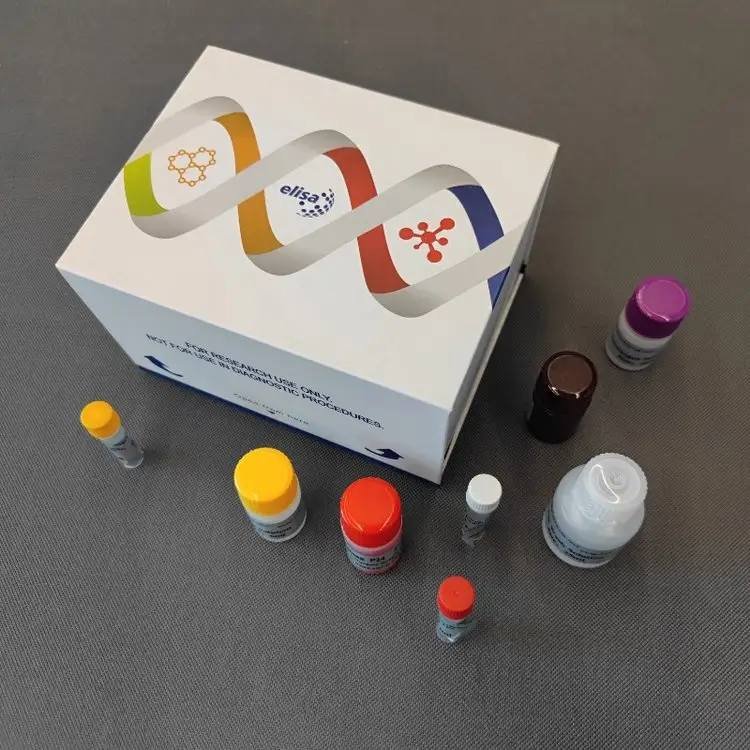
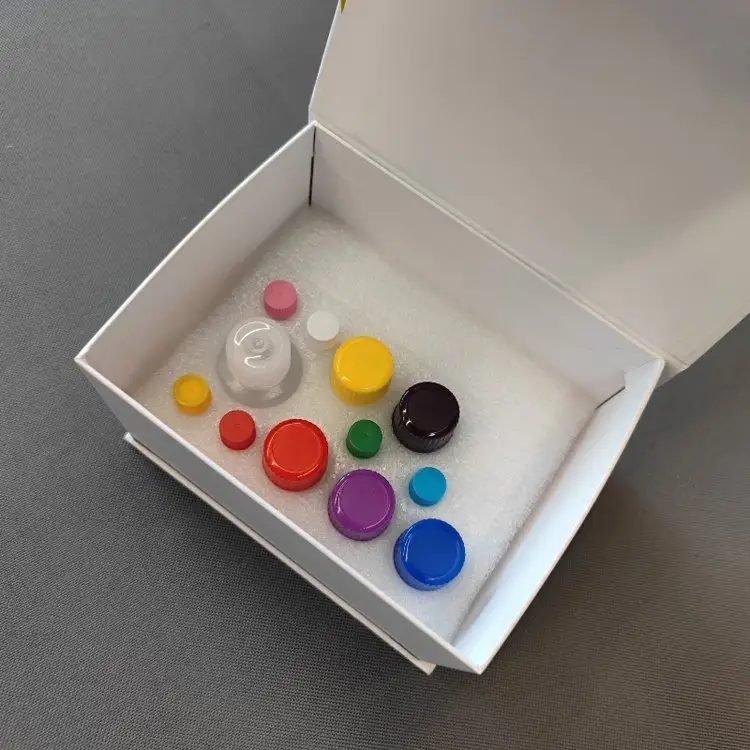
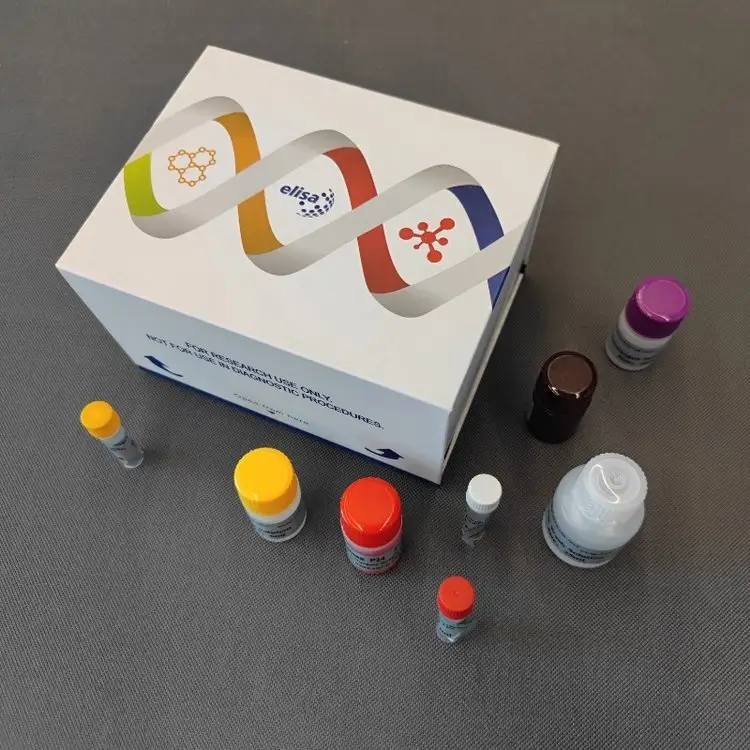
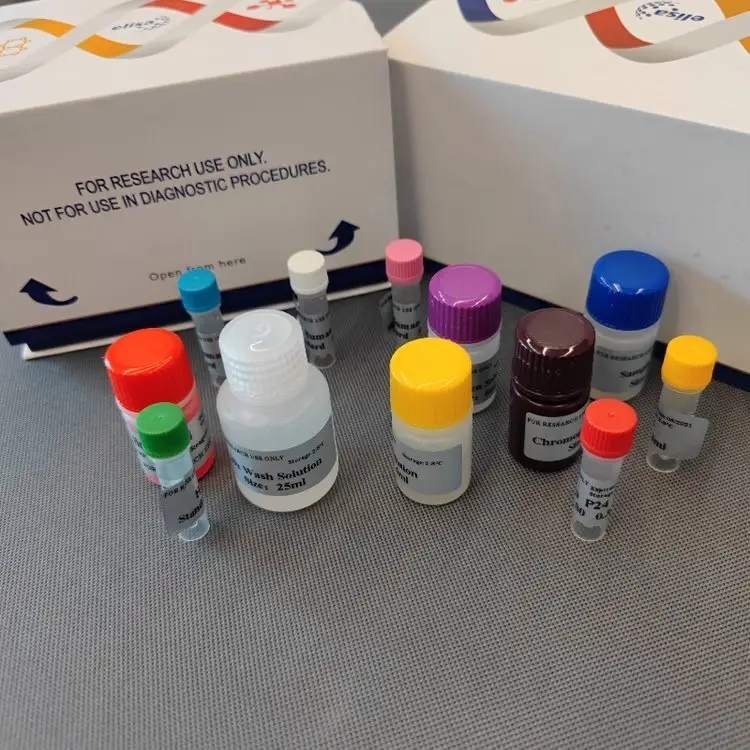
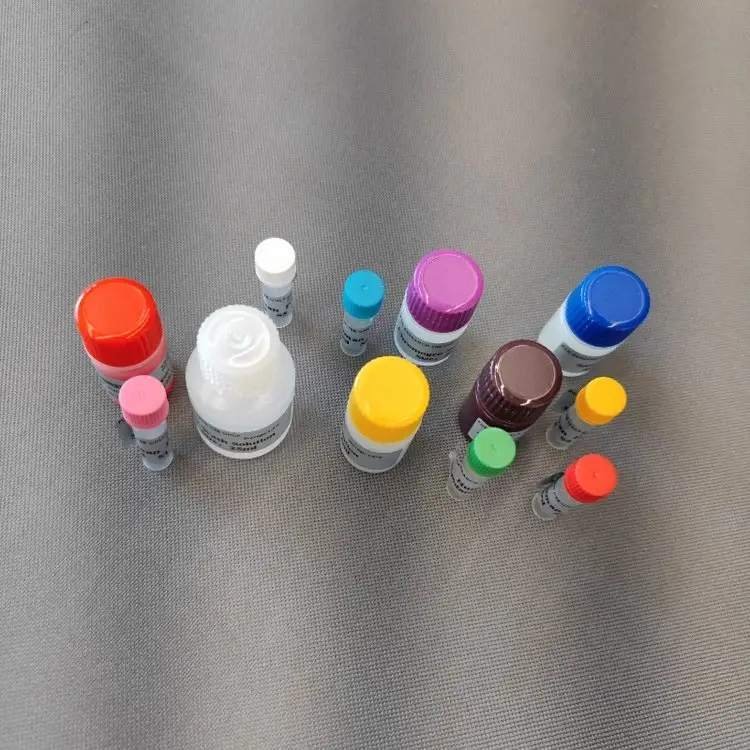
Our Histidine ELISA Detection Kit is available in both 96-well and 48-well configurations to accommodate different throughput requirements.
| Component | 96-Well Configuration | 48-Well Configuration |
|---|---|---|
| Microplate (Pre-coated) | 8 wells × 12 strips | 8 wells × 6 strips |
| Standards | 0.3 mL × 6 tubes | 0.3 mL × 6 tubes |
| Sample Diluent | 6 mL | 3 mL |
| HRP-Labeled Competitive Antigen | 6 mL | 3 mL |
| 20× Wash Buffer | 25 mL | 15 mL |
| Substrate A | 6 mL | 3 mL |
| Substrate B | 6 mL | 3 mL |
| Stop Solution | 6 mL | 3 mL |
| Plate Sealer | 2 sheets | 2 sheets |
| Manual | 1 copy | 1 copy |
Assay Principle: Competitive ELISA Technology
This kit employs a competitive inhibition enzyme immunoassay format, ideal for small molecule amino acids where sandwich formats are not feasible. The microplate is pre-coated with an antibody specific for Histidine. During incubation, histidine in standards or samples competes with HRP-labeled histidine (the tracer) for binding to the immobilized antibody. After washing to remove unbound tracer, TMB substrate is added. The HRP enzyme catalyzes a colorimetric reaction, producing a blue product that turns yellow upon acidification. The intensity of the color is inversely proportional to the concentration of histidine in the sample—higher histidine concentrations result in lower color intensity.
Sample Dilution Note: Samples are pre-diluted 2-fold during the procedure; multiply results by 2 to obtain actual concentrations.
Sample Collection & Preparation
Proper sample handling is critical for accurate amino acid quantification. Please follow these guidelines:
Liquid Samples
| Sample Type | Collection & Processing |
|---|---|
| Serum | Use sterile pyrogen/endotoxin-free tubes. Allow blood to clot for 120 minutes at room temperature or overnight at 2-8°C. Centrifuge at 3000 rpm for 20 minutes at 2-8°C. Carefully collect supernatant. Store at -20°C or -80°C. Avoid repeated freeze-thaw cycles. |
| Plasma | Collect using EDTA or heparin sodium as anticoagulant. Mix thoroughly. Centrifuge at 3000 rpm for 20 minutes at 2-8°C within 30 minutes of collection. Carefully collect supernatant. Store at -20°C or -80°C. |
| Urine, CSF, Saliva | Collect using sterile tubes. Centrifuge at 3000 rpm for 20 minutes at 2-8°C. Carefully collect supernatant. Store at -20°C or -80°C. |
| Cell Culture Supernatant | Collect using sterile tubes. Centrifuge at 3000 rpm for 20 minutes at 2-8°C. Carefully collect supernatant. Store at -20°C or -80°C. |
Solid Samples
| Sample Type | Processing Protocol |
|---|---|
| Animal Tissue | Rinse with pre-chilled PBS (0.01M, pH 7.4) to remove residual blood. Weigh and mince tissue. Add PBS at 1:9 weight-to-volume ratio (1g tissue to 9mL PBS). Homogenize on ice, then centrifuge at 5000×g for 10 minutes at 2-8°C. Collect supernatant. |
| Adherent Cells | Wash with pre-chilled PBS, detach with trypsin, and collect by centrifugation (1000×g, 5 min). Wash cells 3 times with cold PBS. Resuspend at 1×10⁷ cells/mL in cold PBS. Lyse by sonication. Centrifuge at 3000 rpm for 20 minutes at 2-8°C. Collect supernatant. |
| Suspension Cells | Collect by centrifugation, wash 3 times with cold PBS, then follow same procedure as adherent cells. |
| Swab Samples | Dissolve swab head in 2 mL PBS (pH 7.2-7.4), shake well. Remove swab and squeeze dry. Centrifuge at 2000-3000 rpm for 20 minutes at 2-8°C. Collect supernatant. |
Important Sample Notes
- Extract samples as soon as possible after collection. Perform assays promptly after extraction.
- For short-term storage (up to 6 days), samples can be stored at 2-8°C.
- For long-term storage, freeze at -20°C (≤1 month) or -80°C (≤2 months). Avoid repeated freeze-thaw cycles.
- If precipitate forms during storage, centrifuge again before testing.
- Do not use samples containing sodium azide (NaN₃), as it inhibits horseradish peroxidase (HRP) activity.
Materials Required But Not Provided
- Microplate reader capable of measuring absorbance at 450 nm
- Precision pipettes and tips (0.5-10 μL, 2-20 μL, 20-200 μL, 200-1000 μL)
- 37°C incubator or water bath
Important Notes for Assay Procedure
- Store the kit at 2-8°C. Allow all reagents to equilibrate to room temperature for 20 minutes before use. Concentrated wash buffer may crystallize; this is normal. Dissolve crystals by warming in a water bath.
- Return unused strips to the resealable bag with desiccant and store properly at 2-8°C. Use as soon as possible.
- The S0 standard (zero concentration) serves as a negative control/blank. Note that samples are pre-diluted 2-fold during the procedure; multiply results by 2 to obtain actual concentrations.
- Strictly adhere to the incubation times, volumes, and sequence specified in the protocol.
- Mix all liquid components thoroughly before use.
Reagent Preparation
20× Wash Buffer Dilution: Dilute 1 part 20× wash buffer with 19 parts distilled water to prepare 1× working wash buffer.
Washing Method
Manual Washing: Aspirate liquid from wells, fill each well with wash buffer, allow to stand for 1 minute, then aspirate. Invert plate and tap dry on absorbent paper. Repeat 5 times.
Automated Plate Washer: Inject 350 μL of wash buffer per well, allow to soak for 1 minute, and wash 5 times.
Assay Procedure
- Remove the required number of strips from the aluminum foil bag after 20 minutes of room temperature equilibration. Reseal unused strips and return to 4°C.
- Set up standard wells and sample wells. Add 50 μL of each standard concentration to the standard wells.
- For sample wells: Add 25 μL of test sample followed by 25 μL of sample diluent.
- Add 50 μL of HRP-labeled competitive antigen (tracer) to both standard and sample wells. Seal with a plate cover and incubate at 37°C for 60 minutes.
- Aspirate liquid, tap dry on absorbent paper, fill each well with wash buffer, let stand for 1 minute, aspirate, and tap dry. Repeat washing 5 times (automated washer acceptable).
- Add 50 μL of Substrate A and 50 μL of Substrate B to each well. Incubate at 37°C in the dark for 15 minutes.
- Add 50 μL of stop solution to each well. Measure the OD at 450 nm within 15 minutes.
Data Analysis
This competitive ELISA requires calculation of percent binding for accurate quantification.
Calculation Steps:
- Read OD Values: Record absorbance at 450 nm within 15 minutes of adding stop solution.
- Calculate Percent Binding:
- Let B0 = OD of S0 standard (zero concentration)
- Let B = OD of each standard or sample
- Let NSB = Non-specific binding (if applicable)
- Percent binding = (B / B0) × 100%
- Construct Standard Curve:
- Plot standard concentrations (x-axis, log scale) against percent binding (y-axis, linear scale) using logit-log or 4-parameter logistic (4PL) curve fitting.
- Calculate logit values: logit = ln[B/B0 / (1 – B/B0)]
- Determine Sample Concentrations:
- Calculate percent binding for each sample
- Interpolate concentration from the standard curve
- Multiply by the dilution factor (2×) to obtain actual sample concentration
Automated Analysis: Use ELISA data analysis software with logit-log or 4PL models for automatic curve fitting and concentration calculation.
Kit Performance Specifications
| Parameter | Performance |
|---|---|
| Accuracy | Standard curve linear regression coefficient (R) ≥ 0.9900 |
| Sensitivity | Minimum detectable concentration < 5 ng/mL |
| Detection Range | 50 – 2000 ng/mL |
| Specificity | No significant cross-reactivity with other amino acids or soluble structural analogs |
| Intra-assay CV | < 5% |
| Inter-assay CV | < 8% |
| Storage | 2-8°C, protected from light and moisture |
| Shelf Life | 6 months |
Customization Options
Yanda Bio offers custom ELISA kit development services with a rapid 3-7 day turnaround for specialized research applications:
| Custom Parameter | Available Options |
|---|---|
| Target Species | Human, mouse, rat, rabbit, horse, or custom species |
| Sample Type | Serum, plasma, tissue homogenates, cell lysates, urine, plant extracts |
| Detection Range | Adjustable based on expected physiological levels |
| Sensitivity | Optimized for your specific application |
| Kit Format | Standard or high-sensitivity options |
Special Offer
Purchase any three ELISA kits from Yanda Bio and enjoy free shipping. Combine our Histidine kit with Tryptophan and Glutathione kits to build a comprehensive amino acid and antioxidant research panel at exceptional value.
Comparison with Premium International Brands
Yanda Bio’s ELISA kits deliver performance comparable to leading international brands at a fraction of the cost—often 40-60% less than major commercial alternatives. Our efficient manufacturing process and direct-to-researcher business model eliminate unnecessary markups, allowing us to offer professional-grade metabolite immunoassays at highly competitive prices. With superior precision metrics (CV < 5% intra-assay, CV < 8% inter-assay) and 3-7 day custom development capability, we provide exceptional value without compromising on data quality.
Disclaimer
- This product is for research use only. It is not intended for clinical diagnosis or human use. The user assumes all responsibility for any consequences arising from misuse.
- Strict adherence to the protocol is required. Yanda Bio is not responsible for results obtained from deviations from the specified procedure.
Ordering & Contact Information
To order this Histidine (HIS) ELISA Detection Kit, or to inquire about volume discounts, custom development, and format selection guidance, please contact our sales team.
For Research Use Only. Not for use in diagnostic or therapeutic procedures.