
Product Overview: Why Measure Ovalbumin‑Specific IgE?
Ovalbumin (OVA) is a major egg white allergen widely used in experimental models of food allergy, asthma, and atopic dermatitis. Ovalbumin‑specific immunoglobulin E (OVA‑sIgE) is a key biomarker of type I hypersensitivity reactions. Quantification of Mouse OVA‑sIgE is essential for:
- Food allergy and anaphylaxis research
- Asthma and allergic airway inflammation models
- Atopic dermatitis and skin allergy studies
- Evaluation of anti‑allergic drugs and immunotherapies
- Understanding Th2‑driven immune responses
This Inflammatory factor ELISA kit employs a double‑antigen sandwich format (not a traditional antibody‑capture method) to specifically detect OVA‑sIgE with high sensitivity and minimal background. The high‑binding microplate ensures maximum adsorption of the capture antigen, resulting in superior signal strength and reproducibility.
Why Choose Yanda Bio for Your Allergy & Inflammatory Factor ELISA Kits?
| EEAT Factor | Our Commitment |
|---|---|
| Experience | 6,000+ factors developed; 60+ university collaborations; years of expertise in allergen‑specific antibody assays. |
| Expertise | Proprietary double‑antigen sandwich design eliminates anti‑species antibody interference; validated for mouse OVA‑sIgE. |
| Authoritativeness | Kits used in academic allergy research; ISO‑aligned manufacturing; batch‑to‑batch consistency. |
| Trustworthiness | Rapid custom development (3–7 days); unconditional quality guarantee; free shipping on 3+ kits. |
Superior Quality Features
- High‑binding microplate – specially treated bottom for enhanced adsorption of ovalbumin antigen, resulting in stronger specific signals and lower non‑specific binding.
- High specificity – no cross‑reaction with mouse total IgE, IgG, or other allergen‑specific antibodies.
- High stability – validated for long‑term storage at 2–8 °C.
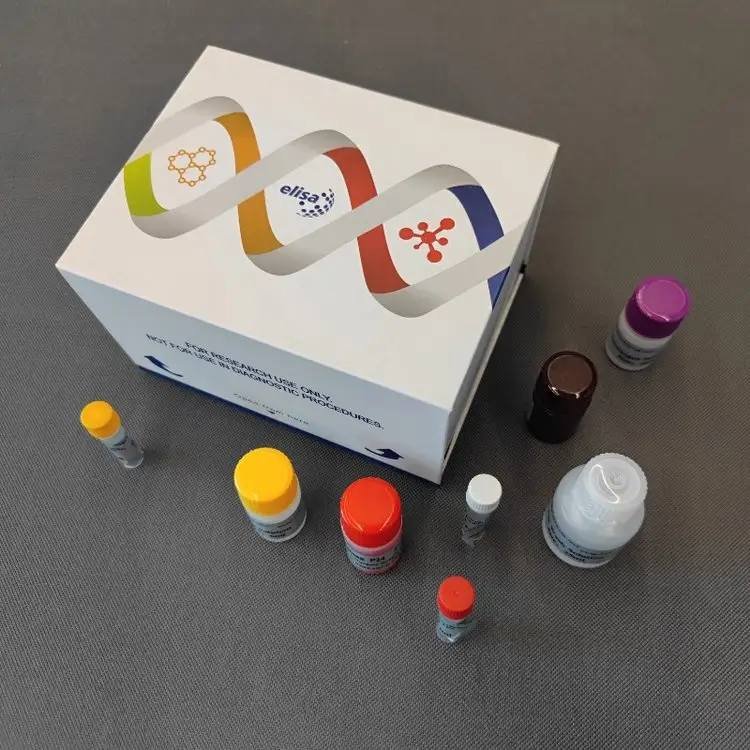
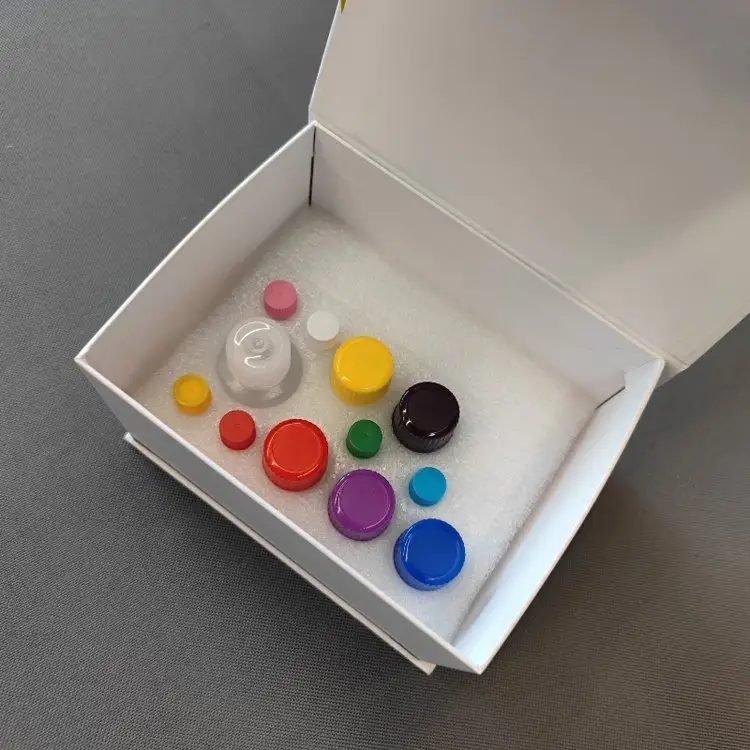
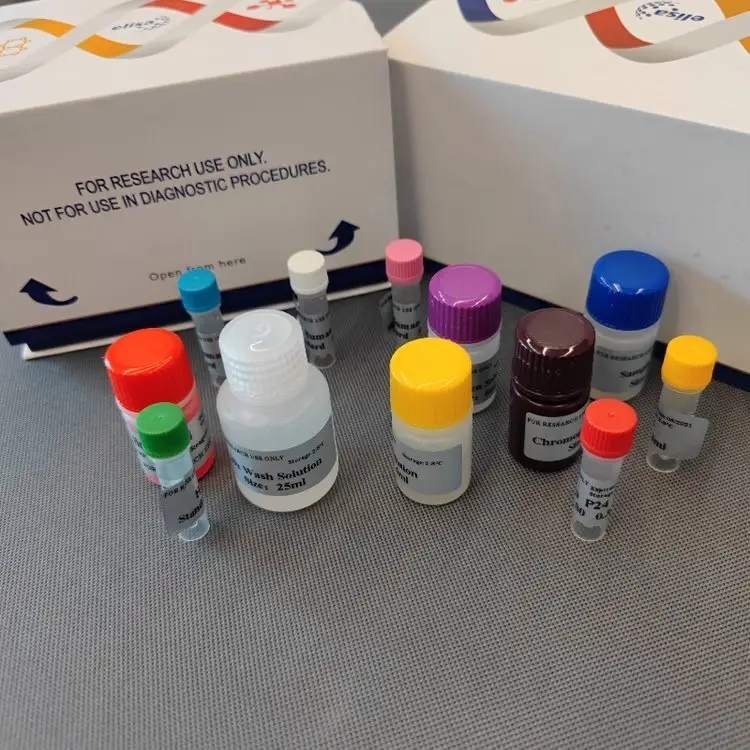
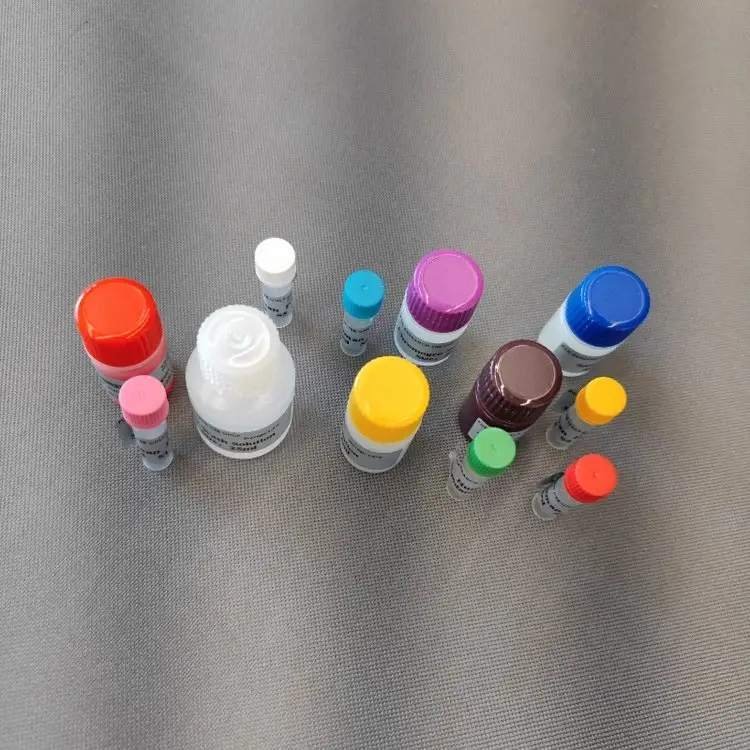
Kit Components (96‑Well Configuration)
| Component | Quantity |
|---|---|
| High‑Binding Microplate (Pre‑coated with OVA Antigen) | 8 wells × 12 strips |
| Standards | 0.3 mL × 6 tubes |
| Sample Diluent | 6 mL |
| HRP‑Conjugated OVA Antigen | 6 mL |
| 20× Wash Buffer | 25 mL |
| Substrate A | 6 mL |
| Substrate B | 6 mL |
| Stop Solution | 6 mL |
| Plate Sealer | 2 sheets |
| Manual | 1 copy |
48‑well configuration available on request (8 wells × 6 strips).
Assay Principle: Double‑Antigen Sandwich ELISA
This kit uses a double‑antigen sandwich enzyme‑linked immunosorbent assay. The high‑binding microplate is pre‑coated with purified ovalbumin (OVA antigen). Standards and samples are added, allowing OVA‑specific IgE antibodies in the sample to bind to the immobilised antigen. After washing, HRP‑labelled OVA antigen (enzyme‑antigen conjugate) is added. This labelled antigen binds to the captured OVA‑sIgE, forming an antigen‑antibody‑enzyme‑antigen “sandwich”. Following a second wash, TMB substrate is added. The HRP enzyme catalyses a blue colour that turns yellow upon acidification. The optical density (OD) at 450 nm is directly proportional to the concentration of OVA‑sIgE in the sample.
Why double‑antigen instead of anti‑IgE capture?
This format directly detects functional, antigen‑specific IgE without interference from non‑specific IgE or other immunoglobulins, providing more accurate allergen‑specific measurements.
Sample Dilution Note: Samples are pre‑diluted 5‑fold during the procedure (10 μL sample + 40 μL diluent). Multiply final results by 5.
Sample Collection & Handling
| Sample Type | Procedure |
|---|---|
| Serum | Allow blood to clot at room temperature for 10–20 minutes. Centrifuge at 2000–3000 rpm for 20 minutes. Collect supernatant. If precipitate forms, re‑centrifuge. |
| Plasma | Use EDTA or sodium citrate as anticoagulant. Mix for 10–20 minutes, then centrifuge at 2000–3000 rpm for 20 minutes. Collect supernatant. |
| Cell Culture Supernatant | Centrifuge at 2000–3000 rpm for 20 minutes to remove particles. |
| Tissue Homogenate | Homogenise tissue in PBS (pH 7.4), centrifuge at 2000–3000 rpm for 20 minutes. Collect supernatant. |
| Storage | Extract as soon as possible. Store at –20 °C (≤ 1 month) or –80 °C (≤ 3 months). Avoid repeated freeze‑thaw cycles. |
Important: Do not use samples containing sodium azide (NaN₃), as it inhibits HRP activity.
Materials Required But Not Provided
- Microplate reader (450 nm)
- Precision pipettes (0.5–10 μL, 2–20 μL, 20–200 μL, 200–1000 μL)
- 37 °C incubator
- Distilled or deionised water
Assay Procedure (Step‑by‑Step)
- Equilibration: Bring all reagents to room temperature for 15–30 minutes. Unused strips must be resealed and stored at 2–8 °C.
- Standard dilution: Prepare serial dilutions of the stock standard in clean tubes according to the lot‑specific datasheet.
- Add standards: Add 50 μL of each standard concentration to standard wells.
- Add samples: Add 40 μL sample diluent to sample wells, then 10 μL test sample. Blank wells: leave empty.
- Add HRP‑labelled antigen: Add 100 μL HRP‑conjugated OVA antigen to all wells except blanks. Seal and incubate at 37 °C for 30 minutes.
- Prepare wash buffer: Dilute the concentrated wash buffer 30‑fold (or 20‑fold for 48T) with distilled water.
- Wash (first): Remove seal, discard liquid, tap dry. Fill each well with wash buffer, stand for 30 seconds, then discard. Repeat 5 times.
- Add enzyme reagent: (Note: In this double‑antigen format, the HRP conjugate is already added in step 5; no separate enzyme step is required. Please follow the kit’s specific manual – some protocols combine both steps. The below follows a typical two‑incubation format.)
For the actual kit: after the first incubation and wash, proceed directly to substrate addition. - Wash (second): Repeat the washing step 5 times.<ELISA Plate Washing Operation>
- Colour development: Add 50 μL Substrate A then 50 μL Substrate B to each well. Gently tap to mix. Incubate at 37 °C in the dark for 10 minutes.
- Stop reaction: Add 50 μL stop solution (blue turns yellow).
- Read OD: Measure absorbance at 450 nm within 15 minutes using a blank well as zero.
Note: The exact number of incubation/wash steps may vary slightly; always follow the product‑specific instruction manual included in the kit.
Data Analysis
Plot standard curve: OD values (y‑axis) vs. standard concentrations (x‑axis) using linear regression (R ≥ 0.990). Calculate sample concentrations from the curve, then multiply by the dilution factor (5× for serum/plasma; for diluted samples multiply by the total dilution factor, e.g., n × 5).
Note: If the sample OD value exceeds that of the highest standard, dilute the sample further with sample diluent and repeat the assay, multiplying the final result by the additional dilution factor.
Performance Specifications
| Parameter | Performance |
|---|---|
| Accuracy | Standard curve linear regression coefficient (R) ≥ 0.990 |
| Detection Range | 0.8 μg/L – 24 μg/L |
| Sensitivity | Minimum detectable concentration < 0.5 μg/L |
| Specificity | No cross‑reactivity with mouse total IgE, OVA‑specific IgG, or other allergen‑specific antibodies |
| Intra‑assay CV | < 9 % |
| Inter‑assay CV | < 11 % |
| Storage | 2–8 °C |
| Shelf Life | 6 months |
Important Notes
- Allow the kit to equilibrate to room temperature for 15–30 minutes before opening.
- Concentrated wash buffer may crystallise – warm in a water bath to dissolve; this does not affect performance.
- For large numbers of samples, keep addition time within 5 minutes to avoid drift. Use a multi‑channel pipette if possible.
- Run standards and samples in duplicate (recommended).
- If the sample OD value is higher than that of the highest standard, dilute with sample diluent (n‑fold) and re‑test. Multiply the final result by the total dilution factor (n × 5).
- The plate sealer is single‑use only – do not reuse to avoid cross‑contamination.
- Substrate solution is light‑sensitive – store in the dark.
- All samples, wash solutions, and waste should be treated as potentially infectious.
- Do not mix components from different lot numbers.
Storage & Stability
- Store the complete kit at 2–8 °C.
- Do not freeze.
- Under proper storage, the kit is stable for 6 months from the date of manufacture.
Related Products (Recommended for Inflammatory & Allergy Research)
Expand your allergy and inflammation studies with these complementary Inflammatory factor ELISA kits (available from Yanda Bio – internal links to be added by user):
- Mouse Interleukin 1 (IL-1) ELISA Kit – for pro‑inflammatory cytokine profiling in murine models
- Rabbit Interleukin 13 (IL-13) ELISA Kit – for Th2‑driven immune response studies in rabbits
Our extensive portfolio includes over 6,000 factors covering mouse, rat, human, rabbit, porcine, fish, and more. All kits are manufactured on high‑binding plates for superior performance.
Pricing & Special Offers
| Quantity | Price per Kit |
|---|---|
| 1–2 kits | Standard retail – contact us for current pricing |
| 3 or more kits | Wholesale price – significant discounts available |
Free shipping on all orders of three or more ELISA kits.
Free technical support provided from sample collection to final data analysis.
Why Choose Yanda Bio?
- Manufacturer direct – over 6,000 factors, 60+ university partners
- High‑binding microplates – specially treated for maximum antigen/antibody adsorption → stronger signals, lower background
- Rapid custom development – 3–7 days for new targets or species
- Reliable quality – strict QC at each batch, high specificity, excellent reproducibility
- Cost‑effective – premium performance without premium pricing
- Free shipping on 3+ kits
Disclaimer
This product is for research use only. Not for diagnostic or therapeutic use. Strict adherence to the protocol is required; Yanda Bio is not responsible for results obtained from deviations. The user assumes all responsibility for any misuse.
Ordering & Contact Information
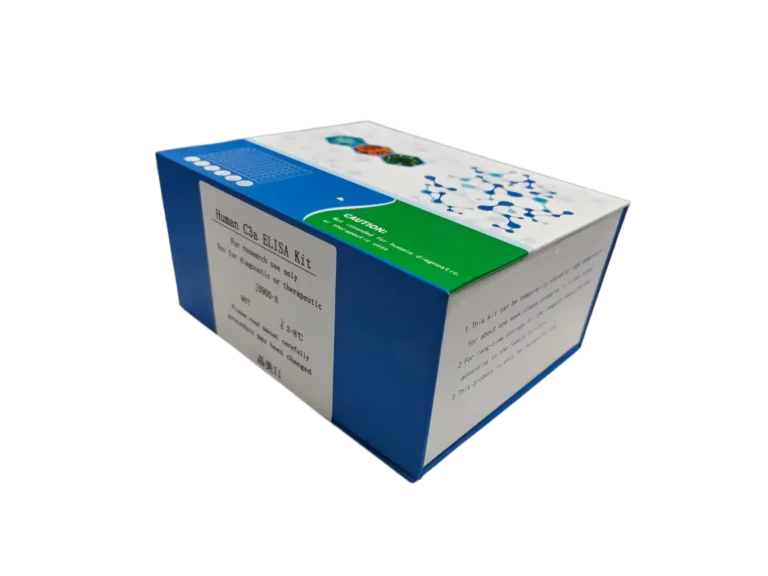
To order this Mouse Ovalbumin‑Specific IgE (OVA‑sIgE) ELISA Kit – a specialised Inflammatory factor ELISA kit for allergy research – or to inquire about volume discounts, custom development, and bulk orders, please contact our sales team.