
Target Identity – Important Clarification
This kit measures total mouse ribonucleoprotein (RNP) , encompassing a broad range of RNP complexes including small nuclear RNPs (snRNPs) and heterogeneous nuclear RNPs (hnRNPs). It does not detect a single subtype. Furthermore, it quantifies the RNP antigen itself, not anti-RNP autoantibodies. Please ensure this matches your experimental endpoint.
Key Features
- Total RNP Detection: Captures multiple RNP complexes (snRNPs, hnRNPs) for a comprehensive assessment of ribonucleoprotein levels.
- No Cross-Reactivity with Common Autoantigens: Specifically validated and shown no significant cross-reactivity with Sm, SSA/Ro, or SSB/La. No interference from other soluble structural analogues.
- Immune Complex Dissociation Protocol: In autoimmune models, anti-RNP autoantibodies can mask the analyte. A validated pre-treatment (acid or chemical dissociation) is provided to release RNP from immune complexes for total RNP quantitation.
- Optimized for Intracellular Targets: Tissue homogenates and cell lysates are the recommended sample types. RIPA lysis buffer with protease inhibitors is advised for efficient nuclear extraction.
- High Sensitivity & Defined Range: Standard curve: 0, 3, 6, 12, 24, 48 ng/mL; quantitative range 1.0–48 ng/mL; sensitivity <1.0 ng/mL.
- Built-in 5× In-Well Dilution: Add 10 µL sample + 40 µL Sample Diluent; multiply the interpolated result by 5 to obtain the actual concentration.
- Ready-to-Use Liquid Standards: Recombinant RNP standards produced in a eukaryotic system; no reconstitution needed.
- One-Step Sandwich ELISA: Co-incubation of sample and HRP-detection antibody; total assay time ~2 hours.
- Excellent Precision: Intra- and inter-assay CV <15%; standard curve linearity R ≥0.9900.
- Broad Sample Compatibility: Serum, plasma, cell culture supernatant, body fluids (urine, CSF, saliva, ascitic fluid), and tissue homogenates – with tailored preparation protocols.
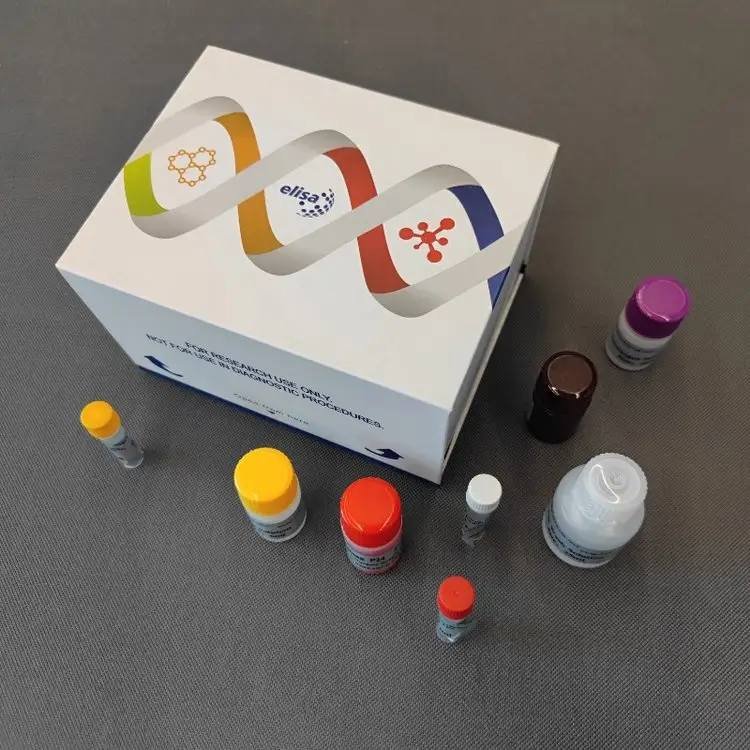
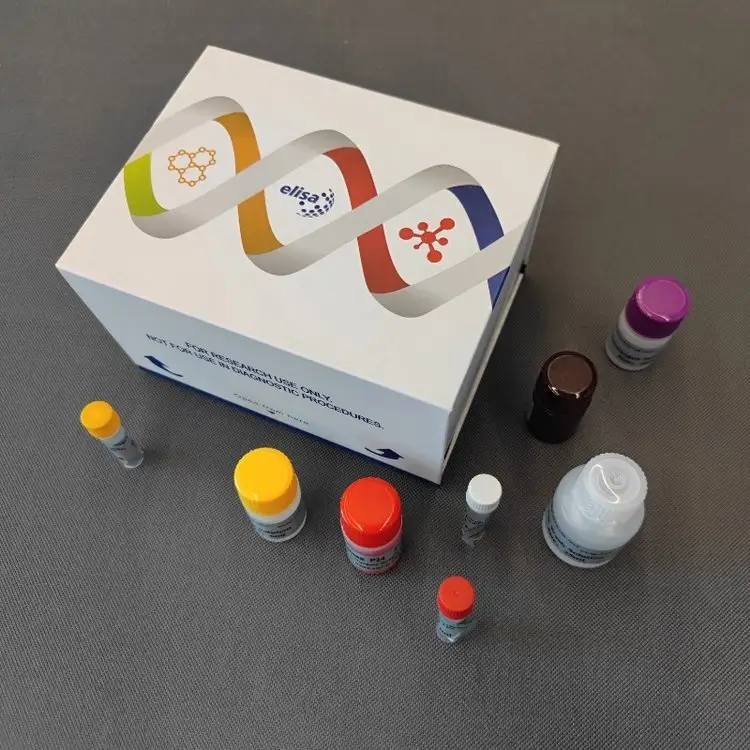
- Export-Ready: Neutral white box, cold-chain shipping (2–8°C), 6-month shelf life. MSDS available upon request.
Product Description
Ribonucleoproteins (RNPs) are complexes of RNA and RNA-binding proteins that orchestrate pre-mRNA splicing, mRNA transport, and translational regulation. In mouse models, total RNP levels serve as biomarkers for systemic autoimmunity (e.g., lupus), cellular stress responses, and tissue injury. However, accurate quantitation is challenged by the intracellular localization of RNP and the presence of circulating anti-RNP immune complexes that can mask epitopes.
The Yanda-Mouse-RNP ELISA Kit uses a one-step double-antibody sandwich ELISA. A pre-coated capture antibody binds total mouse RNP, and an HRP-conjugated detection antibody is added simultaneously. The assay includes a dedicated immune complex dissociation protocol – a brief acid or detergent-based pre-treatment that liberates RNP from autoantibody complexes, enabling measurement of total (free + complexed) RNP.
Sample Collection & Immune Complex Dissociation
Recommended Sample Hierarchy
Because RNP is predominantly nuclear, tissue homogenates and cell lysates are strongly preferred over serum or plasma. The latter may contain RNP-autoantibody complexes that require dissociation.
Sample Collection
| Sample Type | Preparation |
|---|---|
| Tissue Homogenate (recommended) | Perfuse organ with cold PBS, mince, add RIPA lysis buffer with protease inhibitors, homogenize on ice, sonicate to shear DNA, centrifuge at 5000×g for 10 min at 4°C. Collect supernatant. |
| Cell Lysate (recommended) | Wash cells with cold PBS, resuspend at 1×10⁷ cells/mL in RIPA buffer + protease inhibitors, sonicate on ice, centrifuge at 3000 rpm for 20 min at 4°C. |
| Serum / Plasma | Collect as per standard protocols. Perform immune complex dissociation before assay (see below). |
| Cell Culture Supernatant | Centrifuge at 3000 rpm for 10 min; may contain secreted RNPs. |
| Urine, CSF, Saliva, Ascitic Fluid | Centrifuge at 3000 rpm for 20 min at 2–8°C. |
RIPA Lysis Buffer Formulation (Recommended)
For effective nuclear RNP extraction, use a high-stringency RIPA buffer:
- 1% Triton X-100
- 1% sodium deoxycholate
- 0.1% SDS
- 50 mM Tris-HCl (pH 7.4)
- 150 mM NaCl
Always add fresh protease inhibitors (e.g., PMSF or cocktail) before use. If the lysate becomes viscous from released DNA, sonicate on ice until fluidity is restored.
Immune Complex Dissociation for Serum/Plasma
In autoimmune mouse models (e.g., MRL/lpr), circulating anti-RNP antibodies form complexes that can interfere with detection. To ensure total RNP measurement, treat samples before the assay using one of the following methods:
Chemical Dissociation:
- Mix 100 µL of sample with 50 µL of dissociation buffer (e.g., 0.3% Triton X-100, 1.5% CHAPS, 15% SDS).
- Incubate at 56°C for 30 minutes.
- Cool on ice, then proceed to the ELISA. The dissociation buffer will be further diluted in the assay and does not interfere with antibody binding.
Acid Dissociation:
- Adjust sample pH to 3.0 using a mild acid (e.g., glycine-HCl buffer).
- Incubate at room temperature for 15 minutes.
- Neutralize with an equal volume of neutralization buffer before adding to the well.
Note: Perform a pilot study comparing dissociated vs. non-dissociated aliquots to evaluate the contribution of immune complexes in your specific model.
Storage
- Short-term: 2–8°C for up to 6 days.
- Long-term: -20°C (≤1 month) or -80°C (≤2 months). Avoid repeated freeze-thaw. Re-centrifuge if precipitates form.
- No sodium azide (NaN₃) – inhibits HRP.
Critical Dilution Factor
The assay applies a 5-fold dilution in the well: 10 µL sample + 40 µL Sample Diluent. The interpolated concentration represents the diluted sample. Multiply the result by 5 to obtain the concentration in the original (or dissociated) sample.
If you pre-diluted the sample further (e.g., 1:4), the total multiplication factor is 5 × 4 = 20.
Pre-Dilution Optimization
Due to the lack of universal reference values, we strongly recommend a pilot gradient dilution for each new sample type or disease model:
| Sample Type | Suggested Test Dilutions |
|---|---|
| Normal tissue homogenate | 1:2, 1:4, 1:10 |
| Normal serum/plasma | 1:2, 1:4 |
| Autoimmune tissue (e.g., spleen) | 1:10, 1:20, 1:50 |
Choose the dilution that yields an OD value within the 5–25 ng/mL mid-range of the standard curve, where precision is optimal. Evaluate recovery and linearity across dilutions.
Technical Specifications
| Parameter | Specification |
|---|---|
| Standard Concentrations (S0–S5) | 0, 3, 6, 12, 24, 48 ng/mL |
| Quantitative Range | 1.0 – 48 ng/mL |
| Analytical Sensitivity | < 1.0 ng/mL |
| Accuracy (Linearity) | Standard curve R ≥ 0.9900 |
| Precision | Intra-assay CV < 15%; Inter-assay CV < 15% |
| Specificity | Detects total mouse RNP (snRNPs, hnRNPs). No significant cross-reactivity with Sm, SSA/Ro, SSB/La, or other soluble structural analogues. |
| Sample Dilution Factor | 5× (in-well); additional pre-dilution may be required |
| Shelf Life | 6 months |
| Storage & Transport | 2–8°C, protected from light and moisture; cold-chain shipping |
Representative Standard Curve
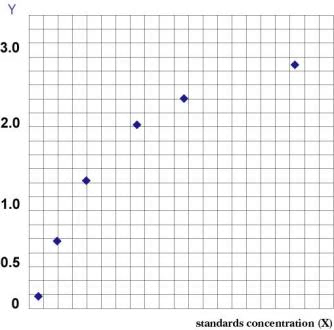
For spike-recovery and dilution linearity data, please refer to the product instruction manual or contact technical support.
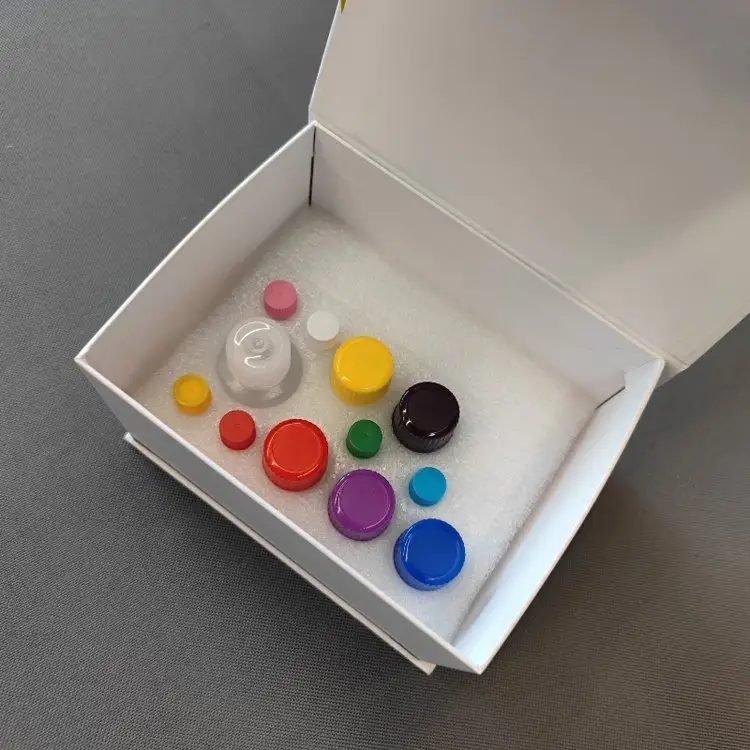
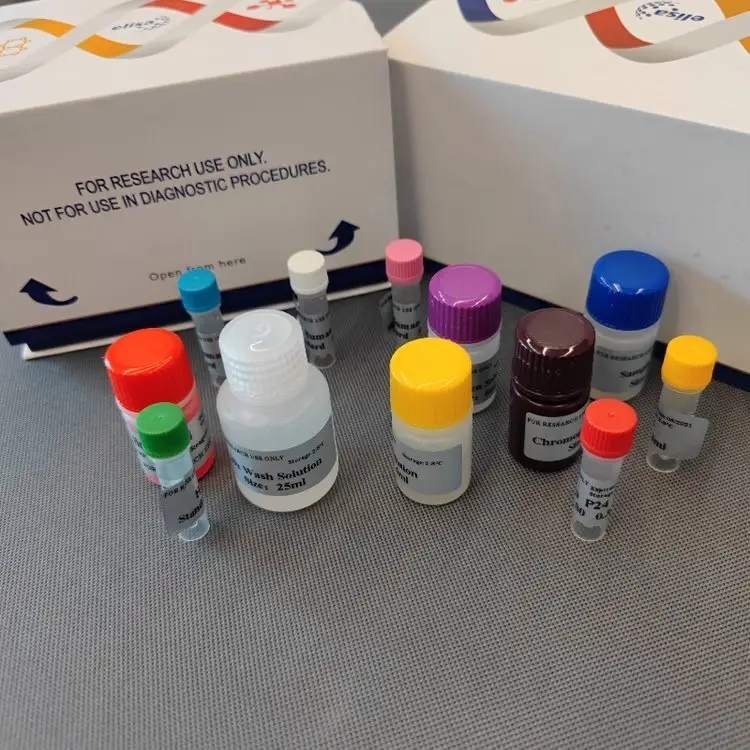
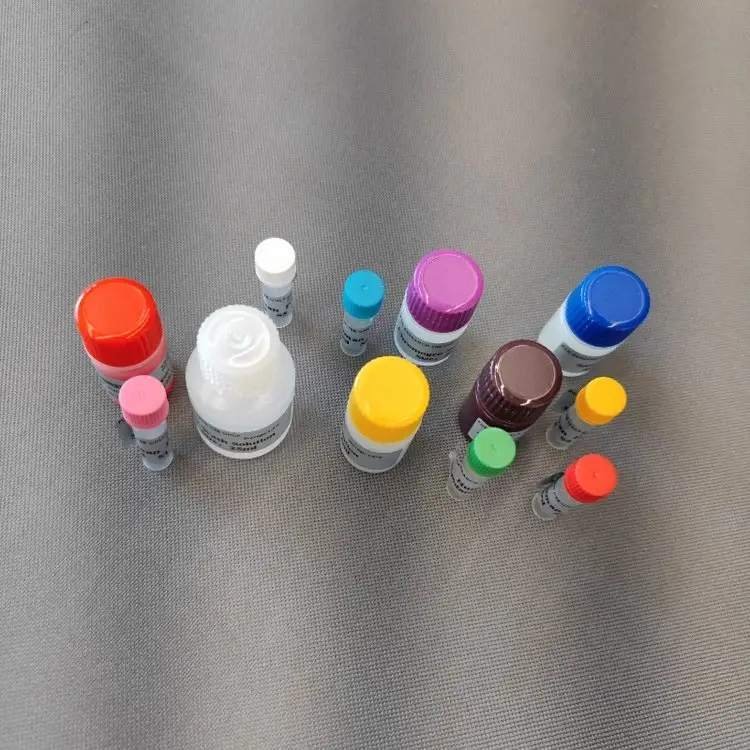
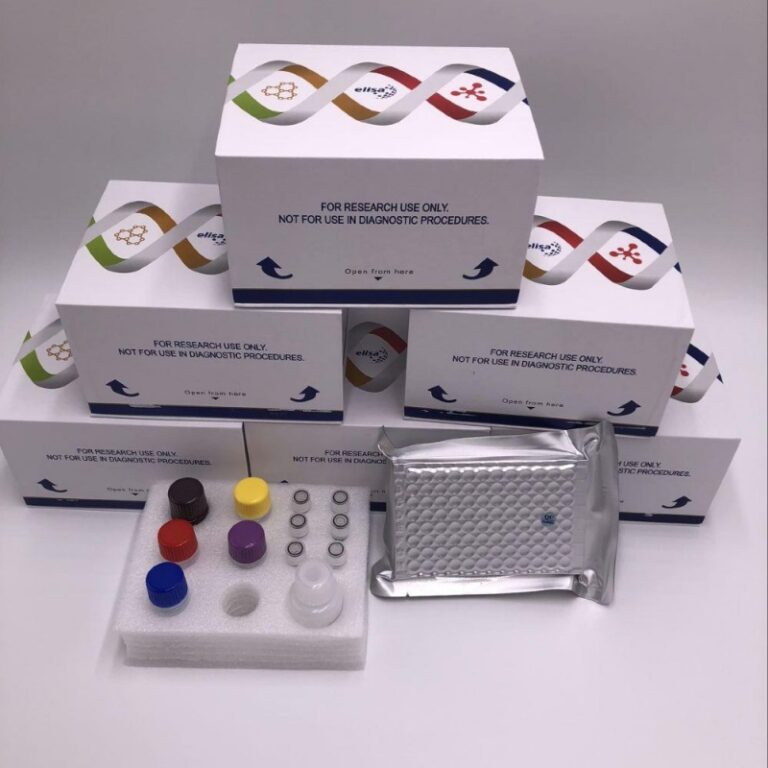
Kit Components
96-Well Format
| Component | Quantity | Notes |
|---|---|---|
| Microelisa Stripplate | 8 wells × 12 strips | Pre-coated with anti-mouse RNP antibody |
| Standard (0.3 mL/vial) | 6 vials | Ready-to-use liquid, 0–48 ng/mL |
| Sample Diluent | 6 mL | – |
| HRP-Conjugated Detection Antibody | 10 mL | Ready-to-use |
| 20× Wash Buffer | 25 mL | Dilute to 1× before use |
| Substrate A | 6 mL | – |
| Substrate B | 6 mL | – |
| Stop Solution | 6 mL | – |
| Plate Sealers | 2 sheets | – |
| Instruction Manual | 1 copy | – |
| Self-sealing Bag | 1 piece | For unused strip storage |
48-Well Format
| Component | Quantity | Notes |
|---|---|---|
| Microelisa Stripplate | 8 wells × 6 strips | Pre-coated |
| Standard (0.3 mL/vial) | 6 vials | Ready-to-use liquid |
| Sample Diluent | 3 mL | – |
| HRP-Conjugated Detection Antibody | 5 mL | Ready-to-use |
| 20× Wash Buffer | 15 mL | Dilute to 1× |
| Substrate A | 3 mL | – |
| Substrate B | 3 mL | – |
| Stop Solution | 3 mL | – |
| Plate Sealers | 2 sheets | – |
| Instruction Manual | 1 copy | – |
| Self-sealing Bag | 1 piece | – |
Crystallization of 20× Wash Buffer upon cold storage is normal; warm in a water bath until crystals dissolve before dilution.
Assay Procedure Summary
- Equilibrate: Warm the sealed pouch to room temperature for 20 min. Remove required strips; reseal unused strips at 4°C.
- Add Standards & Samples:
- Standard wells: 50 µL of each standard.
- Sample wells: 10 µL of (dissociated) sample + 40 µL Sample Diluent.
- Blank well(s): Leave empty.
- Add Detection Antibody: Add 100 µL HRP-conjugated detection antibody to all wells except blank. Seal and incubate at 37°C for 60 min.
- Wash: Aspirate, blot dry. Fill wells with 1× Wash Buffer, soak 1 min, discard. Repeat 5 times (automated: 350 µL/well, 1-min soak).
- Substrate: Add 50 µL each of Substrate A and Substrate B. Incubate in the dark at 37°C for 15 min.
- Stop & Read: Add 50 µL Stop Solution. Read absorbance at 450 nm within 15 min.
Total hands-on time: ~2 hours (excluding dissociation and extraction).
Materials Required but Not Supplied:
- Microplate reader (450 nm)
- Pipettes (0.5–1000 µL)
- 37°C incubator or water bath
- Distilled water
- RIPA lysis buffer, protease inhibitors, sonicator
- Dissociation reagents (for immune complex treatment)
Throughput
| Format | Max. Samples (Single Wells) |
|---|---|
| 48-well | 39–40 |
| 96-well | 85–88 |
Includes 6 standard wells and 1–2 blank wells. For duplicates, divide accordingly.
Related Product
- Mouse FDX1 (Adrenodoxin) ELISA Kit-Ferredoxin 1 Quantitation
- Mouse 2-Arachidonoylglycerol (2-AG) ELISA Kit – For Endocannabinoid Research
- Mouse Sphingosine-1-phosphate (S1P) ELISA test Kit – Delivers a sensitive and stable solution for quantifying this potent bioactive signaling lipid in mouse serum, plasma, and tissue lysates.
- Mouse RASSF6 ELISA Kit – For Cancer & Cellular Signaling Research
Frequently Asked Questions
Q: Does this kit measure total RNP or a specific subtype?
A: It measures total mouse RNP, including snRNPs and hnRNPs. It is not specific to a single subtype like U1-RNP.
Q: Can I use serum instead of tissue?
A: Yes, but RNP levels in serum are typically low and may be further masked by anti-RNP immune complexes. We recommend tissue homogenates or cell lysates for robust detection. If using serum, apply the immune complex dissociation protocol.
Q: How do I handle immune complex interference?
A: Use the provided chemical or acid dissociation protocol before the assay. This frees RNP from antibody complexes, enabling measurement of total RNP.
Q: Does the kit cross-react with Sm, SSA, or SSB?
A: No. No significant cross-reactivity has been observed with Sm, SSA/Ro, SSB/La, or other common autoantigens.
Q: What lysis buffer should I use for tissue?
A: High-stringency RIPA buffer (1% Triton X-100, 1% sodium deoxycholate, 0.1% SDS in Tris/NaCl) with fresh protease inhibitors is recommended. Sonicate to shear DNA if the lysate is viscous.
Q: Is this kit specific for mouse only?
A: Yes, it is validated for mouse samples. Cross-reactivity with rat or human RNP has not been established.
Q: How should I determine the optimal dilution for my samples?
A: Run a pilot experiment with serial dilutions (e.g., 1:2, 1:4, 1:10). Choose the dilution that gives an OD in the 5–25 ng/mL range of the standard curve.
Ordering & Contact Information
| Item | Details |
|---|---|
| Catalog Number | Yanda-Mouse-RNP |
| Formats | 48-well / 96-well |
| Package Dimensions | 16 cm × 12.5 cm × 9.5 cm (neutral white box) |
| Shipping | Cold-chain (2–8°C), protected from light and moisture |
| Storage | 2–8°C; do not freeze |
| Shelf Life | 6 months |
| Intended Use | For research use only, not for diagnostic procedures |
Contact us
- WhatsApp: +86 198 3186 0669
- Email: songhawyble@gmail.com
For pricing, bulk orders, or export documentation, please reach out directly.
Technical Documents & Support
- Instruction Manual
- MSDS & Certificate of Composition – Available upon request.
- Technical Support – For dissociation protocols, lysis buffer advice, or validation data, contact us via WhatsApp or email.
Disclaimer
This product is for laboratory research use only and is not approved for clinical diagnosis, treatment, or prognosis. The manufacturer assumes no liability for improper use, protocol deviations, or unauthorized applications. Users are responsible for validating assay performance in their own sample matrices and experimental conditions.