
Key Features
- Measures Total 5-HT2BR Protein, Not Binding Activity — Quantifies rat serotonin receptor 2B protein mass (pg/mL) via sandwich ELISA. The antibodies recognize a specific peptide epitope, independent of ligand binding or activation state. This provides a direct readout of receptor expression levels.
- Optimized for Membrane Receptor Extraction — 5-HT2BR is a seven-transmembrane GPCR. Standard saline homogenization is ineffective. We recommend RIPA buffer or 1% Triton X-100 lysis with protease inhibitors, followed by a mandatory ≥10-fold dilution to reduce SDS to ≤0.01% and ensure antibody compatibility.
- No Cross‑Reactivity with 5‑HT2A or 5‑HT2C — Highly specific for the 2B receptor subtype. Does not cross‑react with rat 5‑HT2A, 5‑HT2C, or 5‑HT1B receptors, enabling unambiguous quantification in tissues co‑expressing multiple serotonin receptors.
- Ligand & Drug Interference Clarified — Endogenous serotonin (5‑HT) and receptor antagonists (e.g., ketanserin) bind the ligand pocket and do not obstruct the antibody epitope. High concentrations of drugs that induce significant conformational changes may theoretically affect antibody binding; appropriate controls are recommended.
- Ready‑to‑Use Liquid Standards — Six standards supplied (0, 15, 30, 60, 120, 240 pg/mL); no reconstitution required. Standard concentrations refer to stock solution values. Final sample concentrations must be calculated by multiplying the interpolated in‑well value by the dilution factor.
- Built‑in 5× Sample Dilution — 10 μL sample + 40 μL Sample Diluent per well; multiply the interpolated result by 5 and any additional pre‑dilution factor.
- Sensitive Detection for Low‑Abundance Receptor — Quantitative range 1.0–240 pg/mL, ELISA kit sensitivity <1.0 pg/mL. Works well with tissue lysates without the need for concentration. A pilot dilution series of 1:2, 1:5, and 1:10 is recommended.
- One‑Step Sandwich ELISA — Co‑incubation of sample and HRP‑detection antibody; total assay time ~2 hours.
- Excellent Precision — Intra‑ and inter‑assay CV <15%; standard curve R ≥0.9900.
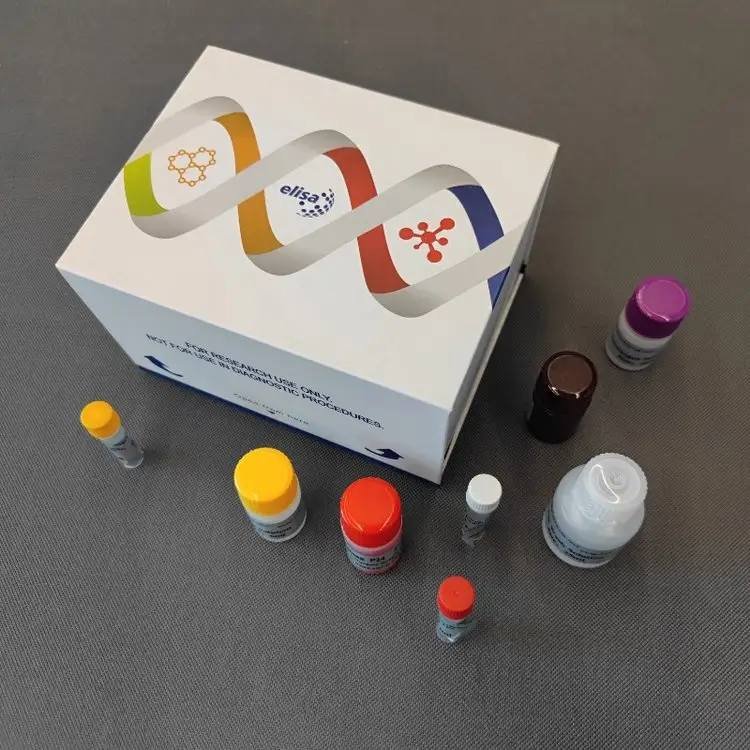
- Export‑Ready — Neutral white box (16 × 12.5 × 9.5 cm), cold‑chain shipping (2–8°C), 6‑month shelf life. MSDS available upon request.
Product Description
The 5‑hydroxytryptamine receptor 2B (5‑HT2BR) is a G‑protein coupled receptor (GPCR) that mediates serotonin signaling in the cardiovascular system, liver, and brain. In rats, 5‑HT2BR is implicated in pulmonary arterial hypertension, cardiac valve fibrosis, hepatic stellate cell activation, and neurogenesis. Quantifying receptor protein levels is essential for understanding receptor up‑/down‑regulation in disease models and preclinical drug evaluation.
The Yanda-Rat-5-HT2BR ELISA Kit uses a one‑step double‑antibody sandwich format. A capture antibody pre‑coated on the plate binds a specific epitope on the rat 5‑HT2BR protein, and an HRP‑conjugated detection antibody is added simultaneously. After washing, TMB substrate produces a signal directly proportional to the receptor concentration, measured at 450 nm.
Important: This kit provides quantitative receptor protein concentration (pg/mL), not functional binding data. It is validated for rat samples only and does not recognize mouse or human 5‑HT2BR.
Sample Collection & Preparation
Recommended Sample Types
| Priority | Sample Type | Notes |
|---|---|---|
| ★★★ | Tissue homogenate (pulmonary artery, heart, liver, brain) | Highest receptor expression; RIPA lysis + ultrasound required |
| ★★☆ | Cell lysate (transfected cells, primary smooth muscle cells) | RIPA lysis required |
| ★☆☆ | Serum / Plasma | Not recommended. 5‑HT2BR is a membrane receptor; free soluble receptor fragments are extremely low and generally undetectable |
Membrane Protein Extraction Protocol
- Homogenization: Weigh fresh or frozen tissue. Mince and rinse with ice‑cold PBS. Add ice‑cold RIPA buffer (50 mM Tris‑HCl, pH 7.4, 150 mM NaCl, 1% Triton X‑100, 0.5% sodium deoxycholate, 0.1% SDS) containing fresh protease inhibitor cocktail at a ratio of 1:9 (w/v). Homogenize on ice using a glass‑Teflon grinder.
- Ultrasonication: For dense tissues such as brain or blood vessels, further disrupt the homogenate using a probe sonicator in an ice bath. Set the power to 40–60% of the instrument maximum, apply pulse mode (3–5 sec ON, 5–6 sec OFF) for a total processing time of 3–5 minutes. Avoid foaming and overheating.
- Centrifugation: Centrifuge the lysate at 12,000 × g (or ~12,000 rpm) for 10–12 minutes at 4°C. Collect the clear supernatant, avoiding the lipid layer.
- Critical Dilution: Before ELISA, dilute the RIPA supernatant at least 10‑fold with the provided Sample Diluent. This ensures that the final SDS concentration is ≤0.01% (v/v), preventing detergent interference with antigen‑antibody binding.
Pre‑Dilution Guide for Tissue Lysates
5‑HT2BR is a low‑abundance receptor. Start with a pilot experiment using 1:2, 1:5, and 1:10 dilutions of the tissue lysate (after the 10‑fold dilution for detergent control). Choose the dilution that yields OD values in the mid‑range of the standard curve. If all readings fall below the lower limit, use a lower dilution (e.g., 1:2 or neat sample after minimal dilution). Concentration is generally not required.
Storage & NaN₃ Prohibition
- Aliquot samples and store at -20°C or -80°C. Avoid repeated freeze‑thaw cycles.
- Sodium azide (NaN₃) is strictly prohibited; it irreversibly inhibits HRP.
Dilution & Calculation
- In‑well dilution: 10 μL pre‑diluted sample + 40 μL Sample Diluent = 5‑fold dilution.
- Standard curve: Standard concentrations (0–240 pg/mL) refer to stock solution values. The interpolated concentration from the standard curve is the in‑well value.
- Final sample concentration (pg/mL) = Interpolated in‑well value × 5 (in‑well dilution) × any additional pre‑dilution factor.
Example: A tissue lysate is first diluted 10‑fold for detergent control, then further pre‑diluted 1:5 before adding to the well. The interpolated reading is 30 pg/mL. Final concentration = 30 × 5 × (10 × 5) = 7,500 pg/mL.
Technical Specifications
| Parameter | Specification |
|---|---|
| Standard Concentrations (S0–S5) | 0, 15, 30, 60, 120, 240 pg/mL (stock solution) |
| Quantitative Range | 1.0 – 240 pg/mL |
| Analytical Sensitivity | < 1.0 pg/mL |
| Accuracy (Linearity) | Standard curve R ≥0.9900 |
| Precision | Intra‑assay CV <15%; Inter‑assay CV <15% |
| Specificity | Highly specific for rat 5‑HT2BR. No cross‑reactivity with 5‑HT2A, 5‑HT2C, or 5‑HT1B receptors. No interference from other soluble analogues. |
| Species Restriction | Validated exclusively for rat samples. Not cross‑reactive with mouse or human 5‑HT2BR. |
| Sample Dilution Factor | 5× (in‑well); additional pre‑dilution required for RIPA lysates |
| Shelf Life | 6 months |
| Storage & Transport | 2–8°C, protected from light; cold‑chain shipping |
Representative Standard Curve
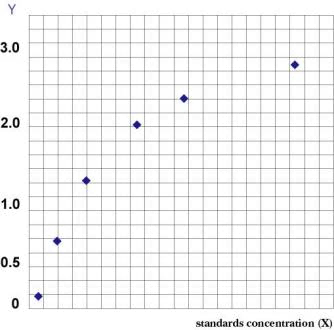
Representative spike‑recovery and dilution linearity data are available in the product instruction manual.
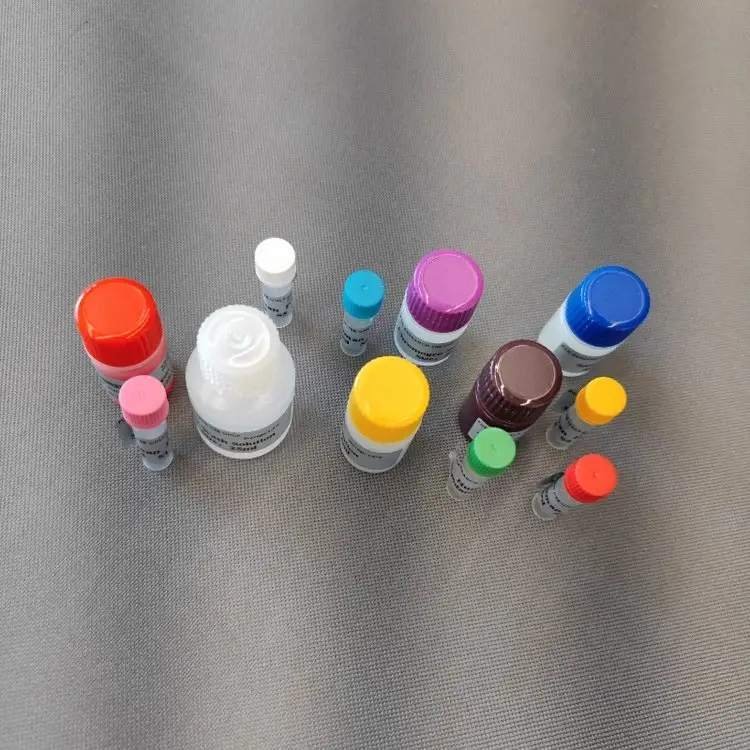
Kit Components
96‑Well Format
| Component | Quantity | Notes |
|---|---|---|
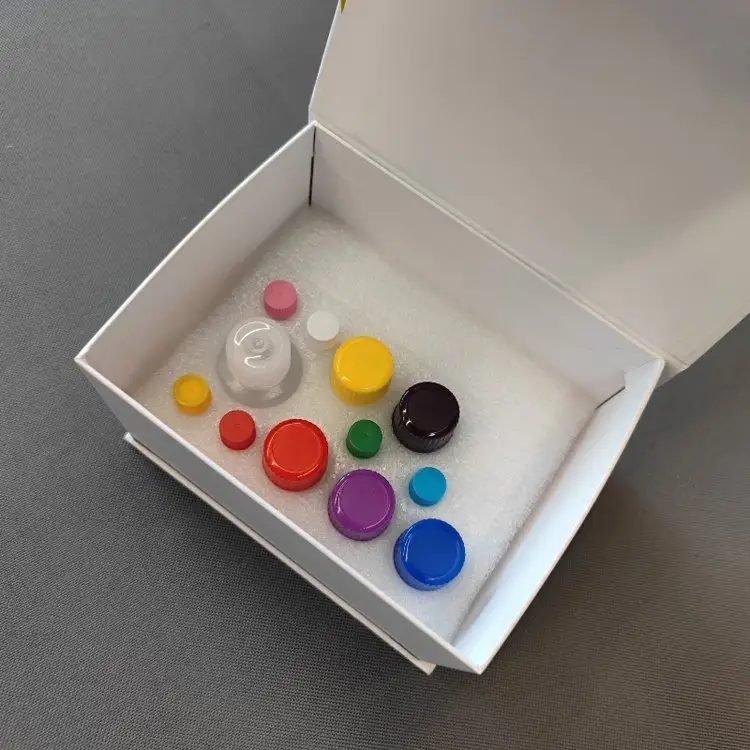
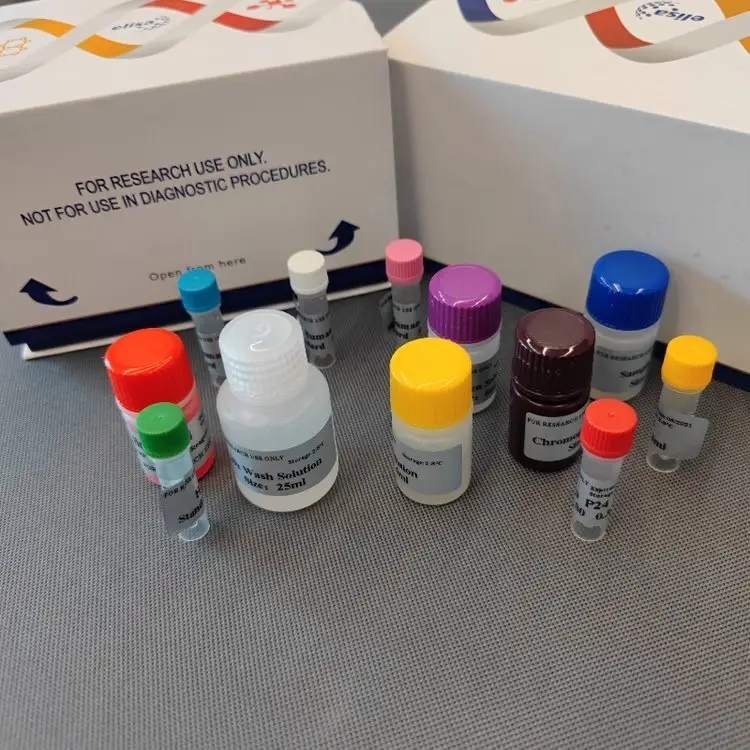
| Microelisa Stripplate | 12 strips × 8 wells | Pre‑coated with anti‑rat 5‑HT2BR antibody |
| Standard (0.3 mL/vial) | 6 vials | Ready‑to‑use liquid, 0–240 pg/mL (stock) |
| Sample Diluent | 6 mL | – |
| HRP‑Conjugated Detection Antibody | 10 mL | Ready‑to‑use |
| 20× Wash Buffer | 25 mL | Dilute to 1× before use |
| Substrate A | 6 mL | – |
| Substrate B | 6 mL | – |
| Stop Solution | 6 mL | – |
| Plate Sealers | 2 sheets | – |
| Instruction Manual | 1 copy | – |
| Self‑sealing Bag | 1 piece | For unused strip storage |
48‑Well Format
| Component | Quantity | Notes |
|---|---|---|
| Microelisa Stripplate | 12 strips × 4 wells | Pre‑coated |
| Standard (0.3 mL/vial) | 6 vials | Ready‑to‑use |
| Sample Diluent | 3 mL | – |
| HRP‑Conjugated Detection Antibody | 5 mL | Ready‑to‑use |
| 20× Wash Buffer | 15 mL | Dilute to 1× |
| Substrate A | 3 mL | – |
| Substrate B | 3 mL | – |
| Stop Solution | 3 mL | – |
| Plate Sealers | 2 sheets | – |
| Instruction Manual | 1 copy | – |
| Self‑sealing Bag | 1 piece | – |
Crystallization of 20× Wash Buffer during cold storage is normal; warm in a water bath until crystals dissolve.
Assay Procedure Summary
- Equilibrate: Warm the foil pouch to room temperature for 20 min. Remove required strips.
- Add Standards & Samples: 50 μL standards; 10 μL pre‑diluted sample + 40 μL Sample Diluent. Blank: leave empty.
- Add HRP‑Antibody: 100 μL HRP‑detection antibody to all wells except blank. Incubate at 37°C for 60 min.
- Wash: Aspirate, wash with 1× Wash Buffer (soak 1 min), repeat 5 times.
- Substrate: 50 μL each of Substrate A and B, incubate dark at 37°C for 15 min.
- Stop & Read: 50 μL Stop Solution, read at 450 nm within 15 min.
Total hands‑on time: ~2 hours.
Throughput
| Format | Max. Samples (Single Wells) |
|---|---|
| 48‑well | 39–40 |
| 96‑well | 85–88 |
Includes 6 standard wells and 1–2 blank wells. For duplicates, divide sample count accordingly.ex. Following a second wash, TMB substrate is added to develop a colorimetric signal proportional to the amount of bound 5-HT2BR. The reaction is stopped, and the optical density is measured at 450nm for precise quantification.
Related Products
- Cost-effective Rat Neurofilament Protein Peptide (NFL) ELISA test kit-Specifically designed for the quantitative detection of Rat NFL in serum, plasma, cell culture supernatants, and tissue homogenates. Essential for neuroscience research, neurodegenerative disease studies, and neurotoxicity assessments.
- Rat 3β-Hydroxysteroid Dehydrogenase (3β-HSD) ELISA Kit – For the precise quantitative measurement of Rat 3β-Hydroxysteroid Dehydrogenase (3β-HSD) enzyme levels in serum, plasma, cell lysates, and tissue homogenates.
- Rat 2,3-Disphosphoglycerate (2,3-DPG) ELISA Kit (Competitive ELISA)
- Rat 5-Alpha Reductase (5AR) ELISA Kit – Precise Enzyme Activity Quantification.
Frequently Asked Questions
Q: Is this a sandwich or competitive ELISA?
A: Sandwich ELISA. The 5‑HT2BR is a large transmembrane protein with multiple epitopes. The assay uses two specific antibodies against distinct regions of the receptor.
Q: How should I extract 5‑HT2BR from tissues?
A: Use RIPA buffer or 1% Triton X‑100 with protease inhibitors. Sonicate dense tissues on ice. After centrifugation, dilute the supernatant at least 10‑fold with Sample Diluent to lower SDS to ≤0.01%.
Q: Does this kit cross‑react with 5‑HT2A or 5‑HT2C?
A: No significant cross‑reactivity with 5‑HT2A, 5‑HT2C, or 5‑HT1B has been observed.
Q: Will serotonin or drugs interfere with the assay?
A: Ligands bind the transmembrane pocket, not the intracellular epitope recognized by the antibodies. They generally do not interfere. High concentrations of drugs that induce massive conformational changes may theoretically affect binding; including a control group is recommended.
Q: What pre‑dilution should I start with?
A: For tissue lysates, start with 1:2, 1:5, and 1:10 dilutions in a pilot experiment. 5‑HT2BR is a low‑abundance receptor; concentration is usually unnecessary.
Q: Can I use serum or plasma?
A: Not recommended. 5‑HT2BR is a membrane receptor and is not present in free soluble form at detectable levels.
Q: Can this kit be used for mouse or human samples?
A: No. The kit is validated exclusively for rat 5‑HT2BR. For mouse models, a mouse‑specific 5‑HT2BR ELISA kit is required.
Q: Are positive control samples provided?
A: No. We recommend preparing your own positive control using rat liver, heart, or pulmonary artery tissue extracted with the RIPA protocol described above.
Q: Are MSDS and export documents available?
A: Yes. MSDS and Certificate of Composition are provided upon request.
Ordering & Contact
| Item | Details |
|---|---|
| Catalog Number | Yanda-Rat-5-HT2BR |
| Formats | 48‑well / 96‑well |
| Package Dimensions | 16 cm × 12.5 cm × 9.5 cm (neutral white box) |
| Shipping | Cold‑chain (2–8°C), protected from light and moisture |
| Storage | 2–8°C; do not freeze |
| Shelf Life | 6 months |
WhatsApp: +86 198 3186 0669 | Email: songhawyble@gmail.com
Technical Documents & Support
- Instruction Manual – Download or request via email.
- MSDS & Certificate of Composition – Available upon request.
- Technical Support – For membrane extraction protocols, receptor specificity, or drug interference questions, contact us via WhatsApp or email.
Disclaimer
For research use only. Not for clinical diagnosis or treatment. Users are responsible for validating assay performance in their own experimental conditions. The manufacturer assumes no liability for improper use or protocol deviations.