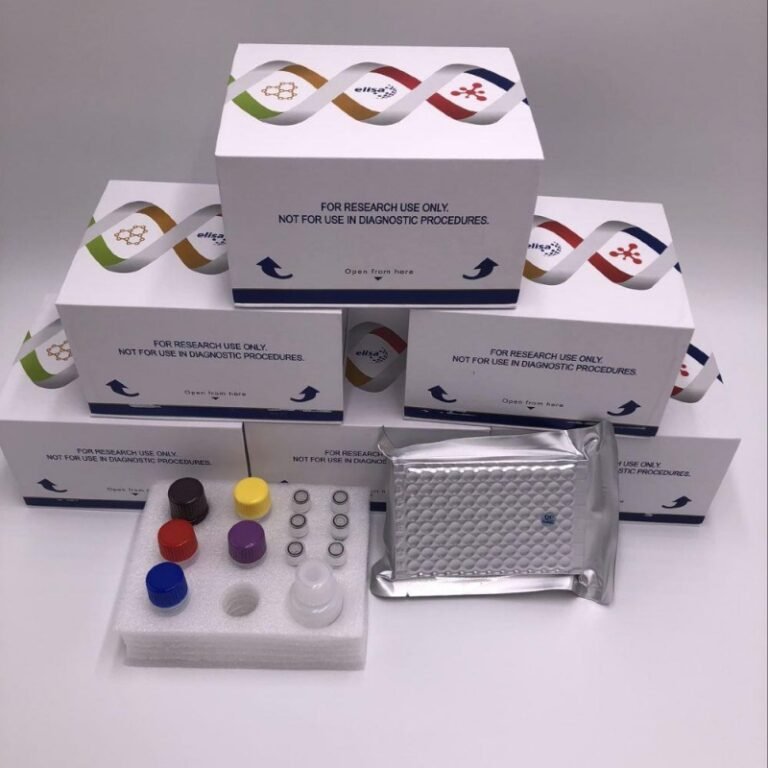

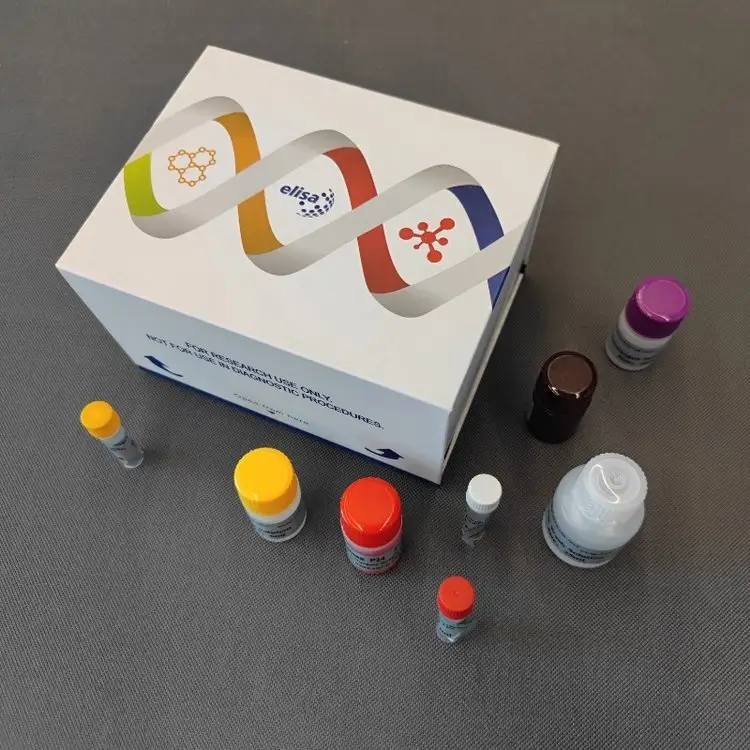
Key Features
- Wide Sample Compatibility: Validated for human serum, plasma, urine, ascitic fluid, cerebrospinal fluid, saliva, cell culture supernatant, tissue homogenates, and swab samples. Dedicated preparation protocols are provided for each matrix.
- Low Cross-Reactivity: Cross-reactivity with estrone (E1) typically ≤2.2%, estriol (E3) ≤1.5%, and estrone sulfate ~0.4%. Specific for estradiol; no reactivity with other soluble structural analogues.
- High Sensitivity: Minimum detectable concentration <1.0 pmol/L; quantitative range 5–240 pmol/L.
- Built-in 5× Sample Dilution: The assay automatically dilutes samples 5-fold in the well (10 µL sample + 40 µL Sample Diluent). Multiply the interpolated concentration by 5 to obtain the value in the original specimen.
- Ready-to-Use Liquid Standards: Six calibrated standards (0, 15, 30, 60, 120, 240 pmol/L) supplied in liquid form — no reconstitution or serial dilution necessary.
- One-Step Sandwich ELISA: Simultaneous incubation of sample/standard and HRP-detection antibody; total assay time approximately 2 hours.
- Reproducible Performance: Intra- and inter-assay CV <15%; standard curve linearity R ≥0.9900.
- Customization Available: If the standard sensitivity does not meet your requirements, we offer custom ELISA development services and biotin-streptavidin amplified systems for enhanced accuracy.
- Storage & Stability: 6-month shelf life at 2–8°C, protected from light and moisture; cold-chain shipping.
Product Description
Estradiol (E2) is the most potent naturally occurring estrogen and plays a central role in reproductive biology, bone metabolism, cardiovascular function, and neuroprotection. Accurate measurement of estradiol in human samples is critical for research into endocrine function, development, aging, and hormone-dependent diseases.
The Yanda-HUMAN-E2 ELISA Kit uses a one-step double-antibody sandwich ELISA method. A microplate pre-coated with an anti-estradiol antibody captures E2 from samples and standards. An HRP-conjugated detection antibody is added simultaneously in a single incubation step. After washing, TMB substrate generates a colorimetric signal proportional to the estradiol concentration. The absorbance is measured at 450 nm, and sample concentrations are interpolated from the standard curve.
Sample Collection & Preparation Guidelines
Liquid Samples
| Sample Type | Preparation |
|---|---|
| Serum | Collect in sterile tubes. Let blood clot naturally at room temperature for 2 h or overnight at 2–8°C. Centrifuge at 3000 rpm for 20 min at 2–8°C. Collect supernatant for immediate testing or store at -20°C/-80°C. Avoid repeated freeze-thaw cycles. |
| Plasma | Use EDTA or heparin sodium as anticoagulant. Mix well and centrifuge within 30 min at 3000 rpm for 20 min at 2–8°C. Collect supernatant. |
| Urine, Ascitic Fluid, CSF, Saliva | Collect in sterile tubes. Centrifuge at 3000 rpm for 20 min at 2–8°C. Collect supernatant. |
| Cell Culture Supernatant | Collect in sterile tubes. Centrifuge at 3000 rpm for 20 min at 2–8°C. Collect supernatant. |
Solid Samples
| Sample Type | Preparation |
|---|---|
| Animal Tissue | Rinse tissue with pre-cooled PBS (0.01 M, pH 7.4). Mince and homogenize in PBS (typically 1:9 w/v, supplemented with protease inhibitors) on ice using a glass homogenizer or tissue grinder. If needed, sonicate the homogenate. Centrifuge at 5000×g for 10 min at 2–8°C and collect supernatant. For fibrous tissues, grind in liquid nitrogen before homogenization. |
| Animal Cells | For adherent cells, wash gently with cold PBS, harvest by trypsinization, and centrifuge at 1000×g for 5 min. For suspension cells, centrifuge directly. Wash cells 3 times with cold PBS. Resuspend in cold PBS at 1×10⁷ cells/mL and disrupt by sonication. Centrifuge at 3000 rpm for 20 min at 2–8°C and collect supernatant. |
| Plant Cells | Dilute cell suspension to ~1×10⁶ cells/mL with PBS (pH 7.2–7.4). Disrupt by sonication on ice. Centrifuge at 3000 rpm for 20 min at 2–8°C and collect supernatant. |
| Swab Samples | Immerse the swab head in 2 mL of PBS (pH 7.2–7.4). Vortex thoroughly, squeeze the swab against the tube wall, and remove. Centrifuge at 2000–3000 rpm for 20 min at 2–8°C. Use the supernatant for testing. |
General Storage Conditions:
- If not assayed immediately, samples can be stored at 2–8°C for up to 6 days. For longer storage, keep at -20°C (≤1 month) or -80°C (≤2 months). Avoid repeated freeze-thaw cycles.
- If precipitates form during storage, centrifuge again before testing.
- Do not use samples containing sodium azide (NaN₃), as it inhibits HRP activity.
Critical Dilution Factor
The assay procedure applies an automatic 5-fold dilution (10 µL sample + 40 µL Sample Diluent) in the well. The concentration read from the standard curve corresponds to this diluted sample. Always multiply the obtained result by 5 to calculate the actual estradiol concentration in the original sample.
The S0 standard (0 pmol/L) serves as the blank/negative control.
For special samples (e.g., urine, saliva, tissue homogenates), optimal dilution factors may need to be determined through pilot experiments.
Technical Specifications
| Parameter | Specification |
|---|---|
| Standard Concentrations (S0–S5) | 0, 15, 30, 60, 120, 240 pmol/L |
| Quantitative Range | 5 – 240 pmol/L |
| Analytical Sensitivity | < 1.0 pmol/L |
| Accuracy (Linearity) | Standard curve R ≥ 0.9900 |
| Precision | Intra-assay CV < 15%; Inter-assay CV < 15% |
| Specificity | Specific for estradiol. Cross-reactivity: Estrone ≤2.2%; Estriol ≤1.5%; Estrone sulfate ~0.4%. No cross-reactivity with other soluble structural analogues. |
| Sample Dilution Factor | 5× (automatically performed in the well) |
| Shelf Life | 6 months |
| Storage & Transport | 2–8°C, protected from light and moisture; cold-chain shipping |
Representative Standard Curve
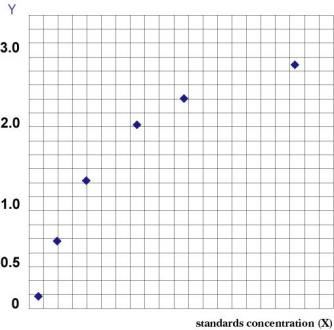
Detailed spike-recovery, dilution linearity, and other validation data are available in the product instruction manual. For further performance information, please contact technical support.
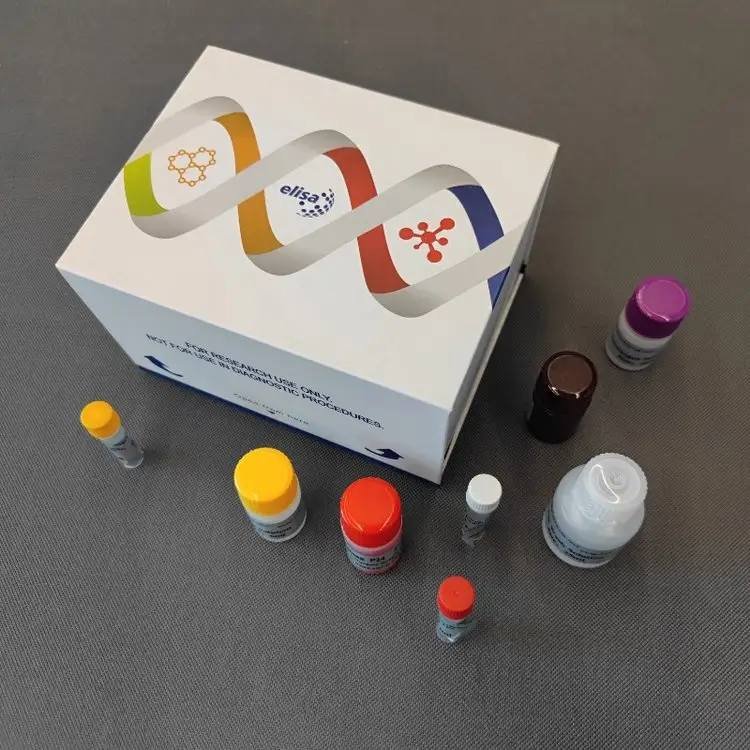
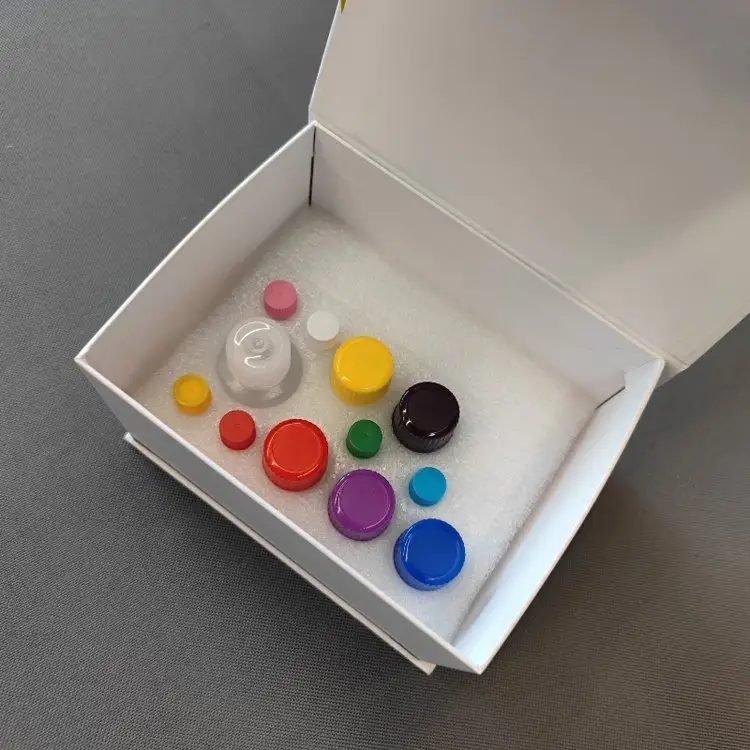
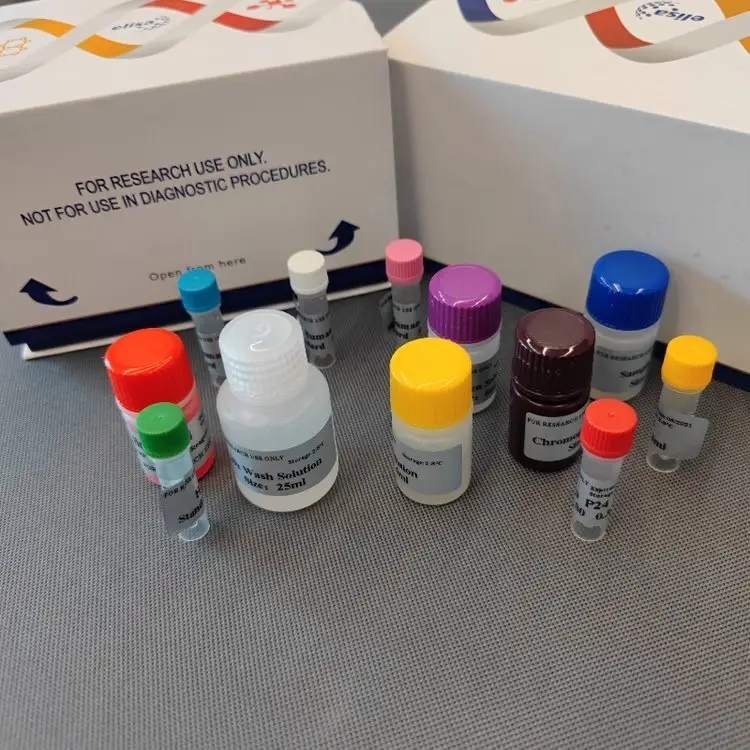
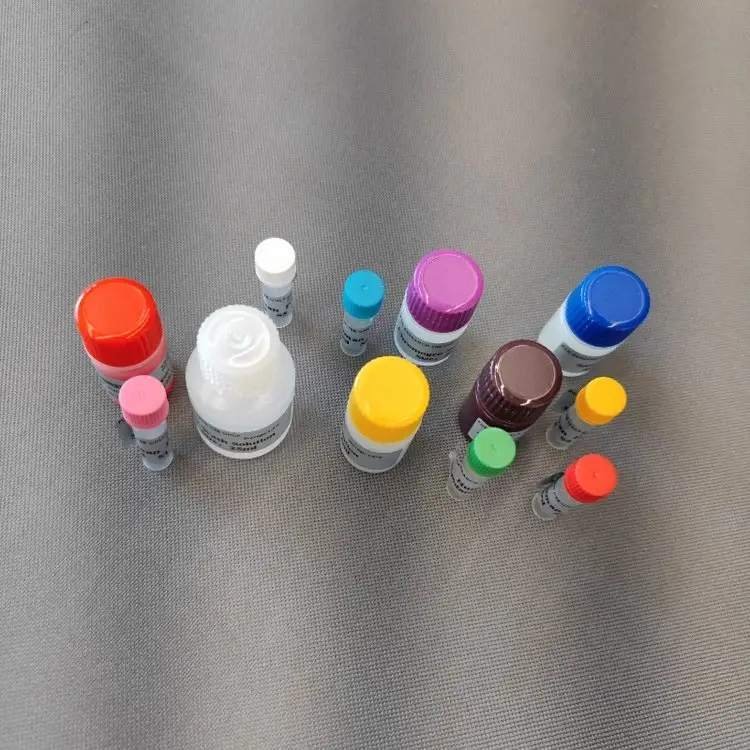
Kit Components
96-Well Format
| Component | Quantity | Notes |
|---|---|---|
| Microelisa Stripplate | 8 wells × 12 strips | Pre-coated with anti-estradiol antibody |
| Standard (0.3 mL/vial) | 6 vials | Ready-to-use liquid, 0–240 pmol/L |
| Sample Diluent | 6 mL | – |
| HRP-Conjugated Detection Antibody | 10 mL | Ready-to-use |
| 20× Wash Buffer | 25 mL | Dilute to 1× before use |
| Substrate A | 6 mL | – |
| Substrate B | 6 mL | – |
| Stop Solution | 6 mL | – |
| Plate Sealers | 2 sheets | – |
| Instruction Manual | 1 copy | – |
48-Well Format
| Component | Quantity | Notes |
|---|---|---|
| Microelisa Stripplate | 8 wells × 6 strips | Pre-coated, removable |
| Standard (0.3 mL/vial) | 6 vials | Ready-to-use liquid |
| Sample Diluent | 3 mL | – |
| HRP-Conjugated Detection Antibody | 5 mL | Ready-to-use |
| 20× Wash Buffer | 15 mL | Dilute to 1× |
| Substrate A | 3 mL | – |
| Substrate B | 3 mL | – |
| Stop Solution | 3 mL | – |
| Plate Sealers | 2 sheets | – |
| Instruction Manual | 1 copy | – |
Note: The concentrated wash buffer may form crystals at 2–8°C; warm in a water bath until fully dissolved before dilution.
Assay Procedure Summary
- Equilibrate: Warm the sealed foil pouch to room temperature for 20 min. Remove required strips and reseal unused strips immediately; store at 4°C.
- Add Standards: Pipette 50 µL of each standard into designated wells.
- Add Samples: Add 10 µL of sample + 40 µL of Sample Diluent to sample wells. Leave blank well(s) empty.
- Add Detection Antibody: Dispense 100 µL of HRP-conjugated detection antibody into all wells except blank. Seal plate and incubate at 37°C for 60 minutes.
- Wash: Aspirate and blot dry. Fill wells with 1× Wash Buffer, let stand for 1 min, then discard. Repeat for 5 washes (automated washer: 350 µL/well, 1-min soak).
- Substrate: Add 50 µL each of Substrate A and Substrate B. Incubate in the dark at 37°C for 15 minutes.
- Stop & Read: Add 50 µL Stop Solution. Read absorbance at 450 nm within 15 minutes.
Total hands-on time: approximately 2 hours.
Materials Required but Not Supplied:
- Microplate reader (450 nm)
- High-precision pipettes (0.5–1000 µL) and tips
- 37°C incubator or water bath
- Distilled/deionized water
- Absorbent paper, wash bottle or automated plate washer
Throughput
| Format | Max. Number of Samples (Single Wells) |
|---|---|
| 48-well | 39–40 samples |
| 96-well | 85–88 samples |
Calculation includes 6 standard wells and 1–2 blank wells. For duplicate wells, divide accordingly.
Customization & Upgraded Systems
If the standard sensitivity of this kit does not meet your experimental requirements, we offer custom ELISA development services tailored to your target concentration range and sample matrix.
We also provide biotin-streptavidin (NHS-biotin/SA) amplified ELISA systems that can further improve sensitivity and accuracy. Please contact our technical team for feasibility assessment and project discussion.
Expand Your Estrogen Profiling Panel
Pair this human estradiol ELISA kit with the following assays to build a comprehensive estrogen metabolism analysis:
- Human Estrone (E1) ELISA Kit – quantify the second major circulating estrogen; together with E2, it provides a full picture of aromatase pathway activity.
- Human Estriol (E3) ELISA Kit – the dominant estrogen of pregnancy; useful for placental function studies and fetal‑placental endocrinology.
- Human Collagen Type (Col) ELISA Kit – Total Collagen Quantitative Assay for Research
- Human Apolipoprotein E (ApoE) ELISA Kit – Quantitative Detection for Research
Explore our expanding catalog of steroid hormone, SHBG, and estrogen conjugate ELISA kits for multi‑analyte endocrine research.
Frequently Asked Questions
Q: Why do I need to multiply my result by 5?
A: The assay protocol dilutes the sample 5-fold directly in the well (10 µL sample + 40 µL diluent). The standard curve accounts for this dilution, so the interpolated concentration is the diluted value. Multiply by 5 to obtain the actual concentration in the original sample.
Q: Can I use hemolyzed or lipemic samples?
A: Hemolyzed or lipemic samples may interfere with the assay. We recommend collecting fresh samples and avoiding hemolysis during preparation. If use is unavoidable, run a pilot test to assess matrix effects.
Q: My sample contains sodium azide as a preservative. Is that a problem?
A: Yes. Sodium azide inhibits HRP activity and must not be present in samples. Use alternative preservatives or dialyze the samples before testing.
Q: How should I handle urine or saliva samples?
A: For these matrices, centrifuge to remove particulates, then perform a pilot experiment to determine the optimal dilution factor. Some samples may require additional dilution beyond the built-in 5× to fall within the standard curve.
Q: What cross-reactivity should I expect with other estrogens?
A: The kit shows typically ≤2.2% cross-reactivity with estrone (E1), ≤1.5% with estriol (E3), and approximately 0.4% with estrone sulfate. No cross-reactivity is observed with other tested analogues.
Q: The wash buffer has crystals. Can I still use it?
A: Yes. Crystallization during cold storage is normal. Warm the buffer in a water bath (≤37°C) until all crystals dissolve, then prepare the 1× working dilution.
Ordering Information
| Item | Details |
|---|---|
| Catalog Number | Yanda-HUMAN-E2 |
| Formats | 48-well / 96-well |
| Package Dimensions | 16 cm × 12.5 cm × 9.5 cm (neutral white box) |
| Shipping | Cold-chain transport (2–8°C), protected from light and moisture |
| Storage | 2–8°C; do not freeze |
| Shelf Life | 6 months |
| Intended Use | For research use only, not for diagnostic procedures |
For pricing, bulk orders, or to discuss custom projects, please contact our sales team at [elisa@yandabiology.com].
Technical Documents & Support
- Instruction Manual – Download instruction or available upon request.
- MSDS – Provided with shipment or upon request.
- Technical Support – For protocol assistance, detailed validation data, or customization inquiries, reach out to [elisa@yandabiology.com].
Disclaimer
Human Collagen Type (Col) ELISA Kit – Total Collagen Quantitative Assay for ResearchThis product is for laboratory research use only and is not approved for clinical diagnosis, treatment, or prognosis in humans or animals. The manufacturer assumes no liability for consequences arising from misuse, protocol deviations, or unauthorized applications. Users are responsible for validating assay performance in their own laboratory and sample matrix.