
Key Features
- Detects Native Human Total Collagen: Antibodies target a common epitope present on multiple collagen types, recognizing the native triple-helical conformation. Designed for pan-collagen quantitation in human research.
- Defined Quantitative Range: 1.0 – 40 ng/mL, supported by a six-point standard curve (0, 2.5, 5, 10, 20, 40 ng/mL).
- High Sensitivity: Minimum detectable concentration < 1.0 ng/mL.
- Recombinant Protein Standards: Produced in a eukaryotic expression system, ensuring proper folding and immunoreactivity.
- Validated Sample Types: Human serum, EDTA/citrate/heparin plasma, cell culture supernatant, and tissue homogenates.
- Optimized Tissue Preparation: Protocol includes mandatory protease inhibitor addition (e.g., 1 mM PMSF) in pre-chilled PBS or mild RIPA buffer to prevent collagen degradation.
- Built-in 5× Sample Dilution: The assay automatically dilutes samples 5-fold (10 µL sample + 40 µL diluent). Multiply the interpolated result by 5 to obtain the actual concentration.
- One-Step Sandwich ELISA: Simultaneous incubation of sample/standard and HRP-detection antibody; total assay time approximately 2 hours.
- Reliable Performance: Intra- and inter-assay CV < 15%; standard curve linearity R ≥ 0.9900.
- Flexible Formats: 48-well and 96-well configurations with removable strips; up to 88 samples per 96-well plate (single wells).
- Storage & Stability: 6-month shelf life at 2–8°C, protected from light and moisture; cold-chain shipping.
Product Description
Collagens are the most abundant proteins in the extracellular matrix and play essential roles in tissue structure, wound healing, fibrosis, and cell signaling. Quantitation of total collagen levels in human samples is critical for research in fibrotic diseases, matrix remodeling, tissue engineering, and musculoskeletal biology.
The Yanda-HUMAN-Col ELISA Kit detects native human total collagen through a common epitope shared across multiple collagen types. It employs a one-step double-antibody sandwich ELISA. A pre-coated capture antibody binds the common collagen epitope, and an HRP-conjugated detection antibody is added simultaneously. After washing, TMB substrate generates a signal proportional to the total collagen concentration. The absorbance is read at 450 nm.
Important: This kit is validated for human samples only and is not recommended for cross-species applications.
Sample Collection & Preparation
Liquid Samples
| Sample Type | Procedure |
|---|---|
| Serum | Collect in pyrogen/endotoxin-free tubes. Let clot, then centrifuge at 3000 rpm for 10 min. Separate serum immediately. |
| Plasma | Use EDTA, citrate, or heparin. Centrifuge at 3000 rpm for 30 min; collect supernatant. |
| Cell Culture Supernatant | Centrifuge at 3000 rpm for 10 min to remove cells and debris. |
Tissue Homogenate – Critical Preparation Steps
Collagens are susceptible to degradation by endogenous proteases. To obtain accurate results, protease inhibitors must be added to the homogenization buffer.
Recommended Protocol:
- Rinse: Quickly rinse fresh tissue with ice-cold PBS to remove blood.
- Homogenize: Add pre-chilled PBS or mild RIPA lysis buffer containing fresh protease inhibitors (e.g., 1 mM PMSF) at a ratio of 1 g tissue : 9 mL buffer (as indicated in the standard protocol). Homogenize thoroughly on ice.
- Centrifuge: Centrifuge at 3000 rpm for 10 minutes at 4°C. Carefully collect the clear supernatant.
Storage
If not tested immediately, aliquot samples and store at -20°C. Avoid repeated freeze-thaw cycles. Thaw completely at room temperature and mix gently before use.
Critical Dilution Factor
The assay automatically performs a 5-fold dilution in the well (10 µL sample + 40 µL Sample Diluent). The concentration interpolated from the standard curve represents the diluted sample. Multiply the obtained result by 5 to calculate the actual total collagen concentration in the original specimen.
The S0 standard (0 ng/mL) serves as the blank/negative control.
Technical Specifications
| Parameter | Specification |
|---|---|
| Standard Concentrations (S0–S5) | 0, 2.5, 5, 10, 20, 40 ng/mL |
| Quantitative Range | 1.0 – 40 ng/mL |
| Analytical Sensitivity | < 1.0 ng/mL |
| Accuracy (Linearity) | Standard curve R ≥ 0.9900 |
| Precision | Intra-assay CV < 15%; Inter-assay CV < 15% |
| Specificity | Recognizes a common epitope of native human collagens. No cross-reactivity with other soluble structural analogues. Validated for human samples; not recommended for cross-species use. |
| Sample Dilution Factor | 5× (automatically performed in the well) |
| Shelf Life | 6 months |
| Storage & Transport | 2–8°C, protected from light and moisture; cold-chain shipping |
Representative Standard Curve
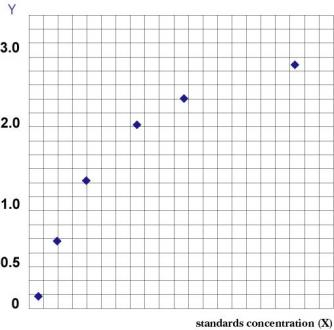
For spike-recovery, dilution linearity, and other validation data, please refer to the product instruction manual or contact technical support.
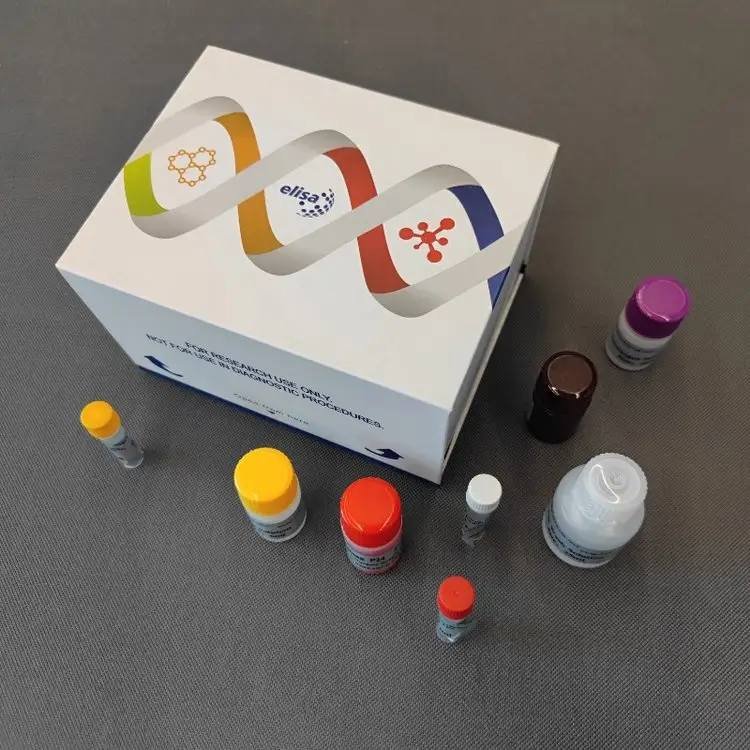
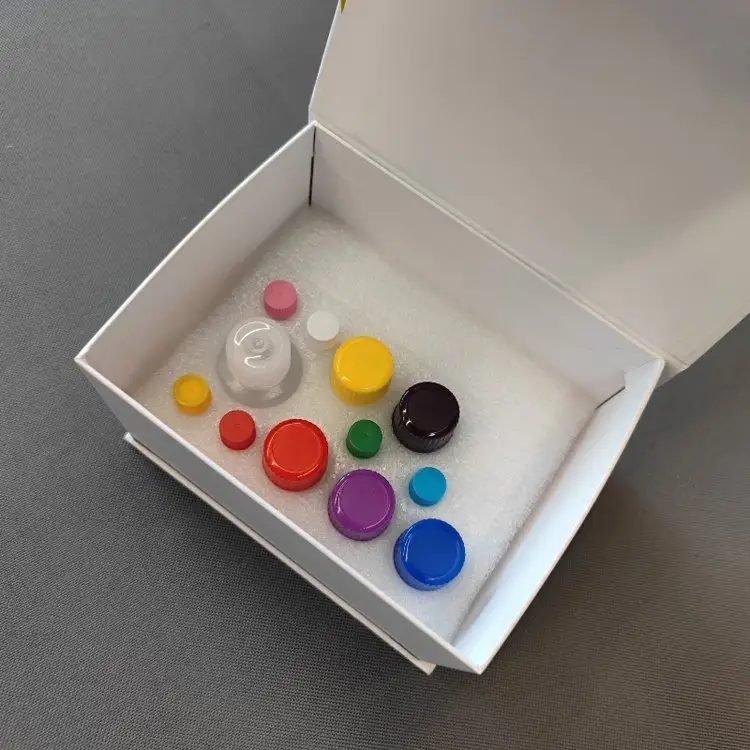
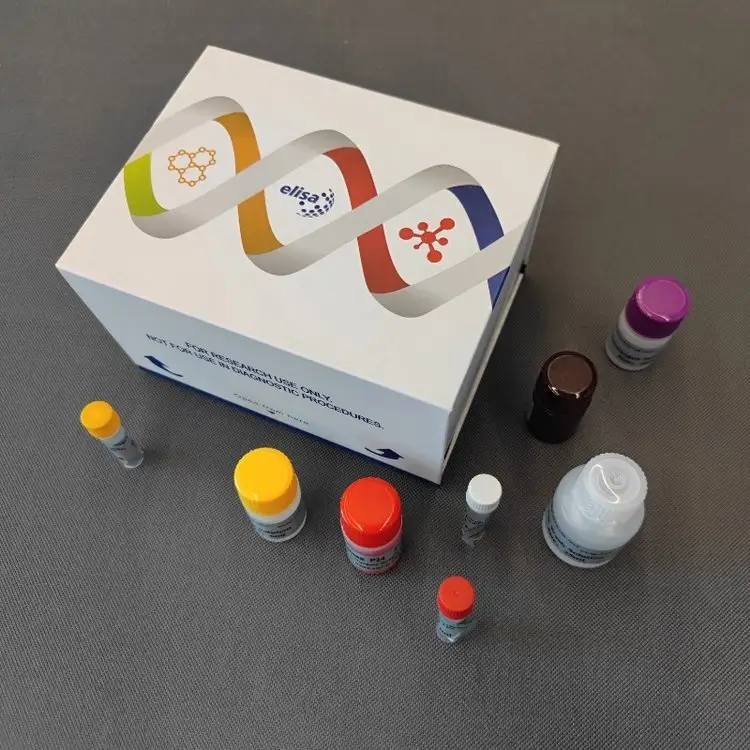
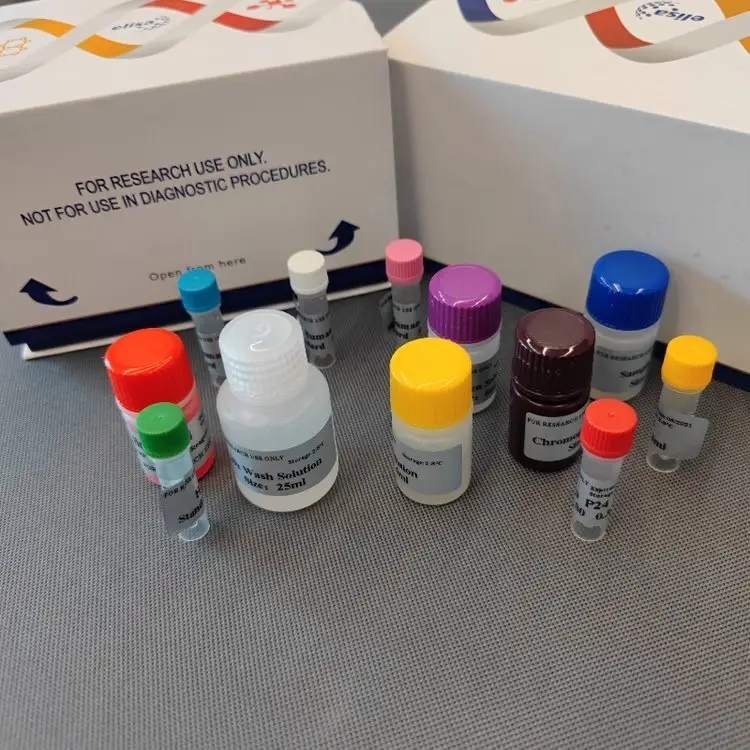
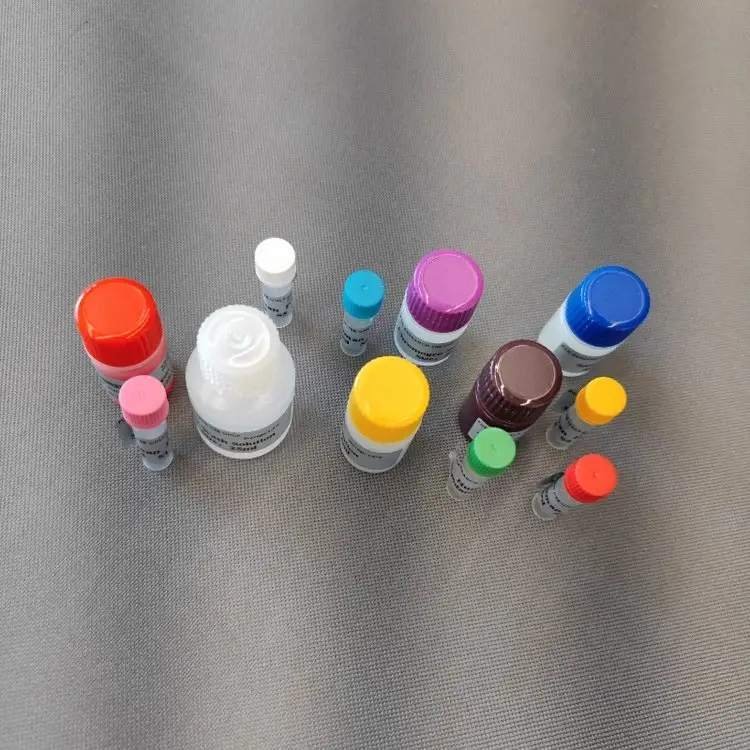
Kit Components
96-Well Format
| Component | Quantity | Notes |
|---|---|---|
| Microelisa Stripplate | 12 strips × 8 wells | Pre-coated with anti-human collagen antibody |
| Standard (0.3 mL/vial) | 6 vials | Ready-to-use liquid, 0–40 ng/mL |
| Sample Diluent | 6 mL | – |
| HRP-Conjugated Detection Antibody | 10 mL | Ready-to-use |
| 20× Wash Buffer | 25 mL | Dilute to 1× before use |
| Substrate A | 6 mL | – |
| Substrate B | 6 mL | – |
| Stop Solution | 6 mL | – |
| Plate Sealers | 2 sheets | – |
| Instruction Manual | 1 copy | – |
| Self-sealing Bag | 1 piece | For storing unused strips |
48-Well Format
| Component | Quantity | Notes |
|---|---|---|
| Microelisa Stripplate | 12 strips × 4 wells | Pre-coated, removable |
| Standard (0.3 mL/vial) | 6 vials | Ready-to-use liquid |
| Sample Diluent | 3 mL | – |
| HRP-Conjugated Detection Antibody | 5 mL | Ready-to-use |
| 20× Wash Buffer | 15 mL | Dilute to 1× |
| Substrate A | 3 mL | – |
| Substrate B | 3 mL | – |
| Stop Solution | 3 mL | – |
| Plate Sealers | 2 sheets | – |
| Instruction Manual | 1 copy | – |
| Self-sealing Bag | 1 piece | – |
Note: The 20× Wash Buffer may crystallize during cold storage; warm in a water bath until crystals dissolve completely before dilution.
Assay Procedure Summary
- Equilibrate: Let the foil pouch reach room temperature for 20 min. Remove required strips; seal unused strips and store at 4°C.
- Add Standards & Samples:
- Standard wells: 50 µL of each standard.
- Sample wells: 10 µL sample + 40 µL Sample Diluent.
- Blank well(s): Leave empty.
- Add Detection Antibody: Add 100 µL of HRP-conjugated detection antibody to all wells except blank. Cover with plate sealer and incubate at 37°C for 60 minutes.
- Wash ELISA Plate: Aspirate and blot dry. Fill each well with 1× Wash Buffer, let stand for 1 min, then discard. Repeat for 5 washes. (Automated washer: 350 µL/well, 1-min soak.)
- Substrate: Add 50 µL each of Substrate A and Substrate B. Incubate in the dark at 37°C for 15 minutes.
- Stop & Read: Add 50 µL Stop Solution. Measure absorbance at 450 nm within 15 minutes.
Total hands-on time: approximately 2 hours.
Materials Required but Not Supplied:
- Microplate reader (450 nm)
- Adjustable pipettes and tips (0.5–1000 µL)
- 37°C incubator or water bath
- Distilled/deionized water
- Absorbent paper, wash bottle or automated plate washer
- Protease inhibitors (e.g., 1 mM PMSF) for tissue homogenization
Throughput
| Format | Max. Number of Samples (Single Wells) |
|---|---|
| 48-well | 39–40 samples |
| 96-well | 85–88 samples |
Includes 6 standard wells and 1–2 blank wells. For duplicate measurements, divide the sample number accordingly.
Related ELISA Kits for Extracellular Matrix Research
Pair this total collagen assay with the following focused kits to dissect fibrosis and tissue remodeling:
- Human Apolipoprotein E (ApoE) ELISA Kit -The precise, seTnsitive quantification of apolipoprotein E in a variety of biological samples.
- Human Dihydrotestosterone (DHT) ELISA Kit – High‑Specificity Sandwich Assay for Androgen Research
- Human CC Chemokine Ligand 12 (CCL12) ELISA Kit– For immunology and cancer studies
- Human Syndecan‑4 (SDC‑4) ELISA Test Kit – For Cell Signaling & Wound Healing Research
Frequently Asked Questions
Q: Why must I multiply the result by 5?
A: The assay dilutes the sample 5-fold directly in the well (10 µL sample + 40 µL diluent). The interpolated concentration reflects this dilution. Multiply by 5 to obtain the actual concentration in the original sample.
Q: Does this kit detect a specific collagen type?
A: No. It detects a common epitope present on native human collagens, providing a total collagen measurement. It does not distinguish between collagen types I, II, III, etc.
Q: Can I use this kit for animal samples?
A: The kit has been validated exclusively for human samples. Cross-reactivity with other species has not been established, and cross-species use is not recommended.
Q: How should I prepare tissue samples to avoid collagen degradation?
A: Collagens are highly susceptible to proteolysis. You must add fresh protease inhibitors (e.g., 1 mM PMSF) to the cold homogenization buffer and keep samples on ice throughout the procedure.
Q: What if my reading exceeds 40 ng/mL after multiplying by 5?
A: Pre-dilute the sample further with the provided Sample Diluent (e.g., 1:2 or 1:5), re-assay, and multiply by both the 5× in-well dilution and the extra dilution factor.
Q: Can I use hemolyzed or lipemic samples?
A: Hemolysis may interfere. We recommend collecting fresh, non-hemolyzed samples. For lipemic samples, centrifuge thoroughly to clear turbidity before testing.
Ordering & Contact Information
| Item | Details |
|---|---|
| Catalog Number | Yanda-HUMAN-Col |
| Formats | 48-well / 96-well |
| Package Dimensions | 16 cm × 12.5 cm × 9.5 cm (neutral white box) |
| Shipping | Cold-chain transport (2–8°C), protected from light and moisture |
| Storage | 2–8°C; do not freeze |
| Shelf Life | 6 months |
| Intended Use | For research use only, not for diagnostic procedures |
Contact us
- WhatsApp: +86 198 3186 0669
- Email: songhawyble@gmail.com
For pricing, bulk orders, or customization inquiries, please contact us via the above channels.
Technical Documents & Support
- MSDS – Supplied with the kit or available on request.
- Technical Support – For validation data, protocol assistance, or troubleshooting, reach out via WhatsApp or email.
Disclaimer
This product is for laboratory research use only and is not approved for clinical diagnosis, treatment, or prognosis in humans or animals. The manufacturer assumes no responsibility for consequences arising from improper use, protocol deviations, or unauthorized applications. Users are responsible for validating assay performance in their own sample matrices and experimental conditions.