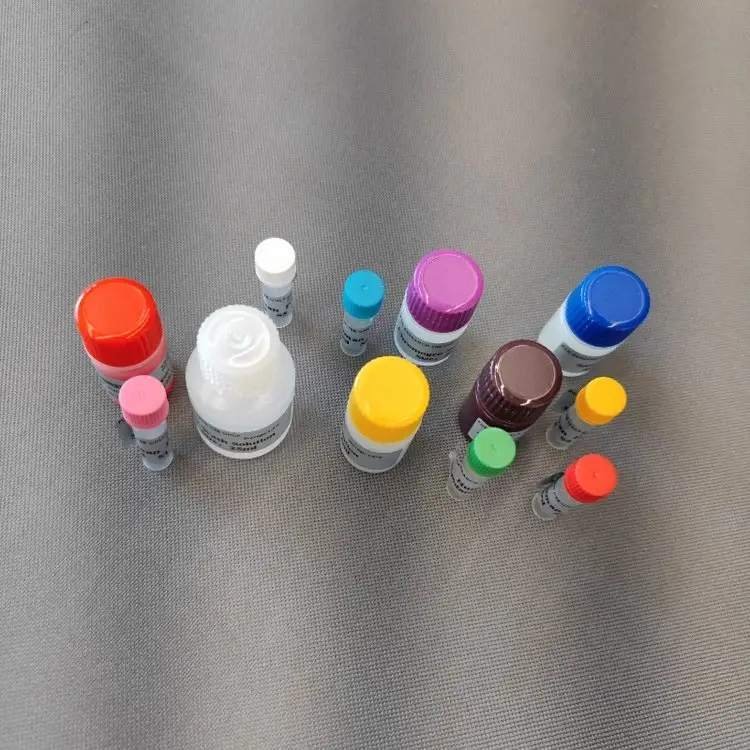

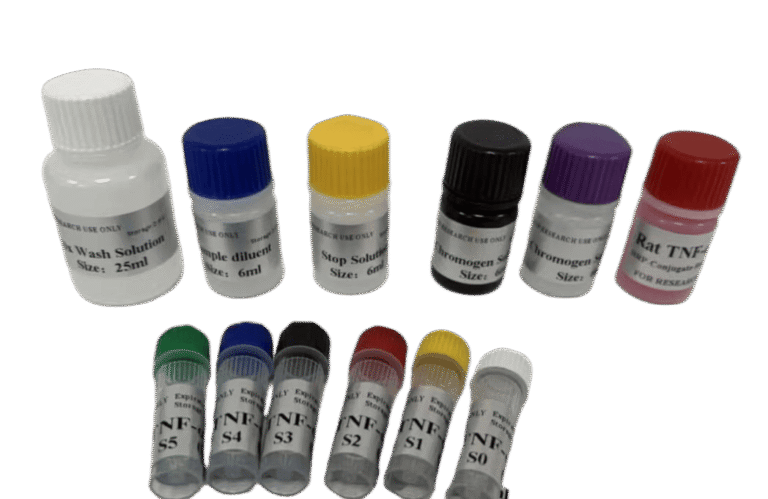
Key Features
- Detects Human CCL12 (MCP-5) with High Specificity: No significant cross-reactivity with MCP family members (CCL2/MCP-1, CCL7/MCP-3, CCL8/MCP-2) or other CC chemokines (CCL13, CCL5/RANTES, CCL1). Strictly validated for human samples only.
- Optimized Sensitivity for Physiological Levels: Quantitative range 10–800 pg/mL, sensitivity <10.0 pg/mL. Standard curve: 0, 50, 100, 200, 400, 800 pg/mL.
- Built-in 5× Sample Dilution: 10 µL sample + 40 µL Sample Diluent in-well; multiply the interpolated result by 5 to obtain actual concentration.
- Pilot Dilution Guidance: Recommended to test 1:2, 1:4, and 1:10 dilutions to identify the optimal factor that places OD readings in the mid-range of the standard curve.
- Validated Sample Types: Human serum, EDTA/citrate/heparin plasma, cell culture supernatant, and tissue homogenates.
- Tissue Extraction Protocol: PBS-based homogenization with protease inhibitors is sufficient for this secreted chemokine. Avoid high concentrations of DTT, NP-40, or Triton X-100, which may interfere with antigen-antibody binding.
- NaN₃ Prohibition: Sodium azide strongly inhibits HRP. Samples must be free of NaN₃.
- One-Step Sandwich ELISA: Co-incubation of sample and HRP-detection antibody; total assay time ~2 hours.
- Reliable Precision: Intra- and inter-assay CV <15%; standard curve linearity R ≥0.9900.
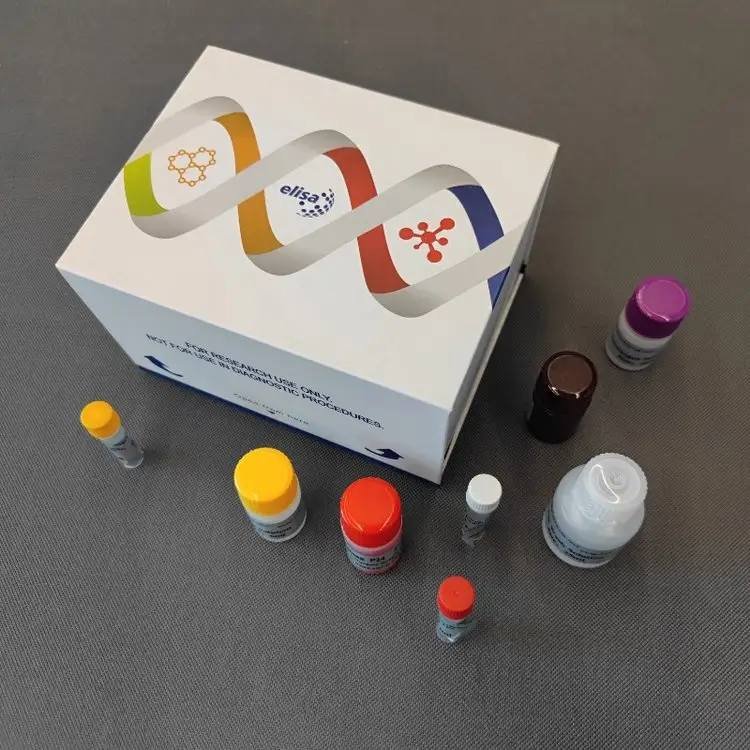
- Export-Ready: Neutral white box (16 × 12.5 × 9.5 cm), cold-chain shipping (2–8°C), 6-month shelf life. MSDS available upon request.
- Affordable pricing: Many people are unaware of the price of ELISA kits. As an ELISA kit manufacturer, I can confidently tell you that ELISA kits priced at thousands of dollars differ little from our ELISA kits priced under 100 yuan.
Product Description
CC Chemokine Ligand 12 (CCL12), also known as MCP-5, is a member of the monocyte chemoattractant protein (MCP) subfamily. It signals through CCR2 to recruit monocytes, macrophages, and other leukocytes to sites of inflammation. In humans, CCL12 plays a significant role in inflammatory diseases, tissue remodeling, and tumor microenvironments, making it a critical target for immunological and pharmacological research.If there is any Problems in ELISA Standard Curve , it is recommended to review the experimental procedures and contact us for after-sales service.
The Yanda-Human-CCL12 ELISA Kit employs a one-step double-antibody sandwich ELISA. A capture antibody specific for human CCL12 is pre-coated on the microplate. Samples and standards are co-incubated with an HRP-labeled detection antibody. After washing, TMB substrate produces a colorimetric signal proportional to CCL12 concentration, measured at 450 nm.
Important: This kit is validated exclusively for human samples and does not cross-react with mouse or rat CCL12.
Sample Collection & Preparation
| Sample Type | Preparation |
|---|---|
| Serum | Collect in pyrogen/endotoxin-free tubes. Allow to clot, centrifuge at 3000 rpm for 10 min. |
| Plasma | Use EDTA, citrate, or heparin. Centrifuge at 3000 rpm for 30 min. |
| Cell Culture Supernatant | Centrifuge at 3000 rpm for 10 min to remove debris. |
| Tissue Homogenate | See detailed protocol below. |
Tissue Homogenate Protocol
CCL12 is a secreted chemokine and is generally soluble in the extracellular matrix.
- Recommended Buffer: Ice-cold PBS (0.01 M, pH 7.4) with fresh protease inhibitors (e.g., PMSF or cocktail).
- Homogenization: Mince tissue, add PBS at 1:9 (w/v), homogenize thoroughly on ice.
- Centrifugation: 5000 × g for 5–10 min at 4°C. Collect the clear supernatant.
- Avoid: High concentrations of DTT, NP-40, or Triton X-100, which may interfere with antibody binding.
Storage
- NaN₃ Prohibition: Sodium azide is a potent HRP inhibitor. Samples must not contain NaN₃.
- Short-term: Assay within 6 days if stored at 2–8°C.
- Long-term: Aliquot and store at -20°C (≤1 month) or -80°C (≤6 months). Avoid repeated freeze-thaw cycles.
Critical Dilution Factor
The assay applies a 5-fold dilution in-well (10 µL sample + 40 µL Sample Diluent). The interpolated concentration must be multiplied by 5 to obtain the actual sample concentration.
Pre-Dilution Recommendation: Run a pilot experiment with gradient dilutions (e.g., 1:2, 1:4, 1:10). Select the dilution that places the OD in the mid-range of the standard curve for optimal accuracy.
Technical Specifications
| Parameter | Specification |
|---|---|
| Standard Concentrations (S0–S5) | 0, 50, 100, 200, 400, 800 pg/mL |
| Quantitative Range | 10.0 – 800 pg/mL |
| Analytical Sensitivity | < 10.0 pg/mL |
| Accuracy (Linearity) | Standard curve R ≥ 0.9900 |
| Precision | Intra-assay CV < 15%; Inter-assay CV < 15% |
| Specificity | Highly specific for human CCL12. No cross-reactivity with CCL2/MCP-1, CCL7/MCP-3, CCL8/MCP-2, CCL13, CCL5/RANTES, or CCL1. |
| Species Restriction | Validated for human samples only. |
| Sample Dilution Factor | 5× (in-well); additional pre-dilution recommended |
| Shelf Life | 6 months |
| Storage & Transport | 2–8°C, protected from light and moisture; cold-chain shipping |
Representative Standard Curve
[Insert your standard curve image here.]
Detailed validation data are available in the product instruction manual.
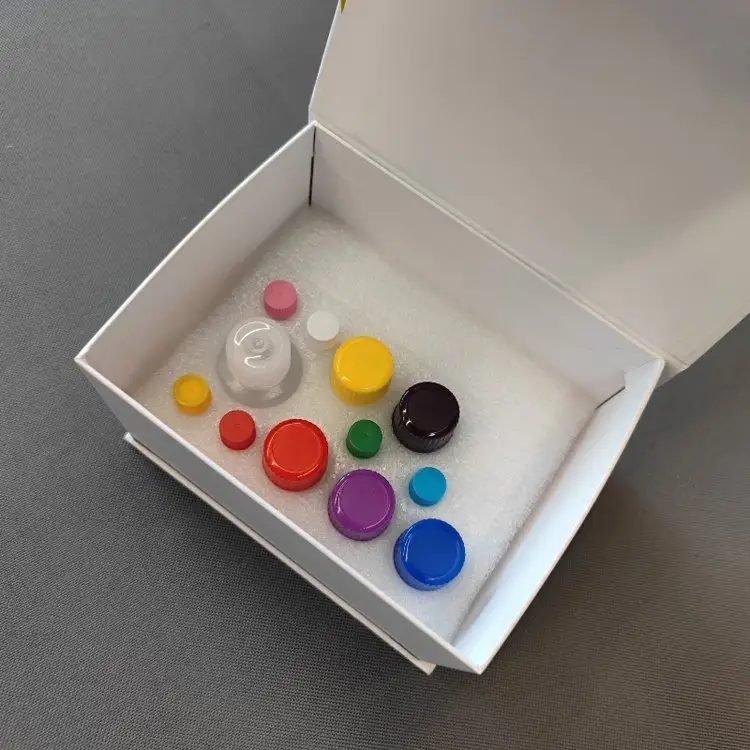
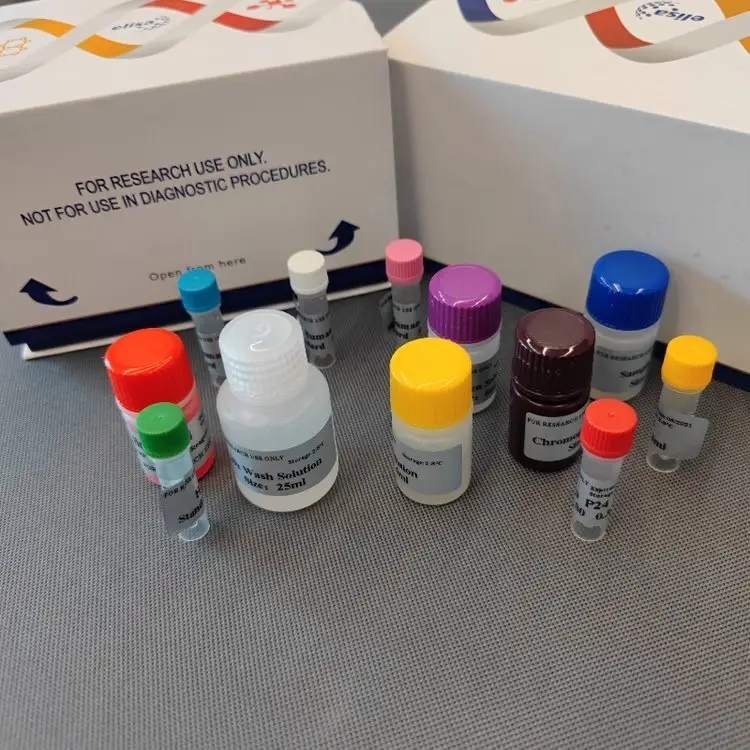
Kit Components
96-Well Format
| Component | Quantity | Notes |
|---|---|---|
| Microelisa Stripplate | 12 strips × 8 wells | Pre-coated with anti-human CCL12 antibody |
| Standard (0.3 mL/vial) | 6 vials | Ready-to-use liquid, 0–800 pg/mL |
| Sample Diluent | 6 mL | – |
| HRP-Conjugated Detection Antibody | 10 mL | Ready-to-use |
| 20× Wash Buffer | 25 mL | Dilute to 1× before use |
| Substrate A | 6 mL | – |
| Substrate B | 6 mL | – |
| Stop Solution | 6 mL | – |
| Plate Sealers | 2 sheets | – |
| Instruction Manual | 1 copy | – |
| Self-sealing Bag | 1 piece | For unused strip storage |
48-Well Format
| Component | Quantity | Notes |
|---|---|---|
| Microelisa Stripplate | 12 strips × 4 wells | Pre-coated |
| Standard (0.3 mL/vial) | 6 vials | Ready-to-use liquid |
| Sample Diluent | 3 mL | – |
| HRP-Conjugated Detection Antibody | 5 mL | Ready-to-use |
| 20× Wash Buffer | 15 mL | Dilute to 1× |
| Substrate A | 3 mL | – |
| Substrate B | 3 mL | – |
| Stop Solution | 3 mL | – |
| Plate Sealers | 2 sheets | – |
| Instruction Manual | 1 copy | – |
| Self-sealing Bag | 1 piece | – |
Assay Procedure Summary
- Equilibrate: Warm the foil pouch to room temperature for 20 min. Remove strips.
- Add Standards & Samples: 50 µL standards; 10 µL sample + 40 µL Sample Diluent.
- Add Detection Antibody: 100 µL HRP-antibody, incubate at 37°C for 60 min.
- Wash: Aspirate, wash with 1× Wash Buffer, soak 1 min, repeat 5 times.
- Substrate: 50 µL each of Substrate A and B, incubate in dark at 37°C for 15 min.
- Stop & Read: 50 µL Stop Solution, read at 450 nm within 15 min.
Total time: ~2 hours.
Throughput
| Format | Max. Samples (Single Wells) |
|---|---|
| 48-well | 39–40 |
| 96-well | 85–88 |
Related Metabolite ELISA Kit:
- Human CCL18 ELISA Kit: For Immune Regulation & Fibrosis Research
- Human Estrone-3-sulfate (E3S) ELISA Kit – Quantitative Sulfated Estrogen Immunoassay for Pharmacological & Oncology Research
- Accurate Measurement of Human C-type Natriuretic Peptide (CNP) ELISA Kit
- Lactate ELISA Kit – Competitive Assay for Accurate Metabolite Quantification
Frequently Asked Questions
Q: Does this kit cross-react with other MCP family members?
A: No. No significant cross-reactivity with CCL2/MCP-1, CCL7/MCP-3, CCL8/MCP-2, CCL13, CCL5/RANTES, or CCL1.
Q: Can I use this kit for mouse or rat CCL12?
A: No. Strict species specificity. Validated only for human samples.
Q: What pre-dilution should I use?
A: Test gradient dilutions (1:2, 1:4, 1:10) and select the one yielding OD values in the standard curve mid-range.
Q: Why is NaN₃ prohibited?
A: Sodium azide is a potent HRP inhibitor and will cause false-negative results.
Q: Can I use RIPA buffer for tissue extraction?
A: PBS with protease inhibitors is sufficient. Avoid high DTT, NP-40, or Triton X-100, which may interfere.
Ordering & Contact
| Item | Details |
|---|---|
| Catalog Number | Yanda-Human-CCL12 |
| Formats | 48-well / 96-well |
| Package | 16 × 12.5 × 9.5 cm, neutral white box |
| Shipping | Cold-chain (2–8°C) |
| Storage | 2–8°C; do not freeze |
| Shelf Life | 6 months |
WhatsApp: +86 198 3186 0669 | Email: songhawyble@gmail.com
Disclaimer
For research use only. Not for clinical diagnosis. Users are responsible for validating assay performance in their own experimental conditions.