
Important: This Is a Competitive ELISA
Unlike sandwich ELISAs, this kit employs a competitive inhibition format to measure the small-molecule metabolite lactate (MW 90 Da). In this assay, lactate in the sample competes with an HRP-labeled lactate analogue for a limited number of antibody binding sites. The color intensity is inversely proportional to the lactate concentration — high lactate yields low OD, and vice versa.
Please read the Dilution & Calculation section carefully before running your experiment.
Key Features
- Designed for Small-Molecule Lactate: Competitive format enables accurate detection of a hapten-sized metabolite that cannot be sandwiched between two antibodies.
- Ultra-Broad Sample Compatibility: Validated for serum, plasma, urine, cerebrospinal fluid (CSF), saliva, ascitic fluid, cell culture supernatant, tissue homogenates (animal and plant), cell lysates, and swab extracts.
- High Precision: Intra-assay CV < 8%, inter-assay CV < 12% — tighter than many conventional sandwich ELISAs.
- Ready-to-Use Liquid Standards: Six concentrations (0, 125, 250, 500, 1000, 2000 ng/mL) supplied; no reconstitution needed.
- Built-in 2× Dilution: Add 25 µL sample + 25 µL Sample Diluent per well; multiply the interpolated result by 2 to obtain the final concentration.
- Pre-Dilution Guidance for Physiological Samples: Normal blood lactate levels (45–180 µg/mL) far exceed the assay range. A dedicated pre-dilution strategy is provided, with an advisory not to exceed 1:10 dilution to avoid matrix effect.
- Data Analysis Support: Recommendations for Log-Logit or 4-Parameter Logistic (4PL) fitting using standard software (GraphPad Prism, MyCurveFit, etc.).
- Reliable Performance: Standard curve R ≥ 0.9900; sensitivity < 5 ng/mL; quantitative range 50–2000 ng/mL.
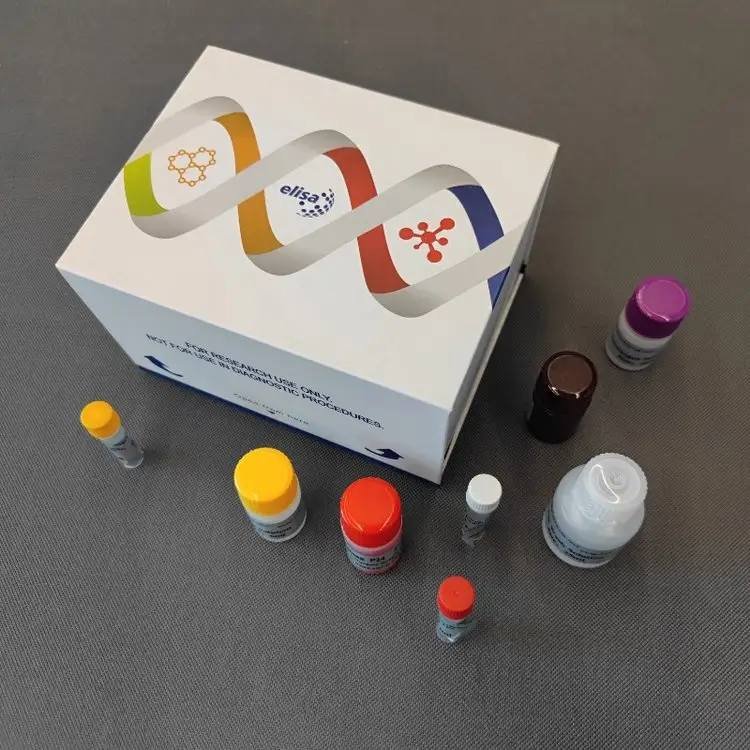
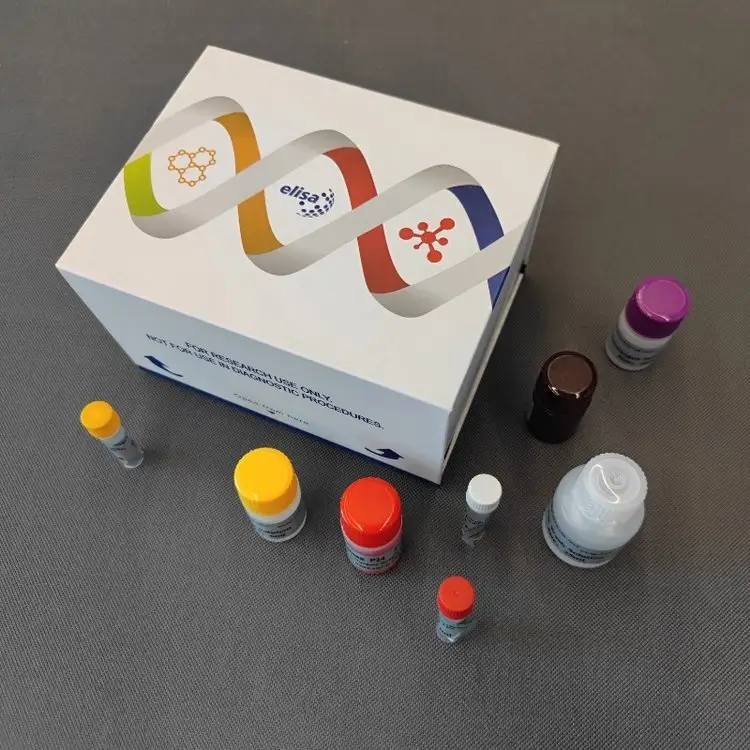
- Export-Ready Packaging: Neutral white box, cold-chain shipping (2–8°C), 6-month shelf life. MSDS available upon request.
- Complete the experimental records: Prepare for future data verification.
Product Description
Lactate is a central metabolite at the intersection of glycolysis, oxidative phosphorylation, and gluconeogenesis. Once considered a waste product, it is now recognized as a key signaling molecule in cancer (Warburg effect), immune cell function, exercise physiology, and tissue hypoxia. Accurate lactate quantitation in biological samples is essential for metabolic research, sports science, and pharmaceutical development.
The Yanda-HUMAN-lactate ELISA Kit uses a competitive enzyme immunoassay. A polyclonal antibody specific for L-lactate is pre-coated on the microplate. Samples or standards are added together with an HRP-conjugated lactate analogue. After incubation and washing, TMB substrate produces a colorimetric signal. The absorbance at 450 nm is inversely related to the lactate concentration.
Species Note: This kit is validated for human samples. For mouse, rat, or other species, please inquire about our species-specific lactate kits.
Sample Collection & Preparation
Validated Sample Types
| Sample Type | Preparation |
|---|---|
| Serum | Collect in sterile tubes, let clot (2 h at RT or overnight at 2–8°C). Centrifuge at 3000 rpm for 20 min at 2–8°C. |
| Plasma | Use EDTA or heparin; centrifuge within 30 min at 3000 rpm for 20 min at 2–8°C. |
| Urine, Ascitic Fluid, CSF, Saliva | Collect in sterile tubes; centrifuge at 3000 rpm for 20 min at 2–8°C. |
| Cell Culture Supernatant | Centrifuge at 3000 rpm for 20 min at 2–8°C to remove debris. |
| Tissue Homogenate (Animal) | Rinse tissue with cold PBS (0.01 M, pH 7.4), mince, homogenize in PBS (1:9 w/v) with protease inhibitors on ice. Centrifuge at 5000 × g for 10 min at 2–8°C. |
| Plant Tissue | Grind in liquid nitrogen if fibrous, then homogenize in PBS; centrifuge as above. |
| Cell Lysate (Animal) | Wash cells with cold PBS, resuspend at 1×10⁷ cells/mL in cold PBS, sonicate on ice. Centrifuge at 3000 rpm for 20 min at 2–8°C. |
| Swab Samples | Elute swab in 2 mL PBS (pH 7.2–7.4), vortex, squeeze, centrifuge at 2000–3000 rpm for 20 min. |
Storage & Stability
- Short-term: 2–8°C for up to 6 days.
- Long-term: -20°C (≤1 month) or -80°C (≤2 months). Avoid repeated freeze-thaw cycles.
- Precipitates: If precipitate forms during storage, re-centrifuge before testing.
- NaN₃ Prohibition: Sodium azide inhibits HRP and must not be present in samples.
Critical Dilution & High-Concentration Handling
In-Well Dilution
The assay uses a 2× dilution directly in the well: 25 µL sample + 25 µL Sample Diluent. The concentration interpolated from the standard curve must be multiplied by 2 to obtain the actual sample concentration.
Physiological Blood Lactate and Pre-Dilution
Normal human blood lactate is approximately 45–180 µg/mL (45,000–180,000 ng/mL), far exceeding the 2000 ng/mL upper limit. Direct measurement without pre-dilution will saturate the assay.
Recommended approach:
- Start with a pilot experiment using neat (undiluted) sample or low dilutions such as 1:2, 1:4.
- Do not exceed a 1:10 dilution of the original sample. Diluting beyond this limit can disrupt the protein matrix, causing a matrix effect that compromises accuracy and spike recovery.
- If your sample concentration remains above the standard curve after a 1:10 dilution, please contact technical support for guidance or consider a kit with a wider dynamic range.
Calculation Formula
Final concentration = Interpolated value (ng/mL) × 2 × additional pre-dilution factor.
Data Analysis Guide
Because this is a competitive assay, the standard curve is inversely dose-dependent — the highest standard (S5) gives the lowest OD. The following methods are recommended:
- Curve Fitting: Log-Logit transformation or 4-Parameter Logistic (4PL) regression.
- Software: GraphPad Prism, MyCurveFit, or any ELISA analysis program with competitive assay modules.
- Manual Calculation: Plot %B/B0 vs. log concentration on log-logit paper, as detailed in the instruction manual.
The kit may not include a proprietary calculation template. Please refer to the manual for step-by-step guidance on calculating percent binding and logit values.
Technical Specifications
| Parameter | Specification |
|---|---|
| Standard Concentrations (S0–S5) | 0, 125, 250, 500, 1000, 2000 ng/mL |
| Quantitative Range | 50 – 2000 ng/mL |
| Analytical Sensitivity | < 5 ng/mL |
| Accuracy (Linearity) | Standard curve R ≥ 0.9900 |
| Precision | Intra-assay CV < 8%; Inter-assay CV < 12% |
| Specificity | No significant cross-reactivity or interference with structural analogues. Specific cross-reactivity data for pyruvate, acetate, D-lactate available on request. |
| Sample Dilution Factor | 2× (in-well); additional pre-dilution ≤ 1:10 recommended |
| Shelf Life | 6 months |
| Storage & Transport | 2–8°C, protected from light and moisture; cold-chain shipping |
Representative Standard Curve
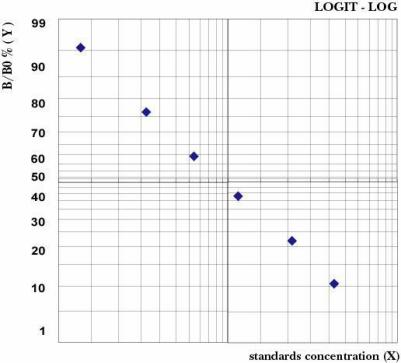
For detailed performance data, please refer to the product instruction manual or contact technical support.
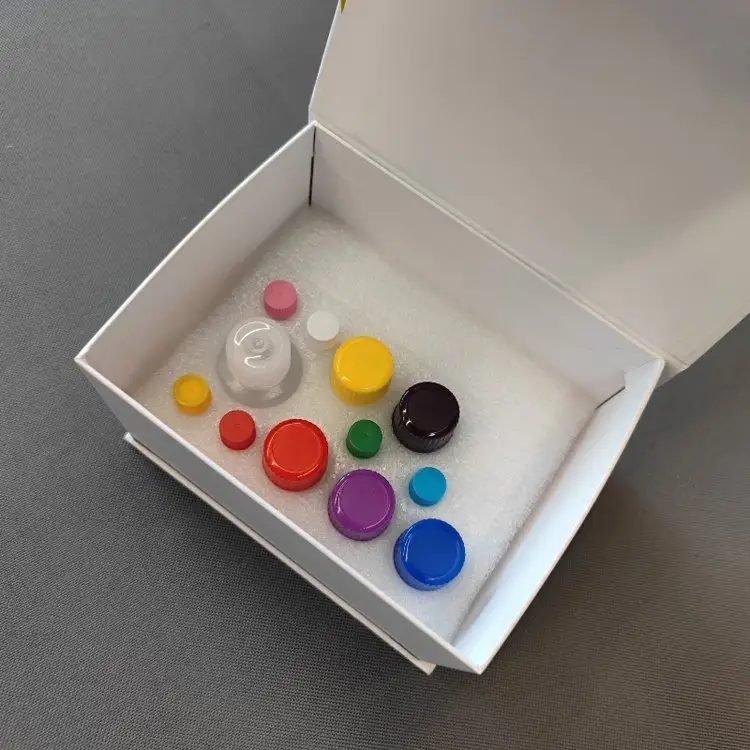
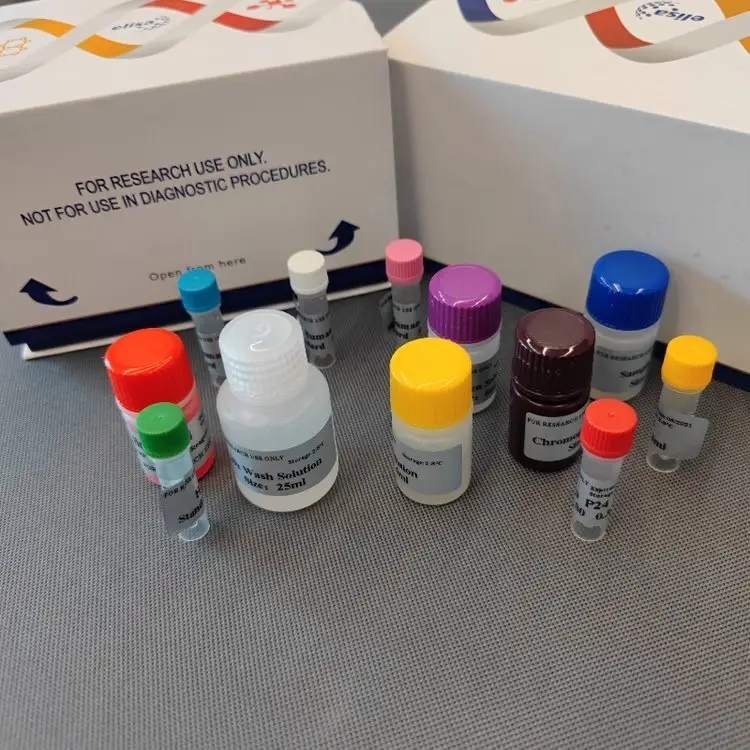
Kit Components
96-Well Format
| Component | Quantity | Notes |
|---|---|---|
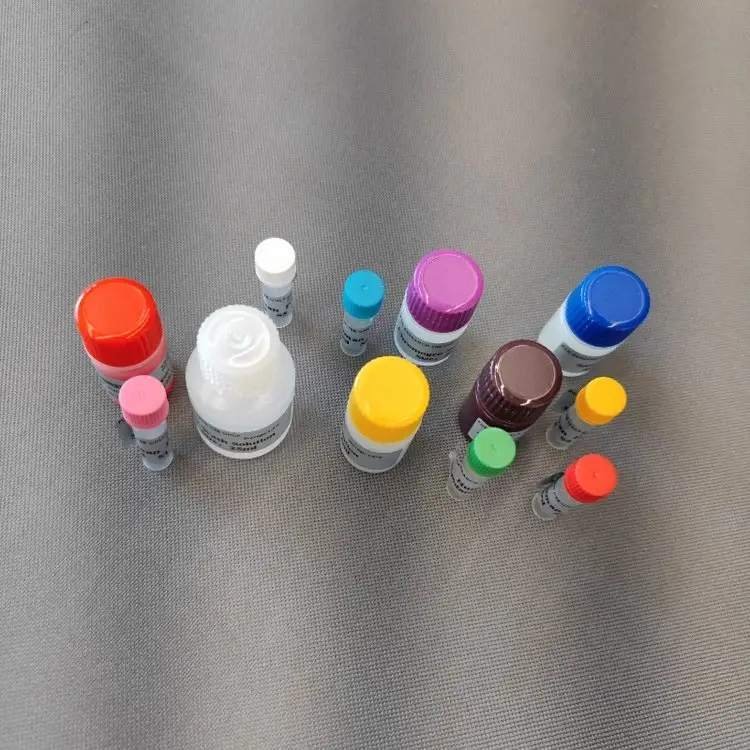
| Microelisa Stripplate | 8 wells × 12 strips | Pre-coated with anti-lactate antibody |
| Standard (0.3 mL/vial) | 6 vials | Ready-to-use liquid, 0–2000 ng/mL |
| Sample Diluent | 6 mL | – |
| HRP-Conjugated Competitive Antigen | 6 mL | Ready-to-use |
| 20× Wash Buffer | 25 mL | Dilute to 1× before use |
| Substrate A | 6 mL | – |
| Substrate B | 6 mL | – |
| Stop Solution | 6 mL | – |
| Plate Sealers | 2 sheets | – |
| Instruction Manual | 1 copy | – |
48-Well Format
| Component | Quantity | Notes |
|---|---|---|
| Microelisa Stripplate | 8 wells × 6 strips | Pre-coated |
| Standard (0.3 mL/vial) | 6 vials | Ready-to-use liquid |
| Sample Diluent | 3 mL | – |
| HRP-Conjugated Competitive Antigen | 3 mL | Ready-to-use |
| 20× Wash Buffer | 15 mL | Dilute to 1× |
| Substrate A | 3 mL | – |
| Substrate B | 3 mL | – |
| Stop Solution | 3 mL | – |
| Plate Sealers | 2 sheets | – |
| Instruction Manual | 1 copy | – |
Crystallization of 20× Wash Buffer: Normal during cold storage; warm in a water bath until crystals dissolve before dilution.
HRP-Conjugate Stability: Store at 2–8°C. Avoid repeated freeze-thaw. If the kit will be used intermittently, aliquot the HRP-conjugate into single-use volumes and store at -20°C or -80°C, protected from light. Thawed aliquots should be kept at 2–8°C and used within one week. Do not refreeze.
Assay Procedure Summary
- Equilibrate: Warm the sealed foil pouch to room temperature for 20 min. Remove required strips.
- Add Standards: 50 µL of each standard into designated wells.
- Add Samples: 25 µL sample + 25 µL Sample Diluent. Blank well: leave empty.
- Add HRP-Antigen: Add 50 µL of HRP-conjugated competitive antigen to all wells (including standards, excluding blank). Seal and incubate at 37°C for 60 min.
- Wash: Aspirate, blot dry. Fill wells with 1× Wash Buffer, soak 1 min, discard. Repeat 5 times (automated: 350 µL/well).
- Substrate: Add 50 µL each of Substrate A and Substrate B. Incubate in the dark at 37°C for 15 min.
- Stop & Read: Add 50 µL Stop Solution. Read at 450 nm within 15 min.
Total hands-on time: ~2 h.
Materials Required but Not Supplied:
- Microplate reader (450 nm)
- Pipettes (0.5–1000 µL)
- 37°C incubator
- Distilled water, absorbent paper, automated washer (optional)
- Data analysis software supporting 4PL or Log-Logit fitting
Throughput
| Format | Max. Samples (Single Wells) |
|---|---|
| 48-well | 39–40 |
| 96-well | 85–88 |
Includes 6 standard wells and 1–2 blank wells.
Explore Our Related Metabolite Assays:
- Customized Dihydrotestosterone (DHT) ELISA Kit
- Customized Insect α-Ketoglutaric Acid (α-KA) ELISA Kit
Frequently Asked Questions
Q: Why is this a competitive ELISA instead of a sandwich?
A: Lactate is a very small molecule (MW 90) that cannot bind two antibodies simultaneously. The competitive format is the standard method for detecting haptens and small metabolites.
Q: Why must I limit pre-dilution to 1:10?
A: Excessive dilution can disrupt the sample matrix, causing a mismatch between the sample and standard curve matrices. This may lead to inaccurate results. If your expected lactate level requires >1:10 dilution, contact us for alternatives.
Q: How do I calculate results?
A: Because the standard curve is inverse, use Log-Logit or 4PL fitting software (e.g., GraphPad Prism, MyCurveFit). The manual also describes how to plot %B/B0 vs. log concentration.
Q: Can I use this kit for mouse or rat samples?
A: This kit is validated for human samples. We may offer species-optimized lactate kits for other species. Please inquire directly.
Q: What is the normal blood lactate level, and how do I dilute?
A: Normal fasting lactate is 0.5–2.2 mmol/L (approx. 45,000–198,000 ng/mL). Begin with a pilot test using neat or 1:2 diluted sample, and never exceed 1:10 dilution. If still too high, contact us.
Q: Can the HRP-conjugate be frozen for long-term storage?
A: We recommend aliquoting the HRP-conjugate and storing at -20°C or -80°C. Use thawed aliquots within one week and do not refreeze. Avoid repeated temperature cycling.
Ordering & Contact Information
| Item | Details |
|---|---|
| Catalog Number | Yanda-HUMAN-lactate |
| Formats | 48-well / 96-well |
| Package Dimensions | 16 cm × 12.5 cm × 9.5 cm (neutral white box) |
| Shipping | Cold-chain (2–8°C), protected from light and moisture |
| Storage | 2–8°C; do not freeze unless aliquoting HRP-conjugate |
| Shelf Life | 6 months |
| Intended Use | For research use only, not for diagnostic procedures |
Contact us
- WhatsApp: +86 198 3186 0669
- Email: songhawyble@gmail.com
For pricing, bulk orders, or species-specific lactate kits, please reach out directly.
Technical Documents & Support
Instruction Manual
- MSDS & Certificate of Composition – Available upon request.
- Technical Support – For dilution strategies, data analysis help, or cross-reactivity data, contact us via WhatsApp or email.
Disclaimer
This product is for laboratory research use only and is not approved for clinical diagnosis, treatment, or prognosis. The manufacturer assumes no liability for improper use, protocol deviations, or unauthorized applications. Users are responsible for validating assay performance in their own sample matrices and experimental conditions.