
Important Target Clarification
This kit measures C-type natriuretic peptide (CNP), a 22-amino acid cyclic peptide belonging to the natriuretic peptide family. It is structurally and functionally distinct from 2′,3′-cyclic nucleotide 3′-phosphodiesterase (CNPase). Please ensure CNP is your intended target. If you require the myelin enzyme CNPase, refer to our Human CNPase ELISA Kit.
Key Features
- Measures Native Human CNP: Designed to detect naturally occurring CNP without cross-reacting with the CNPase enzyme or other non-related analogues.
- High Sensitivity for Low Circulating Levels: Minimum detectable concentration <1.0 pg/mL; quantitative range 1.0 – 80 pg/mL. Most normal human plasma samples can be measured directly without concentration.
- Streamlined Sample Preparation: Validated for serum, plasma (EDTA/citrate/heparin), cell culture supernatant, and tissue homogenates. Guidance on protease inhibitor (aprotinin) use and freeze-thaw avoidance is provided.
- Built-in 5× Dilution: 10 µL sample + 40 µL Sample Diluent in the well; multiply the interpolated result by 5 to obtain the actual sample concentration.
- Recombinant Standard: Ready-to-use liquid standards (0, 5, 10, 20, 40, 80 pg/mL) produced in a eukaryotic expression system.
- One-Step Sandwich ELISA: Co-incubation of sample and HRP-detection antibody; total assay time ~2 hours.
- Excellent Precision: Intra- and inter-assay CV <15%; standard curve linearity R ≥0.9900.
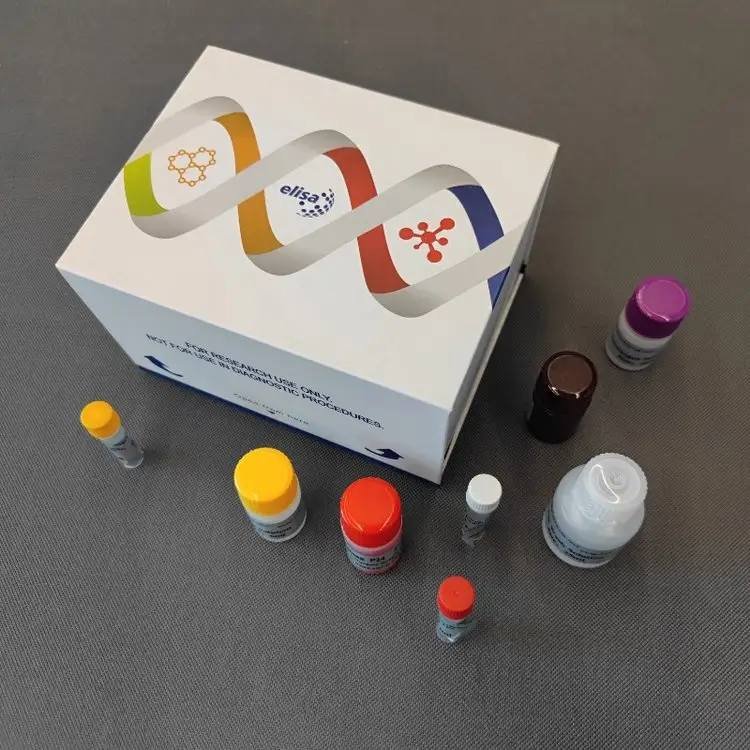
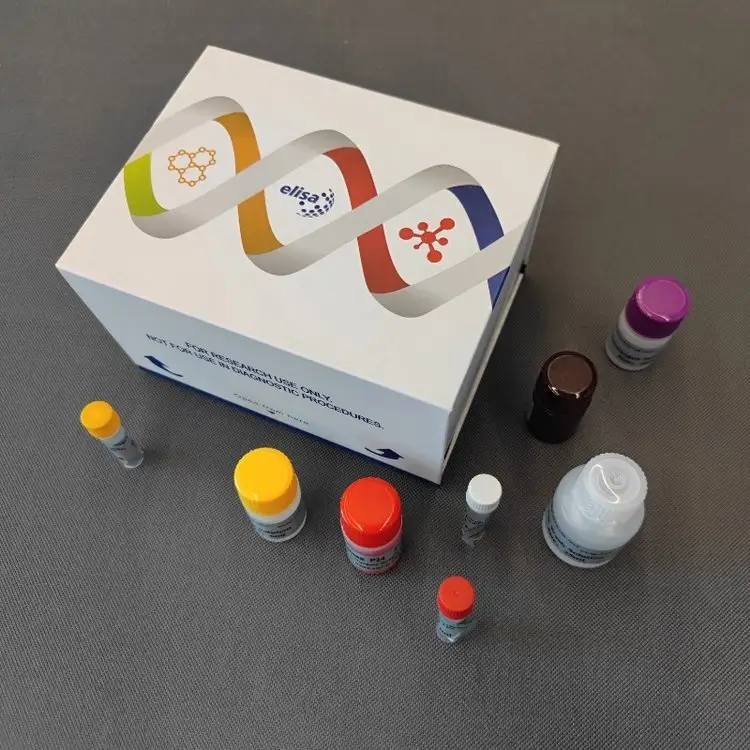
- Export-Ready Packaging: Neutral white box, cold-chain shipping (2–8°C), 6-month shelf life. MSDS and Certificate of Composition available upon request.
Product Description
C-type natriuretic peptide (CNP) is a paracrine hormone primarily produced by endothelial cells, chondrocytes, and the central nervous system. It regulates vascular tone, bone growth, and fluid homeostasis by activating the guanylyl cyclase-B receptor. Unlike ANP and BNP, CNP is not primarily a cardiac hormone but exerts local regulatory roles. Accurate CNP quantitation in human research is essential for studies in cardiovascular disease, skeletal development, and neurobiology.
The Yanda-HUMAN-CNP ELISA Kit employs a one-step double-antibody sandwich ELISA. A pre-coated capture antibody binds native human CNP, and an HRP-conjugated detection antibody is added simultaneously. After washing, TMB substrate generates a colorimetric signal proportional to the CNP concentration, measured at 450 nm.
Sample Collection & Stability
Sample Types
| Sample Type | Preparation |
|---|---|
| Serum | Collect in pyrogen/endotoxin-free tubes. Allow to clot, centrifuge at 3000 rpm for 10 min. Separate serum immediately. |
| Plasma | Use EDTA, citrate, or heparin. Centrifuge at 3000 rpm for 30 min; collect supernatant. |
| Cell Culture Supernatant | Centrifuge at 3000 rpm for 10 min to remove debris. |
| Tissue Homogenate | Homogenize tissue in ice-cold PBS (1:9 w/v), centrifuge at 3000 rpm for 10 min at 4°C. Collect supernatant. |
Critical Stability Measures
CNP is susceptible to rapid enzymatic degradation. To preserve the analyte:
- Protease inhibitor: Add aprotinin (a broad-spectrum serine protease inhibitor) to the sample collection tube immediately after blood drawing.
- Processing time: Separate plasma/serum as soon as possible. If not tested on the same day, store at 4°C for short-term use. For long-term storage, aliquot and freeze at -20°C or -70°C.
- Avoid repeated freeze-thaw cycles: Thaw frozen samples gently at room temperature and mix thoroughly before assay.
Normal Plasma Levels & Detection Feasibility
Normal human plasma CNP concentrations are typically low (single-digit pg/mL). With a sensitivity of <1.0 pg/mL, most normal plasma samples can be reliably detected without concentration. If levels are expected to be below the detection limit, a pilot study with concentration or larger sample volume may be considered; however, the assay is designed to work with unprocessed plasma.
Dilution & Calculation
The assay performs a 5-fold dilution automatically (10 µL sample + 40 µL Sample Diluent). The concentration read from the standard curve represents this dilution. Multiply the interpolated value by 5 to obtain the concentration in the original sample.
If samples are pre-diluted before the assay (e.g., 1:2), multiply by 5 and the additional dilution factor.
Technical Specifications
| Parameter | Specification |
|---|---|
| Standard Concentrations (S0–S5) | 0, 5, 10, 20, 40, 80 pg/mL |
| Quantitative Range | 1.0 – 80 pg/mL |
| Analytical Sensitivity | <1.0 pg/mL |
| Accuracy (Linearity) | Standard curve R ≥0.9900 |
| Precision | Intra-assay CV <15%; Inter-assay CV <15% |
| Specificity | Highly specific for native human CNP. No significant cross-reactivity with other soluble structural analogues. For detailed cross-reactivity data against ANP, BNP, etc., please contact technical support. |
| Sample Dilution Factor | 5× (in-well) |
| Shelf Life | 6 months |
| Storage & Transport | 2–8°C, protected from light and moisture; cold-chain shipping |
Representative Standard Curve
[Insert your standard curve image here. A typical curve exhibits strong linearity or a 4-parameter logistic fit with R² ≥0.99.]
Representative validation data are available in the product instruction manual. For further performance details, contact technical support.
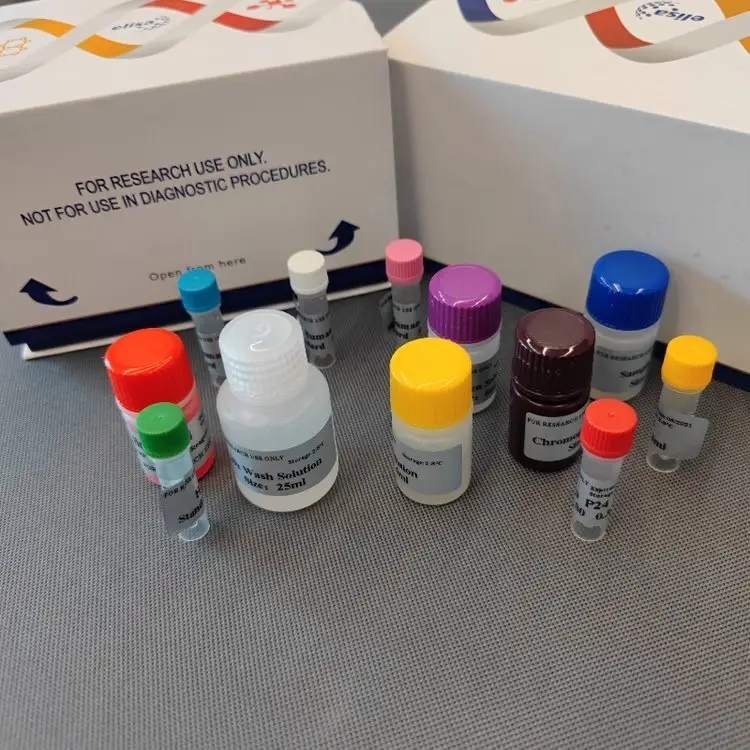
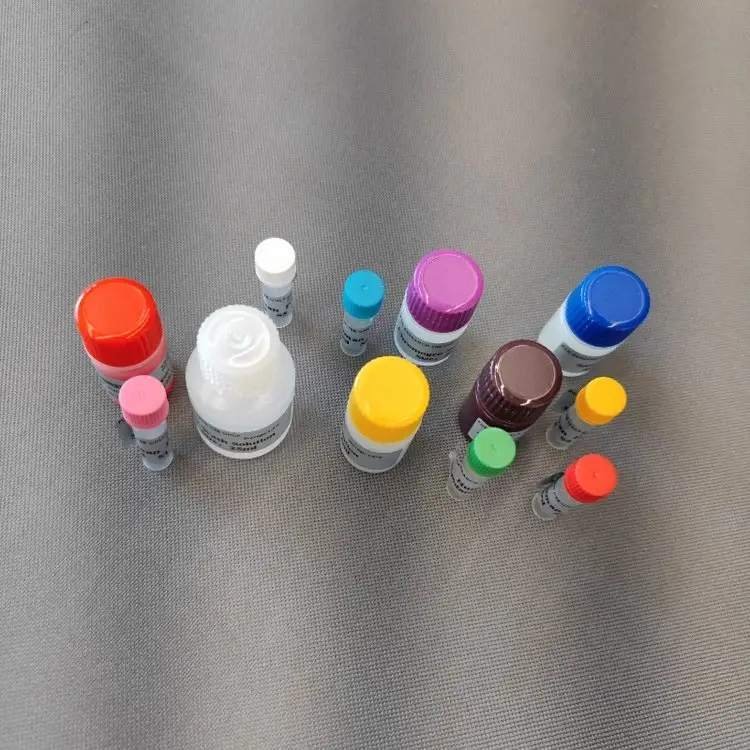
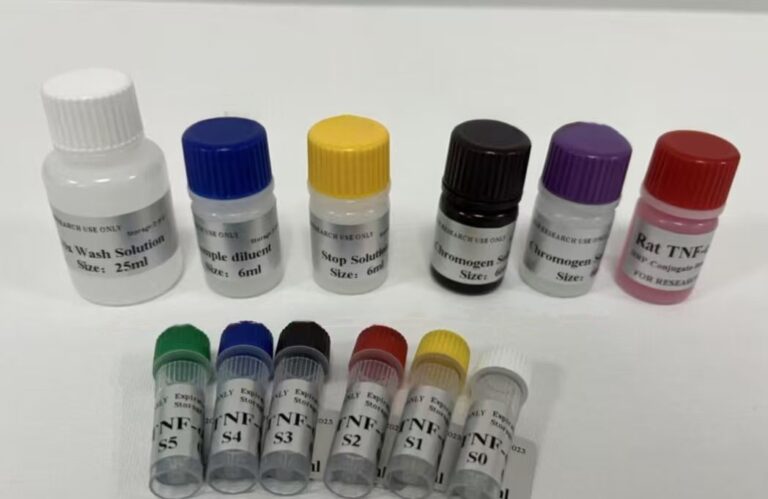
Kit Components
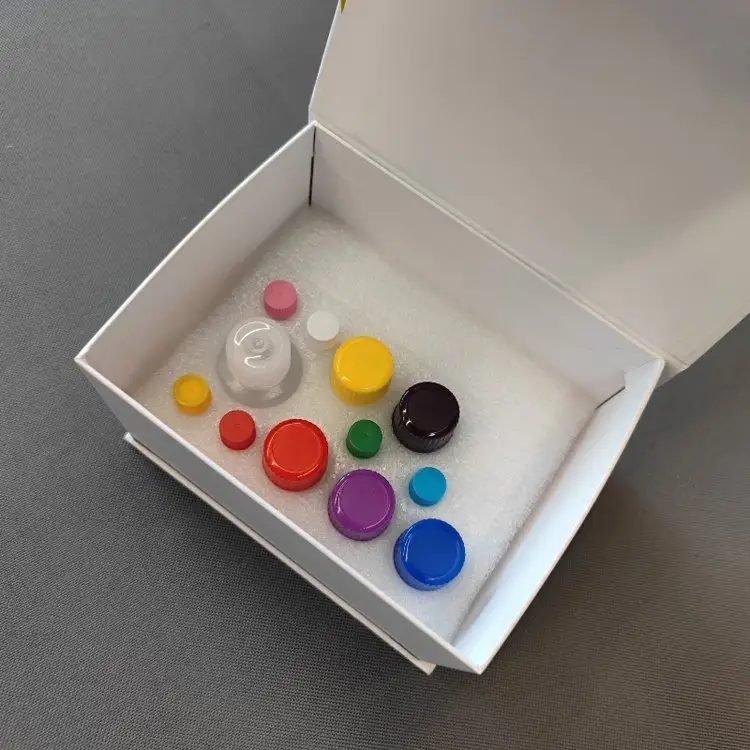
96-Well Format
| Component | Quantity | Notes |
|---|---|---|
| Microelisa Stripplate | 12 strips × 8 wells | Pre-coated with anti-human CNP antibody |
| Standard (0.3 mL/vial) | 6 vials | Ready-to-use liquid, 0–80 pg/mL |
| Sample Diluent | 6 mL | – |
| HRP-Conjugated Detection Antibody | 10 mL | Ready-to-use |
| 20× Wash Buffer | 25 mL | Dilute to 1× before use |
| Substrate A | 6 mL | – |
| Substrate B | 6 mL | – |
| Stop Solution | 6 mL | – |
| Plate Sealers | 2 sheets | – |
| Instruction Manual | 1 copy | – |
| Self-sealing Bag | 1 piece | For storing unused strips |
48-Well Format
| Component | Quantity | Notes |
|---|---|---|
| Microelisa Stripplate | 12 strips × 4 wells | Pre-coated, removable |
| Standard (0.3 mL/vial) | 6 vials | Ready-to-use liquid |
| Sample Diluent | 3 mL | – |
| HRP-Conjugated Detection Antibody | 5 mL | Ready-to-use |
| 20× Wash Buffer | 15 mL | Dilute to 1× |
| Substrate A | 3 mL | – |
| Substrate B | 3 mL | – |
| Stop Solution | 3 mL | – |
| Plate Sealers | 2 sheets | – |
| Instruction Manual | 1 copy | – |
| Self-sealing Bag | 1 piece | – |
Crystallization of 20× Wash Buffer upon cold storage is normal; warm in a water bath until crystals dissolve.
Assay Procedure Summary
- Equilibrate: Bring the sealed foil pouch to room temperature for 20 min. Remove required strips; reseal unused strips at 4°C.
- Add Standards & Samples:
- Standard wells: 50 µL of each standard.
- Sample wells: 10 µL sample + 40 µL Sample Diluent.
- Blank well(s): Leave empty.
- Add Detection Antibody: Dispense 100 µL HRP-conjugated detection antibody into all wells except blank. Seal and incubate at 37°C for 60 min.
- Wash: Aspirate, blot dry. Fill wells with 1× Wash Buffer, soak 1 min, discard. Repeat 5 times (automated: 350 µL/well, 1-min soak).
- Substrate: Add 50 µL each of Substrate A and Substrate B. Incubate in the dark at 37°C for 15 min.
- Stop & Read: Add 50 µL Stop Solution. Read absorbance at 450 nm within 15 min.
Total hands-on time: ~2 hours.
Materials Required but Not Supplied:
- Microplate reader (450 nm)
- Adjustable pipettes (0.5–1000 µL) and tips
- 37°C incubator or water bath
- Distilled/deionized water
- Absorbent paper, wash bottle or automated washer
- Aprotinin (optional, for sample collection)
Throughput
| Format | Max. Samples (Single Wells) |
|---|---|
| 48-well | 39–40 |
| 96-well | 85–88 |
Includes 6 standard and 1–2 blank wells. For duplicates, divide accordingly.
Related Human ELISA Kits
- Human Collagen Type (Col) ELISA Kit – Total Collagen Quantitative Assay for Research
- Human Estrone-3-sulfate (E3S) ELISA Kit – Quantitative Sulfated Estrogen Immunoassay for Pharmacological & Oncology Research
- Human Inositol 1,4,5-Trisphosphate (IP3) ELISA Kit – For Cell Signaling Research
Frequently Asked Questions
Q: Is this kit for CNPase?
A: No. This kit detects C-type natriuretic peptide (CNP), not the myelin enzyme CNPase. We also offer a CNPase ELISA kit; please verify your target.
Q: What cross-reactivity exists with ANP or BNP?
A: The kit shows no significant cross-reactivity with analogues in validation studies. Specific numerical cross-reactivity data for ANP/BNP is available upon request from technical support.
Q: Can I measure normal plasma samples without concentration?
A: Yes. With sensitivity <1.0 pg/mL, most normal plasma samples can be detected directly after the built-in 5× dilution.
Q: How should I prevent CNP degradation during collection?
A: Add aprotinin to the collection tube, separate plasma promptly, and freeze samples if not analyzed the same day. Avoid repeated freeze-thaw.
Q: Can this kit distinguish between CNP-53 and CNP-22?
A: No. It detects native CNP and does not differentiate between the precursor (CNP-53) and the mature peptide (CNP-22).
Ordering & Contact Information
| Item | Details |
|---|---|
| Catalog Number | Yanda-HUMAN-CNP |
| Formats | 48-well / 96-well |
| Package Dimensions | 16 cm × 12.5 cm × 9.5 cm (neutral white box) |
| Shipping | Cold-chain (2–8°C), protected from light and moisture |
| Storage | 2–8°C; do not freeze |
| Shelf Life | 6 months |
| Intended Use | For research use only, not for diagnostic procedures |
Contact us
- WhatsApp: +86 198 3186 0669
- Email: songhawyble@gmail.com
For pricing, bulk orders, or export documents, please reach out directly.
Technical Documents & Support
- Instruction Manual – Download [insert link] or request via email.
- MSDS & Certificate of Composition – Available upon request.
- Technical Support – For protocol assistance or cross-reactivity data, contact us via WhatsApp or email.
Disclaimer
This product is for laboratory research use only and is not approved for clinical diagnosis, treatment, or prognosis. The manufacturer assumes no liability for improper use, protocol deviations, or unauthorized applications. Users are responsible for validating assay performance in their own sample matrices and experimental conditions.