
Key Features
- Detects Active Hormone, Not Storage Form: Specifically measures 1,25-dihydroxyvitamin D₃, the biologically active metabolite, not the precursor 25(OH)D₃.
- Ultra-Low Cross-Reactivity with 25(OH)D₃: Cross-reactivity <0.01%, eliminating interference from the 500–1000× more abundant storage form.
- No Cross-Reactivity with Other Metabolites: Does not recognize 24,25(OH)₂D₃, 1,25(OH)₂D₂, or other vitamin D analogues.
- Built-in 5× In-Well Dilution: 10 μL sample + 40 μL Sample Diluent; multiply the interpolated result by 5.
- Serum Concentration Protocol: Low circulating levels (30–150 pg/mL) often require organic solvent extraction and 10-fold concentration. Protocol guidance provided.
- DBP Dissociation Step Included: Acetone-based precipitation removes vitamin D binding protein (DBP) and releases bound 1,25(OH)₂D₃ for total hormone quantitation.
- Kidney Tissue Recommended: As the primary site of 1α-hydroxylase activity, kidney contains substantially higher 1,25(OH)₂D₃ levels (e.g., ~0.46 ng/g in stimulated conditions), often eliminating the need for concentration.
- Ready-to-Use Liquid Standards: Six concentrations (0, 0.25, 0.5, 1, 2, 4 ng/mL) supplied; recombinant standard produced in eukaryotic system.
- One-Step Sandwich ELISA: Simultaneous incubation of sample and HRP-detection antibody; total assay time ~2 hours.
- Precision & Stability: Intra- and inter-assay CV <15%; standard curve R ≥0.9900; 6-month shelf life at 2–8°C; cold-chain shipping.
Product Description
1,25-Dihydroxyvitamin D₃ [1,25(OH)₂D₃] is the hormonally active form of vitamin D, produced primarily in the kidney by 1α-hydroxylase (CYP27B1). It regulates calcium and phosphate homeostasis, bone mineralization, immune function, and cell proliferation. In mouse models, 1,25(OH)₂D₃ is a key biomarker for renal function, metabolic bone disease, autoimmune disorders, and cancer research.
The Yanda-Mouse-1,25(OH)₂D₃ ELISA Kit uses a one-step double-antibody sandwich ELISA. A pre-coated capture antibody binds 1,25(OH)₂D₃ after DBP removal. Samples and standards are co-incubated with an HRP-labeled detection antibody. TMB substrate produces a signal proportional to 1,25(OH)₂D₃ concentration, measured at 450 nm.
Critical: This kit is strictly validated for mouse samples. It does not cross-react with rat or human 1,25(OH)₂D₃.
Sample Collection & Preparation
Light Sensitivity
1,25(OH)₂D₃ is photolabile. Collect and process samples in amber tubes or under subdued light. Wrap tubes in foil during incubation.
Sample Types & Handling
| Sample Type | Preparation |
|---|---|
| Serum | Collect without anticoagulant. Allow to clot in dark, centrifuge at 3000 rpm for 10 min. Separate promptly. |
| Plasma | Use EDTA, citrate, or heparin. Centrifuge at 3000 rpm for 30 min. |
| Cell Culture Supernatant | Centrifuge at 3000 rpm for 10 min to remove debris. |
| Tissue Homogenate | Perfuse and homogenize in ice-cold PBS (1:9 w/v). Centrifuge at 5000 × g for 10 min at 4°C. |
Storage: Aliquot and store at -20°C or -80°C. Avoid repeated freeze-thaw cycles. Do not use NaN₃.
DBP Dissociation & Organic Solvent Extraction
Over 99% of circulating 1,25(OH)₂D₃ is bound to vitamin D binding protein (DBP) or albumin. To measure total 1,25(OH)₂D₃:
- Add 1 volume of sample to 3 volumes of ice-cold acetone. Vortex and incubate at -20°C for 20 min.
- Centrifuge at 3000 rpm for 10 min at 4°C to pellet proteins (including DBP).
- Transfer supernatant, evaporate the organic solvent under nitrogen.
- Reconstitute the residue in Sample Diluent (typically 100 μL per 1 mL of original serum for a 10-fold concentration).
Kidney Tissue Advantage
Because circulating 1,25(OH)₂D₃ levels are extremely low (30–150 pg/mL), serum often requires concentration. Kidney tissue is strongly recommended as a high-abundance alternative. Under phosphate-deficient conditions, kidney cortical 1,25(OH)₂D₃ can reach ~0.46 ng/g, well within the assay’s detection window without concentration.
Critical Dilution Factor
The assay applies a 5-fold dilution in the well (10 μL sample + 40 μL Sample Diluent). Multiply the interpolated value by 5 to obtain the concentration in the assayed extract.
If you performed serum concentration (e.g., 10×), the final calculation is: Concentration (ng/mL) = Interpolated value × 5 (in-well) / concentration factor (e.g., ×1/10 for a 10× concentration). For tissue homogenates: multiply by 5 and adjust for the homogenization dilution (e.g., 1:9 w/v = 10× dilution).
Technical Specifications
| Parameter | Specification |
|---|---|
| Standard Concentrations (S0–S5) | 0, 0.25, 0.5, 1, 2, 4 ng/mL |
| Quantitative Range | 0.1 – 4 ng/mL |
| Analytical Sensitivity | < 0.1 ng/mL |
| Accuracy (Linearity) | Standard curve R ≥ 0.9900 |
| Precision | Intra-assay CV < 15%; Inter-assay CV < 15% |
| Specificity | Highly specific for mouse 1,25(OH)₂D₃. Cross-reactivity with 25(OH)D₃ <0.01%. No cross-reactivity with 24,25(OH)₂D₃, 1,25(OH)₂D₂, or other vitamin D metabolites. |
| Species Restriction | Validated only for mouse. No cross-reactivity with rat or human 1,25(OH)₂D₃. |
| Sample Dilution Factor | 5× (in-well); additional pre-dilution or concentration may be required |
| Shelf Life | 6 months |
| Storage & Transport | 2–8°C, protected from light; cold-chain shipping |
Representative Standard Curve
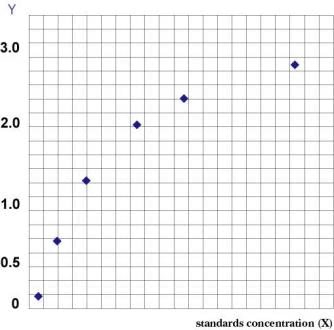
For detailed validation data, refer to the product instruction manual or contact technical support.
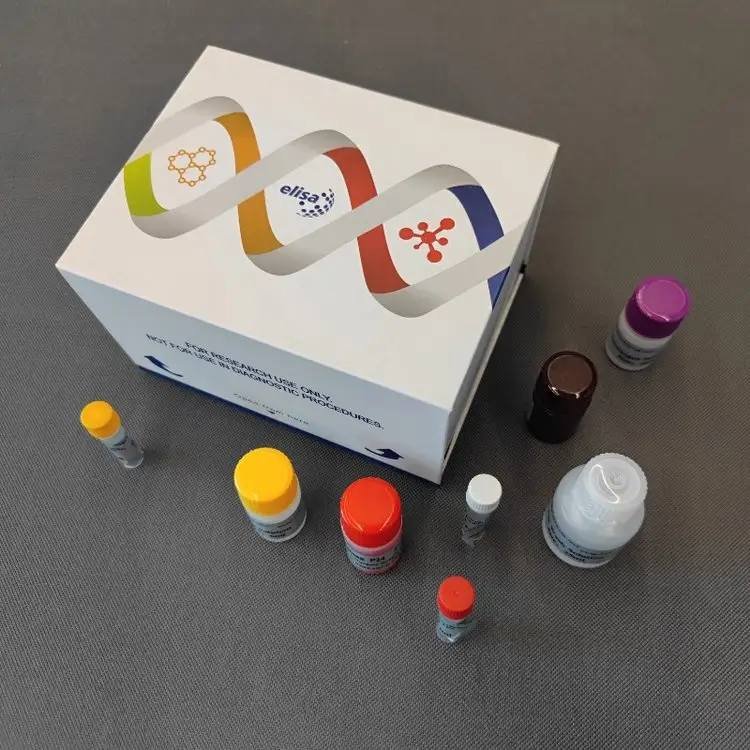
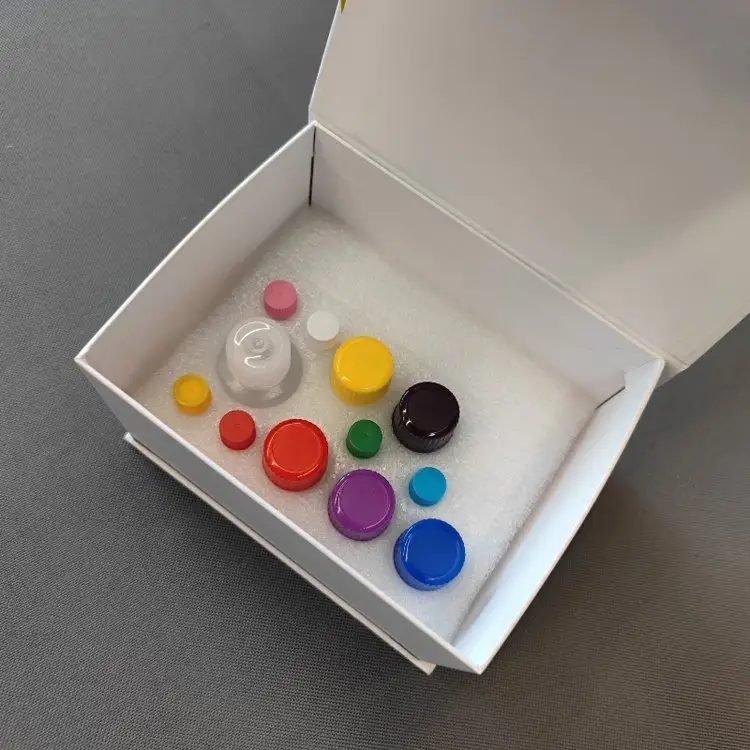
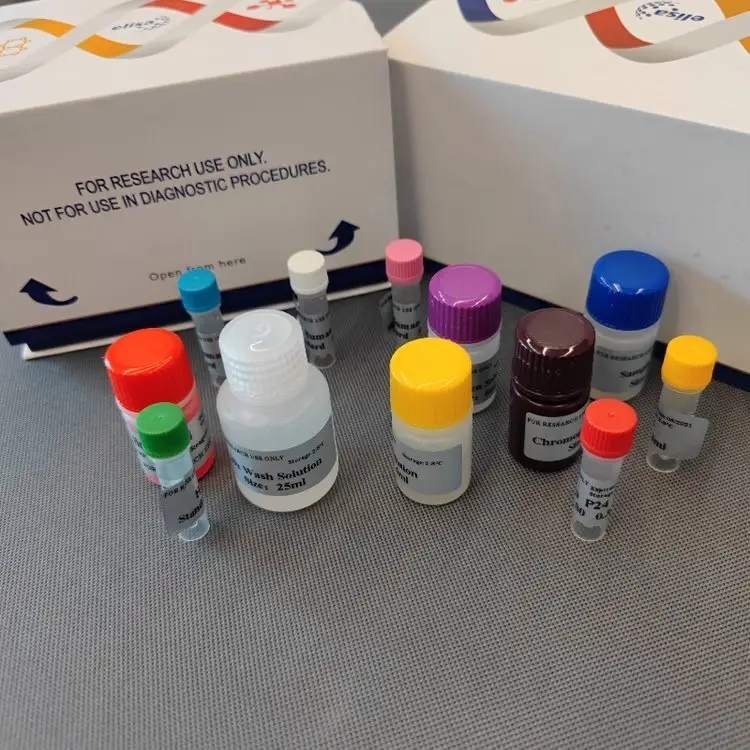
Kit Components
96-Well Format
| Component | Quantity | Notes |
|---|---|---|
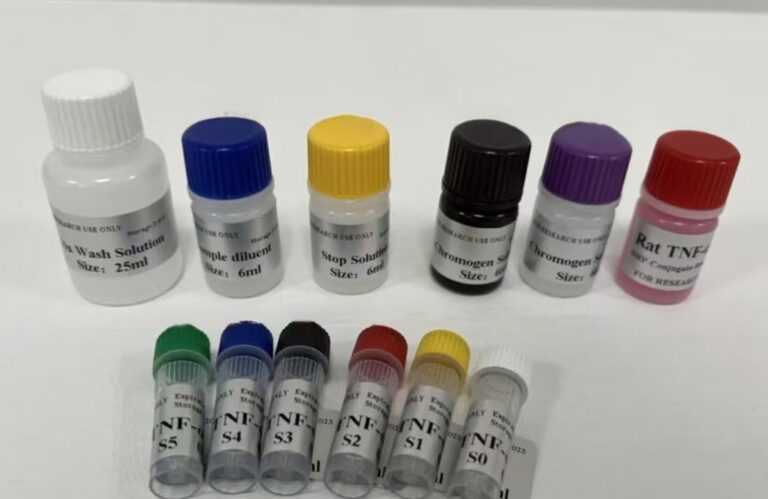
| Microelisa Stripplate | 12 strips × 8 wells | Pre-coated with anti-mouse 1,25(OH)₂D₃ antibody |
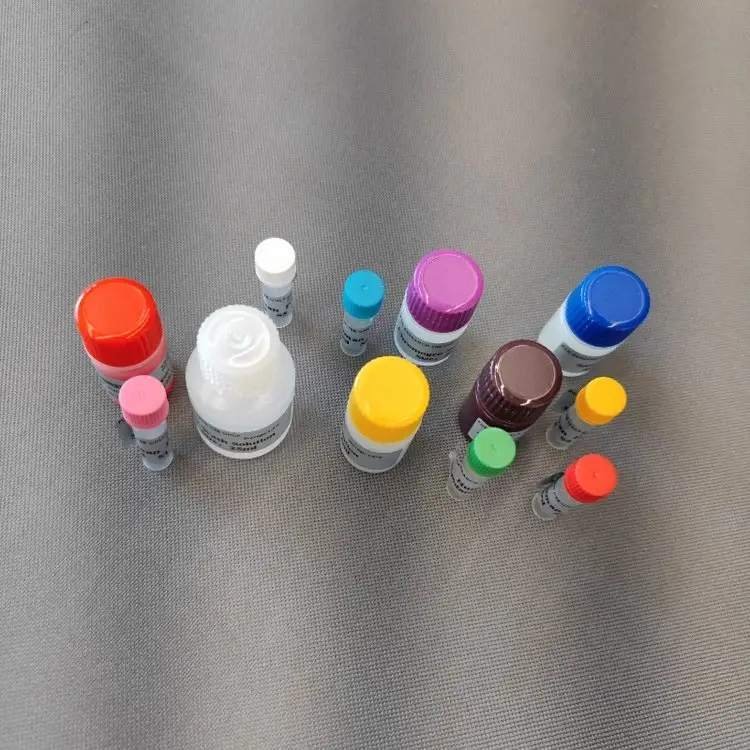
| Standard (0.3 mL/vial) | 6 vials | Ready-to-use liquid, 0–4 ng/mL |
| Sample Diluent | 6 mL | – |
| HRP-Conjugated Detection Antibody | 10 mL | Ready-to-use |
| 20× Wash Buffer | 25 mL | Dilute to 1× before use |
| Substrate A | 6 mL | – |
| Substrate B | 6 mL | – |
| Stop Solution | 6 mL | – |
| Plate Sealers | 2 sheets | – |
| Instruction Manual | 1 copy | – |
| Self-sealing Bag | 1 piece | – |
48-Well Format
| Component | Quantity | Notes |
|---|---|---|
| Microelisa Stripplate | 12 strips × 4 wells | Pre-coated |
| Standard (0.3 mL/vial) | 6 vials | Ready-to-use |
| Sample Diluent | 3 mL | – |
| HRP-Conjugated Detection Antibody | 5 mL | Ready-to-use |
| 20× Wash Buffer | 15 mL | Dilute to 1× |
| Substrate A | 3 mL | – |
| Substrate B | 3 mL | – |
| Stop Solution | 3 mL | – |
| Plate Sealers | 2 sheets | – |
| Instruction Manual | 1 copy | – |
| Self-sealing Bag | 1 piece | – |
Crystallization of 20× Wash Buffer is normal; warm in a water bath before dilution.
Assay Procedure Summary
- Equilibrate: Warm the sealed foil pouch to room temperature for 20 min.
- Add Standards: 50 μL of each standard.
- Add Samples: 10 μL of prepared (and if necessary, concentrated) sample + 40 μL Sample Diluent.
- Add HRP-Antibody: 100 μL HRP-conjugated detection antibody to all wells except blank. Seal and incubate at 37°C for 60 min.
- Wash: Aspirate, wash with 1× Wash Buffer (soak 1 min), repeat 5 times.
- Substrate: Add 50 μL each of Substrate A and B. Incubate in the dark at 37°C for 15 min.
- Stop & Read: Add 50 μL Stop Solution. Read at 450 nm within 15 min.
Total hands-on time: ~2 hours.
Throughput
| Format | Max. Samples (Single Wells) |
|---|---|
| 48-well | 39–40 |
| 96-well | 85–88 |
Expand Your Estrogen Research Panel
Pair this human E3S ELISA kit with the following assays for a comprehensive endocrine metabolism analysis:
- Mouse RNP ELISA Kit: Essential Tool for Autoimmune & Molecular Biology Research
- Mouse 2-Arachidonoylglycerol (2-AG) ELISA Kit for Endocannabinoid Research
- Mouse Sphingosine-1-phosphate (S1P) ELISA test Kit – For quantifying this potent bioactive signaling lipid in mouse serum, plasma, and tissue lysates.
- Mouse RASSF6 ELISA Kit – For Cancer & Cellular Signaling Research
Frequently Asked Questions
Q: Is this the active form of vitamin D?
A: Yes, it detects 1,25-dihydroxyvitamin D₃, the biologically active hormone. It does not measure the storage form 25(OH)D₃.
Q: What is the cross-reactivity with 25(OH)D₃?
A: Cross-reactivity is <0.01%, effectively eliminating interference from the abundant precursor.
Q: Why might my serum sample read below the detection limit?
A: Normal mouse serum levels (30–150 pg/mL) are often below the 0.1 ng/mL sensitivity. Concentrate serum by organic solvent extraction (10-fold concentration recommended).
Q: Does vitamin D binding protein (DBP) interfere?
A: The kit includes an acetone precipitation step to remove DBP and release bound 1,25(OH)₂D₃, enabling total hormone measurement.
Q: What sample type is recommended for higher 1,25(OH)₂D₃ levels?
A: Kidney tissue is the primary synthesis site. Levels can reach ~0.46 ng/g under stimulated conditions, making it an excellent alternative to serum without the need for concentration.
Q: Can I use this kit for rat or human samples?
A: No. This kit is strictly validated for mouse. It does not cross-react with rat or human 1,25(OH)₂D₃.
Q: Can I Mix ELISA Kit Antigen from Different Manufacturers?
A: Absolutely not! Although the antibodies may look the same, the production processes are completely different.
Q: Can you provide custom service for Elisa test kits?
A: We can offer customized services for Elisa kits. Both the detection factors and sensitivity can be customized.
Mouse 1,25-dihydroxyvitamin D3 (1,25(OH)2D3) ELISA Kit instruction
Ordering & Contact
| Item | Details |
|---|---|
| Catalog Number | Yanda-Mouse-1,25(OH)₂D₃ |
| Formats | 48-well / 96-well |
| Package Dimensions | 16 cm × 12.5 cm × 9.5 cm (neutral white box) |
| Shipping | Cold-chain (2–8°C), protected from light |
| Storage | 2–8°C; do not freeze |
| Shelf Life | 6 months |
WhatsApp: +86 198 3186 0669 | Email: songhawyble@gmail.com
Disclaimer
For research use only. Not for clinical diagnosis. The manufacturer assumes no liability for improper use. Users must validate the assay in their own experimental conditions.