
Assay Principle — Competitive ELISA for a Small Microbial Metabolite
3‑Indolepropionic acid (3‑IPA) is a small molecule (~189 Da) produced by gut microbiota from tryptophan. It is too small for two antibodies to bind simultaneously, so this kit employs a competitive inhibition enzyme immunoassay. The microplate is coated with an anti‑3‑IPA antibody. Free 3‑IPA in the sample competes with an enzyme‑labeled 3‑IPA conjugate for antibody binding. The resulting OD signal is inversely proportional to the 3‑IPA concentration — higher 3‑IPA yields lower OD.
Important: Standard concentrations (0–160 pg/mL) refer to in‑well final concentrations. Use 4‑parameter logistic (4PL) or log‑logit fitting for accurate quantification.
Key Features
- Measures 3‑IPA by Competitive ELISA – Overcomes the size limitation that prevents sandwich detection. Designed specifically for this gut‑brain axis metabolite.
- Excellent Specificity – No significant cross‑reactivity with other indole metabolites such as indole‑3‑acetic acid (IAA), indole‑3‑lactic acid (ILA), indole‑3‑aldehyde, tryptamine, or serotonin.
- Optimized for Low Physiological Levels – Quantitative range 1.0–160 pg/mL and sensitivity <1.0 pg/mL are ideally suited for circulating 3‑IPA concentrations (typically pg/mL to low ng/mL). Most normal serum/plasma samples can be tested directly or with minimal dilution (1:2–1:4).
- Flexible Sample Preparation for Complex Matrices – Serum and plasma can be assayed with simple dilution. For fecal or intestinal content samples, an organic solvent extraction protocol (methanol, acetonitrile, or ethyl acetate) is provided to remove particulates and protein.
- Cross‑Species Universality – 3‑IPA is a small metabolite, not a protein. Its chemical structure is identical across mammals. This kit is suitable for rat, mouse, human, and other mammalian samples.
- Ready‑to‑Use Liquid Standards – Six standards (0, 10, 20, 40, 80, 160 pg/mL) supplied as liquids; no reconstitution required.
- Built‑in 5× Sample Dilution – 10 μL sample + 40 μL Sample Diluent in the well; multiply the interpolated result by 5 to obtain the concentration in the diluted sample.
- One‑Step Incubation – Co‑incubation of sample and HRP‑conjugate with the antibody; total assay time ~2 hours.
- Excellent Precision – Intra‑ and inter‑assay CV <15%; standard curve R ≥0.9900.
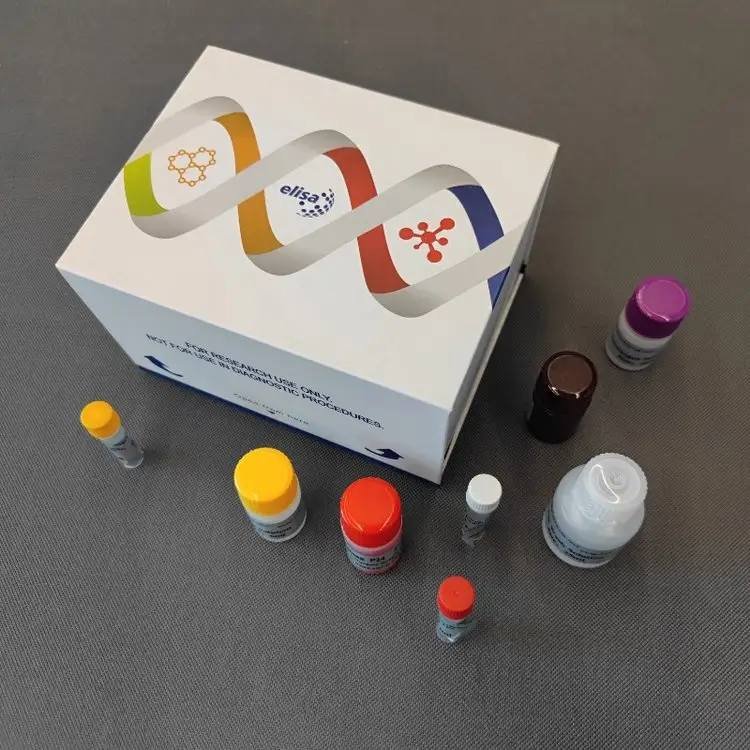
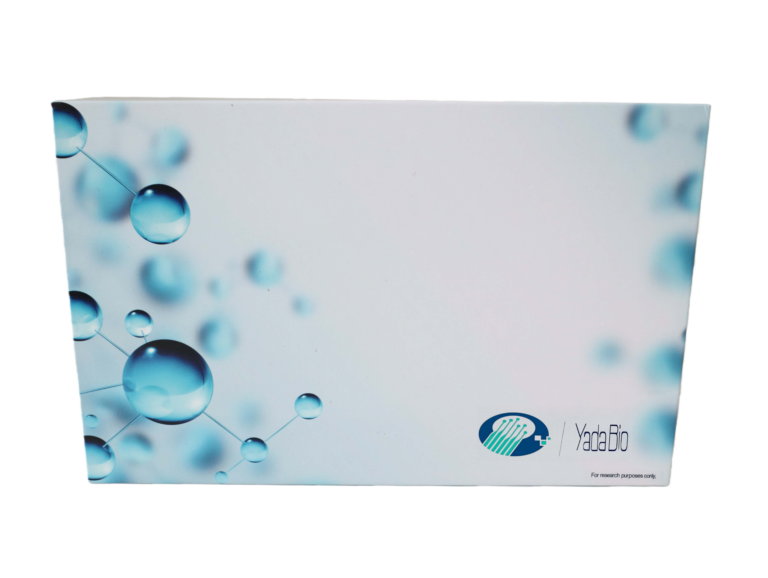
- Export‑Ready – Neutral white box (16 × 12.5 × 9.5 cm), cold‑chain shipping (2–8°C), 6‑month shelf life. MSDS available upon request.
Product Description
3‑Indolepropionic acid (3‑IPA) is a tryptophan‑derived metabolite produced exclusively by certain gut bacteria, such as Clostridium sporogenes. It acts as a potent antioxidant and has been shown to protect neurons from oxidative damage, modulate intestinal barrier function, and influence host metabolism. In rat models, 3‑IPA is a key biomarker for studying the gut‑brain axis, neuroprotection, and metabolic health.
The Yanda-Rat-3-IPA ELISA Kit provides a convenient competitive ELISA method for quantifying 3‑IPA in serum, plasma, tissue, and fecal extracts. It is intended for research use only.
Sample Collection & Preparation
Serum & Plasma
- Collect blood in plain tubes (serum) or EDTA/citrate/heparin tubes (plasma).Prevent impact of sample hemolysis from affecting the experimental results.
- Centrifuge at 3000 rpm for 10–30 min. Separate supernatant promptly.
- Normal circulating 3‑IPA levels are low (pg/mL to low ng/mL). No pre‑dilution or minimal dilution (1:2, 1:4) is recommended for most rat samples. Run a pilot test to confirm.
Tissue Homogenate
- Homogenize tissue in ice‑cold PBS (1:9 w/v) with protease inhibitors. Centrifuge at 3000 rpm for 10 min at 4°C. Collect supernatant. Dilute further if needed.
Fecal & Intestinal Content Samples (Complex Matrix)
Fecal material contains food debris and proteases that cause matrix interference. A solvent extraction is required.
- Weigh sample and add ice‑cold organic solvent (e.g., methanol, acetonitrile, or ethyl acetate) at a ratio of 1:3 to 1:5 (w/v).
- Vortex vigorously for 5–10 min to precipitate proteins and extract metabolites.
- Centrifuge at 10,000 × g for 10–15 min at 4°C.
- Transfer the supernatant to a clean tube and evaporate the solvent under nitrogen or in a vacuum concentrator.
- Reconstitute the dried residue in the kit’s Sample Diluent to a volume appropriate for your expected concentration (start with the original sample volume or 1:1 ratio).
- Vortex and centrifuge briefly; use the clear supernatant for ELISA.
Storage & Stability
- NaN₃ Prohibition: Sodium azide inhibits HRP. Do not use as a preservative.
- Aliquot and store samples at -20°C or -80°C. Avoid repeated freeze‑thaw cycles.
Dilution & Calculation
- In‑well dilution: 10 μL sample + 40 μL Sample Diluent = 5‑fold dilution.
- Interpolated value: Concentration read from the standard curve (in‑well value).
- Final sample concentration (pg/mL) = Interpolated value × 5 (in‑well) × any additional pre‑dilution factor.
Example: A serum sample tested without pre‑dilution gives an interpolated reading of 25 pg/mL. Actual serum concentration = 25 × 5 = 125 pg/mL.
Data Fitting: The competitive curve is inversely dose‑dependent. Use 4‑parameter logistic (4PL) or log‑logit fitting (e.g., GraphPad Prism, MyCurveFit).
Technical Specifications
| Parameter | Specification |
|---|---|
| Standard Concentrations (S0–S5) | 0, 10, 20, 40, 80, 160 pg/mL (in‑well) |
| Quantitative Range | 1.0 – 160 pg/mL |
| Analytical Sensitivity | < 1.0 pg/mL |
| Accuracy (Linearity) | Standard curve R ≥0.9900 |
| Precision | Intra‑assay CV <15%; Inter‑assay CV <15% |
| Specificity | Highly specific for 3‑IPA. No significant cross‑reactivity with IAA, ILA, indole‑3‑aldehyde, tryptamine, serotonin, or other soluble analogues. |
| Species Reactivity | All mammals (rat, mouse, human, etc.) — 3‑IPA is chemically identical across species. |
| Sample Dilution Factor | 5× (in‑well); minimal pre‑dilution recommended for serum |
| Shelf Life | 6 months |
| Storage & Transport | 2–8°C, protected from light; cold‑chain shipping |
Representative Standard Curve
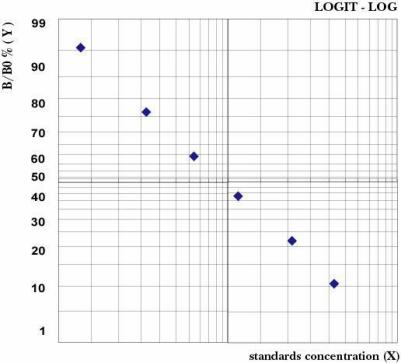
Detailed spike‑recovery and dilution linearity data are available in the product instruction manual.
Kit Components
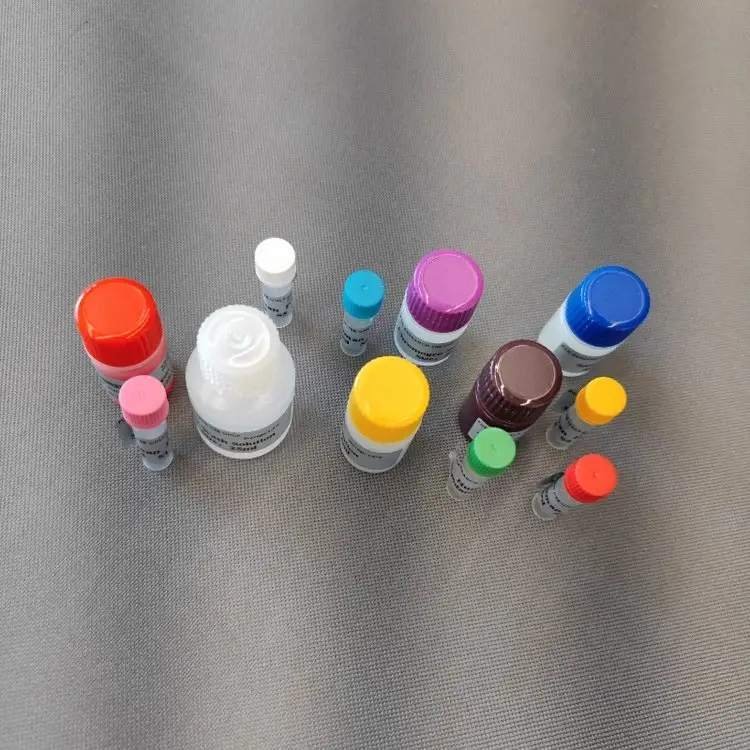
96‑Well Format
| Component | Quantity | Notes |
|---|---|---|
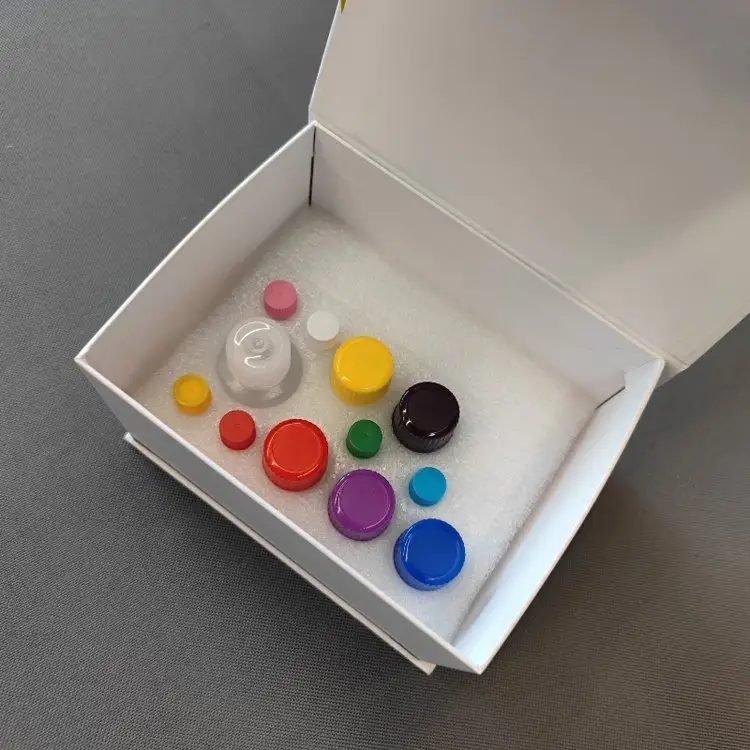
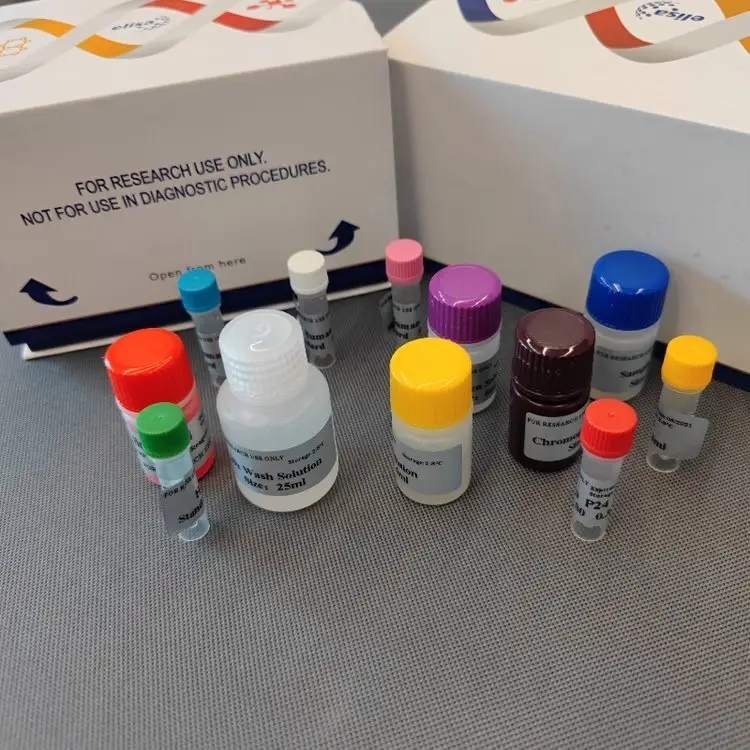
| Microelisa Stripplate | 12 strips × 8 wells | Pre‑coated with anti‑3‑IPA antibody |
| Standard (0.3 mL/vial) | 6 vials | Ready‑to‑use liquid, 0–160 pg/mL |
| Sample Diluent | 6 mL | – |
| HRP‑Conjugated 3‑IPA Tracer | 10 mL | Ready‑to‑use |
| 20× Wash Buffer | 25 mL | Dilute to 1× before use |
| Substrate A | 6 mL | – |
| Substrate B | 6 mL | – |
| Stop Solution | 6 mL | – |
| Plate Sealers | 2 sheets | – |
| Instruction Manual | 1 copy | – |
| Self‑sealing Bag | 1 piece | For unused strip storage |
48‑Well Format
| Component | Quantity | Notes |
|---|---|---|
| Microelisa Stripplate | 12 strips × 4 wells | Pre‑coated |
| Standard (0.3 mL/vial) | 6 vials | Ready‑to‑use |
| Sample Diluent | 3 mL | – |
| HRP‑Conjugated 3‑IPA Tracer | 5 mL | Ready‑to‑use |
| 20× Wash Buffer | 15 mL | Dilute to 1× |
| Substrate A | 3 mL | – |
| Substrate B | 3 mL | – |
| Stop Solution | 3 mL | – |
| Plate Sealers | 2 sheets | – |
| Instruction Manual | 1 copy | – |
| Self‑sealing Bag | 1 piece | – |
Crystallization of 20× Wash Buffer during cold storage is normal; warm in a water bath until crystals dissolve.
Assay Procedure Summary
- Equilibrate: Warm the foil pouch to room temperature for 20 min. Remove required strips.
- Add Standards & Samples: 50 μL standards; 10 μL sample + 40 μL Sample Diluent. Blank: leave empty.
- Add HRP‑Tracer: 100 μL HRP‑conjugated 3‑IPA tracer to all wells except blank. Incubate at 37°C for 60 min.
- Wash: Aspirate, wash with 1× Wash Buffer (soak 1 min), repeat 5 times.
- Substrate: 50 μL each of Substrate A and B, incubate dark at 37°C for 15 min.
- Stop & Read: 50 μL Stop Solution, read at 450 nm within 15 min.
Total hands‑on time: ~2 hours.
Throughput
| Format | Max. Samples (Single Wells) |
|---|---|
| 48‑well | 39–40 |
| 96‑well | 85–88 |
Includes 6 standard wells and 1–2 blank wells. For duplicates, divide sample count accordingly.
Related Products
- Rat Serotonin Transport Protein (SERT) ELISA Kit – Quantify the Key Neurotransmitter Transporter
- Rat 5-Hydroxytryptamine Receptors 2/3/4 (5-HT2/3/4R) ELISA Kit – Multi-Target Serotonin Receptor Detection
- Rat 5-Alpha Reductase (5AR) ELISA Kit – Precise Enzyme Activity Quantification
- Rat 2-Monoacylglycerol (MAG) ELISA Kit (Competitive ELISA)
Frequently Asked Questions
Q: Is this a sandwich or competitive ELISA?
A: Competitive ELISA. 3‑IPA is too small (~189 Da) for sandwich detection. Signal is inversely proportional to 3‑IPA concentration.
Q: Can I use this kit for mouse or human 3‑IPA?
A: Yes. 3‑IPA is chemically identical across mammals. This kit is suitable for rat, mouse, human, and other mammalian samples.
Q: What sample types can I use?
A: Serum, plasma, tissue homogenates, and fecal/intestinal content extracts. Fecal samples require organic solvent extraction before assay.
Q: Does this kit cross‑react with other indole metabolites?
A: No significant cross‑reactivity with IAA, ILA, indole‑3‑aldehyde, tryptamine, or serotonin.
Q: Do I need to pre‑dilute my serum samples?
A: Normal 3‑IPA levels are low (pg/mL range). Most serum samples can be tested directly or with minimal dilution (1:2–1:4). Run a pilot test if unsure.
Q: How should I process fecal samples?
A: Extract with methanol, acetonitrile, or ethyl acetate (1:3–1:5 w/v), vortex, centrifuge, evaporate the solvent, and reconstitute in Sample Diluent before assay.
Q: Can I use sodium azide as a preservative?
A: No. NaN₃ inhibits HRP and causes false‑negative results.
Q: Are MSDS and export documents available?
A: Yes. MSDS and Certificate of Composition are provided upon request.
Ordering & Contact
| Item | Details |
|---|---|
| Catalog Number | Yanda-Rat-3-IPA |
| Formats | 48‑well / 96‑well |
| Package Dimensions | 16 cm × 12.5 cm × 9.5 cm (neutral white box) |
| Shipping | Cold‑chain (2–8°C), protected from light and moisture |
| Storage | 2–8°C; do not freeze |
| Shelf Life | 6 months |
WhatsApp: +86 198 3186 0669 | Email: songhawyble@gmail.com
Technical Documents & Support
- Instruction Manual – Download or request via email.
- MSDS & Certificate of Composition – Available upon request.
- Technical Support – For fecal extraction protocols, competitive assay data fitting, or cross‑species applications, contact us via WhatsApp or email.
Disclaimer
For research use only. Not for clinical diagnosis or treatment. Users are responsible for validating assay performance in their own experimental conditions. The manufacturer assumes no liability for improper use or protocol deviations.