
Assay Principle — Competitive ELISA for a Small Lipid Molecule
2‑Monoacylglycerol (MAG) is a small lipid (~200–400 Da) that lacks two distinct epitopes for sandwich detection. This kit employs a competitive inhibition ELISA. A pre‑coated antibody captures 2‑MAG from the sample, and an enzyme‑labeled 2‑MAG conjugate competes with free analyte for binding. The resulting OD signal is inversely proportional to the 2‑MAG concentration — high MAG produces low OD.
Key Distinction: This kit detects 2‑MAG, not the endocannabinoid 2‑arachidonoylglycerol (2‑AG). No cross‑reactivity with 2‑AG, DAG, or TAG has been observed.
Key Features
- Competitive ELISA for Small‑Molecule 2‑MAG – Overcomes the size limitation of sandwich methods. Measures 2‑monoacylglycerol with high specificity.
- No Cross‑Reactivity with Related Lipids – Does not recognize 2‑AG, 1,2‑DAG, 1,3‑DAG, or triacylglycerols (TAG). Specific for 2‑MAG.
- Organic Solvent Extraction Required – MAG is lipophilic. Samples must be extracted with chloroform‑methanol (2:1, v/v) or similar organic solvent systems. The extract is dried, reconstituted in Sample Diluent, and then assayed.
- High Sensitivity – Detection limit <0.1 ng/mL; quantitative range 0.1–20 ng/mL. If sample values fall below the lowest standard, concentration via larger reconstitution volume is recommended.
- Ready‑to‑Use Liquid Standards – Six standards supplied (0, 1.25, 2.5, 5, 10, 20 ng/mL). Standard concentrations are in‑well final values.
- Built‑in 5× Sample Dilution – 10 μL reconstituted sample + 40 μL Sample Diluent in the well; multiply the interpolated result by 5 and any concentration factors to obtain the original concentration.
- Strict Species Reactivity – Validated for rat samples only. A separate mouse‑specific kit is required for mouse models.
- Excellent Precision – Intra‑ and inter‑assay CV <15%; standard curve R ≥0.9900.
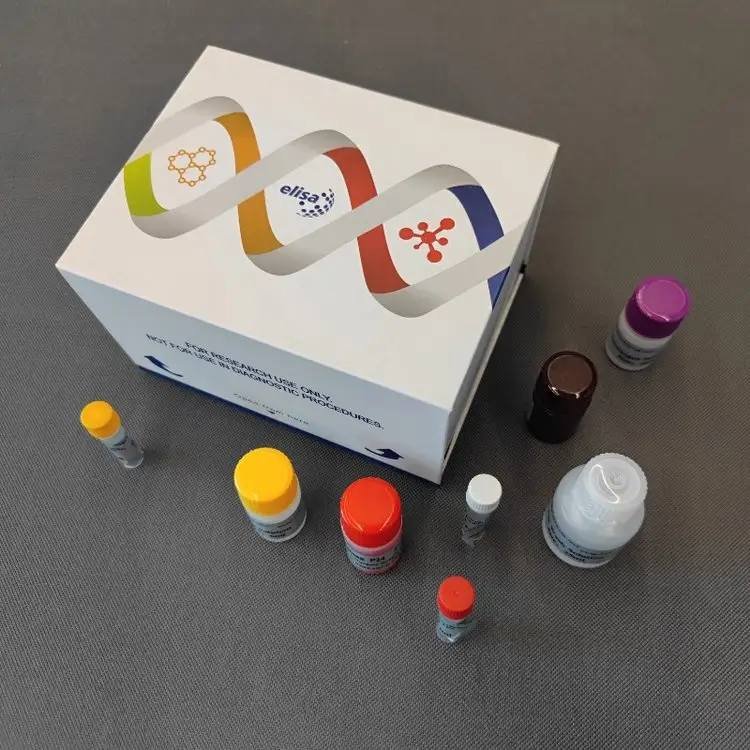
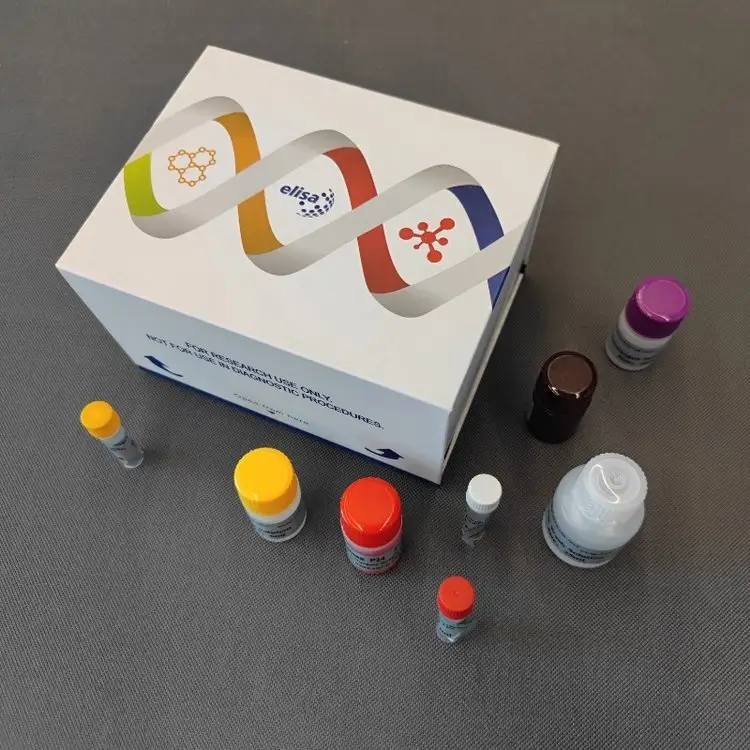
- Export‑Ready – Neutral white box (16 × 12.5 × 9.5 cm), cold‑chain shipping (2–8°C), 6‑month shelf life. MSDS available upon request.
Product Description
Monoacylglycerols (MAGs) are key intermediates in lipid metabolism, serving as products of lipolysis and substrates for triacylglycerol re‑synthesis. In rats, 2‑MAG levels reflect the balance between lipase activity and MAG kinase/Lyso‑PLD pathways. Quantification of 2‑MAG is essential for research on energy metabolism, obesity, diabetes, and lipid signaling.
The Yanda-Rat-MAG ELISA Kit uses a competitive ELISA format. After lipid extraction and reconstitution, the sample is incubated with an HRP‑conjugated 2‑MAG tracer and a pre‑coated antibody. The signal decays as 2‑MAG concentration increases, enabling sensitive measurement of this small lipid.
Sample Collection & Lipid Extraction
Important: Organic Solvent Extraction Is Mandatory
MAGs are lipophilic and cannot be effectively extracted by saline or PBS. Follow this procedure:
- Homogenization: Homogenize tissue (e.g., liver, adipose) or mix serum/plasma with chloroform‑methanol (2:1, v/v) at a ratio of approximately 1 mL solvent per 100 mg tissue or 100 μL fluid.
- Extraction: Vortex thoroughly and centrifuge at 3000–5000 × g for 10 min at 4°C to separate phases. Collect the lower organic phase.
- Drying: Evaporate the organic solvent under a gentle nitrogen stream or in a vacuum concentrator.
- Reconstitution: Dissolve the dried lipid residue in Sample Diluent (provided in the kit). Use a reconstitution volume 1‑ to 5‑fold the original sample volume (e.g., 100 μL original sample → 100–500 μL diluent). The exact factor can be optimized by pilot experiment.
- ELISA: Load 10 μL of reconstituted sample + 40 μL Sample Diluent per well.
Sample Storage
- Aliquot and freeze at -20°C or -80°C. Avoid repeated freeze‑thaw cycles.
- NaN₃ Prohibition: Sodium azide inhibits HRP. Do not use as a preservative.
Dilution & Calculation
- In‑well dilution: 10 μL reconstituted sample + 40 μL Sample Diluent = 5‑fold dilution.
- Standard curve: The interpolated concentration is the in‑well value. Multiply by 5 to get the concentration in the reconstituted sample.
- Original sample concentration (ng/mL) = Reconstituted sample concentration × (reconstitution volume / original sample volume).
Example: 100 μL serum extracted, dried, and reconstituted in 200 μL diluent. The reconstituted sample gives an interpolated reading of 2 ng/mL. Reconstituted concentration = 2 × 5 = 10 ng/mL. Original serum concentration = 10 × (200/100) = 20 ng/mL.
Data Fitting: Use 4‑parameter logistic (4PL) or log‑logit fitting (e.g., GraphPad Prism, MyCurveFit) because the standard curve is inverse.
Technical Specifications
| Parameter | Specification |
|---|---|
| Standard Concentrations (S0–S5) | 0, 1.25, 2.5, 5, 10, 20 ng/mL (in‑well) |
| Quantitative Range | 0.1 – 20 ng/mL |
| Analytical Sensitivity | < 0.1 ng/mL |
| Accuracy (Linearity) | Standard curve R ≥0.9900 |
| Precision | Intra‑assay CV <15%; Inter‑assay CV <15% |
| Specificity | Highly specific for rat 2‑MAG. No cross‑reactivity with 2‑AG, 1,2‑DAG, 1,3‑DAG, or TAG. |
| Species Restriction | Validated for rat samples only. |
| Sample Dilution Factor | 5× (in‑well); additional reconstitution/concentration factor to be applied |
| Shelf Life | 6 months |
| Storage & Transport | 2–8°C, protected from light; cold‑chain shipping |
Representative Standard Curve
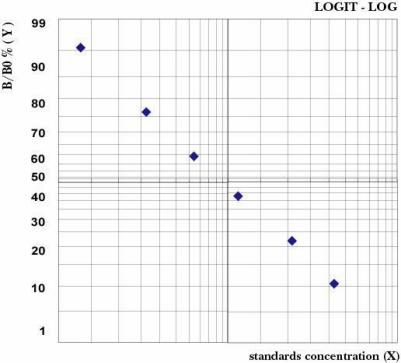
Detailed spike‑recovery and dilution linearity data are available in the product instruction manual.
Kit Components
96‑Well Format
| Component | Quantity | Notes |
|---|---|---|
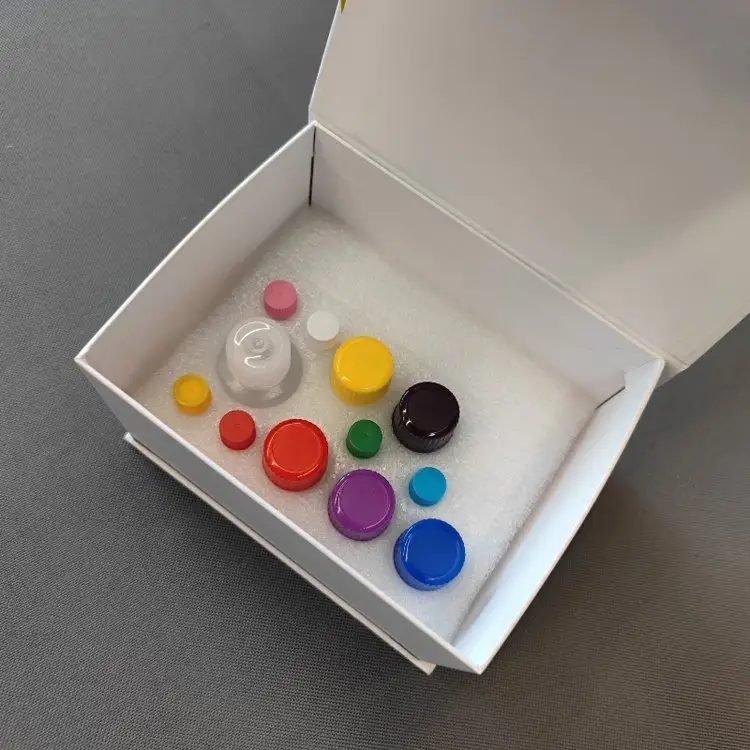
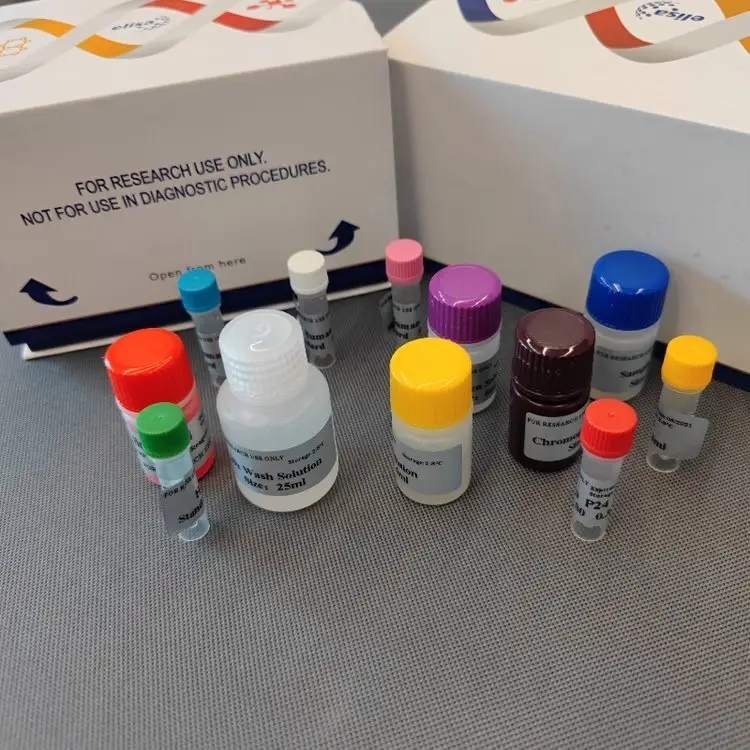
| Microelisa Stripplate | 12 strips × 8 wells | Pre‑coated with anti‑2‑MAG antibody |
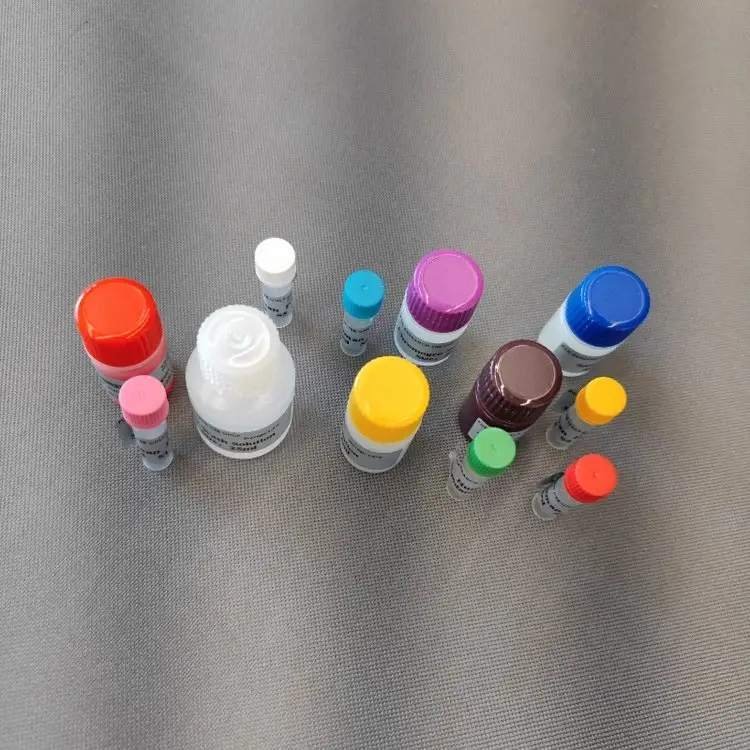
| Standard (0.3 mL/vial) | 6 vials | Ready‑to‑use liquid, 0–20 ng/mL |
| Sample Diluent | 6 mL | – |
| HRP‑Conjugated 2‑MAG Tracer | 10 mL | Ready‑to‑use |
| 20× Wash Buffer | 25 mL | Dilute to 1× before use |
| Substrate A | 6 mL | – |
| Substrate B | 6 mL | – |
| Blocking Buffer | 6 mL | – |
| Plate Sealers | 2 sheets | – |
| Instruction Manual | 1 copy | – |
| Self‑sealing Bag | 1 piece | For unused strip storage |
48‑Well Format
| Component | Quantity | Notes |
|---|---|---|
| Microelisa Stripplate | 12 strips × 4 wells | Pre‑coated |
| Standard (0.3 mL/vial) | 6 vials | Ready‑to‑use |
| Sample Diluent | 3 mL | – |
| HRP‑Conjugated 2‑MAG Tracer | 5 mL | Ready‑to‑use |
| 20× Wash Buffer | 15 mL | Dilute to 1× |
| Substrate A | 3 mL | – |
| Substrate B | 3 mL | – |
| Stop Solution | 3 mL | – |
| Plate Sealers | 2 sheets | – |
| Instruction Manual | 1 copy | – |
| Self‑sealing Bag | 1 piece | – |
Crystallization of 20× Wash Buffer during cold storage is normal; warm in a water bath until crystals dissolve.
Assay Procedure Summary
- Equilibrate: Warm the foil pouch to room temperature for 20 min. Remove required strips.
- Add Standards: 50 μL of each standard.
- Add Reconstituted Samples: 10 μL reconstituted lipid extract + 40 μL Sample Diluent. Blank: leave empty.
- Add HRP‑Tracer: 100 μL HRP‑conjugated 2‑MAG tracer to all wells except blank. Incubate at 37°C for 60 min.
- Wash: Aspirate, wash with 1× Wash Buffer (soak 1 min), repeat 5 times.
- Substrate: 50 μL each of Substrate A and B, incubate dark at 37°C for 15 min.
- Stop & Read: 50 μL Stop Solution, read at 450 nm within 15 min.
Total hands‑on time: ~2 hours (excluding lipid extraction).
Throughput
| Format | Max. Samples (Single Wells) |
|---|---|
| 48‑well | 39–40 |
| 96‑well | 85–88 |
Includes 6 standard wells and 1–2 blank wells. For duplicates, divide sample count accordingly.
Related Products
- Cost-effective Rat Neurofilament Protein Peptide (NFL) ELISA test kit-Specifically designed for the quantitative detection of Rat NFL in serum, plasma, cell culture supernatants, and tissue homogenates. Essential for neuroscience research, neurodegenerative disease studies, and neurotoxicity assessments.
- Rat Colony-Stimulating Factor (CSF) ELISA Kit – Quantitative Immunoassay for Hematopoietic and Inflammation Studies
- Rat HMG-CoA Reductase (HMGCR) ELISA Kit – For the quantitative measurement of Rat HMG-CoA Reductase (HMGCR) concentration and activity in serum, plasma, tissue homogenates (e.g., liver), and cell lysates.
- Rat 3β-Hydroxysteroid Dehydrogenase (3β-HSD) ELISA Kit – For the precise quantitative measurement of Rat 3β-Hydroxysteroid Dehydrogenase (3β-HSD) enzyme levels in serum, plasma, cell lysates, and tissue homogenates.
Frequently Asked Questions
Q: Is this a sandwich or competitive ELISA?
A: Competitive ELISA. 2‑MAG is too small for sandwich detection. The signal decreases as 2‑MAG concentration increases.
Q: Does this kit detect 2‑AG (2‑arachidonoylglycerol)?
A: No. It is specific for 2‑MAG and does not cross‑react with 2‑AG, DAG, or TAG.
Q: Why must I use organic solvents for extraction?
A: MAGs are lipophilic and cannot be effectively extracted by saline. We recommend chloroform‑methanol (2:1, v/v) extraction followed by drying and reconstitution in Sample Diluent.
Q: What reconstitution volume should I use?
A: Start with a 1:1 to 1:5 ratio (original volume to diluent volume). Run a pilot experiment to find the factor that places OD in the standard curve’s linear range.
Q: Can I use this kit for mouse samples?
A: No. This kit is validated for rat samples only. A dedicated mouse MAG kit is required for mouse studies.
Q: How do I calculate the original sample concentration?
A: Original concentration = [interpolated value × 5 (in‑well dilution)] × (reconstitution volume / original sample volume).
Q: Is sodium azide allowed?
A: No. NaN₃ inhibits HRP and will cause false‑negative results. Do not use as a preservative.
Q: Are MSDS and export documents available?
A: Yes. MSDS and Certificate of Composition are provided upon request.
Ordering & Contact
| Item | Details |
|---|---|
| Catalog Number | Yanda-Rat-MAG |
| Formats | 48‑well / 96‑well |
| Package Dimensions | 16 cm × 12.5 cm × 9.5 cm (neutral white box) |
| Shipping | Cold‑chain (2–8°C), protected from light and moisture |
| Storage | 2–8°C; do not freeze |
| Shelf Life | 6 months |
WhatsApp: +86 198 3186 0669 | Email: songhawyble@gmail.com
Technical Documents & Support
- Instruction Manual – Download or request via email.
- MSDS & Certificate of Composition – Available upon request.
- Technical Support – For lipid extraction protocols, competitive assay data analysis, or species‑specific requirements, contact us via WhatsApp or email.
Disclaimer
For research use only. Not for clinical diagnosis or treatment. Users are responsible for validating assay performance in their own experimental conditions. The manufacturer assumes no liability for improper use or protocol deviations.