
Key Features
- Measures HMGCR Protein Concentration, Not Enzymatic Activity — Quantifies rat HMG-CoA reductase protein mass (ng/mL) via sandwich ELISA. The assay provides an immunoreactive readout, not a catalytic activity measurement, and should not be directly compared with Vmax or other kinetic data.
- Membrane Protein Extraction Protocol — HMGCR is an ER‑anchored membrane protein. A validated RIPA lysis protocol with ultrasound sonication is included. Mandatory ≥10‑fold dilution of the lysate brings SDS to ≤0.01% and ensures antibody compatibility.
- Liver Tissue Strongly Preferred — HMGCR is predominantly expressed in liver. Tissue homogenates (especially liver) and cell lysates are the recommended sample types. Serum and plasma levels are extremely low and generally fall below the assay’s detection limit.
- Statins Do Not Interfere Directly — Atorvastatin, simvastatin, and related inhibitors bind the catalytic site and do not cross‑react with the antibodies. Increases in HMGCR protein after chronic statin treatment reflect genuine compensatory up‑regulation, not assay artifact.
- No Cross‑Reactivity with Cholesterol Pathway Enzymes — No significant interference from HMG‑CoA synthase (HMGCS1), HMG‑CoA lyase (HMGCL), or other soluble structural analogues.
- Ready‑to‑Use Liquid Standards — Six standards (0, 5, 10, 20, 40, 80 ng/mL) supplied as liquids; no reconstitution required.
- Built‑in 5× In‑Well Dilution — 10 μL sample + 40 μL Sample Diluent per well; multiply the interpolated result by 5 and any additional pre‑dilution factor.
- One‑Step Sandwich ELISA — Co‑incubation of sample and HRP‑detection antibody; total assay time ~2 hours.
- Excellent Precision — Intra‑ and inter‑assay CV <15%; standard curve R ≥0.9900.
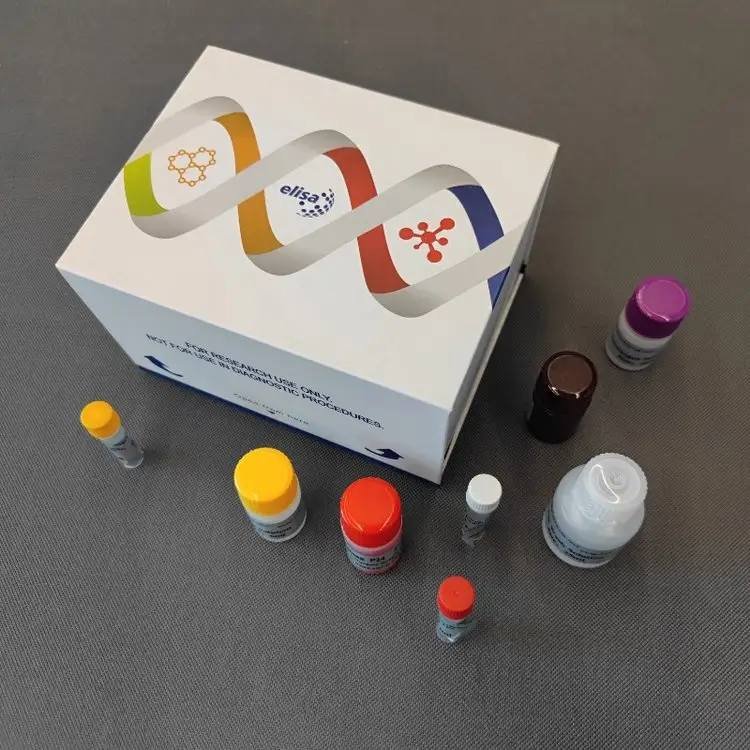
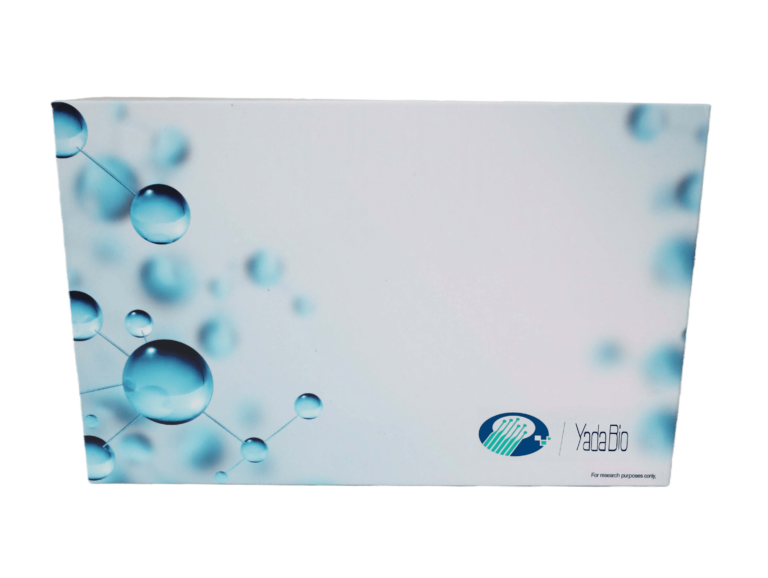
- Export‑Ready — Neutral white box (16 × 12.5 × 9.5 cm), cold‑chain shipping (2–8°C), 6‑month shelf life. MSDS available upon request.
Product Description
HMG‑CoA reductase (HMGCR) is the rate‑limiting enzyme of cholesterol biosynthesis and a well‑established drug target for statins. In rat models, HMGCR protein levels are acutely sensitive to dietary cholesterol, pharmacological inhibition, and hormonal regulation. Quantifying HMGCR protein in liver tissue is essential for preclinical studies of hyperlipidemia, atherosclerosis, and lipid‑lowering drug development.
The Yanda-Rat-HMGCR ELISA Kit employs a one‑step double‑antibody sandwich format. A pre‑coated capture antibody binds rat HMGCR, and an HRP‑conjugated detection antibody is added simultaneously. After washing, TMB substrate produces a signal directly proportional to the HMGCR protein concentration, measured at 450 nm.
Important: This kit measures protein mass, not catalytic activity. Data cannot be directly compared with Vmax values obtained from radiometric or spectrophotometric enzyme assays.
Sample Collection & Preparation
Recommended Sample Types
| Priority | Sample Type | Notes |
|---|---|---|
| ★★★ | Liver tissue homogenate | Highest HMGCR expression; RIPA lysis + ultrasound required |
| ★★☆ | Cell lysate | RIPA lysis required |
| ★☆☆ | Serum / Plasma | HMGCR is intracellular; levels are extremely low and generally undetectable |
Membrane Protein Extraction (RIPA + Ultrasound)
- Weigh fresh or frozen liver tissue. Rinse with ice‑cold PBS to remove blood.
- Add ice‑cold RIPA buffer (50 mM Tris‑HCl, pH 7.4, 150 mM NaCl, 1% Triton X‑100, 0.5% sodium deoxycholate, 0.1% SDS) containing fresh protease inhibitor cocktail at a ratio of 1:9 (w/v).
- Homogenize on ice using a glass‑Teflon grinder.
- Ultrasound sonication: Place the homogenate in an ice bath. Using a probe sonicator at 40–60% power (e.g., ~260–390 W for a 650 W instrument), apply pulse mode: 2–3 sec ON, 5–6 sec OFF for a total processing time of 3–5 min. Keep the sample volume between 1–5 mL.
- Centrifuge at 12,000 × g for 10–12 min at 4°C. Collect the supernatant.
- Critical dilution: Before ELISA, dilute the RIPA supernatant at least 10‑fold with the provided Sample Diluent to bring SDS to ≤0.01% (v/v).
Pre‑Dilution Recommendation for Liver Lysates
- Basal conditions: Start with 1:2, 1:5, and 1:10 dilutions in a pilot experiment.
- Statin‑induced or high‑expression models: Extend the dilution series to 1:50 and 1:100, as compensatory up‑regulation can easily saturate the standard curve. Choose the dilution yielding OD values in the mid‑range of the standard curve.
Storage & NaN₃ Prohibition
- Aliquot and store at -20°C or -80°C. Avoid repeated freeze‑thaw cycles.
- Sodium azide (NaN₃) is strictly prohibited; it irreversibly inhibits HRP.
Dilution & Calculation
- In‑well dilution: 10 μL pre‑diluted sample + 40 μL Sample Diluent = 5‑fold dilution.
- Standard curve: Standard concentrations (0–80 ng/mL) refer to in‑well final values.
- Final sample concentration (ng/mL) = Interpolated value × 5 (in‑well) × pre‑dilution factor.
Example: A liver lysate pre‑diluted 1:50 gives an interpolated reading of 12 ng/mL. Actual concentration = 12 × 5 × 50 = 3,000 ng/mL.
Technical Specifications
| Parameter | Specification |
|---|---|
| Standard Concentrations (S0–S5) | 0, 5, 10, 20, 40, 80 ng/mL (in‑well) |
| Quantitative Range | 1.0 – 80 ng/mL |
| Analytical Sensitivity | < 1.0 ng/mL |
| Accuracy (Linearity) | Standard curve R ≥0.9900 |
| Precision | Intra‑assay CV <15%; Inter‑assay CV <15% |
| Specificity | Highly specific for rat HMGCR. No cross‑reactivity with HMGCS1, HMGCL, or other cholesterol pathway analogues. |
| Species Restriction | Validated exclusively for rat samples. |
| Sample Dilution Factor | 5× (in‑well); additional pre‑dilution required for RIPA lysates |
| Shelf Life | 6 months |
| Storage & Transport | 2–8°C, protected from light; cold‑chain shipping |
Representative Standard Curve
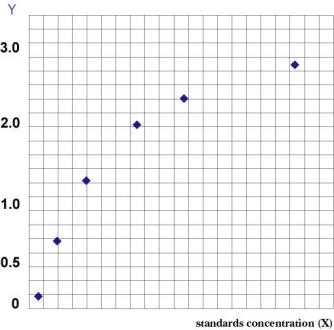
Representative spike‑recovery and dilution linearity data are available in the product instruction manual.
Kit Components
96‑Well Format
| Component | Quantity | Notes |
|---|---|---|
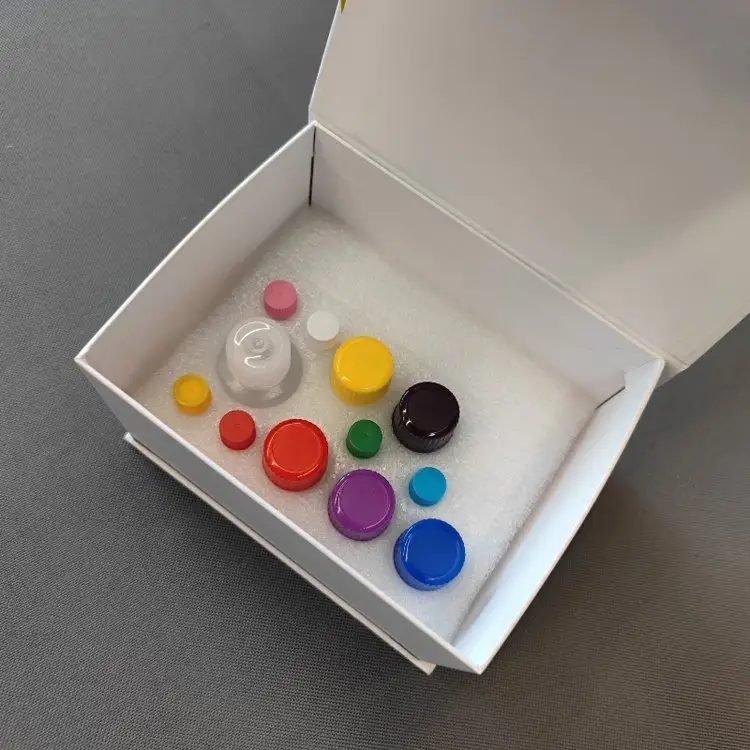
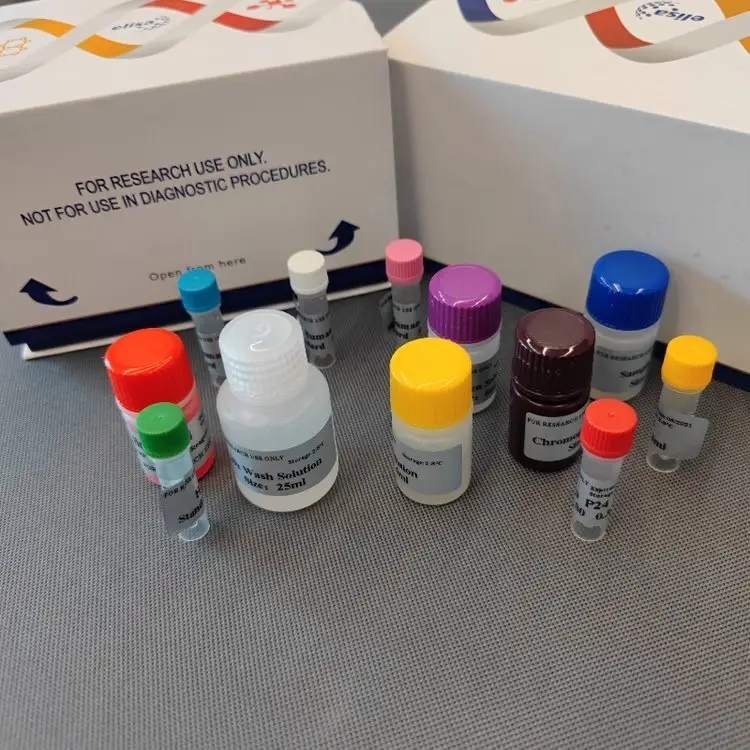
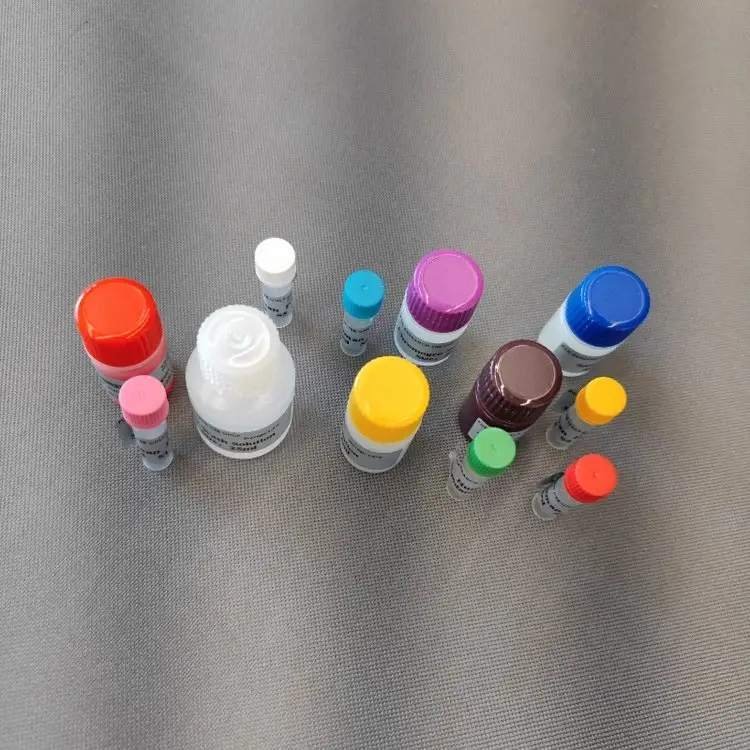
| Microelisa Stripplate | 12 strips × 8 wells | Pre‑coated with anti‑rat HMGCR antibody |
| Standard (0.3 mL/vial) | 6 vials | Ready‑to‑use liquid, 0–80 ng/mL |
| Sample Diluent | 6 mL | – |
| HRP‑Conjugated Detection Antibody | 10 mL | Ready‑to‑use |
| 20× Wash Buffer | 25 mL | Dilute to 1× before use |
| Substrate A | 6 mL | – |
| Substrate B | 6 mL | – |
| Stop Solution | 6 mL | – |
| Plate Sealers | 2 sheets | – |
| Instruction Manual | 1 copy | – |
| Self‑sealing Bag | 1 piece | For unused strip storage |
48‑Well Format
| Component | Quantity | Notes |
|---|---|---|
| Microelisa Stripplate | 12 strips × 4 wells | Pre‑coated |
| Standard (0.3 mL/vial) | 6 vials | Ready‑to‑use |
| Sample Diluent | 3 mL | – |
| HRP‑Conjugated Detection Antibody | 5 mL | Ready‑to‑use |
| 20× Wash Buffer | 15 mL | Dilute to 1× |
| Substrate A | 3 mL | – |
| Substrate B | 3 mL | – |
| Stop Solution | 3 mL | – |
| Plate Sealers | 2 sheets | – |
| Instruction Manual | 1 copy | – |
| Self‑sealing Bag | 1 piece | – |
Crystallization of 20× Wash Buffer during cold storage is normal; warm in a water bath until crystals dissolve.
Assay Procedure Summary
- Equilibrate: Warm the foil pouch to room temperature for 20 min. Remove required strips.
- Add Standards & Samples: 50 μL standards; 10 μL pre‑diluted sample + 40 μL Sample Diluent. Blank: leave empty.
- Add HRP‑Antibody: 100 μL HRP‑detection antibody to all wells except blank. Incubate at 37°C for 60 min.
- Wash: Aspirate, wash with 1× Wash Buffer (soak 1 min), repeat 5 times.
- Substrate: 50 μL each of Substrate A and B, incubate dark at 37°C for 15 min.
- Stop & Read: 50 μL Stop Solution, read at 450 nm within 15 min.
Total hands‑on time: ~2 hours.
Throughput
| Format | Max. Samples (Single Wells) |
|---|---|
| 48‑well | 39–40 |
| 96‑well | 85–88 |
Includes 6 standard wells and 1–2 blank wells. For duplicates, divide sample count accordingly.
Related Rat ELISA Kit
- Cost-effective Rat Neurofilament Protein Peptide (NFL) ELISA test kit-Specifically designed for the quantitative detection of Rat NFL in serum, plasma, cell culture supernatants, and tissue homogenates. Essential for neuroscience research, neurodegenerative disease studies, and neurotoxicity assessments.
- Rat Colony-Stimulating Factor (CSF) ELISA Kit – Quantitative Immunoassay for Hematopoietic and Inflammation Studies
- Rat Monoacylglycerol (MAG) ELISA Kit – Precise Lipid Metabolite Quantification
- Rat 3β-Hydroxysteroid Dehydrogenase (3β-HSD) ELISA Kit – For the precise quantitative measurement of Rat 3β-Hydroxysteroid Dehydrogenase (3β-HSD) enzyme levels in serum, plasma, cell lysates, and tissue homogenates.
Frequently Asked Questions
Q: Does this kit measure enzyme activity or protein concentration?
A: Protein concentration (ng/mL), not catalytic activity. Do not compare results directly with Vmax data from enzyme kinetics assays.
Q: How should I extract HMGCR from liver tissue?
A: Use RIPA lysis buffer with ultrasound sonication (40–60% power, pulse mode 2–3 sec ON / 5–6 sec OFF, 3–5 min total on ice). After centrifugation, dilute the supernatant at least 10‑fold with Sample Diluent to reduce SDS to ≤0.01%.
Q: What pre‑dilution should I use for liver lysates?
A: For basal conditions, test 1:2, 1:5, and 1:10. For statin‑induced or high‑expression models, extend the range to 1:50 and 1:100.
Q: Can statins interfere with the ELISA reading?
A: No. Statins bind the catalytic site, not the antibody epitope. Any increase in HMGCR protein after chronic statin treatment reflects genuine biological up‑regulation.
Q: Does this kit cross‑react with HMG‑CoA synthase or lyase?
A: No significant cross‑reactivity with HMGCS1, HMGCL, or other cholesterol pathway enzymes.
Q: Can I use serum or plasma?
A: Not recommended. HMGCR is an intracellular enzyme, and circulating levels are extremely low and generally undetectable.
Q: Can I use this kit for mouse HMGCR?
A: No. The kit is validated exclusively for rat HMGCR. Use a mouse‑specific kit for mouse models.
Q: Are MSDS and export documents available?
A: Yes. MSDS and Certificate of Composition are provided upon request.
Ordering & Contact
| Item | Details |
|---|---|
| Catalog Number | Yanda-Rat-HMGCR |
| Formats | 48‑well / 96‑well |
| Package Dimensions | 16 cm × 12.5 cm × 9.5 cm (neutral white box) |
| Shipping | Cold‑chain (2–8°C), protected from light and moisture |
| Storage | 2–8°C; do not freeze |
| Shelf Life | 6 months |
WhatsApp: +86 198 3186 0669 | Email: songhawyble@gmail.com
Technical Documents & Support
- Instruction Manual – Download or request via email.
- MSDS & Certificate of Composition – Available upon request.
- Technical Support – For RIPA extraction, ultrasound settings, statin interference, or validation data, contact us via WhatsApp or email.
Disclaimer
For research use only. Not for clinical diagnosis or treatment. Users are responsible for validating assay performance in their own experimental conditions. The manufacturer assumes no liability for improper use or protocol deviations.