
Key Features
- Detects Total 5AR Protein Concentration — Measures total 5-alpha reductase protein mass (ng/mL), not enzymatic activity. The antibody epitope is located within a conserved region shared by both Type 1 (SRD5A1) and Type 2 (SRD5A2), providing a comprehensive assessment of tissue 5AR protein levels. For isoform-specific (Type 1 or Type 2 only) kits, please contact our technical support team.
- Optimized for Membrane Protein Extraction — 5AR is an ER‑membrane protein. Standard saline homogenization yields poor recovery. A RIPA lysis buffer protocol (containing 1% Triton X‑100, 0.5% sodium deoxycholate, 0.1% SDS) is recommended to release the enzyme. Saline homogenization remains available as an option for soluble fractions, though efficiency for 5AR is limited.
- Detergent Tolerance Guidance — The maximum allowable SDS concentration is typically ≤0.05%, but final limits may vary by kit lot. Refer to the printed instruction manual supplied with your kit for the exact tolerance specifications. After lysis, use the provided Sample Diluent for gradient dilution to control detergent concentration.
- Tissue Homogenate Strongly Preferred — 5AR is an intracellular microsomal enzyme. Serum/plasma levels are extremely low and frequently fall below the assay’s quantification limit (<1.0 ng/mL). Tissue lysates (prostate, liver, epididymis) or cell lysates are the recommended sample types. Serum may be used only with the understanding that values may be reported as “Below Limit of Quantitation.”
- No Cross‑Reactivity with Related Steroidogenic Enzymes — No significant cross‑reactivity or interference with 5β‑reductase or other steroid‑metabolizing enzyme analogues has been observed.
- 5AR Inhibitor Compatibility — Finasteride and dutasteride are small‑molecule catalytic inhibitors that do not cause steric hindrance with antibody binding. They do not directly interfere with ELISA measurement. However, long‑term in vivo administration may cause compensatory up‑ or down‑regulation of 5AR protein expression, which will be accurately reflected by the assay. A spike‑and‑recovery pilot experiment (e.g., 1 μM, 10 μM, 50 μM) is recommended to confirm matrix‑specific effects.
- Ready‑to‑Use Liquid Standards — Six standards supplied (0, 20, 40, 80, 160, 320 ng/mL); no reconstitution needed. Standard concentrations refer to final in‑well values.
- Built‑in 5× In‑Well Dilution — 10 μL sample + 40 μL Sample Diluent in the well; multiply the interpolated result by 5 and any additional pre‑dilution factor to obtain the original sample concentration.
- One‑Step Sandwich ELISA — Co‑incubation of sample and HRP‑detection antibody; total assay time ~2 hours.
- Excellent Precision — Intra‑ and inter‑assay CV <15%; standard curve linearity R ≥0.9900.
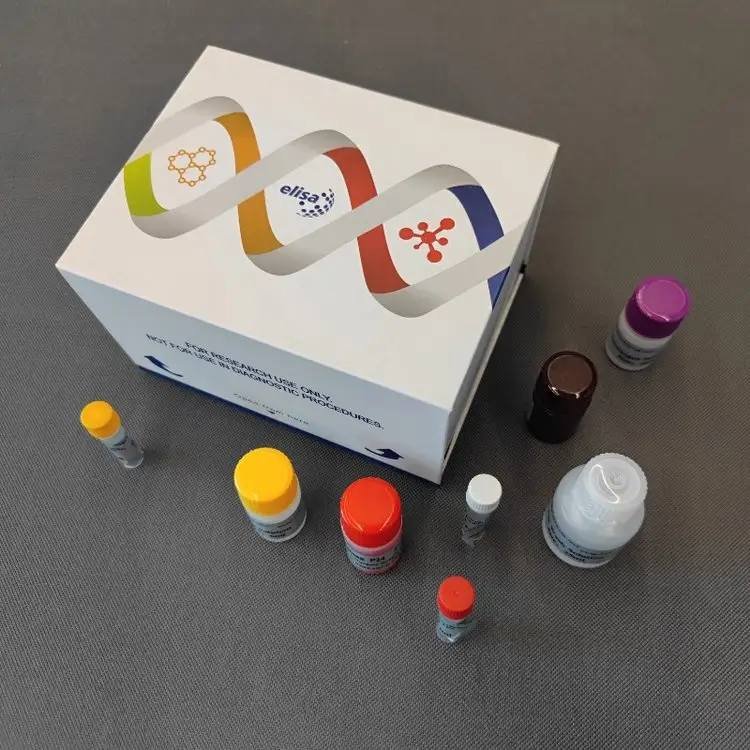
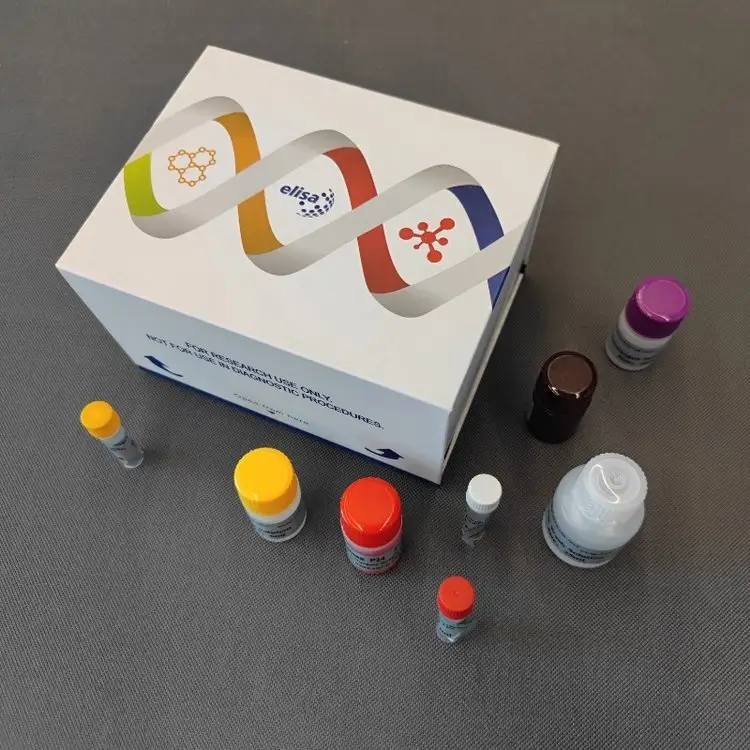
- Export‑Ready — Neutral white box (16 × 12.5 × 9.5 cm), cold‑chain shipping (2–8°C), 6‑month shelf life. MSDS available upon request.
Product Description
5‑Alpha reductase (5AR, EC 1.3.99.5) catalyzes the NADPH‑dependent conversion of testosterone to the more potent androgen 5α‑dihydrotestosterone (DHT). In rats, 5AR is expressed predominantly in the prostate, liver, epididymis, and skin, where it regulates androgen‑dependent physiology and pathology. Aberrant 5AR expression is implicated in benign prostatic hyperplasia, androgenic alopecia, and endocrine disruption. Quantifying 5AR protein levels is essential for understanding androgen metabolism and evaluating 5AR inhibitors in preclinical models.
The Yanda-Rat-5AR ELISA Kit employs a one‑step double‑antibody sandwich ELISA. A pre‑coated capture antibody binds 5AR via a conserved epitope present on both Type 1 and Type 2 isoforms. Samples and standards are co‑incubated with an HRP‑conjugated detection antibody. After washing, TMB substrate produces a signal directly proportional to the 5AR protein concentration, measured at 450 nm.
Sample Collection & Preparation
Recommended Sample Priority
| Priority | Sample Type | Notes |
|---|---|---|
| ★★★ | Tissue homogenate (prostate, liver, epididymis) | Highest 5AR expression; RIPA lysis required |
| ★★☆ | Cell lysate | RIPA lysis required |
| ★☆☆ | Serum / Plasma | 5AR is intracellular; free enzyme levels extremely low. Values may be <1.0 ng/mL and reported as “Below Limit of Quantitation (BLOQ).” Use only with full acknowledgement of this limitation. |
Membrane Protein Extraction (RIPA Protocol — Recommended)
- Weigh fresh or frozen tissue. Mince and rinse with ice‑cold PBS to remove blood.
- Add ice‑cold RIPA buffer (50 mM Tris‑HCl, pH 7.4, 150 mM NaCl, 1% Triton X‑100, 0.5% sodium deoxycholate, 0.1% SDS) containing fresh protease inhibitor cocktail at a ratio of 1:9 (w/v).
- Homogenize on ice using a glass‑Teflon grinder or sonicate (2–3 short bursts on ice).
- Incubate on ice for 30 min with periodic vortexing.
- Centrifuge at 12,000 × g for 15 min at 4°C. Collect the supernatant.
- Critical: The RIPA supernatant contains ~0.1% SDS. Before loading onto the ELISA plate, dilute the supernatant at least 1:10 to 1:50 with the provided Sample Diluent to bring SDS to ≤0.05% (or the limit specified in your kit’s manual). Perform a pilot dilution series to identify the optimal factor.
Saline Homogenization (Alternative — Limited Efficiency)
For research requiring only soluble fraction analysis, tissue may be homogenized in ice‑cold normal saline (1:9 w/v), centrifuged at 3000 rpm for 10 min at 4°C, and the supernatant collected. Note: Extraction efficiency for membrane‑bound 5AR is significantly lower with this method.
Storage & Stability
- NaN₃ Prohibition: Sodium azide is a potent HRP inhibitor. Do not use as a preservative.
- Aliquot and store at -20°C or -80°C. Avoid repeated freeze‑thaw cycles.
Dilution & Calculation
- In‑well dilution: 10 μL pre‑diluted sample + 40 μL Sample Diluent = 5‑fold dilution.
- Standard curve: Standard concentrations (0–320 ng/mL) are final in‑well concentrations. The interpolated value is the concentration in the well.
- Final sample concentration (ng/mL) = Interpolated value × 5 (in‑well dilution) × additional pre‑dilution factor.
Example: A prostate homogenate extracted with RIPA, pre‑diluted 1:20, gives an interpolated reading of 80 ng/mL. Actual lysate concentration = 80 × 5 × 20 = 8,000 ng/mL.
Technical Specifications
| Parameter | Specification |
|---|---|
| Standard Concentrations (S0–S5) | 0, 20, 40, 80, 160, 320 ng/mL (in‑well) |
| Quantitative Range | 1.0 – 320 ng/mL |
| Analytical Sensitivity | < 1.0 ng/mL |
| Lower Limit of Quantitation (LLOQ) | 1.0 ng/mL (values <1.0 ng/mL should be reported as BLOQ) |
| Accuracy (Linearity) | Standard curve R ≥0.9900 |
| Precision | Intra‑assay CV <15%; Inter‑assay CV <15% |
| Specificity | Recognizes a conserved epitope on rat Type 1 and Type 2 5AR. No cross‑reactivity with 5β‑reductase or other steroidogenic enzyme analogues. |
| Species Restriction | Validated exclusively for rat samples. |
| Sample Dilution Factor | 5× (in‑well); additional pre‑dilution of 1:10–1:50 recommended for RIPA lysates |
| Shelf Life | 6 months |
| Storage & Transport | 2–8°C, protected from light; cold‑chain shipping |
Representative Standard Curve
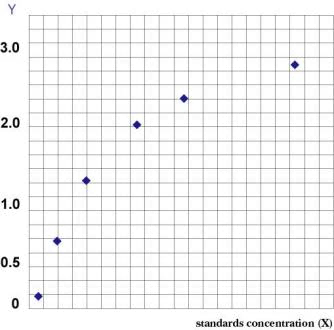
Representative spike‑recovery and dilution linearity data are available in the product instruction manual.
Kit Components
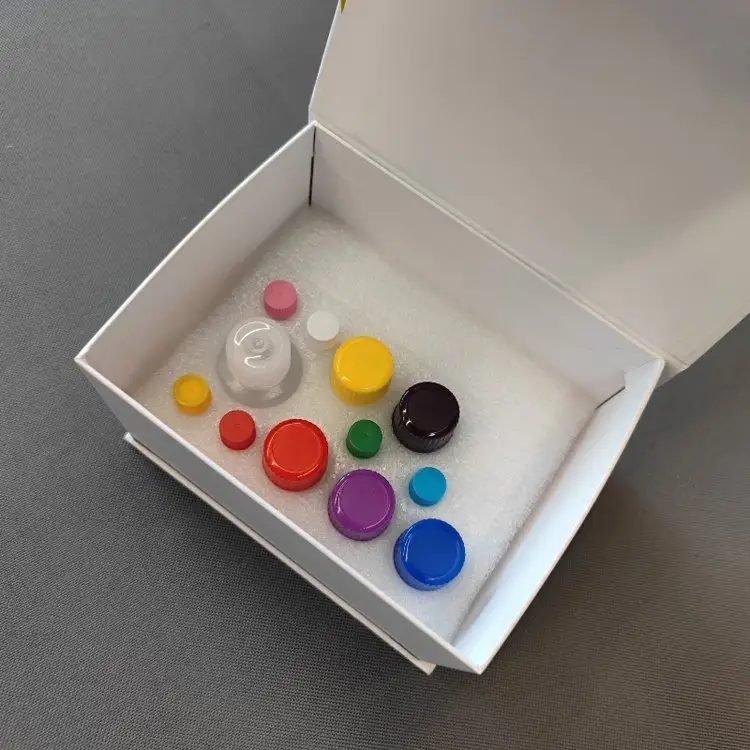
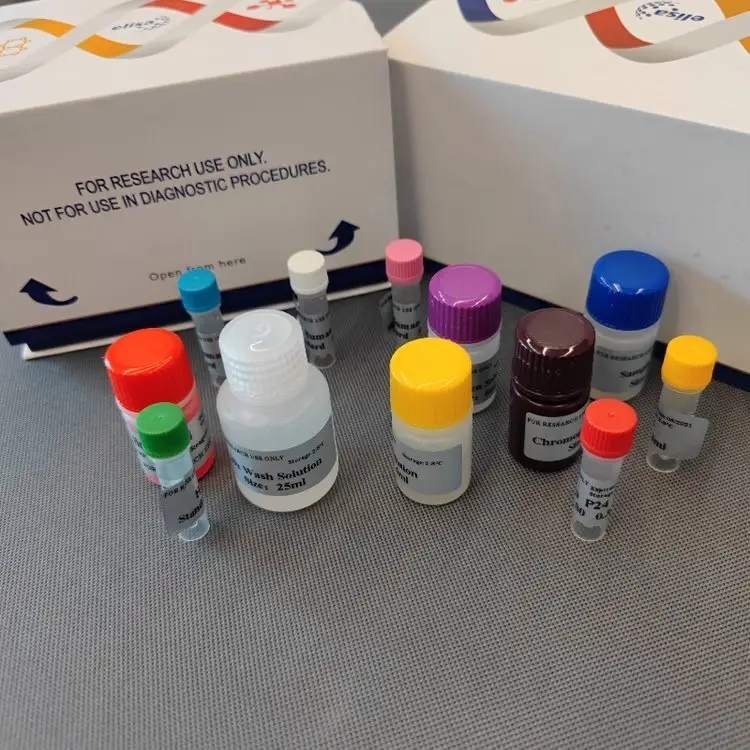
96‑Well Format
| Component | Quantity | Notes |
|---|---|---|
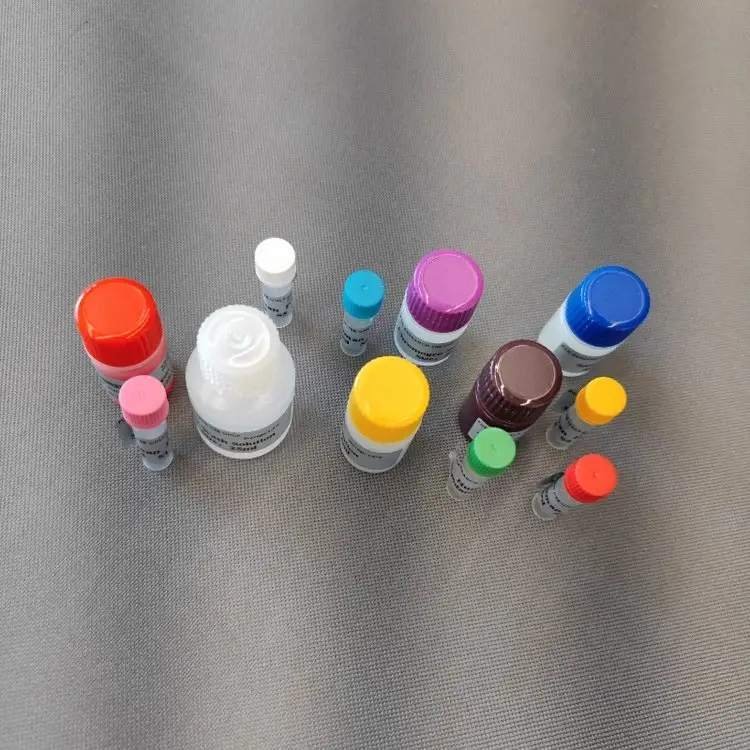
| Microelisa Stripplate | 12 strips × 8 wells | Pre‑coated with anti‑rat 5AR antibody |
| Standard (0.3 mL/vial) | 6 vials | Ready‑to‑use liquid, 0–320 ng/mL |
| Sample Diluent | 6 mL | – |
| HRP‑Conjugated Detection Antibody | 10 mL | Ready‑to‑use |
| 20× Wash Buffer | 25 mL | Dilute to 1× before use |
| Substrate A | 6 mL | – |
| Substrate B | 6 mL | – |
| Stop Solution | 6 mL | – |
| Plate Sealers | 2 sheets | – |
| Instruction Manual | 1 copy | – |
| Self‑sealing Bag | 1 piece | For unused strip storage |
48‑Well Format
| Component | Quantity | Notes |
|---|---|---|
| Microelisa Stripplate | 12 strips × 4 wells | Pre‑coated |
| Standard (0.3 mL/vial) | 6 vials | Ready‑to‑use |
| Sample Diluent | 3 mL | – |
| HRP‑Conjugated Detection Antibody | 5 mL | Ready‑to‑use |
| 20× Wash Buffer | 15 mL | Dilute to 1× |
| Substrate A | 3 mL | – |
| Substrate B | 3 mL | – |
| Stop Solution | 3 mL | – |
| Plate Sealers | 2 sheets | – |
| Instruction Manual | 1 copy | – |
| Self‑sealing Bag | 1 piece | – |
Crystallization of 20× Wash Buffer during cold storage is normal; warm in a water bath until crystals dissolve.
Assay Procedure Summary
- Equilibrate: Warm the foil pouch to room temperature for 20 min. Remove required strips.
- Add Standards & Samples: 50 μL standards; 10 μL pre‑diluted sample + 40 μL Sample Diluent. Blank: leave empty.
- Add HRP‑Antibody: 100 μL HRP‑detection antibody to all wells except blank. Incubate at 37°C for 60 min.
- Wash: Aspirate, wash with 1× Wash Buffer (soak 1 min), repeat 5 times.
- Substrate: 50 μL each of Substrate A and B, incubate dark at 37°C for 15 min.
- Stop & Read: 50 μL Stop Solution, read at 450 nm within 15 min.
Total hands‑on time: ~2 hours.
Throughput
| Format | Max. Samples (Single Wells) |
|---|---|
| 48‑well | 39–40 |
| 96‑well | 85–88 |
Includes 6 standard wells and 1–2 blank wells. For duplicates, divide sample count accordingly.
Related Products
- Rat Colony-Stimulating Factor (CSF) ELISA Kit – Quantitative Immunoassay for Hematopoietic and Inflammation Studies
- Rat 5-Hydroxytryptamine Receptors 2/3/4 (5-HT2/3/4R) ELISA Kit – Multi-Target Serotonin Receptor Detection
- Rat 3-Indolepropionic Acid (3-IPA) ELISA Kit – Precise Gut Metabolite Quantification
- Rat Adiponectin (ADPN) ELISA Kit – Sandwich ELISA (HRP/TMB)
Frequently Asked Questions
Q: Does this kit measure enzyme activity or protein concentration?
A: Protein concentration (ng/mL), not catalytic activity. It quantifies total 5AR protein mass.
Q: Does it detect Type 1, Type 2, or both?
A: The antibody targets a conserved epitope shared by both isoforms, detecting total 5AR. For isoform‑specific (Type 1 or Type 2 only) kits, please contact our technical support team via WhatsApp or email.
Q: Why must I use RIPA lysis instead of saline?
A: 5AR is an ER‑membrane protein. RIPA contains detergents that solubilize the membrane and release the enzyme. Saline extraction is inefficient and will significantly underestimate 5AR levels.
Q: What detergent concentration is safe for the ELISA?
A: SDS tolerance is typically ≤0.05%, but the exact limit is lot‑specific. Refer to your printed manual. After RIPA lysis, dilute the supernatant at least 1:10–1:50 with the provided Sample Diluent.
Q: What is the recommended starting dilution for tissue lysates?
A: For RIPA extracts of prostate or liver, start with 1:10, 1:20, and 1:50 dilutions in a pilot experiment. Choose the factor that places OD values in the mid‑range of the standard curve.
Q: Can I use serum or plasma?
A: 5AR is an intracellular enzyme. Serum/plasma levels are extremely low and frequently fall below the 1.0 ng/mL quantitation limit. Tissue or cell lysates are strongly preferred. If serum must be used, results may be reported as “Below Limit of Quantitation (<1.0 ng/mL).”
Q: Do finasteride or dutasteride interfere with the assay?
A: These small‑molecule inhibitors bind the catalytic site and do not cause steric hindrance with antibody binding. They do not directly interfere. Long‑term drug treatment may alter 5AR protein expression in vivo, which will be genuinely reflected. We recommend a spike‑and‑recovery experiment (e.g., 1–50 μM) to verify.
Q: Can I use this kit for mouse 5AR?
A: No. This kit is strictly validated for rat 5AR. For mouse models (e.g., TRAMP), use a mouse‑specific 5AR ELISA kit.
Q: Are MSDS and export documents available?
A: Yes. MSDS and Certificate of Composition are provided upon request.
Ordering & Contact
| Item | Details |
|---|---|
| Catalog Number | Yanda-Rat-5AR |
| Formats | 48‑well / 96‑well |
| Package Dimensions | 16 cm × 12.5 cm × 9.5 cm (neutral white box) |
| Shipping | Cold‑chain (2–8°C), protected from light and moisture |
| Storage | 2–8°C; do not freeze |
| Shelf Life | 6 months |
WhatsApp: +86 198 3186 0669 | Email: songhawyble@gmail.com
For Type 1/Type 2 isoform‑specific 5AR kits, please contact us directly for specifications and ordering.
Technical Documents & Support
- Instruction Manual – Download or request via email.
- MSDS & Certificate of Composition – Available upon request.
- Technical Support – For detergent tolerance, RIPA extraction, 5AR inhibitor interference testing, or isoform‑specific kit parameters, contact us via WhatsApp or email.
Disclaimer
For research use only. Not for clinical diagnosis or treatment. Users are responsible for validating assay performance in their own experimental conditions. The manufacturer assumes no liability for improper use or protocol deviations.