
Target & Antibody Specificity
This kit measures rat serotonin transporter (SERT), a 12‑transmembrane protein responsible for 5‑HT reuptake at presynaptic terminals. The capture antibody recognizes the C‑terminal intracellular domain (aa 579–599). This epitope design means that only full‑length SERT or C‑terminal fragments are detected; soluble serum fragments arising from ectodomain shedding are not recognized unless they contain the C‑terminal region.
Key Features
- Designed for Membrane Protein Detection: Includes a validated RIPA‑based extraction protocol that releases SERT from the plasma membrane without compromising immunoreactivity.
- High Specificity vs. Other Monoamine Transporters: No cross‑reactivity with dopamine transporter (DAT) or norepinephrine transporter (NET).
- SSRI Compatibility: SSRIs (fluoxetine, sertraline, citalopram) bind the SERT transmembrane domain and do not interfere with the C‑terminal antibody. Measured changes in SERT after chronic SSRI treatment reflect genuine biological regulation, not assay interference.
- Brain Region Reference Guide: SERT expression is highest in raphe nuclei, followed by frontal cortex, striatum, and cerebellum. Raphe nuclei require 1:20–1:50 pre‑dilution; cerebellum serves as a negative control.
- Peripheral Biomarker Option: Rat platelet SERT shows strong correlation with CNS SERT and can be used as a peripheral surrogate for 5‑HT system function.
- RIPA Interference Control: A mandatory ≥10‑fold dilution of RIPA lysates reduces SDS to ≤0.01% (v/v), eliminating detergent interference with antigen‑antibody binding.
- Ready‑to‑Use Liquid Standards: Six standards supplied (0, 15, 30, 60, 120, 240 pg/mL); no reconstitution required.
- One‑Step Sandwich ELISA: Co‑incubation of sample and HRP‑detection antibody; total assay time ~2 hours.
- Reliable Performance: Intra‑ and inter‑assay CV <15%; standard curve R ≥0.9900.
- Export‑Ready: Neutral white box, cold‑chain shipping (2–8°C), 6‑month shelf life. MSDS available upon request.
Product Description
SERT (SLC6A4) terminates serotonergic signaling by re‑accumulating 5‑HT into presynaptic neurons. It is the primary target of SSRI antidepressants and is genetically linked to anxiety, depression, and obsessive‑compulsive disorders. In rat models, SERT protein levels in brain regions and platelets are commonly measured to evaluate serotonergic function, drug target engagement, and transporter regulation.
The Yanda‑Rat‑SERT ELISA Kit uses a one‑step double‑antibody sandwich ELISA. A pre‑coated antibody binds the C‑terminal antigen epitope. Samples and standards are added together with HRP‑conjugated detection antibody. After washing, TMB substrate generates a signal directly proportional to SERT concentration, measured at 450 nm.
Sample Collection & Preparation
Recommended Sample Types
| Priority | Sample Type | Notes |
|---|---|---|
| 1 (Best) | Brain tissue homogenate (raphe nuclei, frontal cortex, striatum) | Highest SERT expression |
| 2 | Platelet lysate (EDTA/citrate plasma) | Peripheral biomarker, good correlation with CNS |
| 3 | Cell lysate (transfected cells, primary neurons) | For overexpression or knockdown studies |
| 4 (Use with caution) | Serum / plasma | SERT is predominantly membrane‑bound; free soluble C‑terminal fragments are extremely low and may be undetectable |
Membrane Protein Extraction (RIPA Protocol)
RIPA Buffer Composition (Recommended):
- 1% Triton X‑100
- 1% sodium deoxycholate
- 0.1% SDS
- 50 mM Tris‑HCl (pH 7.4), 150 mM NaCl
- Add fresh: protease inhibitor cocktail (e.g., 1 mM PMSF) + 10% glycerol (optional, for membrane protein stability)
Extraction Steps:
- Weigh fresh or frozen brain tissue. Add ice‑cold RIPA buffer at 1:9 (w/v) ratio.
- Homogenize on ice using a glass‑Teflon grinder or sonicate (2–3 short bursts on ice).
- Incubate on ice for 30 min with occasional vortexing.
- Centrifuge at 12,000 × g for 10–12 min at 4°C.
- Collect supernatant. Critical: Dilute the supernatant at least 10‑fold with Sample Diluent before adding to the ELISA well. This reduces SDS to ≤0.01% and prevents antibody denaturation.
Platelet Isolation (PRP Method)
- Collect whole blood into EDTA or citrate tubes.
- Centrifuge at 150–200 × g for 10–15 min at room temperature; collect the upper platelet‑rich plasma (PRP).
- Centrifuge PRP at 800–1,000 × g for 10 min; discard supernatant.
- Lyse platelet pellet with RIPA buffer (same protocol as above), then dilute as recommended.
Cell Lysates
Wash cells 3× with cold PBS, lyse with RIPA buffer, incubate on ice 30 min, centrifuge at 12,000 × g for 12 min, and dilute 10‑fold before assay.
Storage & Stability
- Membrane protein sensitivity: Do not freeze‑thaw RIPA‑solubilized samples more than once. Aliquot immediately after extraction and store at -80°C.
- Add 10% glycerol and protease inhibitors to help preserve epitope integrity.
- NaN₃ prohibition: Sodium azide inhibits HRP. Do not use as preservative.
Dilution & Calculation
In‑Well Dilution
The assay includes an automatic 5‑fold dilution: 10 µL sample + 40 µL Sample Diluent.
RIPA Pre‑Dilution & Calculation
Because RIPA extracts must be pre‑diluted ≥10‑fold to avoid detergent interference, the total effective dilution factor is:
Final concentration (pg/mL) = Interpolated value × 5 (in‑well) × additional pre‑dilution factor (e.g., 10)
Example: Brain homogenate extracted with RIPA, pre‑diluted 1:20, gives an interpolated reading of 80 pg/mL. Actual tissue lysate concentration = 80 × 5 × 20 = 8,000 pg/mL.
Brain Region Dilution Guide
| Brain Region | Recommended Pre‑Dilution (after RIPA) |
|---|---|
| Raphe nuclei | 1:20 – 1:50 (or higher) |
| Frontal cortex | 1:5 – 1:10 |
| Striatum | 1:5 – 1:10 |
| Cerebellum (negative control) | Neat or 1:2 (expect near‑blank signal) |
Perform a pilot dilution series for each tissue type to confirm OD falls in the mid‑range of the standard curve.
Technical Specifications
| Parameter | Specification |
|---|---|
| Standard Concentrations (S0–S5) | 0, 15, 30, 60, 120, 240 pg/mL |
| Quantitative Range | 1.0 – 240 pg/mL |
| Analytical Sensitivity | <1.0 pg/mL |
| Accuracy (Linearity) | Standard curve R ≥0.9900 |
| Precision | Intra‑assay CV <15%; Inter‑assay CV <15% |
| Specificity | Recognizes rat SERT C‑terminal intracellular epitope. No cross‑reactivity with DAT, NET, or other monoamine transporters. |
| Species Restriction | Validated exclusively for rat samples. |
| Sample Dilution Factor | 5× (in‑well); additional ≥10× pre‑dilution required for RIPA lysates |
| Shelf Life | 6 months |
| Storage & Transport | 2–8°C, protected from light; cold‑chain shipping |
Representative Standard Curve
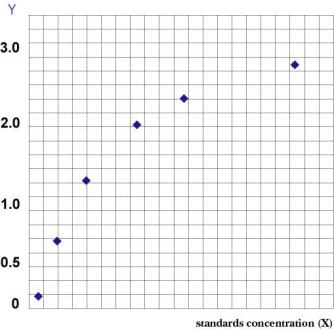
Detailed spike‑recovery and parallelism data are available in the product manual or upon request.
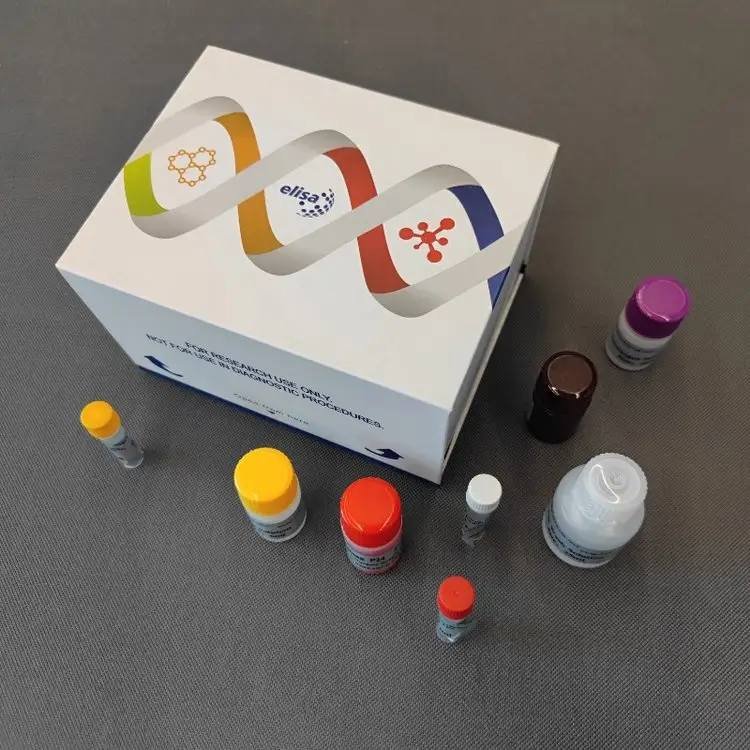
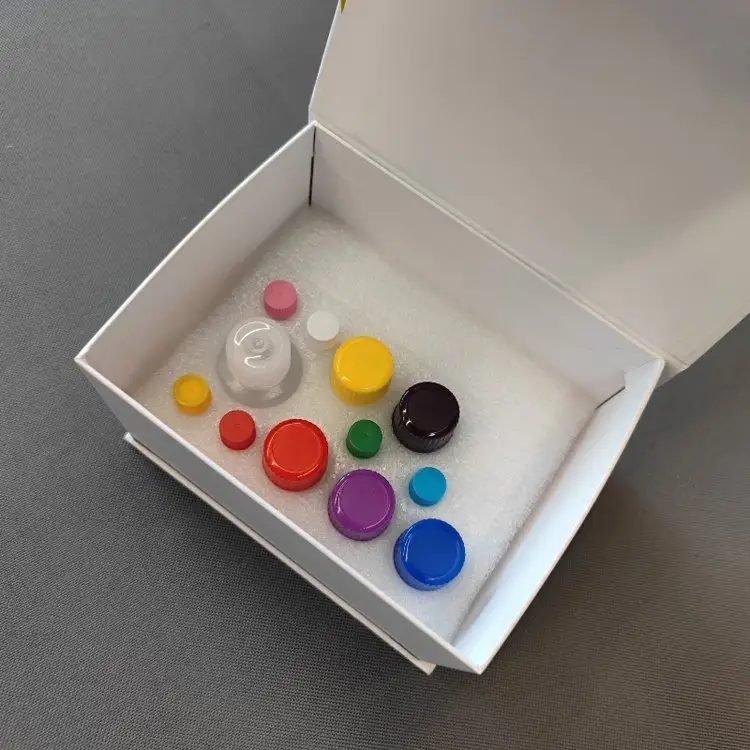
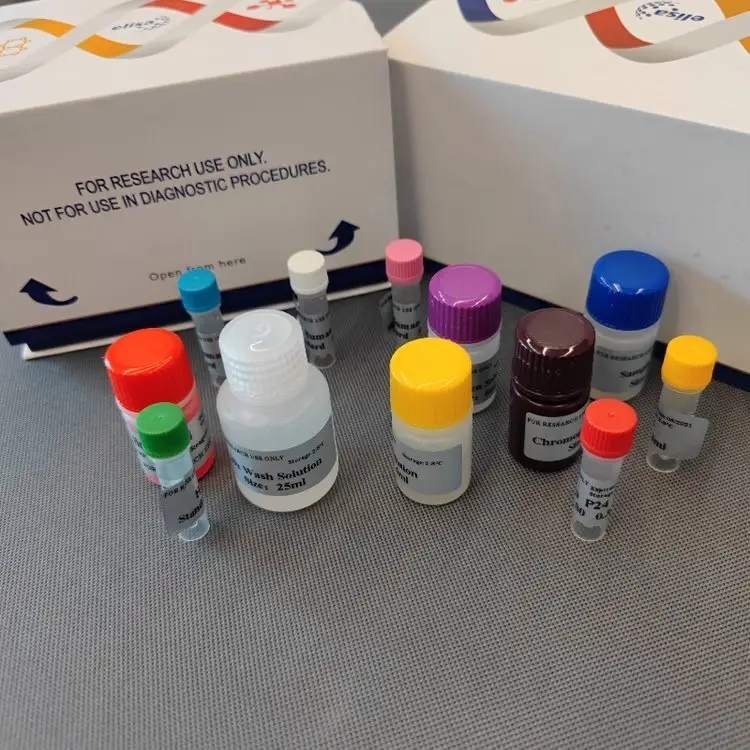
Kit Components
96‑Well Format
| Component | Quantity | Notes |
|---|---|---|
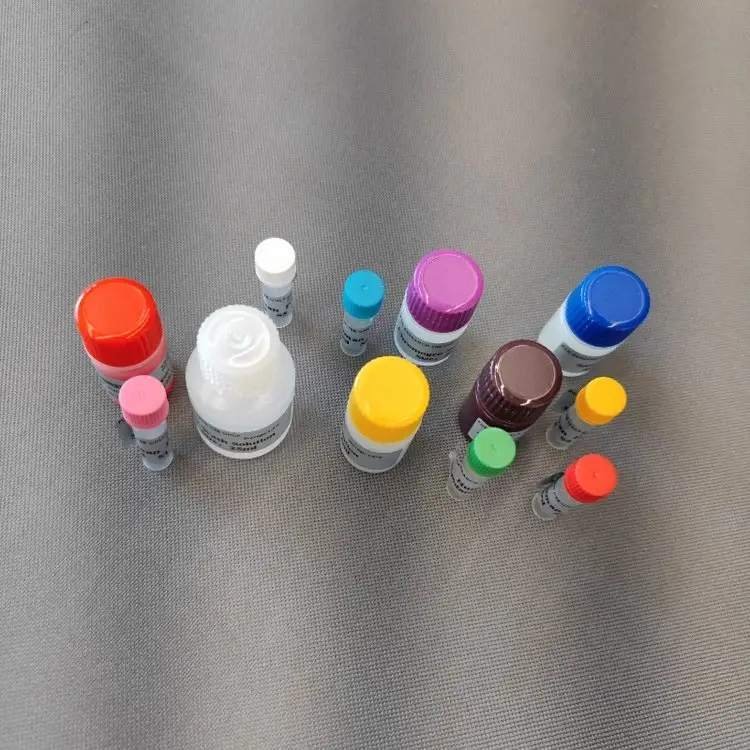
| Microelisa Stripplate | 12 strips × 8 wells | Pre‑coated with anti‑rat SERT antibody |
| Standard (0.3 mL/vial) | 6 vials | Ready‑to‑use liquid, 0–240 pg/mL |
| Sample Diluent | 6 mL | – |
| HRP‑Conjugated Detection Antibody | 10 mL | Ready‑to‑use |
| 20× Wash Buffer | 25 mL | Dilute to 1× before use |
| Substrate A | 6 mL | – |
| Substrate B | 6 mL | – |
| Stop Solution | 6 mL | – |
| Plate Sealers | 2 sheets | – |
| Instruction Manual | 1 copy | – |
| Self‑sealing Bag | 1 piece | – |
48‑Well Format
| Component | Quantity | Notes |
|---|---|---|
| Microelisa Stripplate | 12 strips × 4 wells | Pre‑coated |
| Standard (0.3 mL/vial) | 6 vials | Ready‑to‑use |
| Sample Diluent | 3 mL | – |
| HRP‑Conjugated Detection Antibody | 5 mL | Ready‑to‑use |
| 20× Wash Buffer | 15 mL | Dilute to 1× |
| Substrate A | 3 mL | – |
| Substrate B | 3 mL | – |
| Stop Solution | 3 mL | – |
| Plate Sealers | 2 sheets | – |
| Instruction Manual | 1 copy | – |
| Self‑sealing Bag | 1 piece | – |
Crystallization of 20× Wash Buffer is normal; warm in a water bath until crystals dissolve.
Assay Procedure Summary
- Equilibrate: Bring the foil pouch to RT for 20 min. Remove required strips.
- Add Standards & Samples: 50 µL standards; 10 µL pre‑diluted sample + 40 µL Sample Diluent.
- Add HRP‑Antibody: 100 µL to all wells except blank. Incubate at 37°C for 60 min.
- Wash: Aspirate, wash with 1× Wash Buffer (soak 1 min), repeat 5 times.
- Substrate: 50 µL each of Substrate A & B, incubate dark at 37°C for 15 min.
- Stop & Read: 50 µL Stop Solution, read at 450 nm within 15 min.
Total assay time: ~2 hours.
Throughput
| Format | Max. Samples (Single Wells) |
|---|---|
| 48‑well | 39–40 |
| 96‑well | 85–88 |
- Rat 2,3-Diphosphoglycerate (2,3-DPG) ELISA Kit – Accurate Measurement of a Key Erythrocyte Metabolite
- Rat Adiponectin (ADPN) ELISA Kit – Adiponectin (ADPN) is an adipokine secreted exclusively by adipose tissue.
- Rat 5-Hydroxytryptamine Receptors 2/3/4 (5-HT2/3/4R) ELISA Kit – Multi-Target Serotonin Receptor Detection.
- Rat HMG-CoA Reductase (HMGCR) ELISA Kit – For the quantitative measurement of Rat HMG-CoA Reductase (HMGCR) concentration and activity in serum, plasma, tissue homogenates (e.g., liver), and cell lysates.
Frequently Asked Questions
Q: Why must RIPA lysates be diluted 10‑fold before the assay?
A: RIPA contains 0.1% SDS, which denatures antibodies and disrupts binding. A ≥10‑fold dilution brings SDS to ≤0.01%, safe for ELISA. The kit’s 5× in‑well dilution provides additional protection.
Q: Will SSRIs interfere with SERT measurement?
A: No. SSRIs bind the transmembrane domain, while the kit antibody targets the intracellular C‑terminus. Chronic SSRI treatment may cause genuine SERT down‑regulation, which is correctly reflected in the assay.
Q: Can I use serum instead of brain tissue?
A: Serum contains only trace soluble SERT fragments. Brain tissue or platelet lysates are strongly recommended for reliable detection.
Q: How do I prepare platelet samples?
A: Use the PRP method: centrifuge blood at 150–200 × g to obtain platelet‑rich plasma, then at 800–1,000 × g to pellet platelets. Lyse with RIPA and dilute as directed.
Q: What dilution should I use for raphe nuclei?
A: Due to extremely high SERT expression, start with 1:20–1:50 pre‑dilution after RIPA extraction. Run a pilot series to confirm readings fall within the standard curve.
Q: What cross‑reactivity has been tested?
A: The kit does not cross‑react with rat DAT, NET, or other monoamine transporters. For detailed data, please contact technical support.
Q: Can this kit be used for mouse SERT?
A: No. It is validated exclusively for rat samples. Species‑specific kits are available upon request.
Ordering & Contact
| Item | Details |
|---|---|
| Catalog Number | Yanda‑Rat‑SERT |
| Formats | 48‑well / 96‑well |
| Package Dimensions | 16 cm × 12.5 cm × 9.5 cm (neutral white box) |
| Shipping | Cold‑chain (2–8°C), protected from light |
| Storage | 2–8°C; do not freeze |
| Shelf Life | 6 months |
WhatsApp: +86 198 3186 0669 | Email: songhawyble@gmail.com
Technical Documents & Support
- Instruction Manual – Download or request via email.
- MSDS & Certificate of Composition – Available upon request.
- Technical Support – For RIPA protocols, brain region dilution strategies, or SSRI interaction questions, contact us via WhatsApp or email.
Disclaimer
For research use only. Not for clinical diagnosis. Users are responsible for validating assay performance in their own experimental conditions. The manufacturer assumes no liability for improper use or protocol deviations.