
Assay Principle — Competitive ELISA for a Small Monosaccharide
1,5-Anhydroglucitol (1,5-AG) is a monosaccharide derivative with a molecular weight of only 164 Da, far too small for a traditional sandwich ELISA. This kit employs a competitive inhibition enzyme immunoassay. The microplate is pre-coated with an anti-1,5-AG antibody. In the reaction, free 1,5-AG in the sample competes with an HRP-labeled 1,5-AG conjugate for binding to the solid-phase antibody. The resulting OD signal is inversely proportional to the 1,5-AG concentration in the sample.
Important: Standard concentrations are given as in-well final concentrations. Please refer to the Dilution & Calculation section to convert results to original sample values.
Key Features
- Detects 1,5‑AG Directly with Competitive ELISA: Enables measurement of this small-molecule glycemic marker without derivatization or chromatography.
- No Cross‑Reactivity with Glucose and Other Sugars: Highly specific; no significant cross-reactivity with D‑glucose, D‑fructose, D‑mannitol, myo‑inositol, or other structurally related soluble analogues.
- Clinically Relevant mmol/L Scale: Standard curve in mmol/L (0, 3, 6, 12, 24, 48 mmol/L), consistent with clinical laboratory reporting. Unit conversion: 1 mmol/L = 164 μg/mL.
- Flexible Dilution & Low‑Abundance Strategies: Normal serum (0.1–0.4 mmol/L) can be assayed with low dilution (neat or 1:2). For diabetic samples (<0.05 mmol/L), up to 50 μL of neat sample may be used, or concentration via centrifugal filtration/lyophilization can be applied.
- Hemolysis‑Resilient Biology, with Optical Correction: Unlike HbA1c, 1,5‑AG levels are not affected by red blood cell age or hemolysis. For severely hemolyzed samples, a sample blank is recommended to subtract optical background at 450 nm.
- Cross‑Species Universality: 1,5‑AG is chemically identical across all mammals. This kit is suitable for human, mouse, rat, and other mammalian samples.
- Ready‑to‑Use Liquid Standards: Six standards supplied as liquids; no reconstitution needed.
- Reproducible Performance: Intra‑ and inter‑assay CV <15%; standard curve R ≥0.9900.
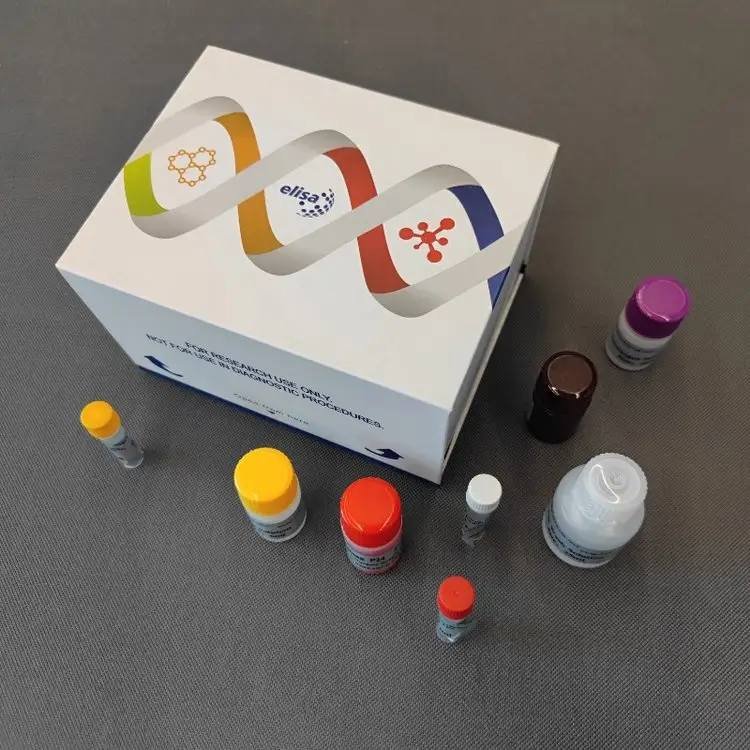
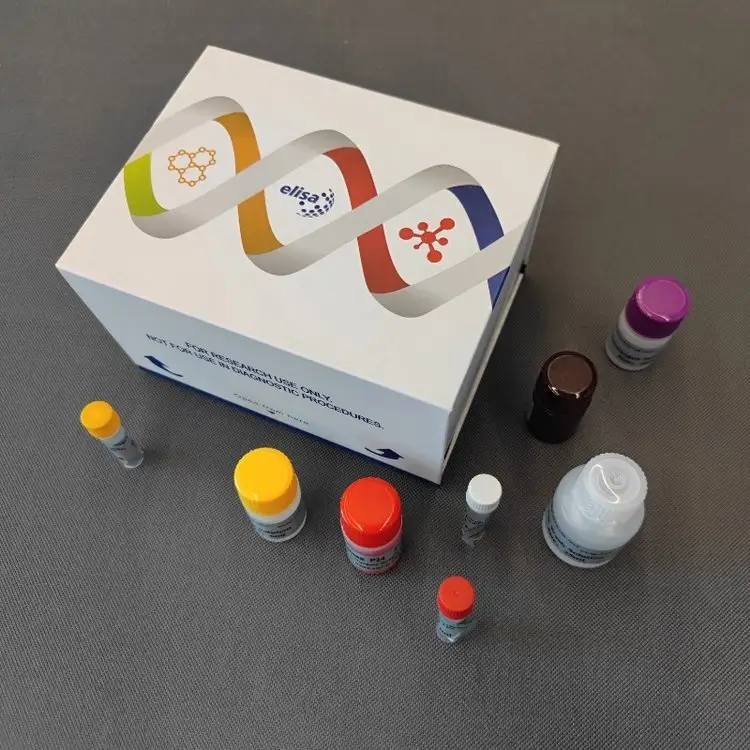
- Export‑Ready: Neutral white box (16 × 12.5 × 9.5 cm), cold‑chain shipping (2–8°C), 6‑month shelf life. MSDS available upon request.
Product Description
1,5‑Anhydroglucitol (1,5‑AG) is a naturally occurring monosaccharide derived primarily from dietary sources. It is freely filtered by the glomerulus and almost completely reabsorbed by the renal tubules. When blood glucose exceeds the renal threshold (~180 mg/dL), glucose competitively inhibits 1,5‑AG reabsorption, causing serum 1,5‑AG to drop sharply. Consequently, 1,5‑AG serves as a sensitive indicator of short‑term glycemic excursions and postprandial hyperglycemia in diabetes research. Unlike HbA1c, it reflects glycemia over the preceding 1–2 weeks and is not influenced by red blood cell lifespan or hemolysis.
The Yanda-Human-1,5-AG ELISA Kit provides a convenient method to quantify 1,5‑AG in biological fluids using a competitive ELISA format. It is intended exclusively for research applications.
Sample Collection & Preparation
Recommended Sample Types
- Serum – Collect in standard tubes, allow to clot, centrifuge at 3000 rpm for 10 min.
- Plasma – Use EDTA or heparin as anticoagulant. Centrifuge at 3000 rpm for 30 min. Citrate may also be used; no significant difference from serum is expected under standardized conditions.
- Urine, Cerebrospinal Fluid, Cell Culture Supernatant – Centrifuge to remove particulates.
Hemolysis & Interference
- 1,5‑AG levels are biologically unaffected by hemolysis. However, severe hemolysis releases hemoglobin, which absorbs at 450 nm and may introduce optical background.
- Correction: For visibly hemolyzed samples, prepare a sample blank (sample + diluent without HRP‑conjugate). Subtract the blank OD from the sample OD to obtain the antigen‑specific signal.
NaN₃ Prohibition
Do not use sodium azide as a preservative. NaN₃ is a potent inhibitor of HRP and will cause complete signal loss.
Storage
Aliquot and store at -20°C. Avoid repeated freeze‑thaw cycles.
Dilution & Calculation Guide
In‑Well Dilution
The standard assay uses 10 μL sample + 40 μL Sample Diluent, giving a 5‑fold dilution in the well. The concentration interpolated from the standard curve is the in‑well value. Multiply by 5 to obtain the concentration in the diluted sample.
Optimizing Dilution for Your Sample Type
Normal serum 1,5‑AG (0.1–0.4 mmol/L) may fall below the detection limit (0.1 mmol/L in‑well) after 5‑fold dilution. Therefore:
| Sample Type | Recommended Pre‑Dilution / Loading |
|---|---|
| Normal serum/plasma | Use neat sample (50 μL) or a 1:2 dilution (25 μL sample + 25 μL diluent) to ensure in‑well concentration ≥0.1 mmol/L |
| Diabetic serum/plasma (<0.05 mmol/L) | Use 50 μL neat sample directly. If still below detection, concentrate via centrifugal filtration (e.g., 3K MWCO) or lyophilization, and record the concentration factor |
| Urine, CSF | Pilot dilution series recommended; start with neat and 1:2 |
| Cell culture supernatant | Neat or low dilution as needed |
Final Concentration Calculation
Final concentration (mmol/L) = In‑well interpolated value × 5 × additional dilution factor (if any).
(For neat sample, additional factor = 1)
Data Fitting
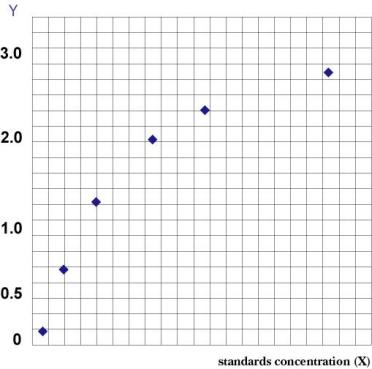
Because this is a competitive assay, the standard curve is inversely dose‑dependent. Use 4‑parameter logistic (4PL) or log‑logit fitting software (e.g., GraphPad Prism, MyCurveFit) for accurate quantification.
Technical Specifications
| Parameter | Specification |
|---|---|
| Standard Concentrations (S0–S5) | 0, 3, 6, 12, 24, 48 mmol/L (in‑well) |
| Quantitative Range | 0.1 – 48 mmol/L (in‑well) |
| Analytical Sensitivity | < 0.1 mmol/L (in‑well) |
| Accuracy (Linearity) | Standard curve R ≥0.9900 |
| Precision | Intra‑assay CV <15%; Inter‑assay CV <15% |
| Specificity | Highly specific for 1,5‑AG. No significant cross‑reactivity with D‑glucose, D‑fructose, D‑mannitol, myo‑inositol, or other soluble analogues. |
| Species Reactivity | All mammals (human, mouse, rat, etc.) due to conserved chemical structure. |
| Sample Dilution Flexibility | 5× (in‑well, standard); neat or low‑dilution loading supported for low‑abundance samples |
| Shelf Life | 6 months |
| Storage & Transport | 2–8°C, protected from light; cold‑chain shipping |
Representative Standard Curve
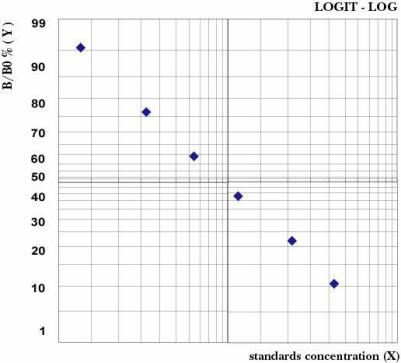
Detailed spike‑recovery and parallelism data are available in the product instruction manual.
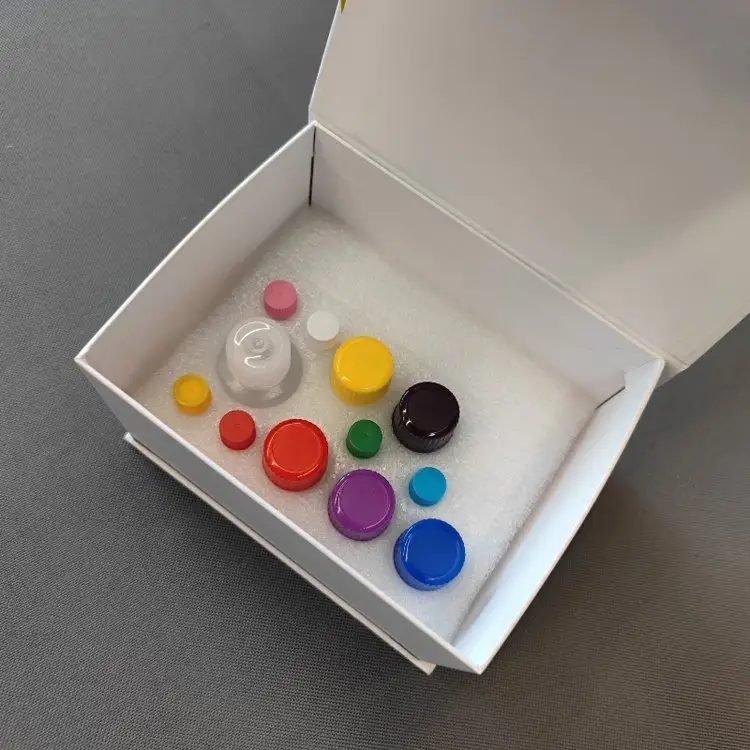
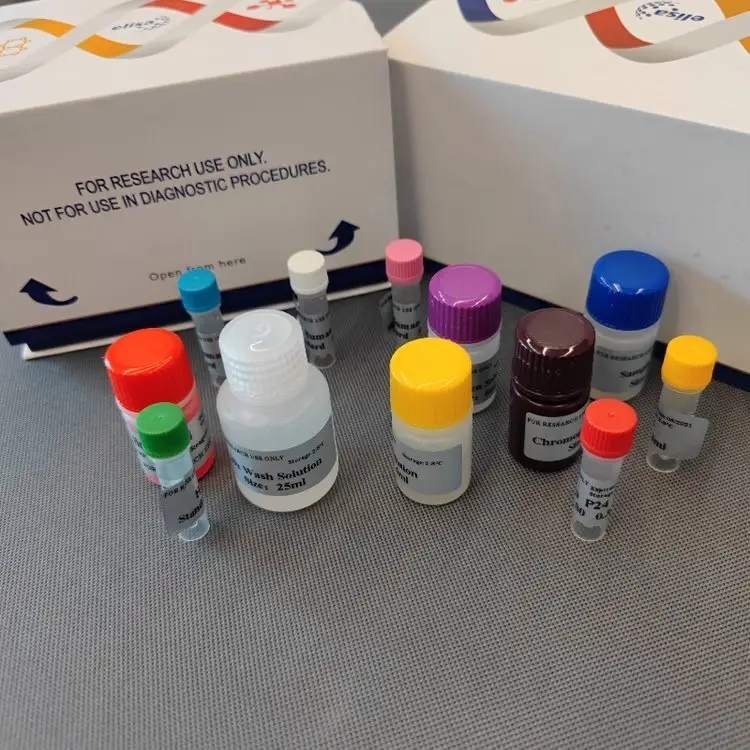
Kit Components
96‑Well Format
| Component | Quantity | Notes |
|---|---|---|
| Microelisa Stripplate | 12 strips × 8 wells | Pre‑coated with anti‑1,5‑AG antibody |
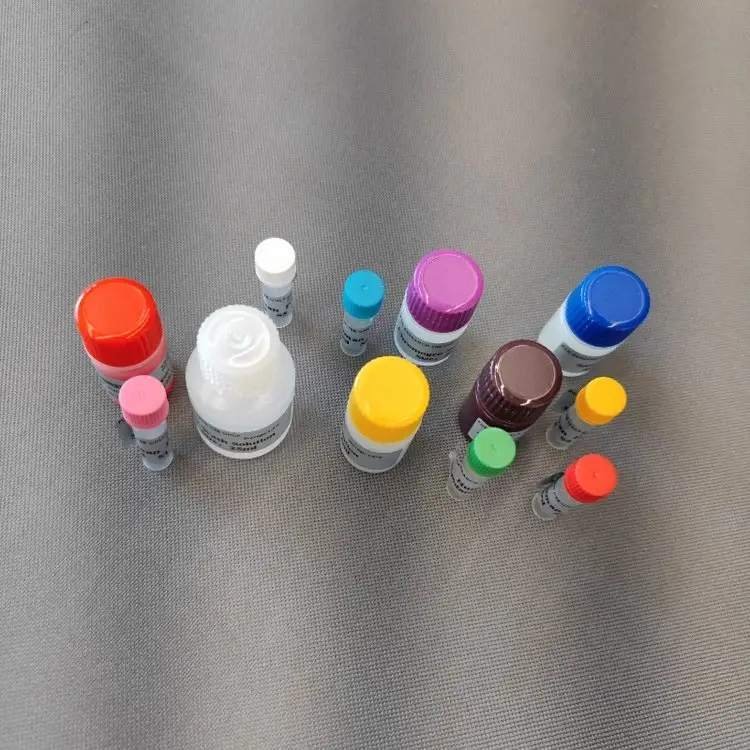
| Standard (0.3 mL/vial) | 6 vials | Ready‑to‑use liquid, 0–48 mmol/L |
| Sample Diluent | 6 mL | – |
| HRP‑Conjugated 1,5‑AG | 10 mL | Ready‑to‑use |
| 20× Wash Buffer | 25 mL | Dilute to 1× before use |
| Substrate A | 6 mL | – |
| Substrate B | 6 mL | – |
| Stop Solution | 6 mL | – |
| Plate Sealers | 2 sheets | – |
| Instruction Manual | 1 copy | – |
| Self‑sealing Bag | 1 piece | – |
48‑Well Format
| Component | Quantity | Notes |
|---|---|---|
| Microelisa Stripplate | 12 strips × 4 wells | Pre‑coated |
| Standard (0.3 mL/vial) | 6 vials | Ready‑to‑use liquid |
| Sample Diluent | 3 mL | – |
| HRP‑Conjugated 1,5‑AG | 5 mL | Ready‑to‑use |
| 20× Wash Buffer | 15 mL | Dilute to 1× |
| Substrate A | 3 mL | – |
| Substrate B | 3 mL | – |
| Stop Solution | 3 mL | – |
| Plate Sealers | 2 sheets | – |
| Instruction Manual | 1 copy | – |
| Self‑sealing Bag | 1 piece | – |
Crystallization of 20× Wash Buffer upon cold storage is normal; warm in a water bath until crystals dissolve.
Assay Procedure Summary
- Equilibrate: Bring the foil pouch to room temperature for 20 min. Remove required strips.
- Add Standards & Samples: 50 μL standards; 10 μL sample + 40 μL Sample Diluent (or neat/ low dilution as optimized). Blank well: leave empty.
- Add HRP‑Conjugate: 100 μL HRP‑conjugated 1,5‑AG to all wells except blank. Incubate at 37°C for 60 min.
- Wash: Aspirate, wash with 1× Wash Buffer (soak 1 min), repeat 5 times.
- Substrate: 50 μL each of Substrate A and B, incubate dark at 37°C for 15 min.
- Stop & Read: 50 μL Stop Solution, read at 450 nm within 15 min.
Total hands‑on time: ~2 hours.
Throughput
| Format | Max. Samples (Single Wells) |
|---|---|
| 48‑well | 39–40 |
| 96‑well | 85–88 |
Related Products (Recommended for Cytokine Studies)
- Mouse 3β-Hydroxysteroid Dehydrogenase (3β-HSD) ELISA Kit-For the quantitative measurement of Mouse 3β-Hydroxysteroid Dehydrogenase (3β-HSD) concentration in serum, plasma, cell culture supernatants, and tissue homogenates.
- 1-3-β-D-glucan QuickDetect (Human) ELISA Kit – For Invasive Fungal Biomarker Detection
- Human Dihydroxyvitamin(1α,25-(OH)2D3) ELISA Kit – Provides accurate quantitative measurement of calcitriol,
- Human Inositol 1,4,5-Trisphosphate (IP3) ELISA Kit – For Cell Signaling Research.
Frequently Asked Questions
Q: Is this a sandwich or competitive ELISA?
A: Competitive ELISA. 1,5‑AG (164 Da) is too small for sandwich detection. The assay measures competition between sample 1,5‑AG and HRP‑labeled 1,5‑AG for antibody binding.
Q: Does glucose interfere?
A: No. The kit is highly specific for 1,5‑AG and does not cross‑react with D‑glucose, D‑fructose, D‑mannitol, or myo‑inositol. Even at high glucose concentrations, no significant interference is observed.
Q: How should I handle normal serum samples?
A: Normal serum 1,5‑AG is 0.1–0.4 mmol/L. After the standard 5‑fold dilution, the in‑well concentration may fall below 0.1 mmol/L. Use neat sample (50 μL) or a 1:2 dilution (25 μL sample + 25 μL diluent) to stay within the quantifiable range.
Q: Can I detect 1,5‑AG in diabetic samples?
A: Diabetic samples may be <0.05 mmol/L. Use 50 μL of neat sample directly. If still below the detection limit, concentrate using a centrifugal filter unit (3K MWCO) or lyophilize, and record the concentration factor for calculation.
Q: What if my sample is hemolyzed?
A: 1,5‑AG biology is not affected by hemolysis. However, for severely hemolyzed samples, prepare a sample blank (sample + diluent, no HRP‑conjugate) and subtract the blank OD to correct for optical background.
Q: Can this kit be used for mouse or rat samples?
A: Yes. 1,5‑AG is chemically identical across all mammals. This kit is suitable for human, mouse, rat, and other mammalian species.
Q: How do I convert mmol/L to μg/mL?
A: 1 mmol/L = 164 μg/mL (or 164 mg/L). Multiply the mmol/L value by 164.
Q: What anticoagulants are compatible?
A: EDTA and heparin are recommended. Citrate may also be used. No significant difference from serum is expected under standardized conditions.
Q: Why is NaN₃ prohibited?
A: Sodium azide is a potent HRP inhibitor. It will cause false‑negative results. Do not use as a sample preservative.
Q: Are MSDS and composition documents available for export?
A: Yes. These documents are provided upon request and can be included with shipment.
Ordering & Contact
| Item | Details |
|---|---|
| Catalog Number | Yanda‑Human‑1,5‑AG |
| Formats | 48‑well / 96‑well |
| Package Dimensions | 16 cm × 12.5 cm × 9.5 cm (neutral white box) |
| Shipping | Cold‑chain (2–8°C), protected from light |
| Storage | 2–8°C; do not freeze |
| Shelf Life | 6 months |
WhatsApp: +86 198 3186 0669 | Email: songhawyble@gmail.com
Technical Documents & Support
- Instruction Manual – Download or request via email.
- MSDS & Certificate of Composition – Available upon request.
- Technical Support – For dilution optimization, data fitting, or diabetic sample handling, contact us via WhatsApp or email.
Disclaimer
For research use only. Not for clinical diagnosis or treatment. Users are responsible for validating assay performance in their own experimental conditions. The manufacturer assumes no liability for improper use or protocol deviations.