
Key Features
- Measures Total C3 – Detects both native C3 and its major activation fragments (C3b, iC3b, C3c) that retain the β‑chain and core domains. Free C3a is not recognized; the assay reflects total C3 protein mass in the sample.
- Optimized for High‑Abundance Serum/Plasma – Normal C3 levels are approximately 800–1800 μg/mL. A pre‑dilution of 1:200 to 1:500 brings samples into the 1–800 μg/mL working range.
- EDTA Plasma Recommended – EDTA anticoagulant inhibits ex vivo complement activation better than serum. In‑house recovery data: EDTA plasma 92%, serum 88%.
- Specific for C3 – No significant cross‑reactivity with C4, C5, or other soluble structural analogues.
- Built‑in 5× Sample Dilution – 10 μL sample + 40 μL Sample Diluent in‑well; multiply the interpolated result by 5 and the pre‑dilution factor.
- Ready‑to‑Use Liquid Standards – Six standards (0, 50, 100, 200, 400, 800 μg/mL) supplied as liquids; no reconstitution needed.
- One‑Step Sandwich ELISA – Co‑incubation of sample and HRP‑detection antibody; total assay time ~2 hours.
- Reliable Precision – Intra‑ and inter‑assay CV <15%; standard curve linearity R ≥0.9900.
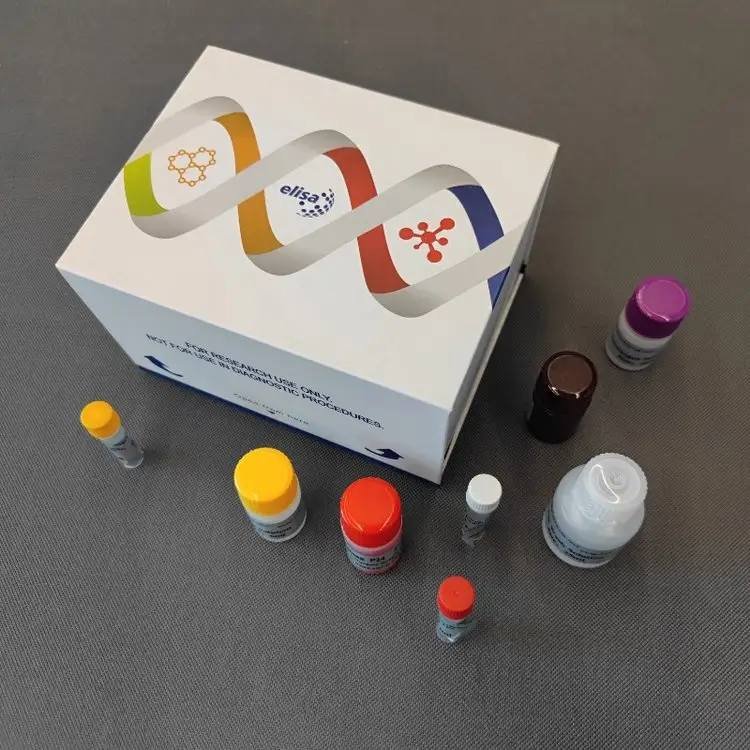
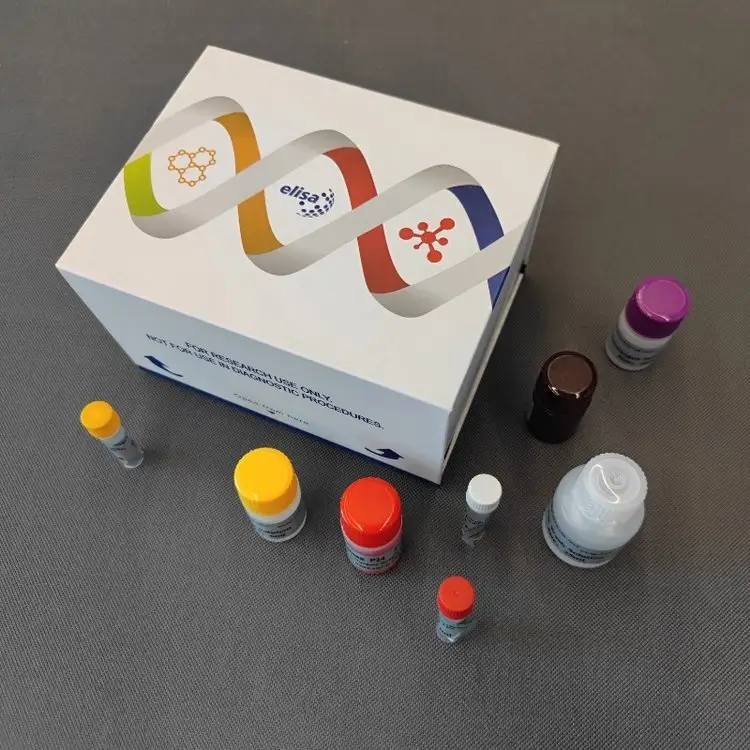
- Export‑Ready – Neutral white box (16 × 12.5 × 9.5 cm), cold‑chain shipping (2–8°C), 6‑month shelf life. MSDS available upon request.
Product Description
Complement C3 is the central component of the complement cascade, serving as the convergence point for the classical, lectin, and alternative pathways. Its activation yields C3a (anaphylatoxin) and C3b (opsonin and convertase subunit), while further processing generates iC3b, C3c, and C3d. Measuring total C3 provides a global indicator of complement consumption and synthesis. In research, C3 levels are monitored in autoimmune disease (e.g., SLE), glomerulonephritis, sepsis, and liver dysfunction, as well as in studies of acute‑phase responses.
The Yanda-Human-C3 ELISA Kit uses a one‑step double‑antibody sandwich format. Pre‑coated capture antibodies and an HRP‑conjugated detection antibody recognize distinct epitopes on C3, spanning the β‑chain and core structural domains, enabling quantification of both intact C3 and the major activation fragments C3b, iC3b, and C3c. The assay does not capture free C3a.
Sample Collection & Preparation
| Sample Type | Collection & Processing |
|---|---|
| EDTA plasma (preferred) | Centrifuge at 3000 rpm for 30 min after collection. EDTA inhibits complement activation ex vivo. |
| Heparin plasma | Centrifuge at 3000 rpm for 30 min. Recovery ~97%. |
| Serum | Allow to clot, centrifuge at 3000 rpm for 10 min. Recovery ~88%. Note: in vitro complement activation during clotting may modestly lower C3 values. |
| Cell culture supernatant | Centrifuge at 3000 rpm for 10 min to remove debris. |
| Tissue homogenate | Homogenize tissue in ice‑cold PBS (1:9 w/v) with protease inhibitors. Centrifuge at 3000 rpm for 10 min at 4°C. |
Pre‑Dilution Requirement
Normal human serum/plasma C3 is approximately 800–1800 μg/mL. Direct measurement without dilution will saturate the assay.
- Recommended pre‑dilution: 1:200 to 1:500 with Sample Diluent (e.g., 2 μL sample + 398 μL diluent for 1:200).
- Perform a pilot gradient (1:200, 1:300, 1:500) to identify the factor that places OD values in the mid‑range of the standard curve.
Sample Stability
- Diluted samples must be assayed immediately. Do not store diluted samples at 2–8°C overnight, as dilution reduces matrix protection and may cause degradation.
- For undiluted samples: aliquot and store at -20°C or -80°C. Avoid repeated freeze‑thaw cycles.
- NaN₃ Prohibition: Sodium azide inhibits HRP and must be absent from samples.
Dilution & Calculation
- In‑well dilution: 10 μL pre‑diluted sample + 40 μL Sample Diluent = 5‑fold dilution.
- Interpolated value: Concentration read from the standard curve (in‑well concentration).
- Final sample concentration (μg/mL) = Interpolated value × 5 (in‑well) × pre‑dilution factor.
Example: Serum pre‑diluted 1:300 gives an interpolated reading of 150 μg/mL.
Meta Description: Quantify total human complement C3 in serum or plasma. Detects intact C3 and activation fragments C3b/iC3b/C3c. Pre-dilution 1:100–1:500 recommended. No cross-reactivity with C4 or C5. RUO.
Human Complement C3 ELISA Kit
Catalog No.: Yanda-Human-C3
For Research Use Only. Not for Use in Diagnostic Procedures.
Key Features
- Measures Total C3 – Detects both native C3 and its major activation fragments (C3b, iC3b, C3c) that retain the β‑chain and core structural domains. Free C3a is not recognized; the assay reflects total C3 protein mass in the sample.
- Optimized for High‑Abundance Serum/Plasma – Normal C3 levels are approximately 800–1800 μg/mL. A pre‑dilution of 1:100 to 1:500 brings samples into the 1–800 μg/mL working range.
- EDTA Plasma Recommended – EDTA anticoagulant inhibits ex vivo complement activation better than serum. In‑house recovery data: EDTA plasma 92%, serum 88%.
- Specific for C3 – No significant cross‑reactivity with C4, C5, or other soluble structural analogues.
- Built‑in 5× Sample Dilution – 10 μL sample + 40 μL Sample Diluent in‑well; multiply the interpolated result by 5 and the pre‑dilution factor.
- Ready‑to‑Use Liquid Standards – Six standards (0, 50, 100, 200, 400, 800 μg/mL) supplied as liquids; no reconstitution needed.
- One‑Step Sandwich ELISA – Co‑incubation of sample and HRP‑detection antibody; total assay time ~2 hours.
- Reliable Precision – Intra‑ and inter‑assay CV <15%; standard curve linearity R ≥0.9900.
- Export‑Ready – Neutral white box (16 × 12.5 × 9.5 cm), cold‑chain shipping (2–8°C), 6‑month shelf life. MSDS available upon request.
Product Description
Complement C3 is the central component of the complement cascade, serving as the convergence point for the classical, lectin, and alternative pathways. Its activation yields C3a (anaphylatoxin) and C3b (opsonin and convertase subunit), while further processing generates iC3b, C3c, and C3d. Measuring total C3 provides a global indicator of complement consumption and synthesis. In research, C3 levels are monitored in autoimmune disease (e.g., SLE), glomerulonephritis, sepsis, and liver dysfunction, as well as in studies of acute‑phase responses.
The Yanda-Human-C3 ELISA Kit uses a one‑step double‑antibody sandwich format. Pre‑coated capture antibodies and an HRP‑conjugated detection antibody recognize distinct epitopes on C3, spanning the β‑chain and core structural domains, enabling quantification of both intact C3 and the major activation fragments C3b, iC3b, and C3c. The assay does not capture free C3a.
Sample Collection & Preparation
| Sample Type | Collection & Processing |
|---|---|
| EDTA plasma (preferred) | Centrifuge at 3000 rpm for 30 min after collection. EDTA inhibits complement activation ex vivo. |
| Heparin plasma | Centrifuge at 3000 rpm for 30 min. Recovery ~97%. |
| Serum | Allow to clot, centrifuge at 3000 rpm for 10 min. Recovery ~88%. Note: in vitro complement activation during clotting may modestly lower C3 values. |
| Cell culture supernatant | Centrifuge at 3000 rpm for 10 min to remove debris. |
| Tissue homogenate | Homogenize tissue in ice‑cold PBS (1:9 w/v) with protease inhibitors. Centrifuge at 3000 rpm for 10 min at 4°C. |
Pre‑Dilution Requirement
Normal human serum/plasma C3 is approximately 800–1800 μg/mL. Direct measurement without dilution will saturate the assay.
- Recommended pre‑dilution: 1:100 to 1:500 with Sample Diluent (e.g., 2 μL sample + 198 μL diluent for 1:100).
- For most healthy adult samples, 1:200 provides readings in the 1–10 μg/mL well range. For samples expected to have low C3 (e.g., active SLE, acute glomerulonephritis), use 1:50–1:100 to avoid falling below the detection limit.
- Perform a pilot gradient (1:100, 1:200, 1:500) to identify the optimal factor that places OD values in the mid‑range of the standard curve.
Sample Stability
- Diluted samples must be assayed immediately. Do not store diluted samples at 2–8°C overnight, as dilution reduces matrix protection and may cause degradation.
- For undiluted samples: aliquot and store at -20°C or -80°C. Avoid repeated freeze‑thaw cycles.
- NaN₃ Prohibition: Sodium azide inhibits HRP and must be absent from samples.
Dilution & Calculation
- In‑well dilution: 10 μL pre‑diluted sample + 40 μL Sample Diluent = 5‑fold dilution.
- Interpolated value: Concentration read from the standard curve (in‑well concentration, μg/mL).
- Final sample concentration (μg/mL) = Interpolated value × 5 (in‑well) × pre‑dilution factor.
Example: Serum pre‑diluted 1:200 gives an interpolated reading of 8 μg/mL.
Actual C3 concentration = 8 × 5 × 200 = 8,000 μg/mL = 8 mg/mL.
(Note: This is above typical normal range; adjust pre‑dilution if results consistently exceed 1800 μg/mL.)
Technical Specifications
| Parameter | Specification |
|---|---|
| Standard Concentrations (S0–S5) | 0, 50, 100, 200, 400, 800 μg/mL |
| Quantitative Range | 1.0 – 800 μg/mL (in‑well) |
| Analytical Sensitivity | < 1.0 μg/mL |
| Accuracy (Linearity) | Standard curve R ≥0.9900 |
| Precision | Intra‑assay CV <15%; Inter‑assay CV <15% |
| Specificity | Highly specific for human complement C3. Detects intact C3 and fragments C3b, iC3b, C3c; does not recognize free C3a. No cross‑reactivity with C4, C5, or other soluble analogues. |
| Species Restriction | Validated for human samples only. Cross‑reactivity with non‑human primates has not been tested. |
| Sample Dilution Factor | 5× (in‑well); additional pre‑dilution of 1:100–1:500 required |
| Shelf Life | 6 months |
| Storage & Transport | 2–8°C, protected from light; cold‑chain shipping |
Representative Standard Curve
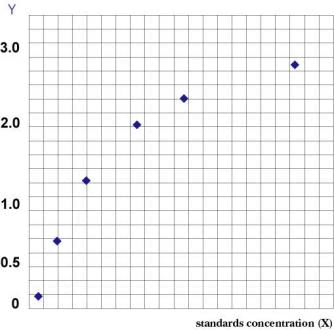
Detailed spike‑recovery and dilution linearity data are available in the product instruction manual.
Kit Components
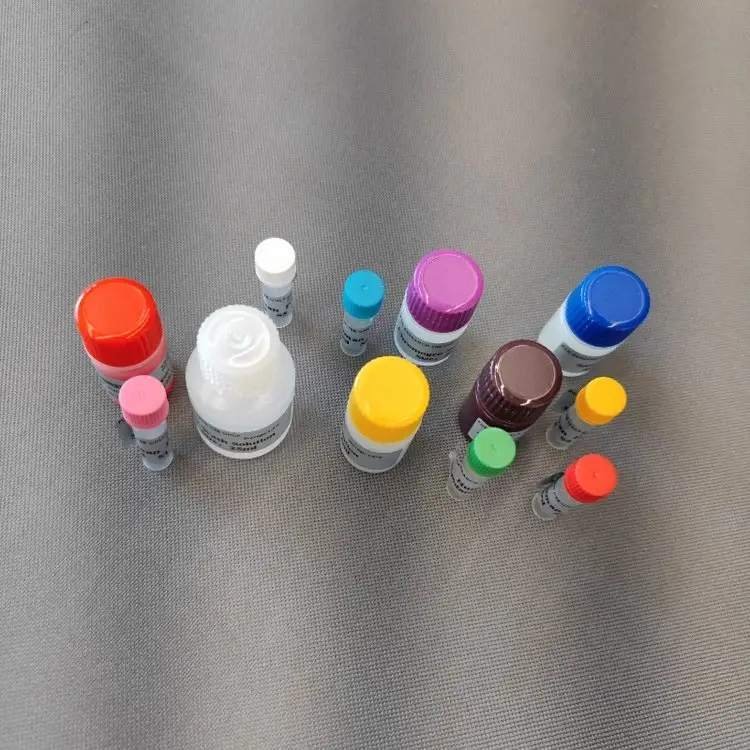
96‑Well Format
| Component | Quantity | Notes |
|---|---|---|
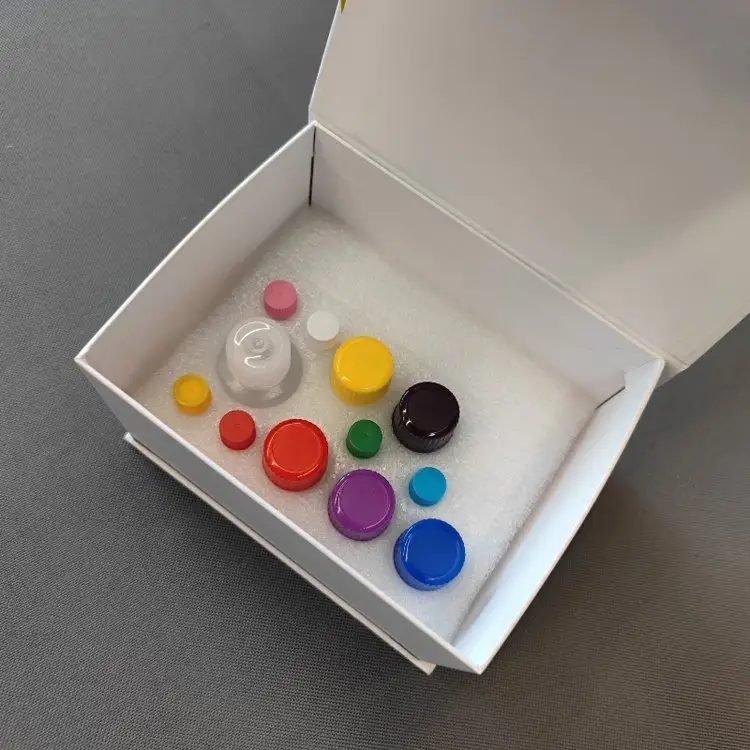
| Microelisa Stripplate | 12 strips × 8 wells | Pre‑coated with anti‑human C3 antibody |
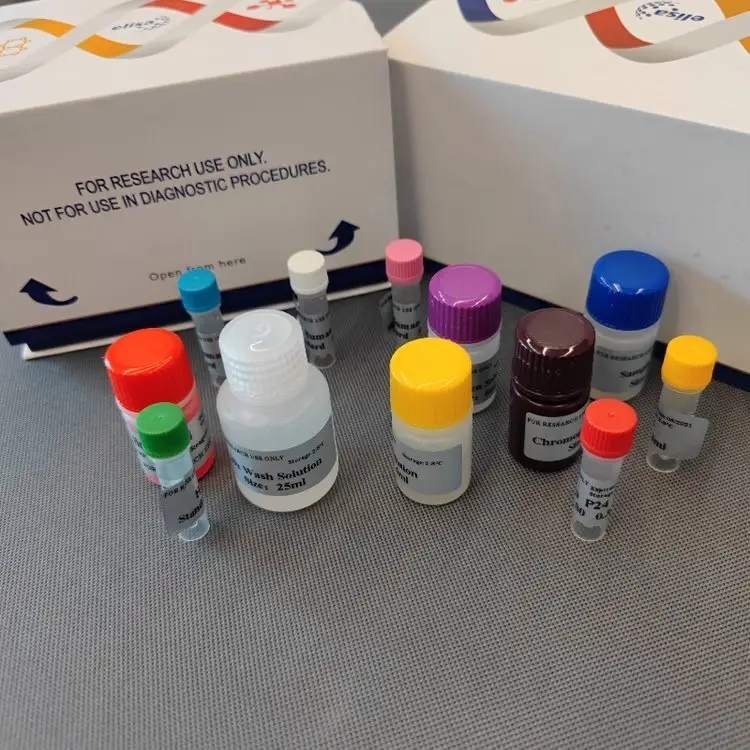
| Standard (0.3 mL/vial) | 6 vials | Ready‑to‑use liquid, 0–800 μg/mL |
| Sample Diluent | 6 mL | – |
| HRP‑Conjugated Detection Antibody | 10 mL | Ready‑to‑use |
| 20× Wash Buffer | 25 mL | Dilute to 1× before use |
| Substrate A | 6 mL | – |
| Substrate B | 6 mL | – |
| Stop Solution | 6 mL | – |
| Plate Sealers | 2 sheets | – |
| Instruction Manual | 1 copy | – |
| Self‑sealing Bag | 1 piece | For unused strip storage |
48‑Well Format
| Component | Quantity | Notes |
|---|---|---|
| Microelisa Stripplate | 12 strips × 4 wells | Pre‑coated |
| Standard (0.3 mL/vial) | 6 vials | Ready‑to‑use |
| Sample Diluent | 3 mL | – |
| HRP‑Conjugated Detection Antibody | 5 mL | Ready‑to‑use |
| 20× Wash Buffer | 15 mL | Dilute to 1× |
| Substrate A | 3 mL | – |
| Substrate B | 3 mL | – |
| Stop Solution | 3 mL | – |
| Plate Sealers | 2 sheets | – |
| Instruction Manual | 1 copy | – |
| Self‑sealing Bag | 1 piece | – |
Crystallization of 20× Wash Buffer during cold storage is normal; warm in a water bath until crystals dissolve.
Assay Procedure Summary
- Equilibrate: Warm the sealed foil pouch to room temperature for 20 min. Remove required strips.
- Add Standards & Samples: 50 μL standards; 10 μL pre‑diluted sample + 40 μL Sample Diluent. Blank well: leave empty.
- Add HRP‑Antibody: 100 μL HRP‑detection antibody to all wells except blank. Incubate at 37°C for 60 min.
- Wash: Aspirate, wash with 1× Wash Buffer (soak 1 min), repeat 5 times.
- Substrate: 50 μL each of Substrate A and B, incubate dark at 37°C for 15 min.
- Stop & Read: 50 μL Stop Solution, read at 450 nm within 15 min.
Total hands‑on time: ~2 hours.
Throughput
| Format | Max. Samples (Single Wells) |
|---|---|
| 48‑well | 39–40 |
| 96‑well | 85–88 |
Includes 6 standard wells and 1–2 blank wells. For duplicates, divide sample count accordingly.
Related Products (Recommended for Cross‑Species and Fragments Studies)
Expand your complement research with these complementary assays:
- Mouse Complement C3 ELISA Kit — for translational studies using mouse models of complement‑mediated diseases
- Human Complement Fragment 3a (C3a) ELISA Kit — specifically measures the bioactive anaphylatoxin C3a, enabling detailed analysis of complement activation
- Human High Molecular Weight Adiponectin (HMW ADPN) ELISA Kit – Quantitative determination of Human Adiponectin (ADPN) concentration in serum, plasma, cell culture supernatants, and tissue homogenates.
Using these kits together provides a complete picture of complement system status, from total C3 levels to activated fragments across species.
Frequently Asked Questions
Q: Does this kit measure total C3 or only intact C3?
A: Total C3. The antibodies recognize epitopes on the β‑chain and core domains that are retained in C3b, iC3b, and C3c. Free C3a is not detected.
Q: Should I use serum or plasma?
A: EDTA plasma is preferred. EDTA chelates Ca²⁺, inhibiting ex vivo complement activation and yielding a 92% recovery rate. Serum recovery is 88%. Heparin plasma (~97% recovery) is also compatible.
Q: What pre‑dilution should I use?
A: Normal C3 is ~800–1800 μg/mL. Pre‑dilute 1:100 to 1:500. For most samples, 1:200 works well. For suspected low C3 (e.g., active SLE), use 1:50–1:100.
Q: Can I store pre‑diluted samples?
A: No. Diluted samples must be assayed immediately. Do not store overnight at 2–8°C, as the diluted matrix offers less protein protection and may degrade.
Q: Does this kit cross‑react with C4 or C5?
A: No significant cross‑reactivity with C4, C5, or other complement proteins has been observed.
Q: What are the normal and pathological C3 ranges?
A: Normal adult C3 is ~0.8–1.8 mg/mL. C3 decreases in active SLE, acute glomerulonephritis, and severe liver disease. It increases in acute inflammation, infections, and certain tumors (e.g., hepatocellular carcinoma). Establish your own laboratory reference range for research interpretation.
Q: Can I use this kit for non‑human primates?
A: The kit has not been validated for cynomolgus or rhesus macaque C3. Cross‑reactivity data are unavailable. If NHP studies are required, contact technical support or perform a pilot validation with recombinant NHP C3.
Q: Are MSDS and export documents available?
A: Yes. MSDS and Certificate of Composition are provided upon request.
Ordering & Contact
| Item | Details |
|---|---|
| Catalog Number | Yanda‑Human‑C3 |
| Formats | 48‑well / 96‑well |
| Package Dimensions | 16 cm × 12.5 cm × 9.5 cm (neutral white box) |
| Shipping | Cold‑chain (2–8°C), protected from light and moisture |
| Storage | 2–8°C; do not freeze |
| Shelf Life | 6 months |
WhatsApp: +86 198 3186 0669 | Email: songhawyble@gmail.com
Technical Documents & Support
- Instruction Manual – Download or request via email.
- MSDS & Certificate of Composition – Available upon request.
- Technical Support – For dilution optimization, complement activation questions, or validation data, contact us via WhatsApp or email.
Disclaimer
For research use only. Not for clinical diagnosis or treatment. Users are responsible for validating assay performance in their own experimental conditions. The manufacturer assumes no liability for improper use or protocol deviations.