
Product Overview: Why Measure Complement Fragment 3a (C3a)?
Complement Fragment 3a (C3a) is a 77‑amino acid anaphylatoxin generated upon activation of the complement system via cleavage of complement component C3. C3a is a potent mediator of inflammation, inducing smooth muscle contraction, increasing vascular permeability, and recruiting immune cells. Elevated C3a levels are associated with sepsis, acute respiratory distress syndrome (ARDS), rheumatoid arthritis, lupus nephritis, and ischaemia‑reperfusion injury. Accurate quantification of Human Complement Fragment 3a (C3a) is essential for:
- Investigating complement activation in inflammatory and autoimmune diseases
- Monitoring disease activity and response to complement‑targeted therapies
- Translational research using human samples
- Drug development for complement‑mediated disorders
Yanda Bio’s Human Complement Fragment 3a (C3a) ELISA Kit uses a validated sandwich immunoassay format to deliver precise, reproducible results. As a professional manufacturer with > 6,000 detectable targets and long‑standing collaborations with over 60 Chinese universities, we combine deep immunology expertise with rigorous quality control. Our kits serve both academic and pharmaceutical researchers, addressing the growing demand in the complement C3a ELISA kits market.
Superior Quality Metrics
- Intra‑assay CV < 5 % — excellent within‑run precision
- Inter‑assay CV < 8 % — outstanding run‑to‑run consistency
- High specificity — no cross‑reactivity with human C3, C4, C5, or C5a
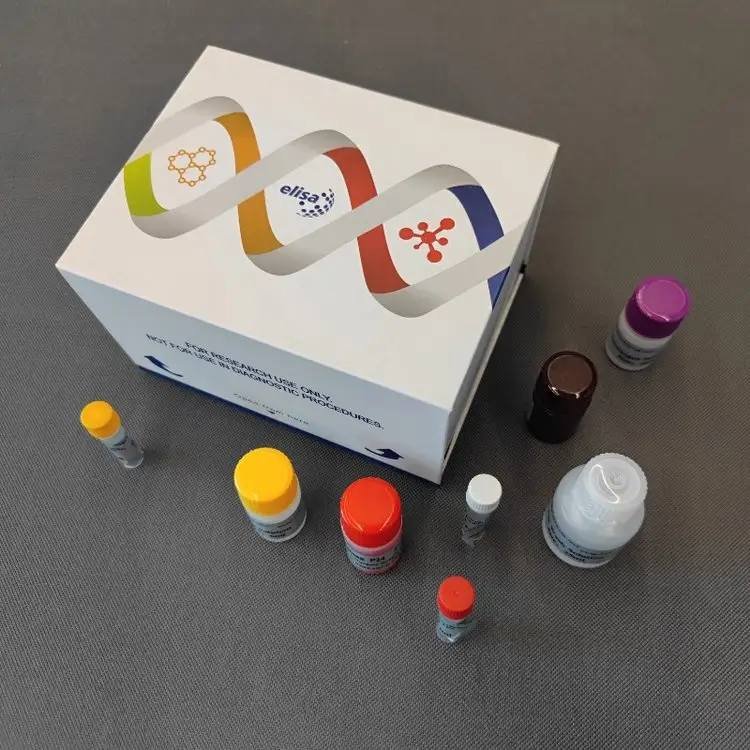
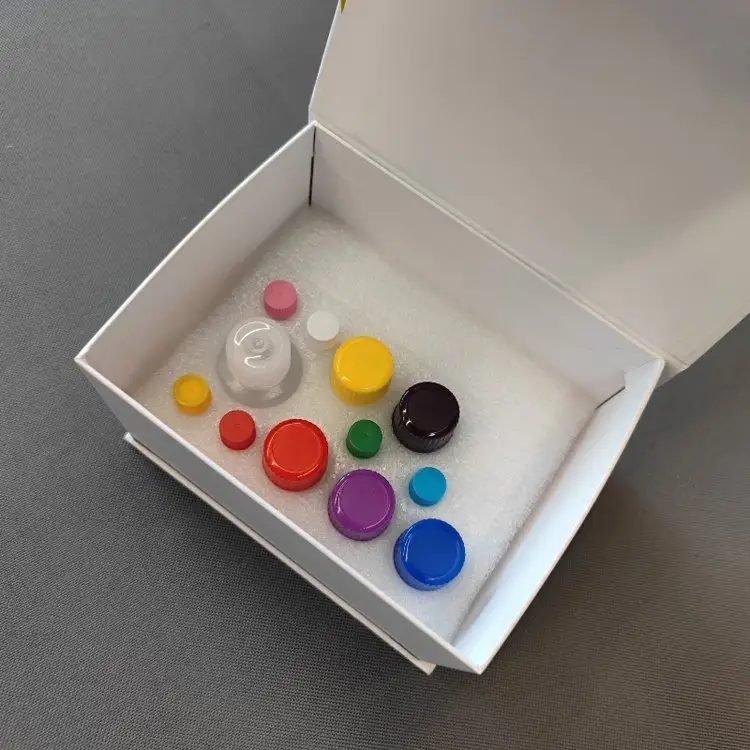
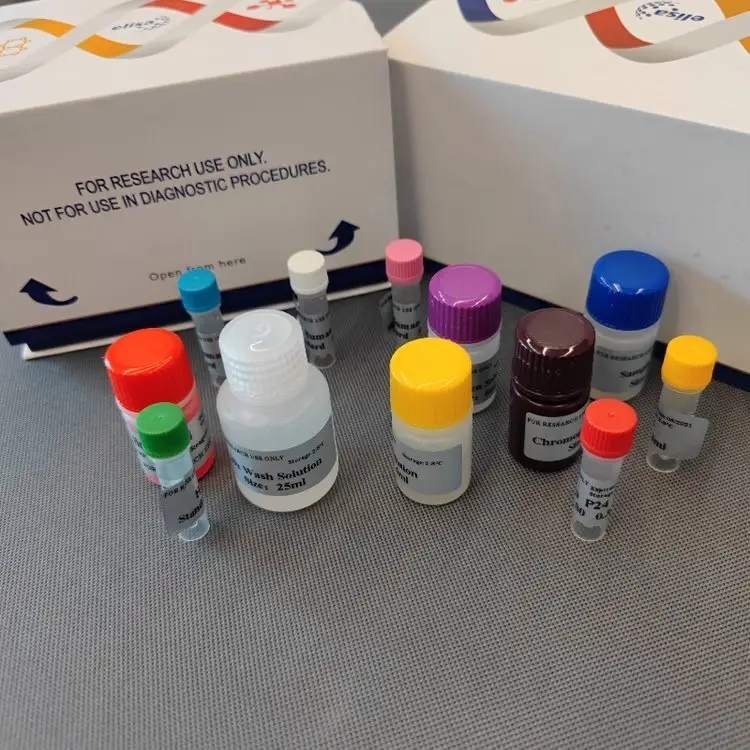
Kit Components: What’s Inside
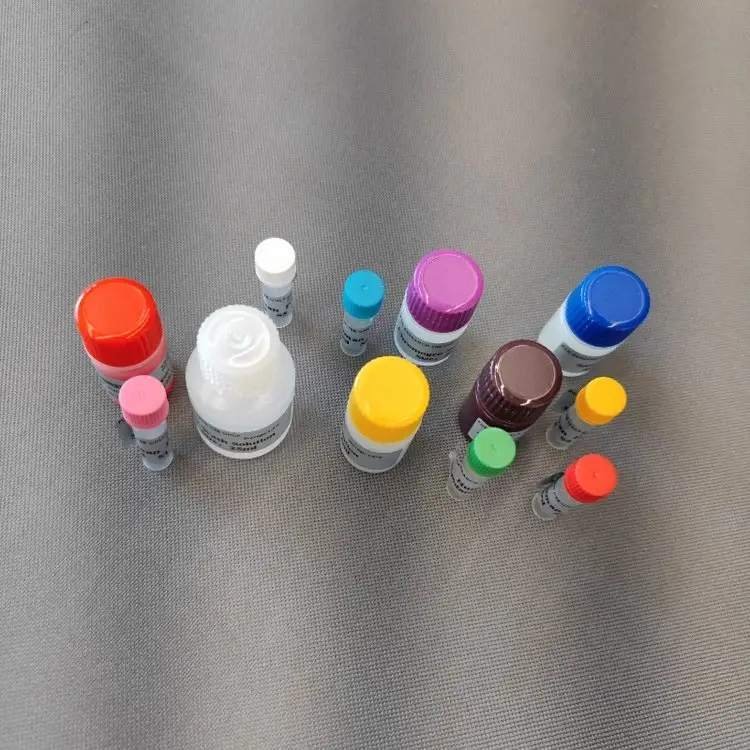
| Component | 96‑Well Configuration | 48‑Well Configuration |
|---|---|---|
| Microplate (Pre‑coated) | 8 wells × 12 strips | 8 wells × 6 strips |
| Standards | 0.3 mL × 6 tubes | 0.3 mL × 6 tubes |
| Sample Diluent | 6 mL | 3 mL |
| HRP‑Conjugated Detection Antibody | 6 mL | 3 mL |
| 20× Wash Buffer | 25 mL | 15 mL |
| Substrate A | 6 mL | 3 mL |
| Substrate B | 6 mL | 3 mL |
| Stop Solution | 6 mL | 3 mL |
| Plate Sealer | 2 sheets | 2 sheets |
| Manual | 1 copy | 1 copy |
Note: This kit uses a sandwich ELISA format with HRP‑labelled detection antibody.
Assay Principle: Sandwich ELISA
This kit employs a solid‑phase sandwich enzyme‑linked immunosorbent assay. The microplate is pre‑coated with a monoclonal antibody specific for Human Complement Fragment 3a (C3a). Standards and samples are added, allowing C3a to bind to the immobilised antibody. After washing, a Horseradish Peroxidase (HRP)‑conjugated detection antibody is added, forming an antibody‑antigen‑antibody “sandwich”. Following a second wash, TMB substrate is added. The HRP enzyme catalyses a blue colour that turns yellow upon acidification. The optical density (OD) at 450 nm is directly proportional to the C3a concentration in the sample.
Sample Dilution Note: Samples are pre‑diluted 5‑fold during the procedure; multiply results by 5 to obtain actual concentrations.
Sample Collection & Preparation
| Sample Type | Collection & Processing |
|---|---|
| Serum | Use pyrogen/endotoxin‑free tubes. Avoid cell stimulation. Centrifuge at 3000 rpm for 10 minutes. |
| Plasma | Use EDTA, citrate or heparin anticoagulant. Centrifuge at 3000 rpm for 30 minutes. |
| Cell Supernatant | Centrifuge at 3000 rpm for 10 minutes to remove particles. |
| Tissue Homogenate | Homogenise tissue in PBS (1:9 w/v), centrifuge at 5000×g for 10 minutes at 2–8 °C. Collect supernatant. |
| Storage | Aliquot and store at –20 °C (≤ 1 month) or –80 °C (≤ 2 months). Avoid repeated freeze‑thaw cycles. |
Materials Required But Not Provided
- Microplate reader (450 nm)
- Precision pipettes and tips (0.5–10 μL, 2–20 μL, 20–200 μL, 200–1000 μL)
- 37 °C incubator or water bath
Important Notes for Assay Procedure
- Store the kit at 2–8 °C. Bring all reagents to room temperature for 20 minutes before use. Concentrated wash buffer may crystallise; dissolve crystals in a warm water bath.
- Return unused strips to the resealable bag with desiccant and store at 2–8 °C. Use promptly.
- The S0 standard (zero concentration) is the negative control/blank. Multiply final results by 5 (dilution factor).
- Strictly adhere to incubation times, volumes and sequence.
- Mix all liquid components thoroughly before use.
Reagent Preparation
20× Wash Buffer Dilution: Dilute 1 part 20× wash buffer with 19 parts distilled water to obtain 1× working wash buffer.
Washing Method
Manual: Aspirate liquid, fill each well with wash buffer, stand for 1 min, aspirate, and tap dry on absorbent paper. Repeat 5 times.
Automatic washer: Inject 350 μL per well, soak for 1 min, wash 5 times.
Assay Procedure
- Remove required strips after 20 min equilibration. Reseal unused strips and return to 4 °C.
- Standard wells: add 50 μL of each standard concentration.
- Sample wells: add 10 μL sample + 40 μL sample diluent. Blank wells: leave empty.
- Add 100 μL HRP‑conjugated detection antibody to all wells except blanks. Seal and incubate at 37 °C for 60 min.
- Aspirate, wash 5 times (manual or automatic).
- Add 50 μL Substrate A and 50 μL Substrate B to each well. Incubate at 37 °C in the dark for 15 min.
- Add 50 μL stop solution. Measure OD at 450 nm within 15 min.
Data Analysis
Plot standard curve: OD values (y‑axis) vs. standard concentrations (x‑axis) in Excel or curve‑fitting software (linear regression, R ≥ 0.9900). Calculate sample concentrations from the curve, then multiply by the dilution factor (5×).
Kit Performance Specifications
| Parameter | Performance |
|---|---|
| Accuracy | Standard curve linear regression coefficient (R) ≥ 0.9900 |
| Sensitivity | Minimum detectable concentration < 1.0 μg/mL |
| Detection Range | 1.0 – 800 μg/mL |
| Specificity | No cross‑reactivity with human C3, C3b, C4, C5, C5a, or other complement components |
| Intra‑assay CV | < 5 % |
| Inter‑assay CV | < 8 % |
| Storage | 2–8 °C, protect from light and moisture |
| Shelf Life | 6 months |
Best Practices for Recording ELISA Experiment Information
Accurate and detailed record‑keeping is essential for reproducibility and scientific progress. We recommend documenting the following for each assay:
- Date of experiment and operator name
- Experiment objective and detection target (Human C3a)
- Sample information: source, processing steps, storage conditions, dilution factors
- Kit lot number and expiration date
- Standard curve data: concentrations and corresponding OD values (raw and blank‑subtracted)
- Sample OD values and calculated concentrations
- Any deviations from the standard protocol
- Observations: unusual colour development, precipitate, bubbles, etc.
Keeping a clear, traceable lab notebook (digital or paper) facilitates troubleshooting, data validation, and learning from both successful and failed experiments. Share your insights with colleagues to promote a culture of rigorous science.
Related Products (Recommended for Total C3 & Cross‑Species Studies)
Expand your complement research with these complementary assays:
- Human Complement C3 ELISA Kit — measures total C3 protein levels (intact and fragments), enabling calculation of C3 activation ratios
- Mouse Complement 3 (C3) ELISA Kit — for translational studies using murine models of complement‑mediated diseases
Using human C3a and total C3 kits together allows you to assess both the extent of complement activation and the total pool of C3 in the same samples.
- Mouse 3β-Hydroxysteroid Dehydrogenase (3β-HSD) ELISA Kit-For the quantitative measurement of Mouse 3β-Hydroxysteroid Dehydrogenase (3β-HSD) concentration in serum, plasma, cell culture supernatants, and tissue homogenates.
Special Offer
Buy any three ELISA kits from Yanda Bio and enjoy free shipping. Combine Human C3a, Human C3, and Mouse C3 kits to build a comprehensive complement activation panel at exceptional value.
The Complement C3a ELISA Kits Market: Quality & Affordability
As research into complement‑mediated diseases expands, the demand for specific and sensitive C3a assays is growing rapidly. Yanda Bio delivers industry‑leading performance at a competitive price point. Our kits are designed to meet the rigorous requirements of the complement C3a ELISA kits market, offering:
- Cost‑effective pricing without sacrificing specificity or sensitivity
- Rapid customisation for unique sample matrices or detection ranges
- Batch‑to‑batch consistency for longitudinal and multi‑centre studies
Choose Yanda Bio for your human C3a quantification needs and experience the difference that experience and quality make.
Comparison with Premium International Brands
Yanda Bio’s ELISA kits deliver performance equivalent to leading international brands at 40–60 % lower cost. Our direct‑to‑researcher model and efficient manufacturing eliminate unnecessary markups. With superior precision (CV < 5 % intra‑assay, < 8 % inter‑assay) and 3–7 day custom development, we offer an unbeatable combination of quality, speed and affordability.
Disclaimer
Strict adherence to the protocol is required. Yanda Bio is not responsible for results obtained from deviations. This product is for research use only; not for clinical diagnosis or human use. The user assumes all responsibility for any consequences arising from misuse.
Ordering & Contact Information
To order this Human Complement Fragment 3a (C3a) ELISA Kit, or to inquire about volume discounts, custom development, and format selection, please contact our sales team.