
Why Estrone-1-sulfate Is a Critical Research Analyte
Estrone-3-sulfate (E3S, also referred to as estrone sulfate or E1S) is the most abundant circulating estrogen in women. It functions as a stable, long‑lived reservoir that can be reactivated locally within target tissues by the enzyme steroid sulfatase (STS). This makes E3S measurement far more than a routine hormone check—it is a powerful tool in two major research fields:
- Drug‑transporter interaction studies : E1S is a well‑known substrate of organic anion‑transporting polypeptides, especially OATP1B1 and OATP1B3. A human estrone sulfate ELISA allows you to quantify E1S uptake or serum levels in transporter inhibition assays without radioactive tracers. This makes it a go‑to OATP substrate ELISA for evaluating hepatic clearance, drug‑drug interaction risk, and transporter‑mediated pharmacokinetics.
- Breast cancer endocrinology : In estrogen receptor‑positive tumors, intratumoral conversion of E3S to active estradiol via STS drives proliferation. Using this E1S quantitative assay (also searched as sulfated estrogen detection kit or E3S ELISA kit), researchers can monitor tumor E1S pools, assess STS inhibitor efficacy, and study endocrine resistance mechanisms.
For routine clinical hormonal evaluation, dedicated estradiol or estrone assays should be employed. This estrone sulfate immunoassay is optimized for pharmacological mechanism studies and oncology research.
Complimentary ELISA Testing Service – No Extra Equipment Needed
Yanda Bio transforms the way you collect data. Along with your Human E1S ELISA kit, you receive a free elisa testing service performed by our professional laboratory. Simply send us your prepared human samples, and we will:
- Handle all sample aliquoting, plate loading, and reagent preparation
- Run the full ELISA protocol with precise incubation and washing steps
- Provide a complete video recording of the experimental process
- Deliver an Excel spreadsheet containing raw OD values, the standard curve, and final E1S concentrations
This service is invaluable for high‑throughput projects, labs without in‑house microplate readers, or researchers wanting expert‑level reproducibility without hands‑on time. We also offer dedicated immunogenicity elisa testing services with comprehensive documentation to support therapeutic antibody and vaccine programs.
How the Assay Works
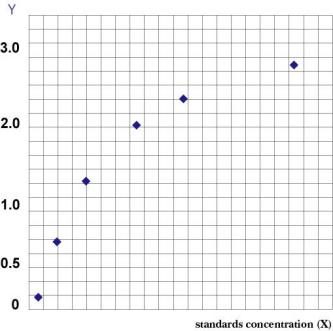
This kit uses a double‑antibody one‑step sandwich enzyme‑linked immunosorbent assay (ELISA). The microplate wells are pre‑coated with an antibody that specifically captures estrone-1-sulfate (E1S) . You add standards or samples together with an HRP‑conjugated detection antibody, forming an antibody‑antigen‑enzyme complex during a single 60‑minute incubation. After a thorough wash, TMB substrate is applied. The HRP converts TMB to a blue product, which turns yellow when the stop solution is added. The absorbance at 450 nm is directly proportional to the E1S concentration in your sample. A six‑point standard curve is generated, and unknown concentrations are calculated from it.
Kit Components at a Glance
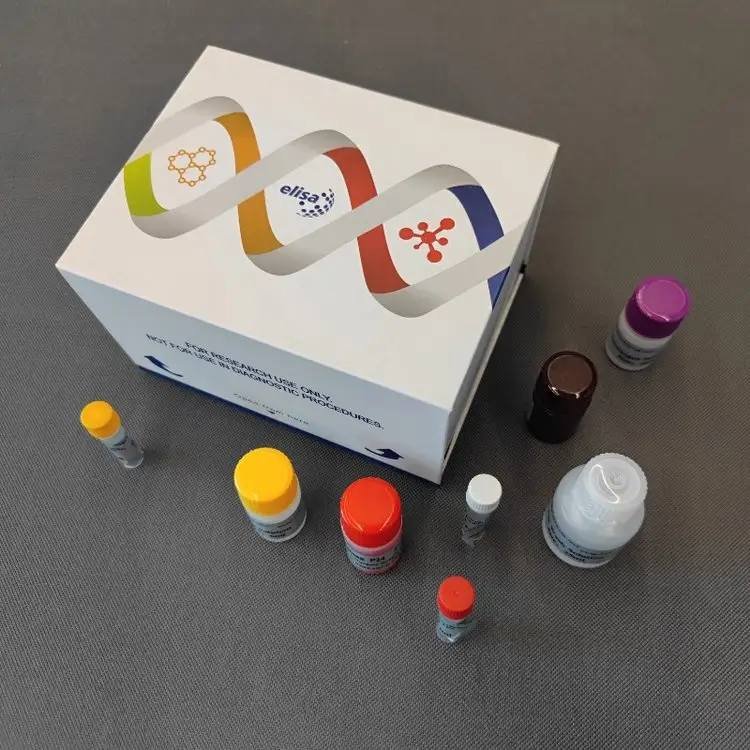
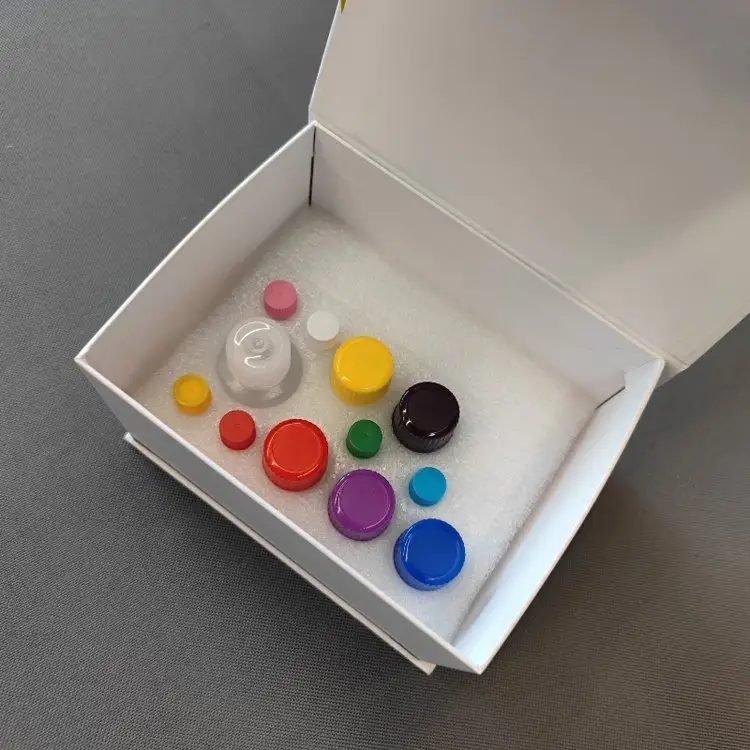
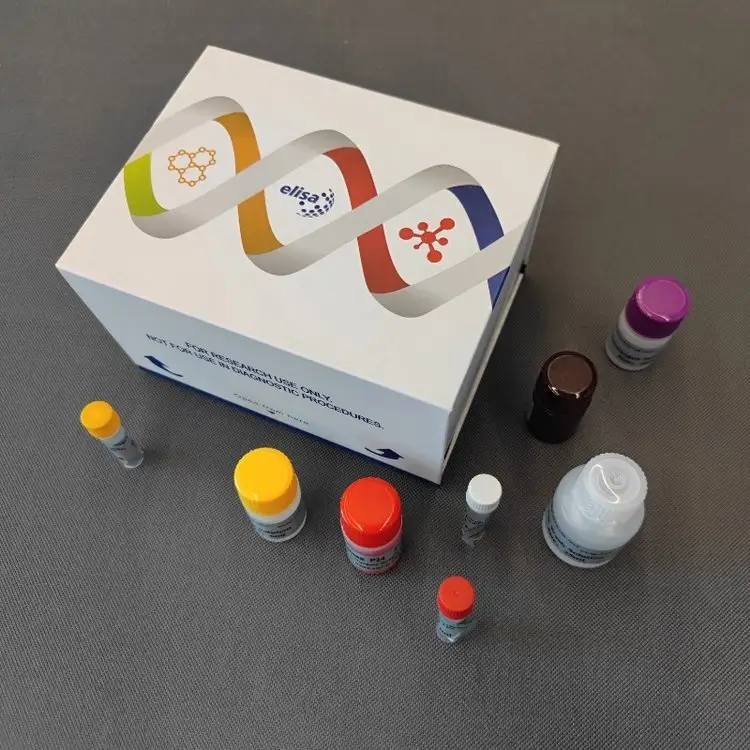
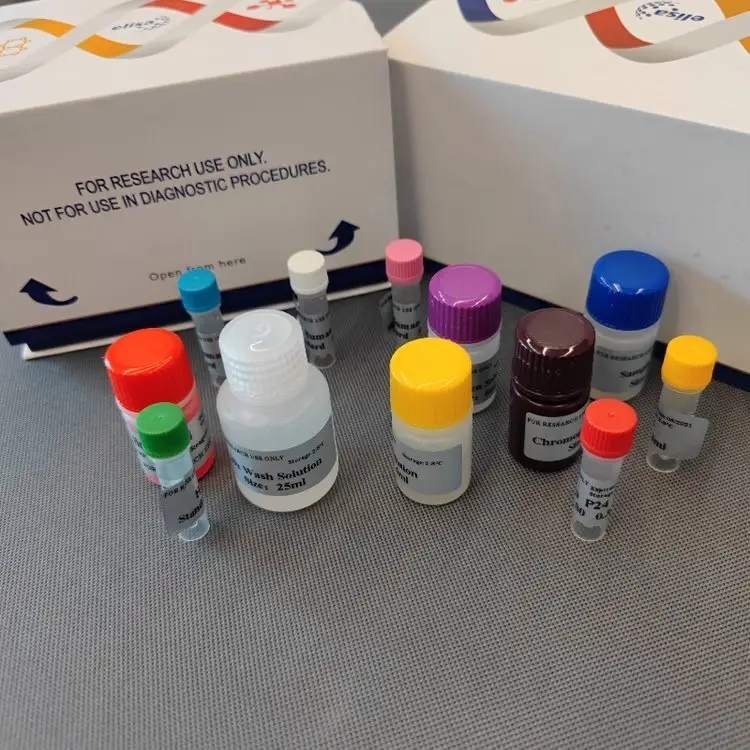
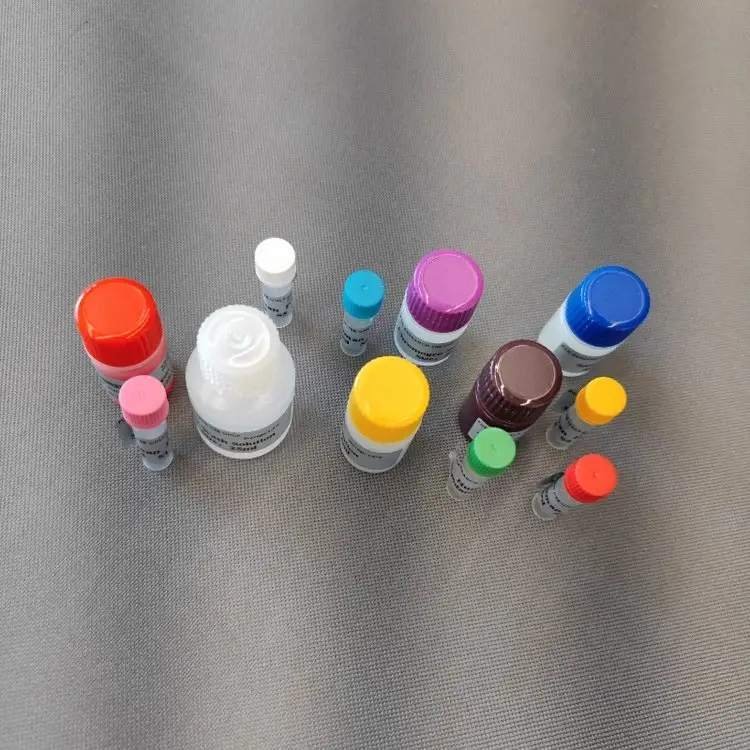
The kit includes a pre‑coated 96‑well (or 48‑well) microplate with 12 strips, a set of six standards (S0–S5 at 0, 40, 80, 160, 320, and 640 pg/mL), sample diluent, HRP‑conjugated detection antibody, 20× concentrated wash buffer, TMB substrate solutions (A and B), stop solution, plate sealers, a self‑sealing bag for unused strips, and a detailed instruction manual. All reagents are ready to use after simple warming and dilution steps.
Performance Specifications
| Parameter | Value |
|---|---|
| Detection Range | 1.0 – 400 pg/mL |
| Analytical Sensitivity | < 1.0 pg/mL |
| Standard Curve Linearity | R ≥ 0.9900 |
| Intra‑assay CV | < 15% |
| Inter‑assay CV | < 15% |
| Specificity | High specificity for human E3S; no cross‑reactivity with estrone, estradiol, estriol, or their glucuronides |
| Sample Types | Serum, plasma (EDTA/citrate/heparin), cell supernatant, tissue homogenate |
| Storage | 2–8°C, protected from light; valid for 4–6 months |
Custom sensitivity tuning and an NHS‑biotin‑amplified version are available upon request. Contact our technical team to discuss your detection limit needs.
Sample Preparation Guidelines
- Serum : Collect blood into pyrogen‑/endotoxin‑free tubes. Let clot, then centrifuge at 3000 rpm for 10 minutes. Separate the serum immediately.
- Plasma : Use EDTA, citrate, or heparin. Centrifuge at 3000 rpm for 30 minutes and collect the supernatant.
- Cell culture supernatant : Spin at 3000 rpm for 10 minutes to remove cells and debris.
- Tissue homogenate : Homogenize tissue (e.g., tumor, placenta) in normal saline, centrifuge at 3000 rpm for 10 minutes, and keep the supernatant.
- Storage : If not assayed immediately, aliquot and store at –20°C. Avoid repeated freeze‑thaw cycles. Thaw fully at room temperature and mix gently before use.
Important : This kit is validated for human samples. For other species, please explore our dedicated animal ELISA range. The assay protocol incorporates a 5‑fold sample dilution; multiply the calculated result by 5 to obtain the actual E1S concentration.
Step‑by‑Step Overview
Full instructions are supplied; a concise workflow is shown here.
- Equilibrate : Bring all reagents and the desired number of pre‑coated strips to room temperature for 20 minutes. Reseal unused strips and store at 4°C.
- Add standards and samples : Pipette 50 µL of each standard into the designated wells. For sample wells, add 10 µL of sample plus 40 µL of sample diluent. Leave blank wells empty.
- One‑step incubation : Dispense 100 µL of HRP‑Detection Antibody into every well except the blank. Cover and incubate at 37°C for 60 minutes.
- Wash : Aspirate the liquid and wash each well 5 times with 1× wash buffer (prepare by diluting 20× concentrate; warm to dissolve any crystals). Soak for 1 minute each cycle and blot dry.
- Substrate : Add 50 µL Substrate A and 50 µL Substrate B. Incubate in the dark at 37°C for 15 minutes.
- Stop and read : Add 50 µL Stop Solution and read the absorbance at 450 nm within 15 minutes. Construct the standard curve and compute E3S levels, remembering to apply the 5× dilution factor.
Required equipment (not included) : 450 nm microplate reader, calibrated pipettes (0.5‑10, 2‑20, 20‑200, 200‑1000 µL), 37°C incubator or water bath, deionized water, and absorbent paper.
Pair With These Related ELISA Kits
For a complete estrogen metabolic panel, consider these recommended products:
- Human 1 Nel-like molecule (NELL1) ELISA Kit – For accurate quantification of this critical protein involved in bone mineralization.
- Human Estradiol (E2) ELISA Kit – Quantifies the most potent estrogen, the endpoint of the STS pathway.
We also offer a wide array of steroid hormone, SHBG, and transporter protein ELISA kits. Speak to our team about custom panel development.
Why Yanda Bio?
- Unrivaled selection : Over 6,000 ready‑to‑order ELISA kits across more than 15 species, from human and equine to plant and fish.
- Manufacturer‑direct quality : Consistent reproducibility, strong specificity, and high sensitivity, with flexible custom sensitivity tuning.
- Academic trust : Long‑standing research partnerships with 60+ universities in China.
- Practical benefits : Free shipping on any 3 kits. A free elisa testing service that runs your assay, records it on video, and delivers the raw data.
- Sensitivity solutions : NHS‑biotin‑enhanced ELISA kits available for ultra‑low analyte detection.
- Immunogenicity support : Specialized immunogenicity elisa testing services for biologic and vaccine development.
Disclaimer : This kit is for research use only and is not intended for clinical diagnosis. For clinical evaluation of estrogen status, dedicated estradiol or estrone clinical assays should be used. Follow the protocol exactly; any deviations are the responsibility of the experimenter. Yanda Bio is not liable for consequences arising from improper use.
Yanda Bio – Precision ELISA kits, professional elisa testing service, and tailored immunogenicity elisa testing services for your endocrine and oncologic research.