
Key Features
- Detects Total Rabbit IgM: Measures pentameric immunoglobulin M without cross-reacting with rabbit IgG or IgA, enabling accurate profiling of the early humoral immune response.
- Optimized for High-Abundance Samples: Normal rabbit serum IgM levels (0.1–1 mg/mL) far exceed the standard curve range; a dedicated pre-dilution strategy (typically 1:1,000–1:10,000) is provided to bring readings into the assay window.
- Protective Protocol for IgM Stability: IgM is prone to cryoprecipitation and aggregation. The kit includes guidance on gentle thawing (4°C), addition of carrier proteins (0.05%–0.5% BSA or FBS), and avoidance of repeated freeze-thaw cycles.
- Wide μg/mL Scale: Standard curve from 0 to 800 μg/mL (6 points), quantitative range 1.0–800 μg/mL, sensitivity <1.0 μg/mL.
- Recombinant Rabbit IgM Standard: Produced in a eukaryotic expression system for native conformation and reliable immunoreactivity.
- Built-in 5× In-Well Dilution: 10 µL sample + 40 µL Sample Diluent; multiply the interpolated result by 5 and any additional pre-dilution factor to obtain actual concentration.
- Validated Sample Types: Rabbit serum, EDTA/citrate/heparin plasma, cell culture supernatant, and tissue homogenates.
- One-Step Sandwich ELISA: Simultaneous incubation of sample/standard and HRP-conjugated detection antibody; total assay time approximately 2 hours.
- Reproducible Performance: Intra- and inter-assay CV < 15%; standard curve linearity R ≥ 0.9900.
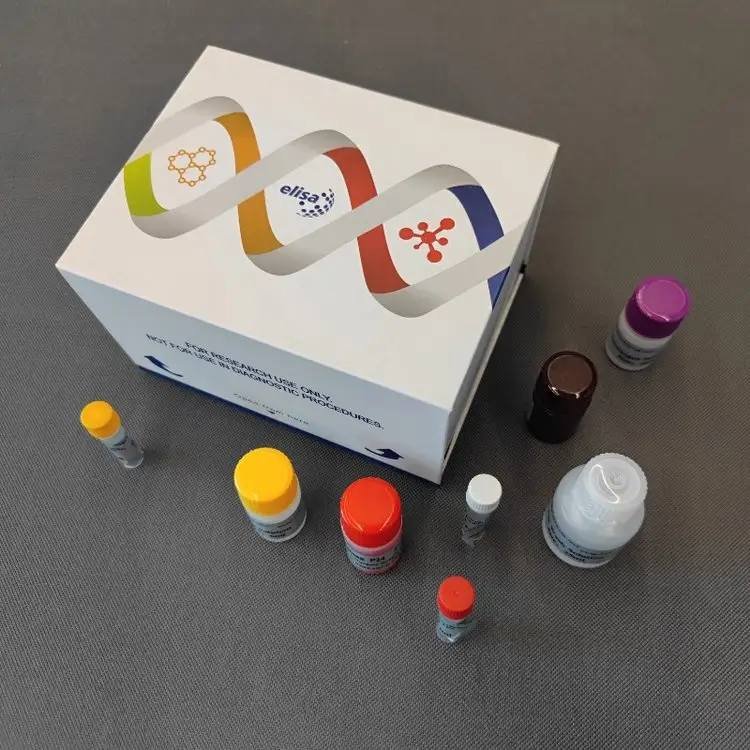
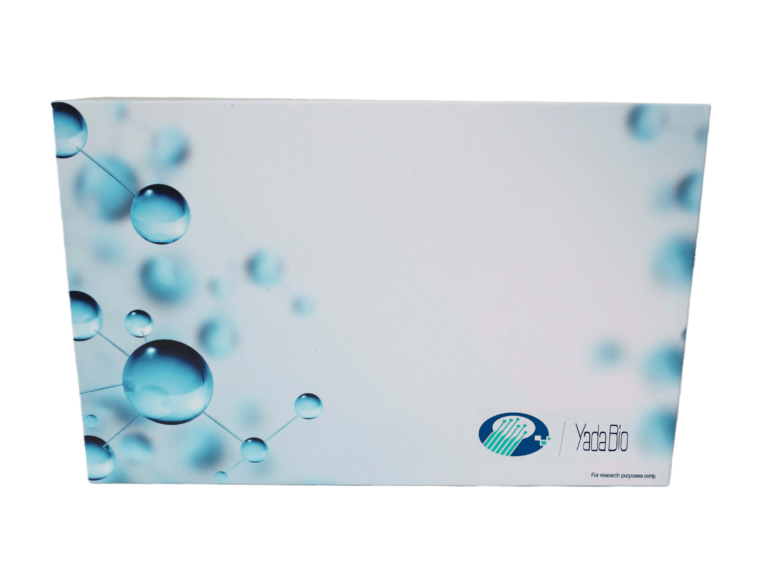
- Export-Ready Packaging: Neutral white box (16 × 12.5 × 9.5 cm), cold-chain shipping (2–8°C), 6-month shelf life. MSDS and Certificate of Composition available upon request.
- Flexible Formats: 48-well and 96-well removable-strip plates; up to 88 samples per plate (single wells).
Product Description
Immunoglobulin M (IgM) is the first antibody isotype produced during an acute immune response and exists predominantly as a pentamer in circulation. In rabbit models,Detect immunoglobulins and explore why it matters for immune status monitoring.IgM is a critical biomarker for early infection, vaccine efficacy, and B-cell function. Its large size and tendency to aggregate pose unique challenges for accurate quantitation — challenges that require an assay specifically optimized for IgM biochemistry.
The Yanda-RABBIT-IgM ELISA Kit employs a one-step double-antibody sandwich ELISA. A capture antibody specific for rabbit IgM is pre-coated on the microplate. Samples and standards are co-incubated with an HRP-labeled detection antibody. After washing, TMB substrate produces a colorimetric signal proportional to the IgM concentration, measured at 450 nm.
Note: This kit is highly specific for rabbit IgM and does not cross-react with rabbit IgG or IgA. It has been validated exclusively for rabbit samples; cross-species use is not recommended.
Sample Collection & Stability
Sample Types
| Sample Type | Procedure |
|---|---|
| Serum | Collect in pyrogen/endotoxin-free tubes without anticoagulant. Allow to clot, centrifuge at 3000 rpm for 10 min. Separate serum immediately. |
| Plasma | Use EDTA, citrate, or heparin. Centrifuge at 3000 rpm for 30 min; collect supernatant. |
| Cell Culture Supernatant | Centrifuge at 3000 rpm for 10 min to remove cells and debris. |
| Tissue Homogenate | Perfuse organ with ice-cold PBS to remove blood. Mince, add PBS (1:9 w/v), homogenize on ice, centrifuge at 3000 rpm for 10 min at 4°C. Collect supernatant. |
Critical IgM Stability Guidelines
IgM is a pentameric molecule susceptible to cryoprecipitation, aggregation, and adsorption to tube surfaces. To preserve accuracy:
- Thawing: Thaw frozen samples slowly at 4°C rather than at room temperature. Never refreeze thawed aliquots; aliquot samples into single-use volumes before initial freezing.
- Carrier Proteins: Add a carrier protein such as 0.05%–0.5% BSA or FBS to the sample buffer to prevent IgM loss through surface adsorption.
- Ionic Strength: IgM can precipitate in low-salt buffers. If preparing tissue homogenates or dilutions, ensure the buffer contains adequate NaCl (350–500 mM) to maintain solubility.
- Hemolysis: Severely hemolyzed samples may interfere. Remove cell debris by high-speed centrifugation before testing.
Pre-Dilution Guidance
Normal rabbit serum IgM concentrations range from 0.1 to 1 mg/mL (100–1000 μg/mL), which far exceeds the kit’s 800 μg/mL upper limit. Direct testing without additional pre-dilution will saturate the standard curve.
- Recommended pre-dilution for normal samples: 1:1,000 to 1:10,000 in Sample Diluent.
- Immune-activated samples: Vaccination or antigen challenge can significantly elevate IgM. Perform a pilot dilution series and consider increasing pre-dilution by an additional 5- to 10-fold based on initial results.
Storage
Aliquot and store at -20°C. Avoid repeated freeze-thaw. Thaw at 4°C and mix gently before use.
Dilution & Calculation Guide
- In-well dilution: 10 µL sample + 40 µL Sample Diluent = 5× dilution automatically.
- Additional pre-dilution: If you pre-diluted the sample 1:5,000 before adding to the well, the total dilution factor is 5 × 5,000 = 25,000.
- Final concentration = Interpolated value from standard curve (µg/mL) × 5 × pre-dilution factor.
Example: A rabbit serum sample pre-diluted 1:5,000 gives a reading of 25 µg/mL after 5× in-well dilution. Actual IgM concentration = 25 × 5 × 5,000 = 625,000 µg/mL = 625 mg/mL? Wait — that’s unrealistic. Let’s recalculate carefully.
Technical Specifications
| Parameter | Specification |
|---|---|
| Standard Concentrations (S0–S5) | 0, 50, 100, 200, 400, 800 µg/mL |
| Quantitative Range | 1.0 – 800 µg/mL |
| Analytical Sensitivity | < 1.0 µg/mL |
| Accuracy (Linearity) | Standard curve R ≥ 0.9900 |
| Precision | Intra-assay CV < 15%; Inter-assay CV < 15% |
| Specificity | Highly specific for rabbit IgM. No significant cross-reactivity with rabbit IgG or IgA. No cross-reactivity with other soluble structural analogues. |
| Species Restriction | Validated only for rabbit samples; not recommended for other species. |
| Sample Dilution Factor | 5× (in-well); additional pre-dilution required for serum/plasma |
| Shelf Life | 6 months |
| Storage & Transport | 2–8°C, protected from light and moisture; cold-chain shipping |
Representative Standard Curve
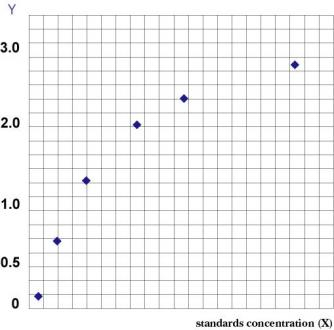
For spike-recovery and dilution linearity data, please refer to the product instruction manual or contact technical support.
Kit Components
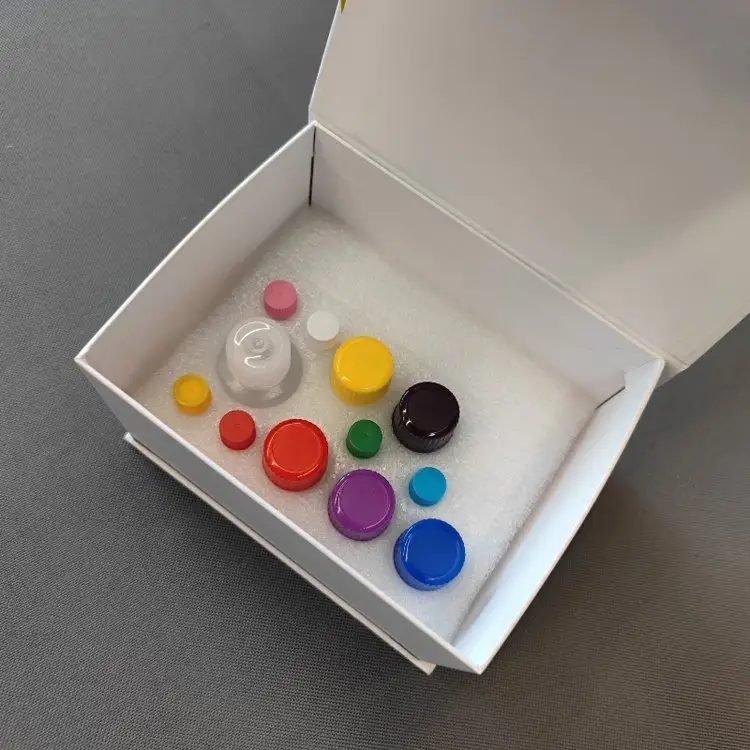
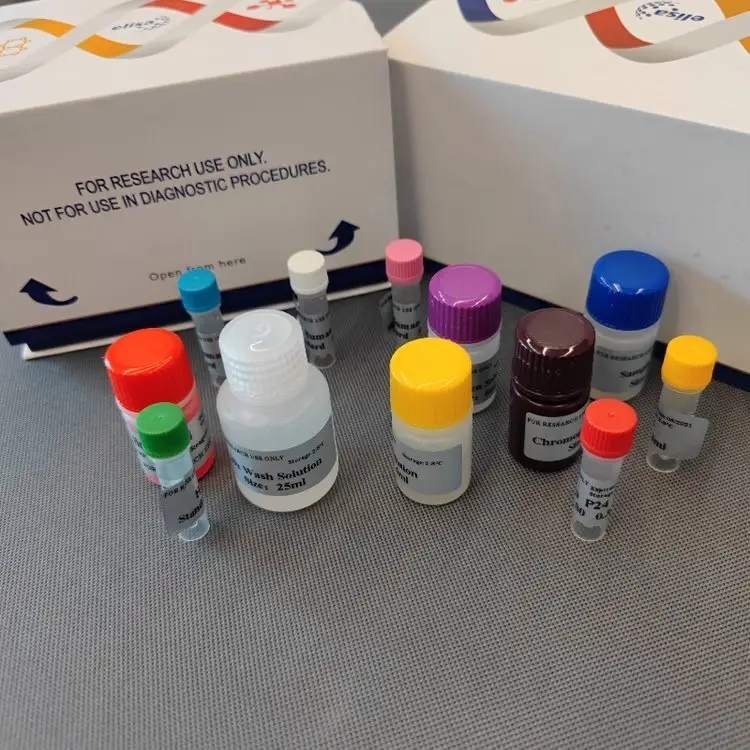
96-Well Format
| Component | Quantity | Notes |
|---|---|---|
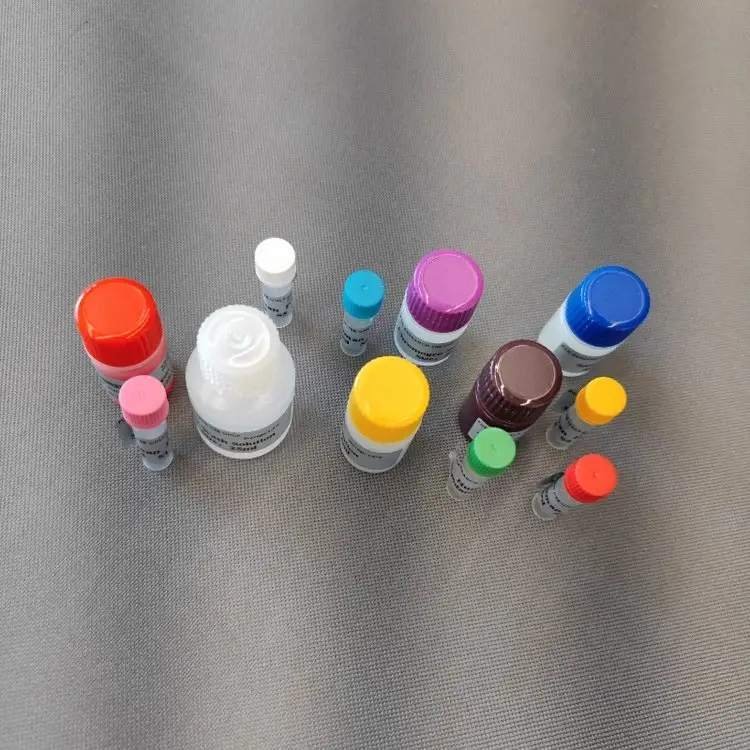
| Microelisa Stripplate | 12 strips × 8 wells | Pre-coated with anti-rabbit IgM antibody |
| Standard (0.3 mL/vial) | 6 vials | Ready-to-use liquid, 0–800 µg/mL |
| Sample Diluent | 6 mL | – |
| HRP-Conjugated Detection Antibody | 10 mL | Ready-to-use |
| 20× Wash Buffer | 25 mL | Dilute to 1× before use |
| Substrate A | 6 mL | – |
| Substrate B | 6 mL | – |
| Stop Solution | 6 mL | – |
| Plate Sealers | 2 sheets | – |
| Instruction Manual | 1 copy | – |
| Self-sealing Bag | 1 piece | For storing unused strips |
48-Well Format
| Component | Quantity | Notes |
|---|---|---|
| Microelisa Stripplate | 12 strips × 4 wells | Pre-coated, removable |
| Standard (0.3 mL/vial) | 6 vials | Ready-to-use liquid |
| Sample Diluent | 3 mL | – |
| HRP-Conjugated Detection Antibody | 5 mL | Ready-to-use |
| 20× Wash Buffer | 15 mL | Dilute to 1× |
| Substrate A | 3 mL | – |
| Substrate B | 3 mL | – |
| Stop Solution | 3 mL | – |
| Plate Sealers | 2 sheets | – |
| Instruction Manual | 1 copy | – |
| Self-sealing Bag | 1 piece | – |
Crystallization of 20× Wash Buffer is normal; warm in a water bath to dissolve completely.
Assay Procedure Summary
- Equilibrate: Let the foil pouch reach room temperature for 20 min. Remove required strips; reseal unused strips at 4°C.
- Add Standards & Samples:
- Standard wells: 50 µL of each standard.
- Sample wells: 10 µL of pre-diluted sample + 40 µL Sample Diluent.
- Blank well(s): Leave empty.
- Add Detection Antibody: Add 100 µL HRP-conjugated detection antibody to all wells except blank. Seal and incubate at 37°C for 60 minutes.
- Wash: Aspirate and blot dry. Fill wells with 1× Wash Buffer, soak 1 min, discard. Repeat 5 times (automated: 350 µL/well, 1-min soak).
- Substrate: Add 50 µL each of Substrate A and Substrate B. Incubate in the dark at 37°C for 15 minutes.
- Stop & Read: Add 50 µL Stop Solution. Measure absorbance at 450 nm within 15 min.
Total assay time: ~2 hours.
Materials Required but Not Supplied:
- Microplate reader (450 nm)
- Adjustable pipettes (0.5–1000 µL) and tips
- 37°C incubator or water bath
- Distilled/deionized water
- Absorbent paper, wash bottle or automated washer
- Carrier protein (BSA/FBS) and high-salt buffer (optional, for IgM stability)
Throughput
| Format | Max. Samples (Single Wells) |
|---|---|
| 48-well | 39–40 |
| 96-well | 85–88 |
Includes 6 standard and 1–2 blank wells. For duplicates, divide accordingly.
Discover More Rabbit ELISA Kits:
- Rabbit ELISA Kits Collection — Browse our complete rabbit product line
- Rabbit Immunoglobulin A (IgA) ELISA Kit — For mucosal antibody studies
- Rabbit Immunoglobulin G (IgG) ELISA Kit – Reliable Detection of Secondary Immune Response
- Human Immunoglobulin G (IgG) ELISA Kit – High‑Precision Sandwich Assay for Humoral Immunity Assessment
Frequently Asked Questions
Q: Why do I need such a high pre-dilution for rabbit serum?
A: Rabbit IgM is abundant (0.1–1 mg/mL). Without pre-dilution, the signal will saturate the 800 µg/mL top standard. A pre-dilution of 1:1,000 to 1:10,000 is typically required; perform a pilot study to determine the optimal factor for your specific samples.
Q: How do I calculate the final IgM concentration?
A: Final concentration (µg/mL) = Interpolated value × 5 (in-well dilution) × additional pre-dilution factor. Example: If you pre-dilute 1:100 and the interpolated reading is 1 µg/mL, actual concentration = 1 × 5 × 100 = 500 µg/mL (0.5 mg/mL).
Q: Does this kit cross-react with rabbit IgG or IgA?
A: No. The kit is highly specific for rabbit IgM and shows no significant cross-reactivity with rabbit IgG or IgA.
Q: How should I thaw frozen samples to protect IgM?
A: Thaw slowly at 4°C rather than at room temperature. Do not refreeze. Adding 0.05%–0.5% BSA or FBS to the sample buffer can help prevent adsorption and aggregation.
Q: Can hemolyzed samples be used?
A: Severe hemolysis may interfere. Centrifuge at high speed to remove cell debris. If the supernatant remains deeply colored, interpret results with caution or recollect.
Q: What are normal rabbit IgM levels?
A: Typically 0.1–1 mg/mL (100–1000 µg/mL). After immune stimulation, levels can rise significantly. We recommend running a pilot dilution series for each new experimental condition.
Q: Can I use this kit for other species?
A: No. The kit is validated only for rabbit IgM. Cross-reactivity with other species has not been established.
Q: Is this kit suitable for export?
A: Yes. It is shipped in a neutral white box with cold-chain packaging. MSDS and Certificate of Composition are available upon request for customs clearance.
Ordering & Contact Information
| Item | Details |
|---|---|
| Catalog Number | Yanda-RABBIT-IgM |
| Formats | 48-well / 96-well |
| Package Dimensions | 16 cm × 12.5 cm × 9.5 cm (neutral white box) |
| Shipping | Cold-chain transport (2–8°C), protected from light and moisture |
| Storage | 2–8°C; do not freeze |
| Shelf Life | 6 months |
| Intended Use | For research use only, not for diagnostic procedures |
Contact us
- WhatsApp: +86 198 3186 0669
- Email: songhawyble@gmail.com
For pricing, bulk orders, or export documentation, please reach out directly.
Technical Documents & Support
- Instruction Manual – Download [Rabbit Immunoglobulin M (IgM) ELISA Kit instruction] or request via email.
- MSDS & Certificate of Composition – Available upon request; can be included with shipment.
- Technical Support – For protocol optimization or troubleshooting, contact us via WhatsApp or email.
Disclaimer
This product is for laboratory research use only and is not approved for clinical diagnosis, treatment, or prognosis. The manufacturer assumes no liability for improper use, protocol deviations, or unauthorized applications. Users are responsible for validating assay performance in their own sample matrices and experimental conditions.