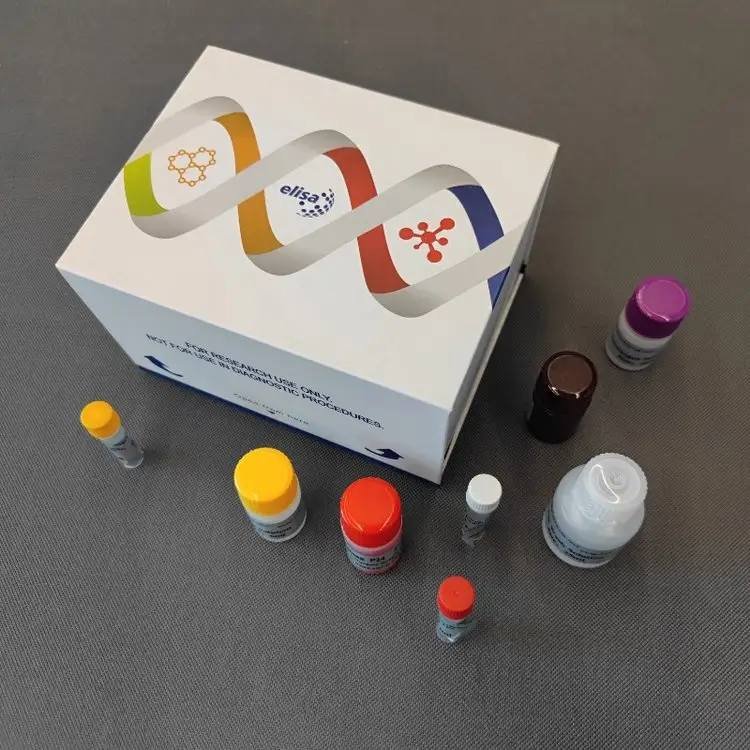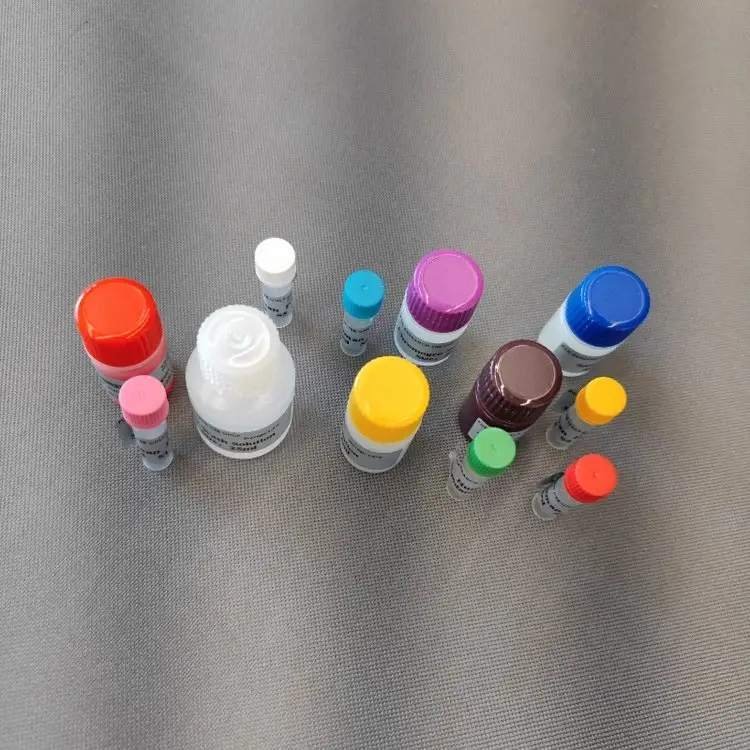

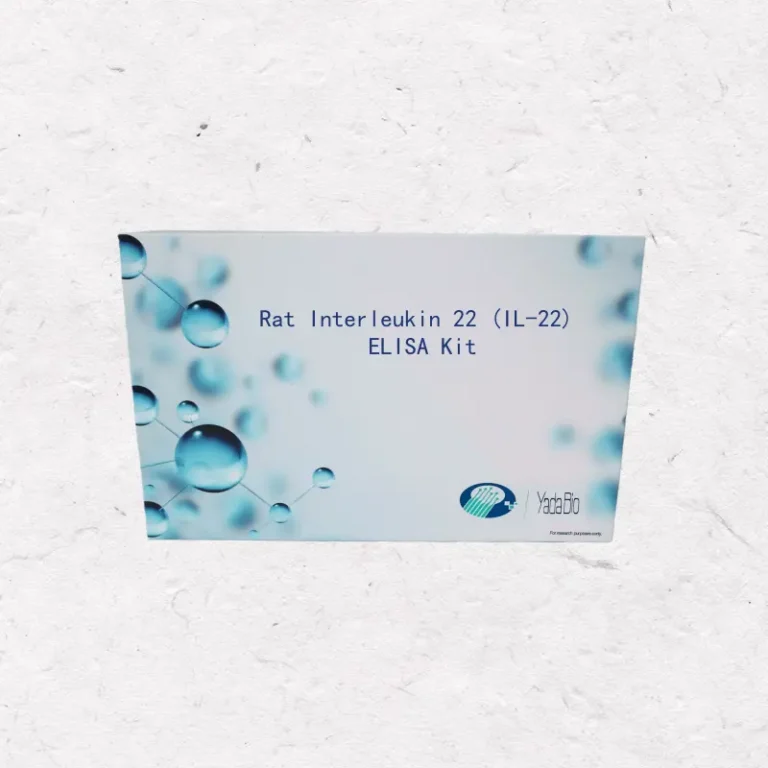
Interleukin-22 (IL-22) is a critical cytokine that shapes immune response and tissue repair, often acting as a key inflammatory factor in infection, autoimmune disease, and barrier defense. Accurately measuring this mediator is essential for preclinical research. Yanda Bio, a professional ELISA kit manufacturer with over 6,000 detectable targets, delivers a validated Rat Interleukin 22 (IL-22) ELISA Kit that combines reliable quantitative performance with the consistency demanded by long-term studies. As a dedicated inflammatory factor ELISA kit, it is engineered to help you capture subtle changes in rat serum, plasma, urine, cell culture supernates, and tissue homogenates.
Backed by ongoing collaborations with more than 60 Chinese universities, each Yanda Bio ELISA kit is produced under strict quality control to guarantee stable reactivity and high specificity. Our plates use a special high-binding surface treatment – the bottom of each well is modified to strongly adsorb proteins during antibody and antigen coating, giving you a stronger signal, better linearity, and lower well-to-well variability.
Key Features
- Ultra-High Sensitivity: Minimum detectable concentration < 0.1 pg/mL, designed for low-abundance rat IL-22 in biological samples.
- Quantitative Range: 0.1 – 32 pg/mL, supported by a six-point standard curve (0, 2, 4, 8, 16, 32 pg/mL).
- Specific for Rat IL-22: The assay uses antibodies against a recombinant rat IL-22 protein; no cross-reactivity with other soluble structural analogues. Not intended for cross-species applications.
- Validated Sample Types: Rat serum, EDTA/citrate/heparin plasma, cell culture supernatant, and tissue homogenates.
- Built-in 5× Sample Dilution: Protocol automatically dilutes samples 5-fold in the well — multiply the interpolated concentration by 5 to obtain the actual sample value.
- Ready-to-Use Liquid Standards: Six calibrated standards supplied as liquids, eliminating reconstitution and serial dilution steps.
- Excellent Reproducibility: Intra- and inter-assay CV < 15%; standard curve linearity R ≥ 0.9900.
- Efficient Workflow: One-step incubation, pre-coated removable strips, total assay time approximately 2 hours.
- Storage & Stability: 6-month shelf life at 2–8°C, protected from light and moisture.
Product Description
Interleukin-22 (IL-22) is a member of the IL-10 cytokine family primarily produced by activated T cells (Th17, Th22), innate lymphoid cells, and natural killer cells. In rat models, IL-22 plays a pivotal role in mucosal immunity, epithelial barrier integrity, tissue repair, and inflammation. It is extensively studied in contexts such as inflammatory bowel disease, liver injury, infection, and autoimmune conditions.
The Yanda-RAT-IL-22 ELISA Kit is a one-step double-antibody sandwich ELISA. The microplate is pre-coated with a capture antibody specific for rat IL-22. Standards and samples are co-incubated with an HRP-labeled detection antibody in a single step. After washing, TMB substrate produces a colorimetric signal proportional to the IL-22 concentration. The absorbance at 450 nm is used to calculate results against the standard curve.
Validated Sample Types & Preparation
| Sample Type | Preparation Instructions |
|---|---|
| Serum | Collect blood without anticoagulant; let clot. Centrifuge at 3000 rpm for 10 min and separate serum immediately. |
| Plasma | Use EDTA, citrate, or heparin as anticoagulant. Centrifuge at 3000 rpm for 30 min; collect supernatant. |
| Cell Culture Supernatant | Centrifuge at 3000 rpm for 10 min to pellet cells and debris. |
| Tissue Homogenate | Homogenize tissue in ice-cold normal saline. Centrifuge at 3000 rpm for 10 min; use supernatant. |
Storage: If not assayed immediately, aliquot samples and store at -20°C. Avoid repeated freeze-thaw cycles. Thaw completely at room temperature and mix gently before use.
⚠️ Critical Dilution Factor: The assay incorporates a 5-fold in-well dilution (10 µL sample + 40 µL Sample Diluent). The concentration interpolated from the standard curve represents the diluted sample. Multiply the obtained value by 5 to obtain the actual concentration in the original specimen. The S0 standard (0 pg/mL) serves as the blank/negative control.
Technical Specifications
| Parameter | Specification |
|---|---|
| Standard Concentrations (S0–S5) | 0, 2, 4, 8, 16, 32 pg/mL |
| Quantitative Range | 0.1 – 32 pg/mL |
| Analytical Sensitivity | < 0.1 pg/mL |
| Accuracy (Linearity) | Standard curve R ≥ 0.9900 |
| Precision | Intra-assay CV < 15%; Inter-assay CV < 15% |
| Specificity | Specific for recombinant rat IL-22; no cross-reactivity with other structural analogues. Not validated for mouse or human IL-22. |
| Sample Dilution Factor | 5× (performed automatically in the well) |
| Shelf Life | 6 months |
| Storage & Transport | 2–8°C, protected from light and moisture; cold-chain shipping |
Representative Standard Curve
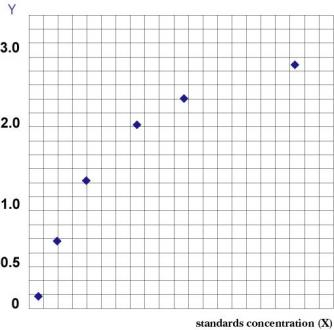
For detailed spike-recovery, dilution linearity data, and representative sample values, please refer to the product instruction manual or contact technical support.
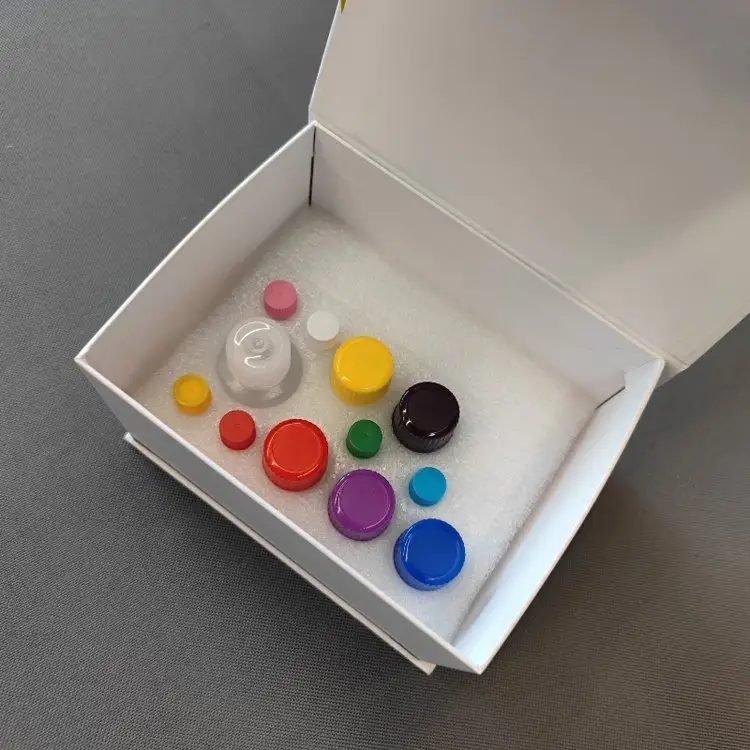
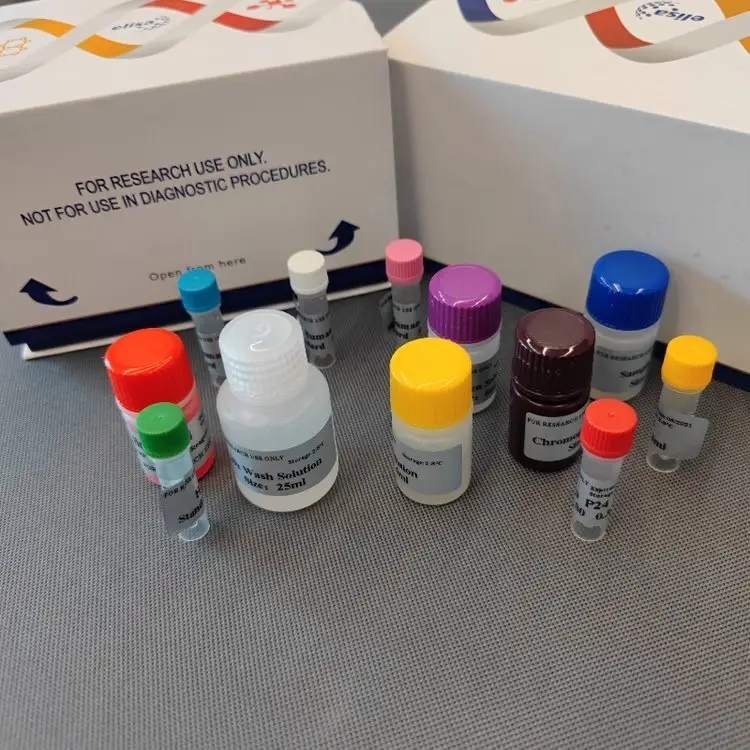
Kit Components
96-Well Format
| Component | Quantity | Notes |
|---|---|---|
| Microelisa Stripplate | 12 strips × 8 wells | Pre-coated with anti-rat IL-22 antibody |
| Standard (0.3 mL/vial) | 6 vials | Ready-to-use liquid, 0–32 pg/mL |
| Sample Diluent | 6 mL | – |
| HRP-Conjugated Detection Antibody | 10 mL | Ready-to-use |
| 20× Wash Buffer | 25 mL | Dilute to 1× with distilled water before use |
| Substrate A | 6 mL | – |
| Substrate B | 6 mL | – |
| Stop Solution | 6 mL | – |
| Plate Sealers | 2 sheets | – |
| Instruction Manual | 1 copy | – |
| Self-sealing Bag | 1 piece | For storing unused strips |
48-Well Format
| Component | Quantity | Notes |
|---|---|---|
| Microelisa Stripplate | 12 strips × 4 wells | Pre-coated, removable |
| Standard (0.3 mL/vial) | 6 vials | Ready-to-use liquid |
| Sample Diluent | 3 mL | – |
| HRP-Conjugated Detection Antibody | 5 mL | Ready-to-use |
| 20× Wash Buffer | 15 mL | Dilute to 1× |
| Substrate A | 3 mL | – |
| Substrate B | 3 mL | – |
| Stop Solution | 3 mL | – |
| Plate Sealers | 2 sheets | – |
| Instruction Manual | 1 copy | – |
| Self-sealing Bag | 1 piece | – |
Note: Crystallization of the 20× Wash Buffer during cold storage is normal; warm in a water bath until crystals dissolve before dilution.
Assay Procedure Summary
- Equilibrate: Bring the sealed foil pouch to room temperature for 20 min. Remove required strips, reseal unused strips in the self-sealing bag, and store at 4°C.
- Add Standards & Samples:
- Standard wells: 50 µL of each standard.
- Sample wells: 10 µL of sample + 40 µL of Sample Diluent.
- Blank well(s): Leave empty.
- Add Detection Antibody: Add 100 µL of HRP-conjugated detection antibody to all wells except blank. Cover with plate sealer and incubate at 37°C for 60 minutes.
- Wash: Aspirate the liquid and blot on absorbent paper. Fill each well with 1× Wash Buffer, let stand for 1 min, then discard. Repeat for a total of 5 washes. An automated plate washer may be used (350 µL/well, 1-min soak, 5 cycles).
- Substrate Reaction: Add 50 µL each of Substrate A and Substrate B. Incubate at 37°C in the dark for 15 minutes.
- Stop & Read: Add 50 µL Stop Solution. Measure absorbance at 450 nm within 15 minutes.
Total hands-on time: Approximately 2 hours.
Materials Required but Not Supplied:
- Microplate reader (450 nm)
- High-precision pipettes and tips (0.5–10 µL, 2–20 µL, 20–200 µL, 200–1000 µL)
- 37°C incubator or water bath
- Distilled or deionized water
- Absorbent paper, wash bottle or automated plate washer
Throughput
| Format | Max. Number of Samples (Single Wells) |
|---|---|
| 48-well | 39–40 samples |
| 96-well | 85–88 samples |
Calculation includes 6 standard wells and 1–2 blank wells. For duplicate measurements, divide the sample number accordingly.
Related Inflammatory Factor ELISA Kits You May Need
To complement your IL-22 study, consider these two equally robust inflammatory factor ELISA kits from Yanda Bio (internal links can be added):
- Mouse IL-6 ELISA Kit – Interleukin-6 is a quintessential inflammatory factor driving acute phase responses and chronic inflammation. This kit delivers the same high-binding plate advantage and quantitative precision for mouse serum and plasma.
- Rat HMG-CoA Reductase (HMGCR) ELISA Kit – For the quantitative measurement of Rat HMG-CoA Reductase (HMGCR) concentration and activity in serum, plasma, tissue homogenates (e.g., liver), and cell lysates.
- Rat 2,3-Diphosphoglycerate (2,3-DPG) ELISA Kit-For the specific quantitative determination of Rat 2,3-Diphosphoglycerate (2,3-DPG) concentration in hemolyzed erythrocyte samples, serum, and plasma.
- Rat Tumor Necrosis Factor Alpha (TNF-α) ELISA Kit – Tumor Necrosis Factor Alpha (TNF-α) is a powerhouse cytokine that orchestrates inflammation, apoptosis, and immune cell trafficking.
Both kits share the same rigorous quality framework, substrate system, and plate technology as your Rat Interleukin 22 (IL-22) ELISA Kit, ensuring seamless multiplexing-like workflows when you assess multiple biomarkers in parallel.
Frequently Asked Questions
Q: Why do I need to multiply my result by 5?
A: The protocol automatically dilutes your sample 5-fold in the well (10 µL sample + 40 µL diluent). The standard curve is processed identically, so the interpolated value corresponds to the diluted concentration. Multiply by 5 to get the actual sample concentration.
Q: My sample reads higher than 32 pg/mL after applying the 5× factor. What should I do?
A: Pre-dilute the sample further with the provided Sample Diluent (e.g., an additional 1:2 or 1:5), re-assay, and multiply by both the in-well 5× and the additional dilution factor.
Q: Can I use this kit for mouse or human samples?
A: No. The antibodies are specific for recombinant rat IL-22 and have been validated only for rat matrices. Cross-species reactivity has not been established.
Q: How should I handle tissue homogenates?
A: Homogenize tissue in ice-cold normal saline or PBS, centrifuge at 3000 rpm for 10 min, and collect the supernatant. If you are unsure about the expected IL-22 concentration, we recommend performing a pilot experiment with several dilutions to identify the optimal dilution factor.
Q: What if the wash buffer has crystals?
A: This is normal after cold storage. Warm the buffer in a water bath (≤37°C) until crystals fully dissolve, then prepare the 1× working solution.
Q: Where can I find recovery and linearity data?
A: Representative spike-recovery and dilution linearity data are available in the product instruction manual. For detailed validation information, please contact our technical support team.
Ordering Information
| Item | Details |
|---|---|
| Catalog Number | Yanda-RAT-IL-22 |
| Formats | 48-well / 96-well |
| Package Dimensions | 16 cm × 12.5 cm × 9.5 cm (neutral white box) |
| Shipping | Cold-chain transport (2–8°C), protected from light and moisture |
| Storage | 2–8°C; do not freeze |
| Shelf Life | 6 months |
| Intended Use | For research use only, not for diagnostic procedures |
For pricing, bulk orders, or availability, please contact our sales team at: elisa@yandabiology.com.
Technical Documents & Support
- Instruction Manual – Download [insert link] or request from technical support.
- MSDS – Provided with shipment or upon request.
- Technical Support – For protocol assistance, troubleshooting, or detailed validation data, reach out to [insert email/phone].
Disclaimer
This product is intended for laboratory research use only and is not approved for clinical diagnosis, treatment, or prognosis in humans or animals. The manufacturer assumes no liability for any consequences arising from deviation from the recommended protocol or unauthorized applications. Users are responsible for validating assay performance in their own laboratory and sample matrix.