
Assay Principle — Competitive ELISA for a Small Thyroid Hormone
Thyroxine (T4) is a small iodinated amino acid derivative (MW ~777 Da) that lacks two independent antigenic epitopes necessary for a sandwich ELISA. This kit employs a competitive inhibition enzyme immunoassay. The microplate is pre-coated with an anti-T4 antibody. Free T4 in the sample competes with an enzyme-labeled T4 conjugate for a limited number of antibody binding sites. The resulting OD signal is inversely proportional to the T4 concentration in the sample — high T4 yields low OD.
Important: Standard concentrations given in the manual refer to in-well final concentrations. Multiply the interpolated result by the appropriate dilution factor to obtain the original sample concentration.
Key Features
- Measures Total T4 (Protein‑Bound + Free): The assay includes a dissociation step (via the Sample Diluent) to release T4 from thyroxine‑binding globulin (TBG) and albumin, enabling measurement of total circulating T4.
- Competitive Format for Small Molecule: Designed specifically for T4, overcoming the size limitation that prevents sandwich detection. No cross‑reactivity with T3, reverse T3 (rT3), or diiodotyrosine (DIT).
- Validated for Rabbit Samples Only: Strict species specificity; not cross‑reactive with mouse, rat, or human T4.
- Recommended Sample Collection Tubes: T4 is lipophilic and can adsorb to plastic or gel separators. Use plain glass tubes or low‑adsorption polypropylene tubes; avoid serum separator gel tubes.
- Ready‑to‑Use Liquid Standards: Six standards (0, 15, 30, 60, 120, 240 ng/mL) supplied as liquids; no reconstitution required.
- Built‑in 5× Sample Dilution: 10 μL sample + 40 μL Sample Diluent in the well; multiply the interpolated value by 5 to obtain the concentration in the diluted sample.
- High Sensitivity & Defined Range: Quantitative range 1–240 ng/mL, sensitivity <1.0 ng/mL.
- Excellent Precision: Intra‑ and inter‑assay CV <15%; standard curve R ≥0.9900.
- One‑Step Incubation: Co‑incubation of sample and HRP‑conjugate (or biotin‑conjugate) with the antibody; total assay time ~2 hours.
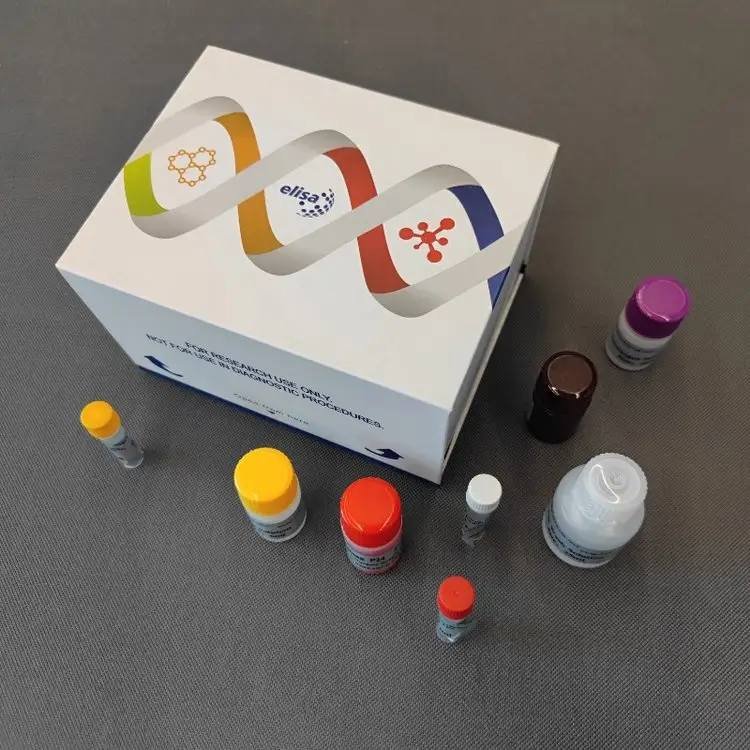
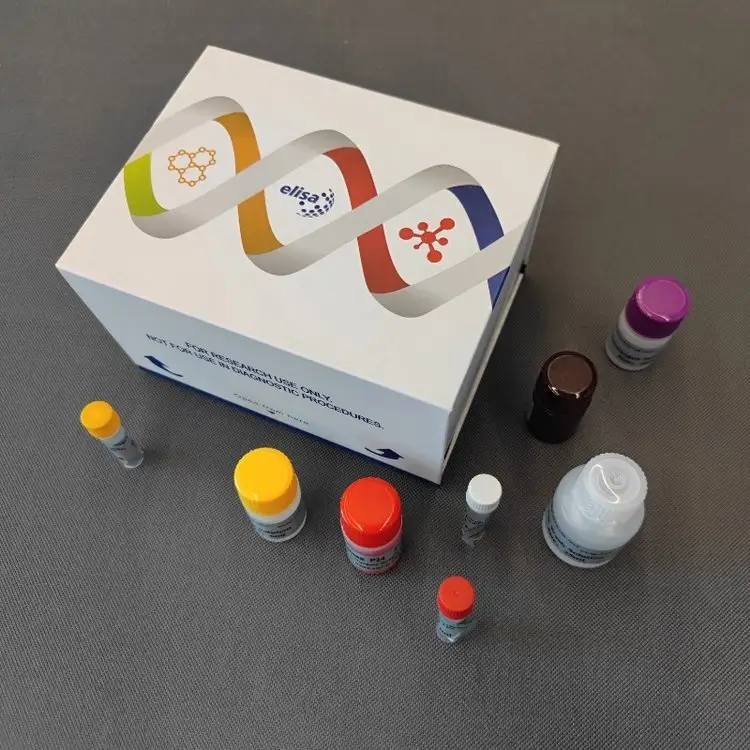
- Export‑Ready: Neutral white box (16 × 12.5 × 9.5 cm), cold‑chain shipping (2–8°C), 6‑month shelf life. MSDS and Certificate of Composition available upon request.
Product Description
Thyroxine (3,5,3′,5′-tetraiodo‑L‑thyronine, T4) is the primary secretory product of the thyroid gland and a prohormone that is converted peripherally to the biologically active triiodothyronine (T3). In rabbits, T4 regulates basal metabolism, thermogenesis, cardiovascular function, and development. Serum total T4 is a core biomarker in studies of thyroid function, endocrine disruption, and metabolic disorders.
The Yanda‑Rabbit‑T4 ELISA Kit provides a competitive ELISA method to quantify total T4 directly in rabbit serum or plasma. It is intended for research use only and not for diagnostic procedures.
Sample Collection & Preparation
Blood Collection Tubes
T4 is lipophilic and readily adsorbs to plastic surfaces and gel barriers. Always use plain glass tubes or low‑adsorption polypropylene tubes. Do not use serum separator gel tubes, as the gel can absorb T4 and cause falsely low readings.
Sample Types
| Sample Type | Collection & Processing |
|---|---|
| Serum | Collect in plain glass tubes without anticoagulant. Allow blood to clot at room temperature for 2 h or at 2–8°C overnight. Centrifuge at 3000 rpm for 10 min. Separate serum immediately. |
| Plasma | Use EDTA, citrate, or heparin as anticoagulant. Centrifuge at 3000 rpm for 30 min. |
Dissociation of T4 from Binding Proteins
The provided Sample Diluent contains a dissociating agent (e.g., ANS or sodium salicylate) that releases T4 from TBG and albumin. Do not substitute with generic buffers; always use the kit’s Sample Diluent for accurate total T4 measurement.
Sample Stability
- Short‑term: 2–8°C for up to 6 days.
- Long‑term: Aliquot and store at -20°C or -80°C. Avoid repeated freeze‑thaw cycles.
- NaN₃ Prohibition: Sodium azide is an HRP inhibitor and must be absent from samples.
Dilution & Calculation
In‑Well Dilution
The assay uses a 5‑fold dilution in the well: 10 μL sample + 40 μL Sample Diluent. The interpolated concentration from the standard curve represents the in‑well value. Multiply by 5 to obtain the concentration in the diluted sample.
Normal Rabbit T4 Levels and Pre‑Dilution
Normal rabbit serum total T4 typically ranges from 2–5 μg/dL (20–50 ng/mL). After the 5‑fold in‑well dilution, the concentration is 4–10 ng/mL, which falls comfortably within the standard curve (1–240 ng/mL). No additional pre‑dilution is usually required for healthy rabbits.
For hypo‑ or hyperthyroid models, run a pilot dilution series (neat, 1:2, 1:4) to ensure readings remain within the quantitative range.
Calculation Formula
Final T4 concentration (ng/mL) = Interpolated value × 5 × additional pre‑dilution factor (if any).
Data Fitting
Competitive curves are inverse. Use 4‑parameter logistic (4PL) or log‑logit fitting (e.g., GraphPad Prism, MyCurveFit) for accurate calculation.
Technical Specifications
| Parameter | Specification |
|---|---|
| Standard Concentrations (S0–S5) | 0, 15, 30, 60, 120, 240 ng/mL (in‑well) |
| Quantitative Range | 1 – 240 ng/mL |
| Analytical Sensitivity | < 1.0 ng/mL |
| Accuracy (Linearity) | Standard curve R ≥0.9900 |
| Precision | Intra‑assay CV <15%; Inter‑assay CV <15% |
| Specificity | Highly specific for rabbit T4. No significant cross‑reactivity with T3, rT3, DIT, or other thyroid hormone analogues. |
| Species Restriction | Validated exclusively for rabbit samples. |
| Sample Dilution Factor | 5× (in‑well); additional pre‑dilution if needed |
| Shelf Life | 6 months |
| Storage & Transport | 2–8°C, protected from light; cold‑chain shipping |
Representative Standard Curve
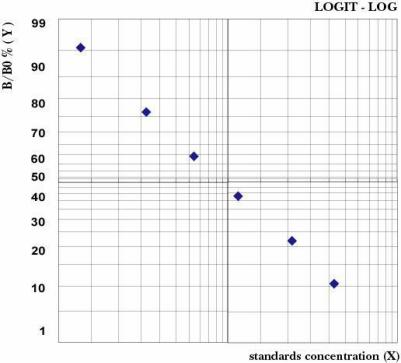
Detailed validation data (including spike‑recovery and dilution linearity) are available in the product instruction manual.
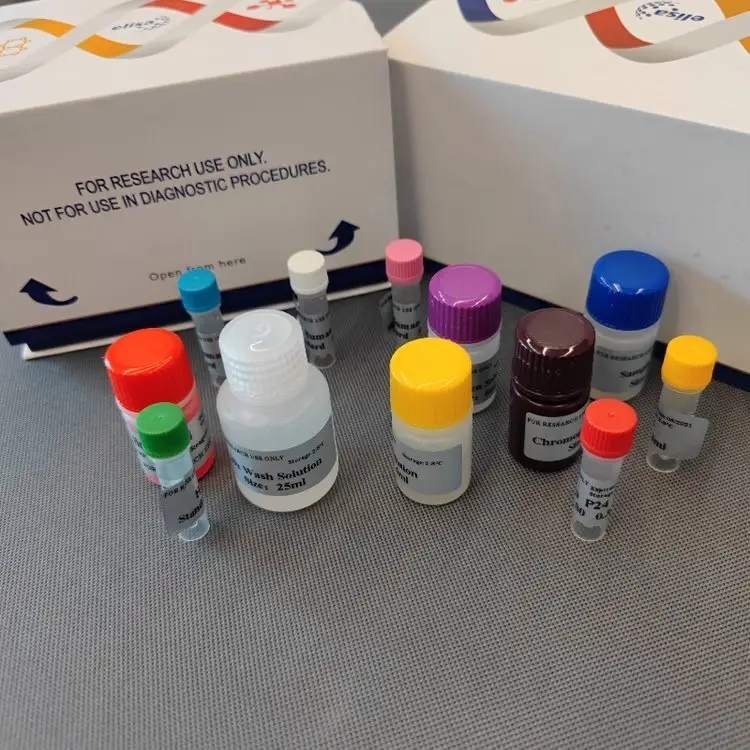
Kit Components
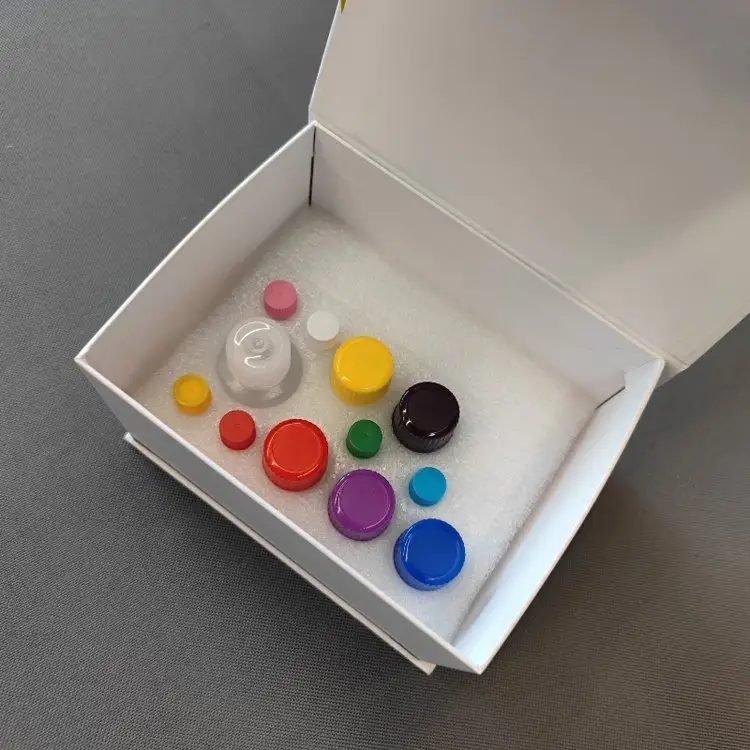
96‑Well Format
| Component | Quantity | Notes |
|---|---|---|
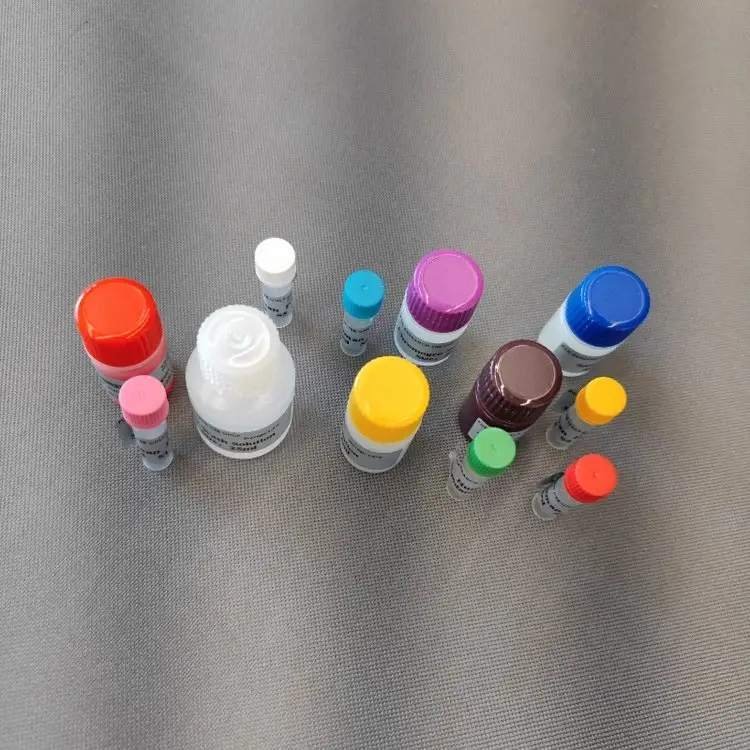
| Microelisa Stripplate | 12 strips × 8 wells | Pre‑coated with anti‑T4 antibody |
| Standard (0.3 mL/vial) | 6 vials | Ready‑to‑use liquid, 0–240 ng/mL |
| Sample Diluent (with dissociating agent) | 6 mL | – |
| HRP‑Conjugated T4 (or Biotin‑T4) | 10 mL | Ready‑to‑use |
| 20× Wash Buffer | 25 mL | Dilute to 1× before use |
| Substrate A | 6 mL | – |
| Substrate B | 6 mL | – |
| Stop Solution | 6 mL | – |
| Plate Sealers | 2 sheets | – |
| Instruction Manual | 1 copy | – |
| Self‑sealing Bag | 1 piece | For storing unused strips |
48‑Well Format
| Component | Quantity | Notes |
|---|---|---|
| Microelisa Stripplate | 12 strips × 4 wells | Pre‑coated |
| Standard (0.3 mL/vial) | 6 vials | Ready‑to‑use |
| Sample Diluent (with dissociating agent) | 3 mL | – |
| HRP‑Conjugated T4 | 5 mL | Ready‑to‑use |
| 20× Wash Buffer | 15 mL | Dilute to 1× |
| Substrate A | 3 mL | – |
| Substrate B | 3 mL | – |
| Stop Solution | 3 mL | – |
| Plate Sealers | 2 sheets | – |
| Instruction Manual | 1 copy | – |
| Self‑sealing Bag | 1 piece | – |
Crystallization of 20× Wash Buffer during cold storage is normal; warm in a water bath until crystals dissolve.
Assay Procedure Summary
- Equilibrate: Warm the sealed foil pouch to room temperature for 20 min. Remove required strips.
- Add Standards & Samples: 50 μL standards; 10 μL sample + 40 μL Sample Diluent. Blank: leave empty.
- Add HRP‑Conjugate: 100 μL HRP‑T4 (or biotin‑T4, depending on kit design) to all wells except blank. Incubate at 37°C for 60 min.
- Wash: Aspirate, wash with 1× Wash Buffer (soak 1 min), repeat 5 times.
- Substrate: 50 μL each of Substrate A and B, incubate dark at 37°C for 15 min.
- Stop & Read: 50 μL Stop Solution, read at 450 nm within 15 min.
Total hands‑on time: ~2 hours.
Throughput
| Format | Max. Samples (Single Wells) |
|---|---|
| 48‑well | 39–40 |
| 96‑well | 85–88 |
Includes 6 standard wells and 1–2 blank wells. For duplicates, divide sample count accordingly.
Related Products
Rabbit-derived ELISA kits are widely utilized in various ELISA experiments. To meet diverse research needs, our company offers comprehensive ELISA kit customization services. You can fully customize the species, target analytes, and sensitivity specifications to perfectly align with your experimental requirements.
- Rabbit Immunoglobulin M (IgM) ELISA Kit – Accurate Detection of Primary Antibody Response.
- Rabbit Type I Collagen (Col-I) ELISA Kit – High‑Precision Sandwich Assay for Bone, Tendon & Skin Research.
- Rabbit Immunoglobulin G (IgG) ELISA Kit – Reliable Detection of Secondary Immune Response.
Frequently Asked Questions
Q: Is this a sandwich or competitive ELISA?
A: Competitive ELISA. T4 is too small (~777 Da) for two antibodies to bind simultaneously. Free T4 competes with labeled T4 for antibody binding; signal is inversely proportional to concentration.
Q: Does this kit measure total or free T4?
A: Total T4. The Sample Diluent contains a dissociating agent that releases T4 from binding proteins (TBG, albumin) prior to measurement.
Q: Can I use serum separator tubes?
A: No. T4 adsorbs to gel barriers and plastic surfaces, causing falsely low results. Use plain glass tubes or low‑adsorption polypropylene tubes.
Q: Does this kit cross‑react with T3 or other thyroid hormones?
A: No significant cross‑reactivity with T3, rT3, or DIT has been observed. The assay is highly specific for T4.
Q: What are normal rabbit T4 levels?
A: Normal rabbit serum total T4 is ~2–5 μg/dL (20–50 ng/mL), which falls within the kit’s detection range after the standard 5‑fold dilution.
Q: Can I use this kit for mouse, rat, or human T4?
A: No. This kit is validated exclusively for rabbit T4. Use species‑specific kits for other animal models.
Q: How should I store my samples?
A: Aliquot and store at -20°C or -80°C. Avoid repeated freeze‑thaw. Do not use NaN₃ as a preservative.
Q: Are MSDS and export documents available?
A: Yes. MSDS and Certificate of Composition are provided upon request and can accompany the shipment.
Ordering & Contact
| Item | Details |
|---|---|
| Catalog Number | Yanda‑Rabbit‑T4 |
| Formats | 48‑well / 96‑well |
| Package Dimensions | 16 cm × 12.5 cm × 9.5 cm (neutral white box) |
| Shipping | Cold‑chain (2–8°C), protected from light and moisture |
| Storage | 2–8°C; do not freeze |
| Shelf Life | 6 months |
WhatsApp: +86 198 3186 0669 | Email: songhawyble@gmail.com
Technical Documents & Support
- Instruction Manual – Download or request via email.
- MSDS & Certificate of Composition – Available upon request.
- Technical Support – For competitive assay calculations, species‑specific T4 detection, or sample collection guidance, contact us via WhatsApp or email.
Disclaimer
For research use only. Not for clinical diagnosis or treatment. Users are responsible for validating assay performance in their own experimental conditions. The manufacturer assumes no liability for improper use or protocol deviations.