
Product Overview: Understanding Type II Collagen in Musculoskeletal Research
Type II Collagen (Col-II) is the predominant collagen type in hyaline cartilage, comprising approximately 90-95% of the cartilage extracellular matrix. It provides tensile strength and structural integrity to articular surfaces, intervertebral discs, and the vitreous humor of the eye. Accurate quantification of Rabbit Type II Collagen (Col-II) is essential for research in osteoarthritis, rheumatoid arthritis, cartilage repair, joint trauma, and developmental biology. Degradation or abnormal synthesis of Col-II serves as a critical biomarker for cartilage turnover and joint pathology, making this assay invaluable for preclinical studies using rabbit models.
Yanda Bio’s Rabbit Type II Collagen (Col-II) ELISA Kit employs a sandwich immunoassay format optimized for sensitive and specific detection of this key extracellular matrix protein. As a professional Rabbit ELISA kit manufacturer with a portfolio exceeding 6,000 detectable targets and established collaborations with over 60 universities across China, we combine deep expertise in matrix biology with rigorous quality standards to support orthopedic and rheumatology research.
Explore Our Complete Rabbit Collagen Series:
- Rabbit Type III Collagen (Col-III) ELISA Kit — For fibrosis, wound healing, and vascular research
- Rabbit Type I Collagen (Col-I) ELISA Kit — For bone, tendon, and skin research (available separately)
Why Choose Yanda Bio for Your Collagen Immunoassays?
EEAT-Compliant Quality Standards
Our commitment to Experience, Expertise, Authoritativeness, and Trustworthiness ensures that every kit meets the highest research standards for extracellular matrix protein quantification.
| Principle | Our Commitment |
|---|---|
| Experience | Over 6,000 detectable factors developed; 60+ university collaborations; specialized expertise in collagen immunoassay development and validation. |
| Expertise | Proprietary antibody pairs optimized for rabbit collagen subtypes; sandwich ELISA format ensures high specificity and minimal cross-reactivity among collagen types. |
| Authoritativeness | Validated by academic research partners; ISO-aligned manufacturing standards; rigorous quality control at every production stage. |
| Trustworthiness | Rapid custom service with 3-7 day turnaround; transparent specifications; unconditional quality guarantee. |
Superior Quality Metrics
- Intra-assay CV < 5% — Exceptional within-run precision
- Inter-assay CV < 8% — Outstanding run-to-run consistency
- High Specificity — Minimal cross-reactivity with Type I, III, or other collagen subtypes
Kit Components: What’s Included
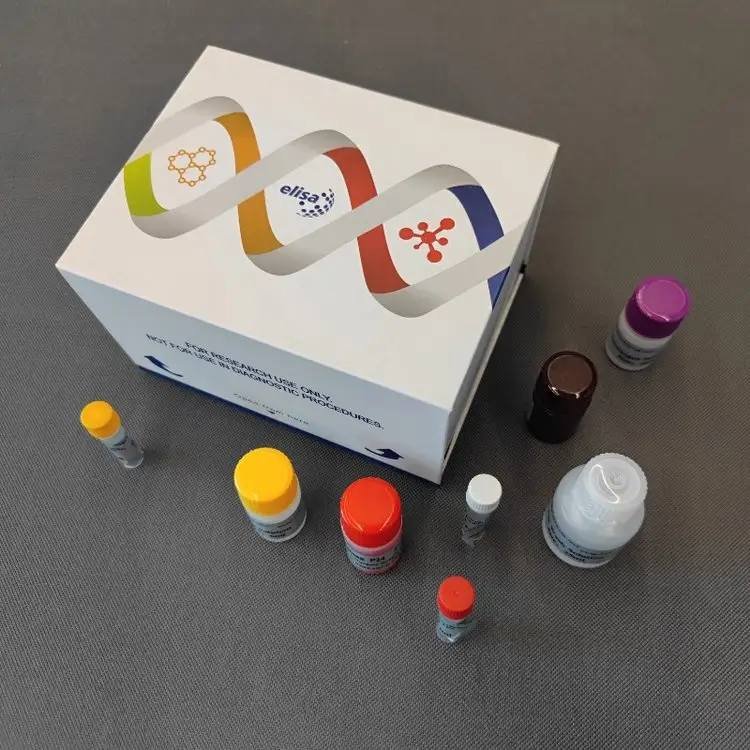
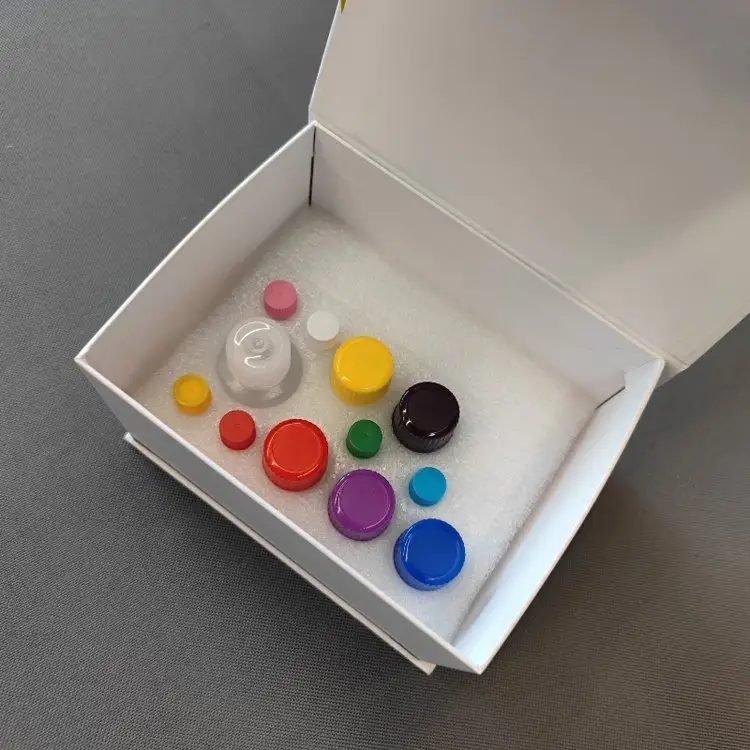
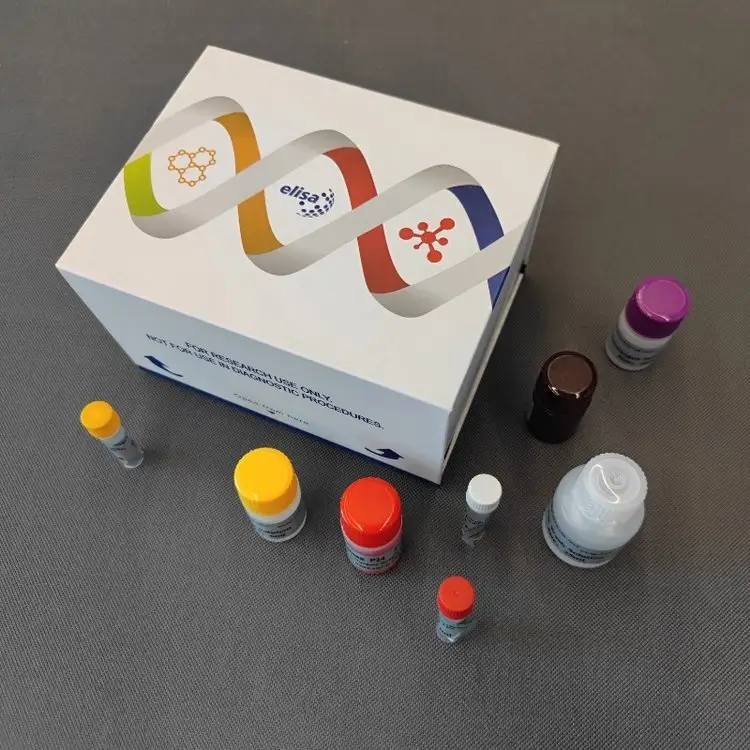
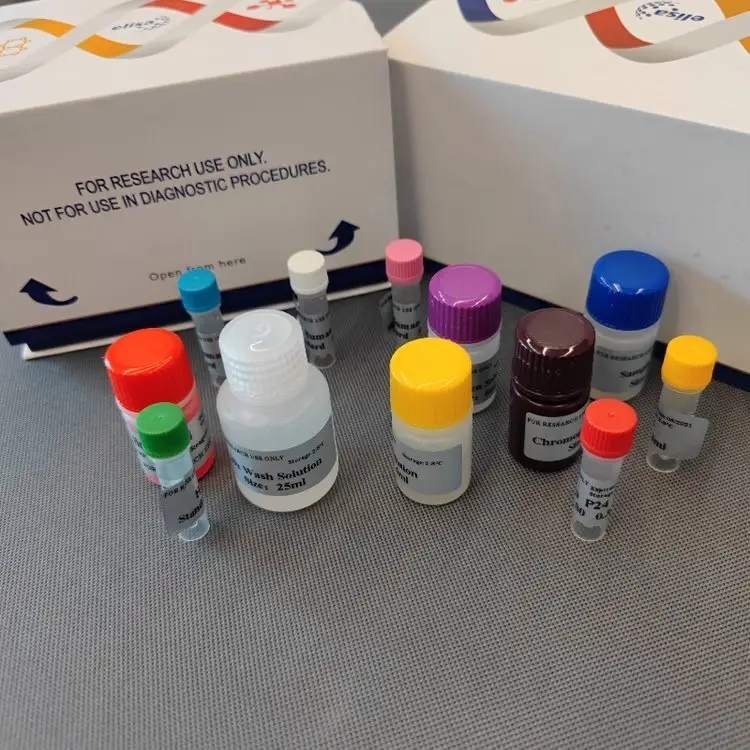
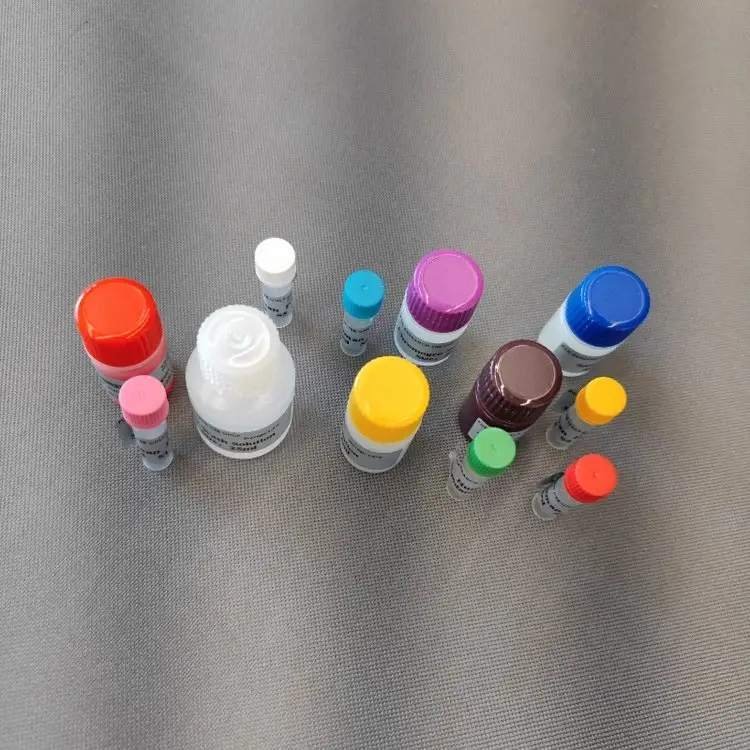
Our Rabbit Col-II ELISA Kit is available in both 96-well and 48-well configurations to accommodate different throughput requirements.
| Component | 96-Well Configuration | 48-Well Configuration |
|---|---|---|
| Microplate (Pre-coated) | 8 wells × 12 strips | 8 wells × 6 strips |
| Standards | 0.3 mL × 6 tubes | 0.3 mL × 6 tubes |
| Sample Diluent | 6 mL | 3 mL |
| HRP-Conjugated Detection Antibody | 6 mL | 3 mL |
| 20× Wash Buffer | 25 mL | 15 mL |
| Substrate A | 6 mL | 3 mL |
| Substrate B | 6 mL | 3 mL |
| Stop Solution | 6 mL | 3 mL |
| Plate Sealer | 2 sheets | 2 sheets |
| Manual | 1 copy | 1 copy |
Assay Principle: Sandwich ELISA Technology
This kit employs a solid-phase sandwich enzyme-linked immunosorbent assay (ELISA) principle. A monoclonal antibody specific for Rabbit Type II Collagen (Col-II) is pre-coated onto the microplate. Standards and samples are pipetted into the wells, allowing Col-II to bind to the immobilized antibody. After washing to remove unbound substances, a Horseradish Peroxidase (HRP)-conjugated detection antibody is added, forming an antibody-antigen-antibody “sandwich” complex. Following a second wash step, TMB substrate is added. The HRP enzyme catalyzes the conversion of TMB to a blue product, which turns yellow upon acidification with the stop solution. The optical density (OD) measured at 450 nm is directly proportional to the concentration of Col-II in the sample.
Sample Dilution Note: Samples are pre-diluted 5-fold during the procedure; multiply results by 5 to obtain actual concentrations.
Sample Collection & Preparation
Proper sample handling is critical for accurate collagen quantification. Please follow these guidelines:
| Sample Type | Collection & Processing |
|---|---|
| Serum | Use pyrogen/endotoxin-free tubes. Avoid cell stimulation. Collect blood, centrifuge at 3000 rpm for 10 minutes to carefully separate serum from red blood cells. |
| Plasma | Collect using EDTA, citrate, or heparin anticoagulants. Centrifuge at 3000 rpm for 30 minutes and collect the supernatant. |
| Synovial Fluid | Collect via arthrocentesis. Centrifuge at 3000 rpm for 15 minutes to remove cells and debris. Collect supernatant. Store at -80°C. |
| Cartilage Tissue Homogenate | Finely mince cartilage tissue. Add PBS (pH 7.4) at 1:9 weight-to-volume ratio. Homogenize on ice, then centrifuge at 5000×g for 10 minutes at 2-8°C. Collect supernatant. |
| Cell Supernatant | Centrifuge at 3000 rpm for 10 minutes to remove particles and polymers. |
| Storage | If samples are not tested immediately, aliquot and store at -20°C. Avoid repeated freeze-thaw cycles. Thaw at room temperature and ensure complete mixing before use. |
Materials Required But Not Provided
- Microplate reader capable of measuring absorbance at 450 nm
- Precision pipettes and tips (0.5-10 μL, 2-20 μL, 20-200 μL, 200-1000 μL)
- 37°C incubator or water bath
Important Notes for Assay Procedure
- Store the kit at 2-8°C. Allow all reagents to equilibrate to room temperature for 20 minutes before use. Concentrated wash buffer may crystallize; this is normal. Dissolve crystals by warming in a water bath.
- Return unused strips to the resealable bag with desiccant and store properly at 2-8°C. Use as soon as possible.
- The S0 standard (zero concentration) serves as a negative control/blank. Note that samples are pre-diluted 5-fold during the procedure; multiply results by 5 to obtain actual concentrations.
- Strictly adhere to the incubation times, volumes, and sequence specified in the protocol.
- Mix all liquid components thoroughly before use.
Reagent Preparation
20× Wash Buffer Dilution: Dilute 1 part 20× wash buffer with 19 parts distilled water to prepare 1× working wash buffer.
Washing Method
Manual Washing: Aspirate liquid from wells, fill each well with wash buffer, allow to stand for 1 minute, then aspirate. Invert plate and tap dry on absorbent paper. Repeat 5 times.
Automated Plate Washer: Inject 350 μL of wash buffer per well, allow to soak for 1 minute, and wash 5 times.
Assay Procedure
- Remove the required number of strips from the aluminum foil bag after 20 minutes of room temperature equilibration. Reseal unused strips and return to 4°C.
- Set up standard wells and sample wells. Add 50 μL of each standard concentration to the standard wells.
- For sample wells: Add 10 μL of test sample followed by 40 μL of sample diluent. Leave blank wells empty.
- Except for blank wells, add 100 μL of HRP-conjugated detection antibody to all standard and sample wells. Seal with a plate cover and incubate at 37°C for 60 minutes.
- Aspirate liquid, tap dry on absorbent paper, fill each well with wash buffer, let stand for 1 minute, aspirate, and tap dry. Repeat washing 5 times (automated washer acceptable).
- Add 50 μL of Substrate A and 50 μL of Substrate B to each well. Incubate at 37°C in the dark for 15 minutes.
- Add 50 μL of stop solution to each well. Measure the OD at 450 nm within 15 minutes.
Data Analysis
Create a standard curve by plotting the OD values (y-axis) against the standard concentrations (x-axis) in Excel or suitable software. A linear regression curve (R ≥ 0.9900) provides the best fit. Calculate sample concentrations from the curve equation, multiplying by the dilution factor (5×) as indicated.
Kit Performance Specifications
| Parameter | Performance |
|---|---|
| Accuracy | Standard curve linear regression coefficient (R) ≥ 0.9900 |
| Sensitivity | Minimum detectable concentration < 1.0 pg/mL |
| Detection Range | 1.0 – 40 pg/mL |
| Specificity | No significant cross-reactivity with Rabbit Type I, Type III, or other soluble collagen analogs |
| Intra-assay CV | < 5% |
| Inter-assay CV | < 8% |
| Storage | 2-8°C, protected from light and moisture |
| Shelf Life | 6 months |
Customization Options
Yanda Bio offers custom ELISA kit development services with a rapid 3-7 day turnaround for specialized research applications:
| Custom Parameter | Available Options |
|---|---|
| Target Species | Rabbit, or adaptation to other species |
| Sample Type | Serum, plasma, synovial fluid, cartilage homogenates, cell culture supernatants |
| Detection Range | Adjustable based on expected physiological levels |
| Sensitivity | Optimized for your specific application |
| Kit Format | Standard or high-sensitivity options |
Related Products
Complete Your Rabbit Extracellular Matrix Research Panel:
- Rabbit Thyroxine (T4) ELISA Kit — Designed for the accurate in vitro quantification of total thyroxine in rabbit serum, plasma, and other biological samples.
- Rabbit Immunoglobulin G (IgG) ELISA Kit — Accurate in vitro quantification of rabbit IgG in serum, plasma, cell culture supernatants, and other biological fluids
Special Offer
Purchase any three ELISA kits from Yanda Bio and enjoy free shipping. Combine our Rabbit Col-II kit with Rabbit Col-III and Col-I kits to build a comprehensive collagen research panel at exceptional value.
Comparison with Premium International Brands
Yanda Bio’s ELISA kits deliver performance comparable to leading international brands at a fraction of the cost—often 40-60% less than major commercial alternatives. Our efficient manufacturing process and direct-to-researcher business model eliminate unnecessary markups, allowing us to offer professional-grade matrix protein immunoassays at highly competitive prices. With superior precision metrics (CV < 5% intra-assay, CV < 8% inter-assay) and 3-7 day custom development capability, we provide exceptional value without compromising on data quality.
Disclaimer
Strict adherence to the protocol is required. Yanda Bio is not responsible for results obtained from deviations from the specified procedure. This product is for research use only. It is not intended for clinical diagnosis or human use. The user assumes all responsibility for any consequences arising from misuse.
Ordering & Contact Information
To order this Rabbit Type II Collagen (Col-II) ELISA Kit, or to inquire about volume discounts, custom development, and format selection guidance, please contact our sales team.