
Important Target Clarification
This kit measures enzyme activity of human hydroxymethylbilane synthase (HMBS), also known as porphobilinogen deaminase (PBGD). The unit is U/L — not protein concentration (ng/mL or pg/mL). Please ensure enzyme activity is your intended readout.
Key Features
- Measures Enzyme Activity, Not Concentration: Quantifies HMBS catalytic activity in U/L, defined as the amount of enzyme that catalyzes 1 μmol of substrate (PBG) per minute at 37°C, pH 7.4.
- Two-Step Sandwich ELISA: A dedicated wash step between sample incubation and detection antibody eliminates endogenous interference (hemoglobin, lipids, metabolites), ensuring higher specificity than one-step formats.
- Optimized for High-Expression Samples: Detection range 25–400 U/L is ideal for tissues and cells with abundant HMBS activity, such as liver homogenates, HepG2/Huh7 lysates, and over-expression models.
- Erythrocyte Lysate Compatible: Validated for washed erythrocyte lysates with a simple hypotonic or freeze-thaw lysis protocol. Hemoglobin does not significantly interfere at 450 nm.
- No Cross-Reactivity with Heme Pathway Enzymes: Specific for HMBS/PBGD. Does not recognize UROS, UROD, ALAD, or FECH.
- Built-in 5× Sample Dilution: 10 µL sample + 40 µL Sample Diluent; multiply the interpolated value by 5.
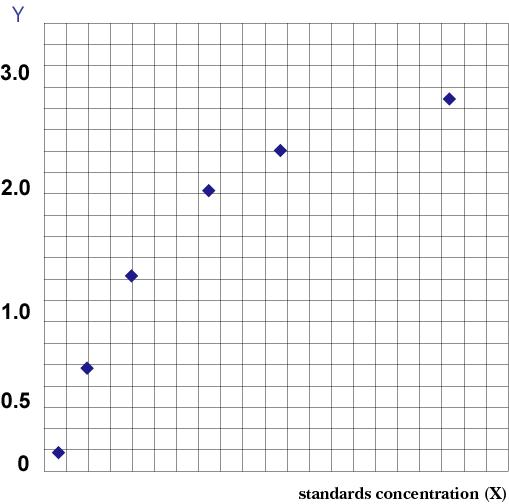
- Ready-to-Use Liquid Standards: Six standards supplied as liquids (0, 25, 50, 100, 200, 400 U/L).
- Reliable Precision: Intra- and inter-assay CV <15%; standard curve R ≥0.9900.
- Export-Ready: Neutral white box, cold-chain (2–8°C), 6-month shelf life. MSDS available.
Product Description
Hydroxymethylbilane synthase (HMBS), or porphobilinogen deaminase (PBGD), is the third enzyme of the heme biosynthesis pathway. It catalyzes the tetramerization of porphobilinogen (PBG) into hydroxymethylbilane. Inherited partial deficiency of HMBS causes acute intermittent porphyria (AIP), characterized by neurovisceral attacks. Conversely, HMBS is frequently upregulated in hepatocellular carcinoma, gastric cancer, and colorectal cancer, where it supports cell proliferation and correlates with poor prognosis.
The Yanda-Human-HMBS ELISA Kit uses a two-step double-antibody sandwich ELISA. A pre-coated capture antibody binds HMBS from the sample; after a wash step, an HRP-labeled detection antibody is added. A second wash removes unbound conjugate. TMB substrate produces a colorimetric signal proportional to HMBS enzyme activity, measured at 450 nm.
Clinical Use Restriction: This kit is for research use only. It is not designed or validated for diagnosing acute intermittent porphyria (AIP). Clinical AIP testing requires certified diagnostic kits with demonstrated sensitivity at very low enzyme activities (<15 U/L).
Sample Collection & Preparation
Erythrocyte Lysate — Preferred Sample for HMBS Activity
- Collect whole blood into EDTA or heparin tubes.
- Wash erythrocytes 2–3 times with saline or PBS (centrifuge at 3000 rpm, 10 min, 4°C). Remove buffy coat and supernatant to eliminate leukocyte and platelet HMBS isoenzymes.
- Lyse packed cells by one of these methods:
- Hypotonic lysis: Add 3 volumes of ice-cold deionized water or 10 mM Tris-HCl (pH 7.4), mix, incubate on ice 15 min.
- Freeze-thaw: Freeze at -80°C and thaw at room temperature, repeat 2–3 times.
- Centrifuge at 12,000 × g for 15 min at 4°C. Collect clear supernatant. Hemoglobin color does not significantly interfere at 450 nm; if extremely dark, consider an additional 1:2 dilution.
Other Liquid Samples
| Sample Type | Preparation |
|---|---|
| Serum / Plasma | Standard collection, centrifuge at 3000 rpm for 10–20 min. |
| Urine, CSF, Saliva, Ascitic Fluid | Centrifuge at 3000 rpm for 20 min, collect supernatant. |
| Cell Culture Supernatant | Centrifuge at 3000 rpm for 10 min. |
Solid Samples
- Tissue Homogenate: Homogenize in ice-cold PBS (1:9 w/v) with protease inhibitors. Centrifuge at 5000 × g for 10 min at 4°C. Liver tissue or tumor tissue (e.g., hepatocellular carcinoma) is strongly recommended.
- Cell Lysate: Wash cells 3× with cold PBS, resuspend at 1×10⁷ cells/mL, lyse by sonication on ice. Centrifuge at 3000 rpm for 20 min at 4°C. HepG2, Huh7 and HMBS-overexpressing lines are ideal.
Storage & Stability
- Enzyme Sensitivity: HMBS activity declines with repeated freeze-thaw. Limit to ≤2 freeze-thaw cycles.
- Stabilizers: Add 10% glycerol or 0.1% BSA to lysates and store at -80°C for long-term preservation.
- NaN₃ Prohibition: Sodium azide inhibits HRP and must be absent from samples.
- Short-term: 2–8°C up to 6 days; Long-term: -20°C (≤1 month) or -80°C (≤2 months).
Critical Dilution Factor
The assay applies a 5-fold dilution in the well: 10 µL sample + 40 µL Sample Diluent. Multiply the interpolated value by 5 to obtain the activity in U/L.
Note: If the resulting activity exceeds 400 U/L, further pre-dilute the sample and multiply by the additional factor.
Important: AIP Patient Samples & Detection Range
- Normal erythrocyte HMBS activity: ~15–40 U/L (literature values).
- AIP patient activity: Typically <10–15 U/L, below the kit’s detection limit (25 U/L).
- This kit is designed for high-activity samples (liver, tumor, overexpression models), not for AIP diagnostic screening. If your study requires detection of low residual HMBS activity, consider concentrating the sample or use a high-sensitivity assay.
Technical Specifications
| Parameter | Specification |
|---|---|
| Standard Activities (S0–S5) | 0, 25, 50, 100, 200, 400 U/L |
| Quantitative Range | 25 – 400 U/L |
| Analytical Sensitivity | < 25 U/L |
| Enzyme Unit Definition | 1 U = 1 μmol product formed per min at 37°C, pH 7.4, with PBG as substrate |
| Accuracy (Linearity) | Standard curve R ≥0.9900 |
| Precision | Intra-assay CV <15%; Inter-assay CV <15% |
| Specificity | Highly specific for human HMBS/PBGD. No cross-reactivity with UROS, UROD, ALAD, FECH, or other heme pathway enzymes. |
| Species Restriction | Validated for human samples only. |
| Sample Dilution Factor | 5× (in-well); additional pre-dilution may be needed |
| Shelf Life | 6 months |
| Storage & Transport | 2–8°C, protected from light; cold-chain shipping |
Representative Standard Curve
Detailed validation data are available in the product instruction manual.
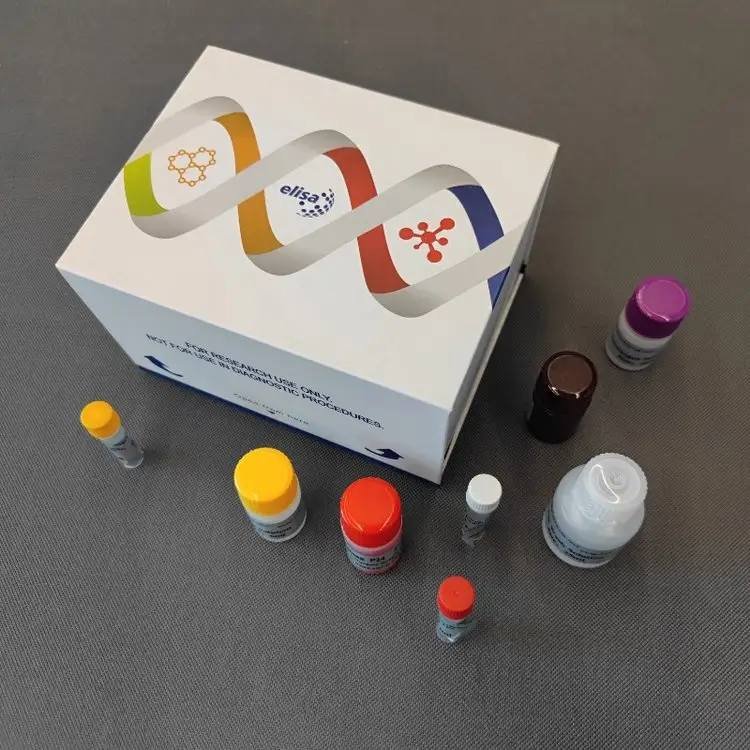
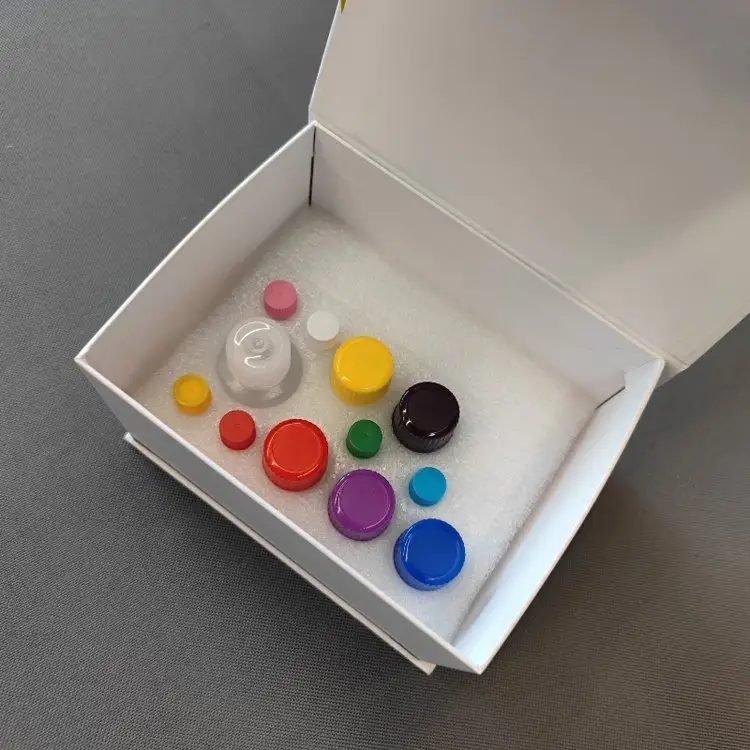
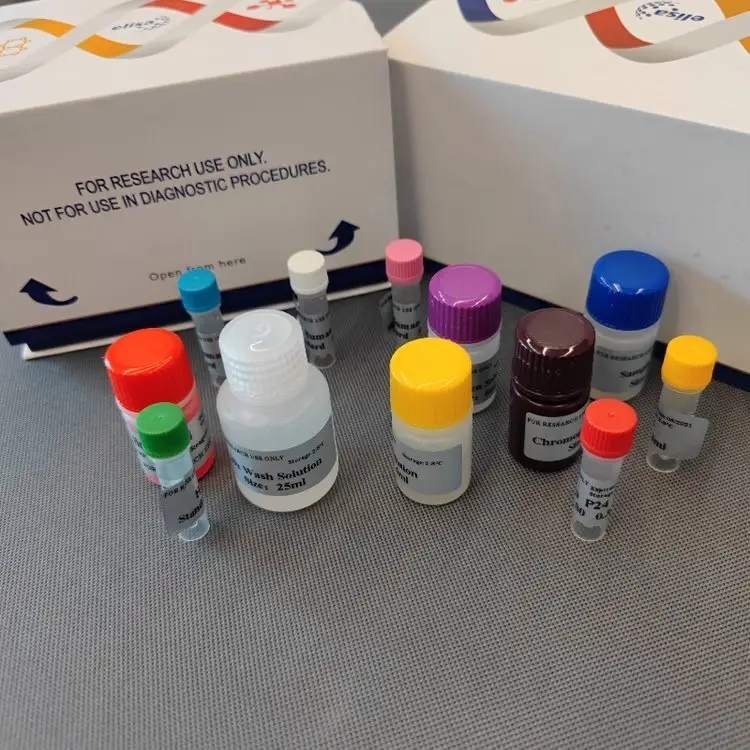
Kit Components
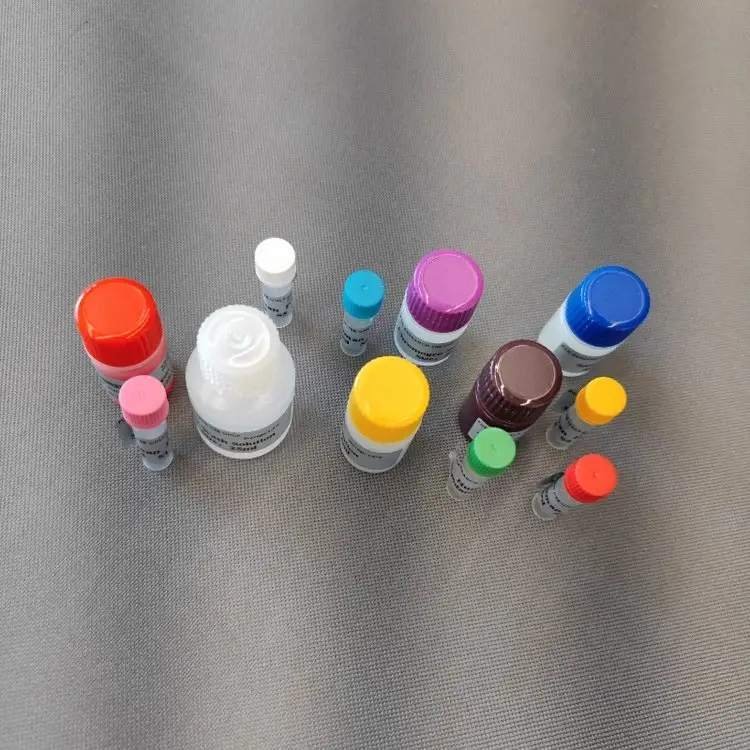
96-Well Format
| Component | Quantity | Notes |
|---|---|---|
| Microelisa Stripplate | 8 wells × 12 strips | Pre-coated with anti-human HMBS antibody |
| Standard (0.3 mL/vial) | 6 vials | Ready-to-use liquid, 0–400 U/L |
| Sample Diluent | 6 mL | – |
| HRP-Conjugated Detection Antibody | 6 mL | Ready-to-use |
| 20× Wash Buffer | 25 mL | Dilute to 1× before use |
| Substrate A | 6 mL | – |
| Substrate B | 6 mL | – |
| Stop Solution | 6 mL | – |
| Plate Sealers | 2 sheets | – |
| Instruction Manual | 1 copy | – |
48-Well Format
| Component | Quantity | Notes |
|---|---|---|
| Microelisa Stripplate | 8 wells × 6 strips | Pre-coated |
| Standard (0.3 mL/vial) | 6 vials | Ready-to-use liquid |
| Sample Diluent | 3 mL | – |
| HRP-Conjugated Detection Antibody | 3 mL | Ready-to-use |
| 20× Wash Buffer | 15 mL | Dilute to 1× |
| Substrate A | 3 mL | – |
| Substrate B | 3 mL | – |
| Stop Solution | 3 mL | – |
| Plate Sealers | 2 sheets | – |
| Instruction Manual | 1 copy | – |
Crystallization of 20× Wash Buffer is normal; warm in a water bath before dilution.
Two-Step Assay Procedure
- Equilibrate: Bring the sealed foil pouch to room temperature for 20 min.
- Add Standards & Samples: 50 µL standards; 10 µL sample + 40 µL Sample Diluent. Seal and incubate at 37°C for 30 min.
- Wash 1: Aspirate, wash with 1× Wash Buffer (soak 1 min), repeat 5 times.
- Add HRP-Antibody: 50 µL HRP-conjugated detection antibody to all wells except blank. Seal and incubate at 37°C for 30 min.
- Wash 2: Aspirate, wash with 1× Wash Buffer (soak 1 min), repeat 5 times.
- Substrate: 50 µL each of Substrate A and B. Incubate in dark at 37°C for 15 min.
- Stop & Read: 50 µL Stop Solution, read at 450 nm within 15 min.
Total hands-on time: ~1.5 hours.
Materials Required but Not Supplied: Microplate reader (450 nm), pipettes (0.5–1000 µL), 37°C incubator, distilled water, wash bottle/automated washer, protease inhibitors, glycerol or BSA for enzyme stabilization.
Throughput
| Format | Max. Samples (Single Wells) |
|---|---|
| 48-well | 39–40 |
| 96-well | 85–88 |
Includes 6 standard wells and 1–2 blank wells.
Related Products (Recommended)
Strengthen your metabolic research portfolio with these adiponectin‑focused kits:
- Human Adiponectin (ADPN) ELISA Kit—High‑Sensitivity Sandwich Assay
- Human CNP (C-type Natriuretic Peptide) ELISA Kit – Accurate Measurement of Human C-type Natriuretic Peptide (CNP)
- Human Inositol 1,4,5-Trisphosphate (IP3) ELISA Kit – For Cell Signaling Research
- Human 1-Methylnicotinamide (MNA) ELISA Kit
All three kits allow cross‑validation and are available in both 96‑well and 48‑well formats.
Frequently Asked Questions
Q: Is this HMBS or PBGD?
A: Both names refer to the same enzyme. HMBS = hydroxymethylbilane synthase; PBGD = porphobilinogen deaminase.
Q: Does this kit measure protein concentration or enzyme activity?
A: Enzyme activity, expressed in U/L. 1 U = 1 μmol product/min at 37°C, pH 7.4.
Q: Can I use erythrocyte lysate directly?
A: Yes. Wash RBCs 2–3 times to remove WBCs/platelets, lyse by hypotonic buffer or freeze-thaw, centrifuge, and use the supernatant.
Q: Can I detect AIP patient samples with this kit?
A: Not recommended. AIP patients typically have <15 U/L activity, below the 25 U/L detection limit. This kit is designed for high-expression samples (liver, tumor, overexpression cells).
Q: What samples give the highest HMBS activity?
A: Hepatocellular carcinoma tissues, HepG2/Huh7 cell lysates, liver homogenates, and HMBS-transfected cell models.
Q: Does this kit cross-react with other heme biosynthesis enzymes?
A: No. It is specific for HMBS and does not recognize UROS, UROD, ALAD, or FECH.
Q: Why is this a two-step ELISA?
A: The intermediate wash removes endogenous interferents (hemoglobin, lipids, metabolites), improving specificity.
Q: How should I store samples to preserve enzyme activity?
A: Limit to ≤2 freeze-thaw cycles. Add 10% glycerol or 0.1% BSA as stabilizer and store at -80°C.
Q: Can I use this kit for mouse or rat models?
A: No. It is validated only for human samples. Use species-specific kits for rodent studies.
Ordering & Contact
| Item | Details |
|---|---|
| Catalog Number | Yanda-Human-HMBS |
| Formats | 48-well / 96-well |
| Package Dimensions | 16 cm × 12.5 cm × 9.5 cm (neutral white box) |
| Shipping | Cold-chain (2–8°C), protected from light |
| Storage | 2–8°C; do not freeze |
| Shelf Life | 6 months |
WhatsApp: +86 198 3186 0669 | Email: songhawyble@gmail.com
Technical Documents & Support
- Instruction Manual – Download or request via email.
- MSDS & Certificate of Composition – Available upon request.
- Technical Support – For sample preparation, unit conversion, or high-expression sample guidance, contact us.
Disclaimer
For research use only. Not for clinical diagnosis, including acute intermittent porphyria (AIP). Users are responsible for validating assay performance in their own experimental conditions. The manufacturer assumes no liability for improper use or protocol deviations.