
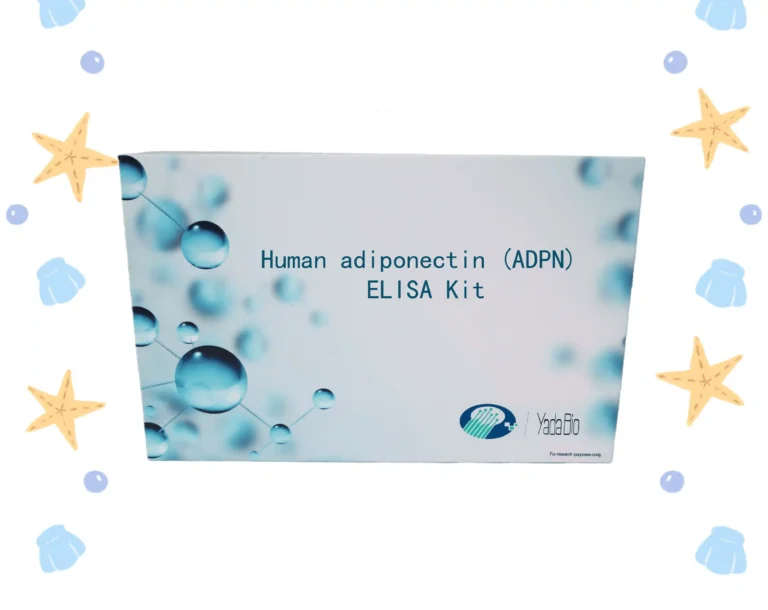
Key Features
- Measures Total Adiponectin: Detects all multimeric forms (LMW, MMW, HMW) via a common epitope. For specific HMW quantitation, please inquire about our dedicated HMW adiponectin kits.
- Optimized for High-Abundance Serum Samples: Normal human adiponectin levels (3–30 μg/mL) far exceed the assay range. A pre-dilution of 1:100 to 1:500 is required; pilot dilution guidance provided.
- Excellent Specificity: No cross-reactivity with leptin, resistin, visfatin, TNF-α, or other common adipose-derived factors. No interference from other soluble structural analogues.
- Comprehensive Adipose Tissue Protocol: Tissue homogenization includes a mandatory delipidation step (high-speed centrifugation or lipid-clearing agents) and RIPA lysis with protease inhibitors to ensure high recovery and low background.
- Clinically Relevant Reference Ranges: Normal serum adiponectin: ≥ 4.0 μg/mL (male), ≥ 5.0 μg/mL (female). Low levels are strongly associated with insulin resistance and T2DM risk.
- Built-in 5× In-Well Dilution: 10 µL sample + 40 µL Sample Diluent; multiply the interpolated value by 5 and the pre-dilution factor to obtain the actual concentration.
- High Sensitivity & Wide Range: Quantitative range 50–1600 ng/mL, sensitivity < 1.0 ng/mL. Standard curve: 0, 100, 200, 400, 800, 1600 ng/mL.
- Ready-to-Use Liquid Standards: Recombinant standards produced in a eukaryotic expression system; no reconstitution required.
- One-Step Sandwich ELISA: Co-incubation of sample and HRP-detection antibody; total assay time ~2 hours.
- Reliable Precision: Intra- and inter-assay CV < 15%; standard curve R ≥ 0.9900.
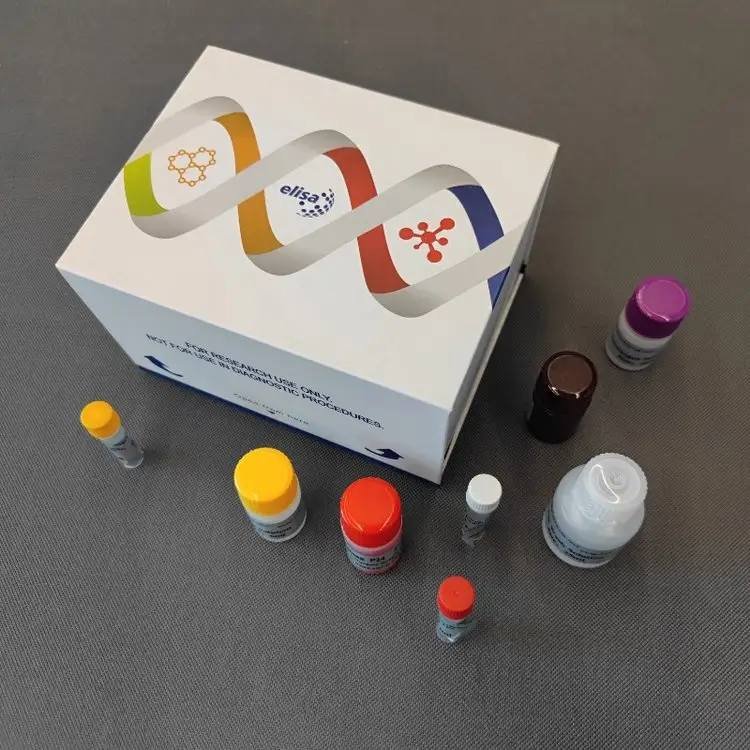
- Export-Ready: Neutral white box (16 × 12.5 × 9.5 cm), cold-chain shipping (2–8°C), 6-month shelf life. MSDS available upon request.
Product Description
Adiponectin (ADPN) is a major insulin-sensitizing adipokine secreted predominantly by white adipose tissue. It plays a protective role in glucose and lipid metabolism, vascular homeostasis, and anti-inflammatory processes. Circulating adiponectin levels are inversely correlated with obesity, insulin resistance, type 2 diabetes (T2DM), and cardiovascular disease, making it a critical biomarker in metabolic syndrome research.
The High quality Human-ADPN ELISA Kit uses a one-step double-antibody sandwich ELISA. A pre-coated capture antibody binds total human adiponectin (all multimeric forms). Samples and standards are co-incubated with an HRP-labeled detection antibody. TMB substrate produces a signal proportional to adiponectin concentration, measured at 450 nm.
Important: This kit measures total adiponectin. If you require specific quantitation of HMW multimers, we recommend using a dedicated HMW adiponectin kit, which may involve a protease pretreatment step to digest LMW and MMW forms. Please contact technical support for recommendations.
Sample Collection & Preparation
Serum & Plasma – Critical High Pre-Dilution Required
Normal human adiponectin levels are extremely high (3–30 μg/mL = 3000–30000 ng/mL), exceeding the assay’s 1600 ng/mL upper limit. Direct measurement without pre-dilution will saturate the assay.
- Recommended Pre-Dilution: 1:100 to 1:500. Example: add 2 μL serum to 198 μL Sample Diluent for a 1:100 dilution.
- Pilot Experiment: Test 1:100, 1:200, and 1:500 dilutions. Choose the factor that yields OD values in the mid-range of the standard curve.
- Sample Types: Serum, EDTA/citrate/heparin plasma. Centrifuge at 3000 rpm for 10 min (serum) or 30 min (plasma).
Adipose Tissue – Delipidation Required
Adipose tissue contains abundant lipids that can interfere with antibody-antigen binding and cause high background.
- Lysis Buffer: Use RIPA buffer containing 1% NP-40 or Triton X-100, 150 mM NaCl, and fresh protease inhibitors.
- Homogenization: Mince tissue, add ice-cold lysis buffer, homogenize on ice.
- Delipidation: Centrifuge homogenate at 10,000 × g for 10–15 min at 4°C. Carefully collect the middle aqueous layer, avoiding the top lipid layer. Alternatively, use a commercial lipid-clearing agent or RELi/TCA precipitation protocol.
- Assay: Use the delipidated supernatant for ELISA.
Cell Culture Supernatant
In 3T3-L1 adipocyte differentiation experiments, secreted adiponectin can reach hundreds of ng/mL to μg/mL. Start with pilot dilutions of 1:20, 1:50, and 1:100. Lower dilutions may be sufficient for undifferentiated cells.
Storage
- Aliquot and freeze at -20°C or -80°C immediately after collection.
- Avoid repeated freeze-thaw cycles, which can cause protein degradation or aggregation. For repeated use, consider adding a protein stabilizer (e.g., 0.1% BSA).
- NaN₃ Prohibition: Sodium azide inhibits HRP. Do not use as a preservative.
Dilution & Calculation Guide
- In-well dilution: 10 µL sample + 40 µL Sample Diluent = 5× dilution.
- Pre-dilution: If you pre-diluted serum 1:200 before adding to the well.
- Final concentration (ng/mL) = Interpolated value from standard curve × 5 × pre-dilution factor (e.g., ×200).
Example: A serum sample pre-diluted 1:200 gives an interpolated reading of 60 ng/mL. Actual concentration = 60 × 5 × 200 = 60,000 ng/mL = 60 μg/mL.
Clinical Reference Ranges (Literature-Based)
Adiponectin levels show strong sexual dimorphism and metabolic state dependence:
| Category | Normal Range (Serum/Plasma) | Clinical Significance |
|---|---|---|
| Male | ≥ 4.0 μg/mL (≥ 4000 ng/mL) | < 4.0 μg/mL indicates increased metabolic risk |
| Female | ≥ 5.0 μg/mL (≥ 5000 ng/mL) | < 5.0 μg/mL indicates increased metabolic risk |
| Obesity / T2DM | Typically < 4.0 μg/mL | Levels decrease years before T2DM onset; can predict diabetes risk 4–7 years in advance |
Technical Specifications
| Parameter | Specification |
|---|---|
| Standard Concentrations (S0–S5) | 0, 100, 200, 400, 800, 1600 ng/mL |
| Quantitative Range | 50 – 1600 ng/mL |
| Analytical Sensitivity | < 1.0 ng/mL |
| Accuracy (Linearity) | Standard curve R ≥ 0.9900 |
| Precision | Intra-assay CV < 15%; Inter-assay CV < 15% |
| Specificity | Highly specific for total human adiponectin. No cross-reactivity with leptin, resistin, visfatin, TNF-α, or other soluble structural analogues. |
| Species Restriction | Validated exclusively for human samples. |
| Sample Dilution Factor | 5× (in-well); additional pre-dilution required for serum/plasma |
| Shelf Life | 6 months |
| Storage & Transport | 2–8°C, protected from light and moisture; cold-chain shipping |
Representative Standard Curve
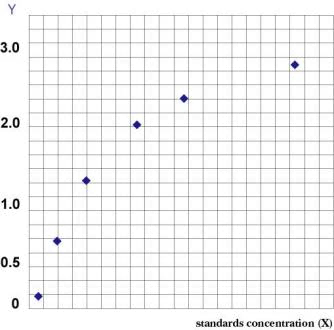
For detailed validation data, including spike-recovery and dilution linearity, refer to the product instruction manual.
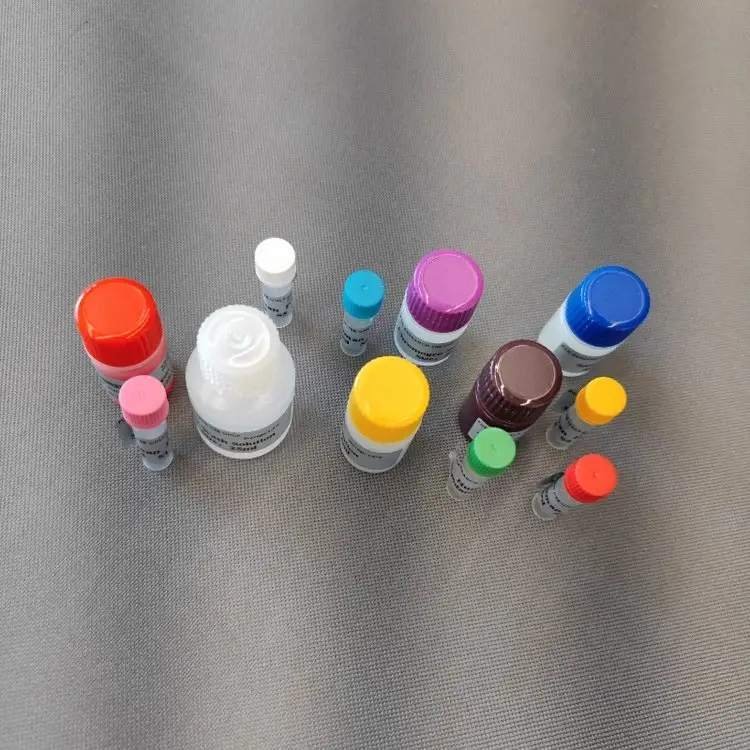
Kit Components
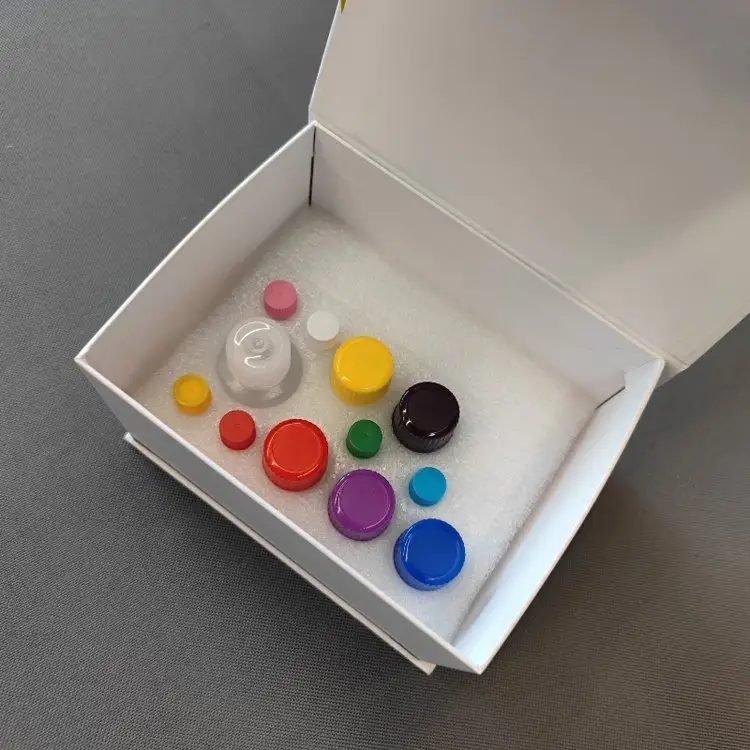
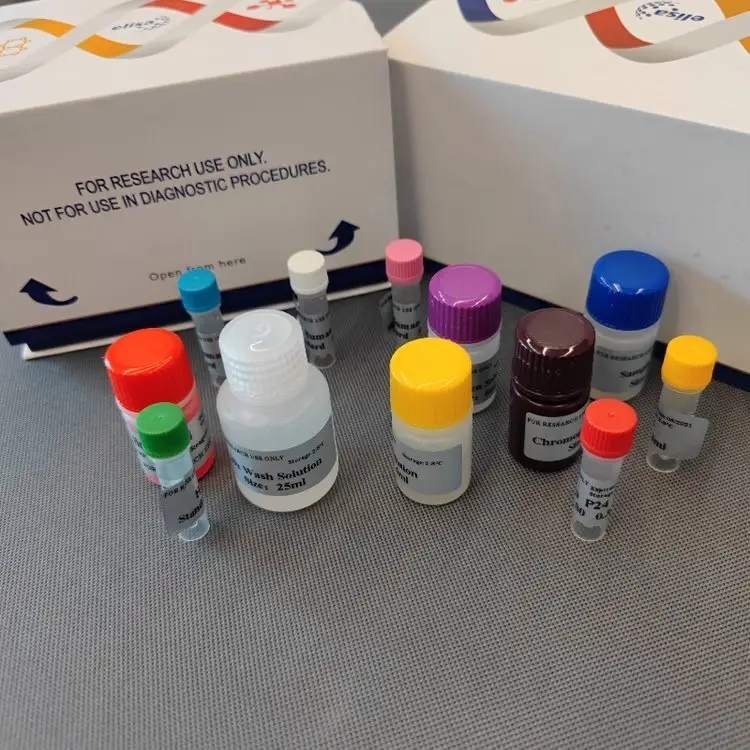
96-Well Format
| Component | Quantity | Notes |
|---|---|---|
| Microelisa Stripplate | 12 strips × 8 wells | Pre-coated with anti-human adiponectin antibody |
| Standard (0.3 mL/vial) | 6 vials | Ready-to-use liquid, 0–1600 ng/mL |
| Sample Diluent | 6 mL | – |
| HRP-Conjugated Detection Antibody | 10 mL | Ready-to-use |
| 20× Wash Buffer | 25 mL | Dilute to 1× before use |
| Substrate A | 6 mL | – |
| Substrate B | 6 mL | – |
| Stop Solution | 6 mL | – |
| Plate Sealers | 2 sheets | – |
| Instruction Manual | 1 copy | – |
| Self-sealing Bag | 1 piece | For unused strip storage |
48-Well Format
| Component | Quantity | Notes |
|---|---|---|
| Microelisa Stripplate | 12 strips × 4 wells | Pre-coated |
| Standard (0.3 mL/vial) | 6 vials | Ready-to-use liquid |
| Sample Diluent | 3 mL | – |
| HRP-Conjugated Detection Antibody | 5 mL | Ready-to-use |
| 20× Wash Buffer | 15 mL | Dilute to 1× |
| Substrate A | 3 mL | – |
| Substrate B | 3 mL | – |
| Stop Solution | 3 mL | – |
| Plate Sealers | 2 sheets | – |
| Instruction Manual | 1 copy | – |
| Self-sealing Bag | 1 piece | – |
Crystallization of 20× Wash Buffer upon cold storage is normal; warm in a water bath until crystals dissolve before dilution.
Assay Procedure Summary
- Equilibrate: Warm the foil pouch to room temperature for 20 min. Remove required strips.
- Add Standards & Samples: 50 µL standards; 10 µL pre-diluted sample + 40 µL Sample Diluent.
- Add HRP-Antibody: 100 µL to all wells except blank. Incubate at 37°C for 60 min.
- Wash: Aspirate, wash with 1× Wash Buffer, soak 1 min, repeat 5 times.
- Substrate: 50 µL each of Substrate A and B, incubate in dark at 37°C for 15 min.
- Stop & Read: 50 µL Stop Solution, read at 450 nm within 15 min.
Total hands-on time: ~2 hours.
Materials Required but Not Supplied: Microplate reader (450 nm), pipettes (0.5–1000 µL), 37°C incubator, distilled water, absorbent paper, automated washer (optional), RIPA buffer, protease inhibitors, lipid-clearing agent (for adipose tissue).
Throughput
| Format | Max. Samples (Single Wells) |
|---|---|
| 48-well | 39–40 |
| 96-well | 85–88 |
Includes 6 standard wells and 1–2 blank wells. For duplicates, divide accordingly.
Related Products (Recommended)
Strengthen your metabolic research portfolio with these adiponectin‑focused kits:
- Human 1-Methylnicotinamide (MNA) ELISA Kit
- Human CNP (C-type Natriuretic Peptide) ELISA Kit – Accurate Measurement of Human C-type Natriuretic Peptide (CNP)
- Human Inositol 1,4,5-Trisphosphate (IP3) ELISA Kit – For Cell Signaling Research
- Human Hydroxymethylbilane Synthase (HMBS) ELISA Test Kit – Two-step sandwich enzyme-linked immunosorbent assay (ELISA)
All three kits allow cross‑validation and are available in both 96‑well and 48‑well formats.
Frequently Asked Questions
Q: Does this kit measure total or HMW adiponectin?
A: This kit measures total adiponectin. If you require specific HMW quantitation, please inquire about dedicated HMW adiponectin kits. Some protocols use protease pretreatment to selectively digest LMW/MMW forms, but we recommend using a purpose-built HMW kit for accuracy.
Q: Does this kit cross-react with leptin, resistin, or TNF-α?
A: No. The kit is highly specific for adiponectin and shows no cross-reactivity with these or other common adipokines.
Q: What pre-dilution should I use for serum?
A: Normal serum adiponectin is 3–30 μg/mL. We recommend testing 1:100, 1:200, and 1:500 dilutions in a pilot experiment. Choose the dilution that yields OD values in the mid-range of the standard curve.
Q: How should I process adipose tissue?
A: Homogenize in RIPA buffer with protease inhibitors, then delipidate by centrifuging at 10,000 × g for 10–15 min at 4°C. Collect the middle aqueous layer, avoiding the top lipid layer. Lipid-clearing agents can also be used.
Q: What are the normal clinical reference ranges?
A: Males: ≥ 4.0 μg/mL; Females: ≥ 5.0 μg/mL. Lower levels are associated with insulin resistance and predict T2DM risk 4–7 years in advance.
Q: Can I use this kit for mouse or rat samples?
A: No. This kit is strictly validated for human samples. Species-specific adiponectin kits are recommended for rodent models.
Q: How should I store samples?
A: Aliquot and freeze at -20°C or -80°C. Avoid repeated freeze-thaw. Adding 0.1% BSA may improve stability for repeated use.
Q: What if my sample reads outside the standard curve?
A: If below the detection limit after concentration, consider using a higher-sensitivity kit. If above the upper limit, increase the pre-dilution factor and re-assay.
Ordering & Contact
| Item | Details |
|---|---|
| Catalog Number | Yanda-Human-ADPN |
| Formats | 48-well / 96-well |
| Package Dimensions | 16 cm × 12.5 cm × 9.5 cm (neutral white box) |
| Shipping | Cold-chain (2–8°C), protected from light and moisture |
| Storage | 2–8°C; do not freeze |
| Shelf Life | 6 months |
WhatsApp: +86 198 3186 0669 | Email: songhawyble@gmail.com
Technical Documents & Support
- Instruction Manual – Download or request via email.
- MSDS & Certificate of Composition – Available upon request.
- Technical Support – For dilution optimization, tissue protocols, or HMW adiponectin options, contact us via WhatsApp or email.
Disclaimer
For research use only. Not for clinical diagnosis or treatment. Users are responsible for validating assay performance in their own experimental conditions. The manufacturer assumes no liability for improper use or protocol deviations.